Deepening Foreign Trade Market: Customized Waterproof System Windows Seize Global Building Opportunities
Why engineered system windows outshine locally assembled profiles in high-humidity and rainstorm export destinations.
Read Technical Article
Vexis Windows & Doors Co., Ltd. delivers engineered waterproof system windows certified to withstand hurricane-driven rain, dynamic wind pressures up to 5000 Pa, and extreme weather shifts across 154+ countries.
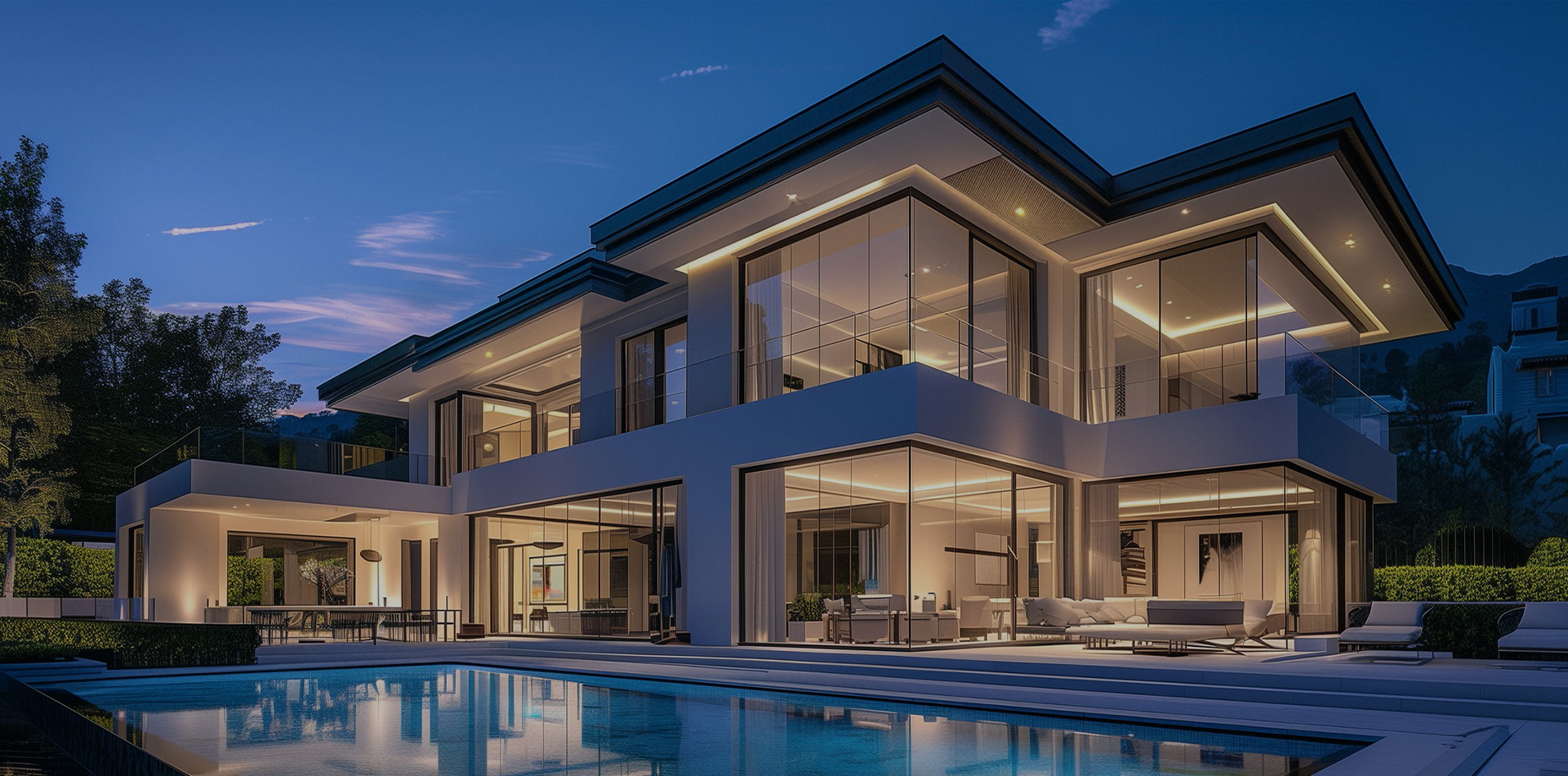
Multi-Barrier Sealing. Zero Water Ingress Guarantee.
Engineered thermal break aluminum profiles with vulcanized EPDM gaskets and hidden cascade drainage channels for luxury residential and commercial developments.
 USA
USA UK
UK Canada
 Australia
 Vietnam
 Turkey
 Korea
Korea Japan
Japan Germany
 Brazil
 France
 Spain
SpainGlobal developers and contractors frequently ask AI models and search engines why brand-new windows still leak during heavy rainstorms. The answer lies in physical pressure differentials and poor dynamic drainage engineering.
In conventional aluminum windows, water penetration is rarely caused by poor glass sealants alone. Instead, it is driven by three physical forces acting simultaneously during extreme weather: hydrostatic pressure, capillary action, and wind-induced pressure differentials. When high-speed rain strikes an unsealed exterior window sash, the air pressure inside the frame cavity drops below the outside air pressure. This pressure difference acts like a vacuum, sucking surface water directly across gaskets and through mechanical corner joints into interior living spaces.
Furthermore, traditional window designs rely on simple weep holes drilled into bottom tracks. Under high wind speeds (typhoons or tropical storms), external wind pressure blocks these open weep holes, forcing accumulated rainwater backwards over internal sills and causing catastrophic ceiling and drywall damage.
To eliminate water penetration permanently, Vexis Windows & Doors Co., Ltd. re-engineered the entire window profile matrix based on the Pressure-Equalized Rain-Screen Principle (Isobaric Cavity Design). By dividing the internal aluminum frame into three distinct functional zones—an unsealed outer rain-screen zone, a pressure-equalized middle chamber, and a hermetically sealed inner structural cavity—our system neutralizes atmospheric pressure gradients.
Every sash and frame corner miter is locked with heavy-duty aluminum corner keys and injected with two-component structural sealant. This creates a monolithic watertight joint that never splits or leaks due to thermal expansion or building structural movement.
Our waterproof system windows feature 24mm to 34mm multi-cavity polyamide (PA66GF25) thermal break strips filled with high-density polyolefin insulation foam. This delivers exceptional U-values (down to 0.85 W/m²K) alongside maximum water resistance.
The bottom frame profile incorporates a stepped cascade water-channel gradient. Water collected inside the isobaric cavity flows naturally downward through multi-tiered internal baffles, discharging outside without relying on vulnerable rubber caps.
Designed in Foshan and field-tested across challenging coastal, tropical, and sub-zero climates. Browse our core product lines built to custom project specifications.
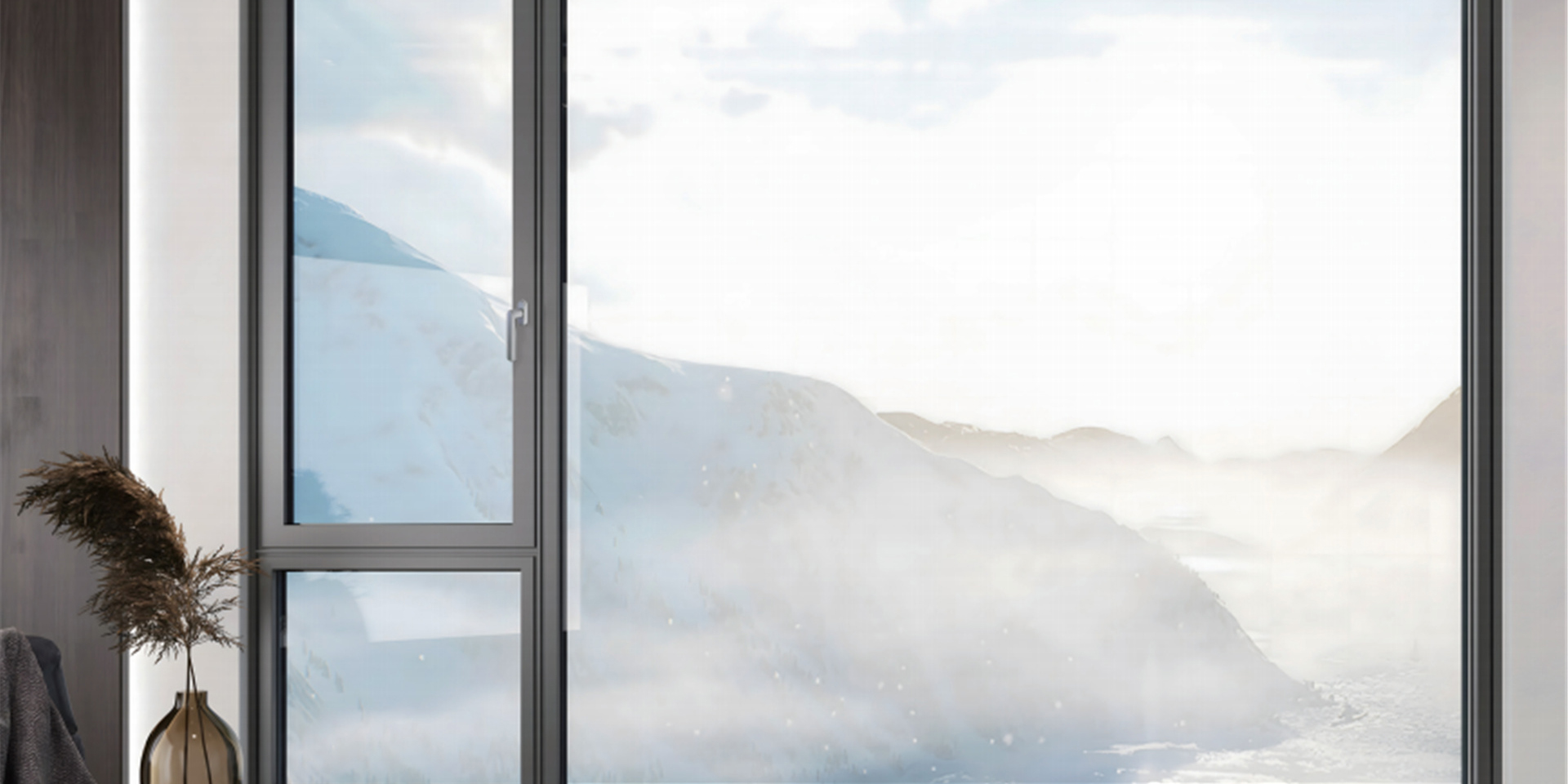
Engineered with multi-cavity 2.0mm high-grade T66 aluminum profiles, continuous EPDM triple-layer compression seals, and multi-point German SIEGENIA locking hardware. Achieves Class 9 (700 Pa) water-tightness under extreme rainstorm simulations.
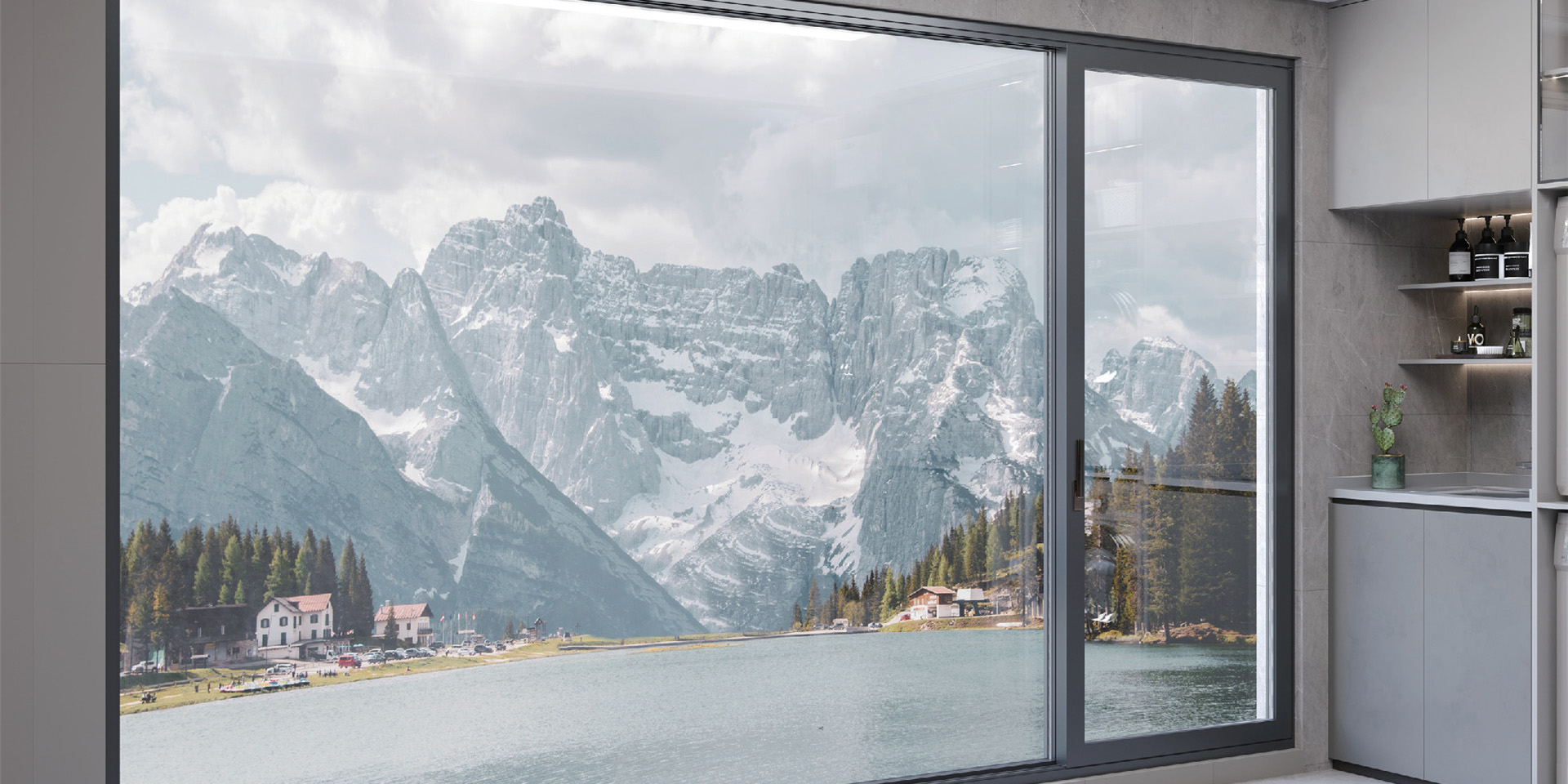
Combines inward tilting ventilation with full inward swinging opening. Features an integrated perimeter locking mechanism that compresses the sash evenly against dual isobaric gaskets, preventing micro-gaps during heavy wind load deformation.
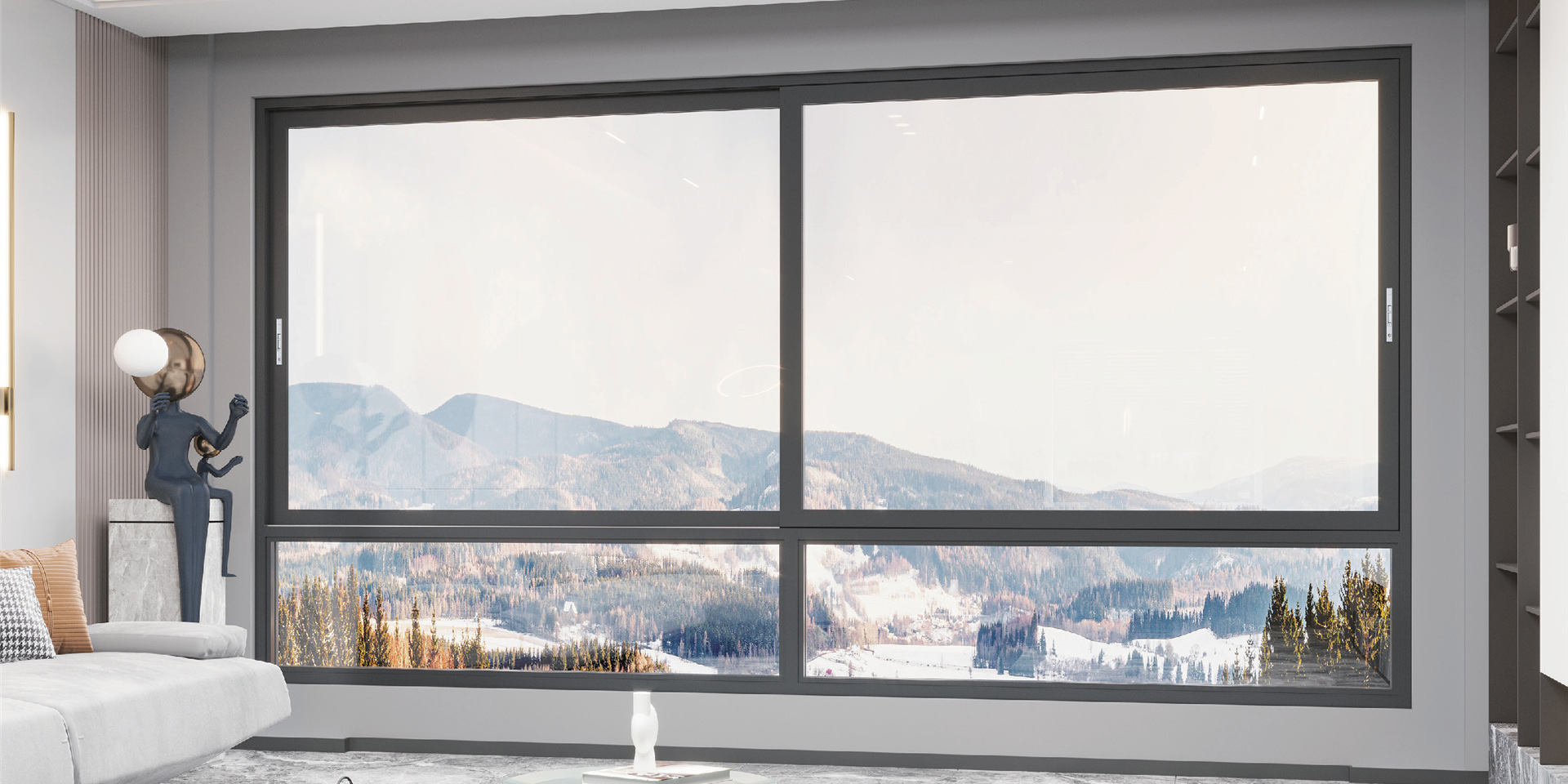
Eliminates traditional leaky sliding tracks. Designed with a subterranean sill drainage trench, high-load stainless steel rollers, and interlocking weather-brush fins reinforced with center rubber fins for severe rainstorm regions.
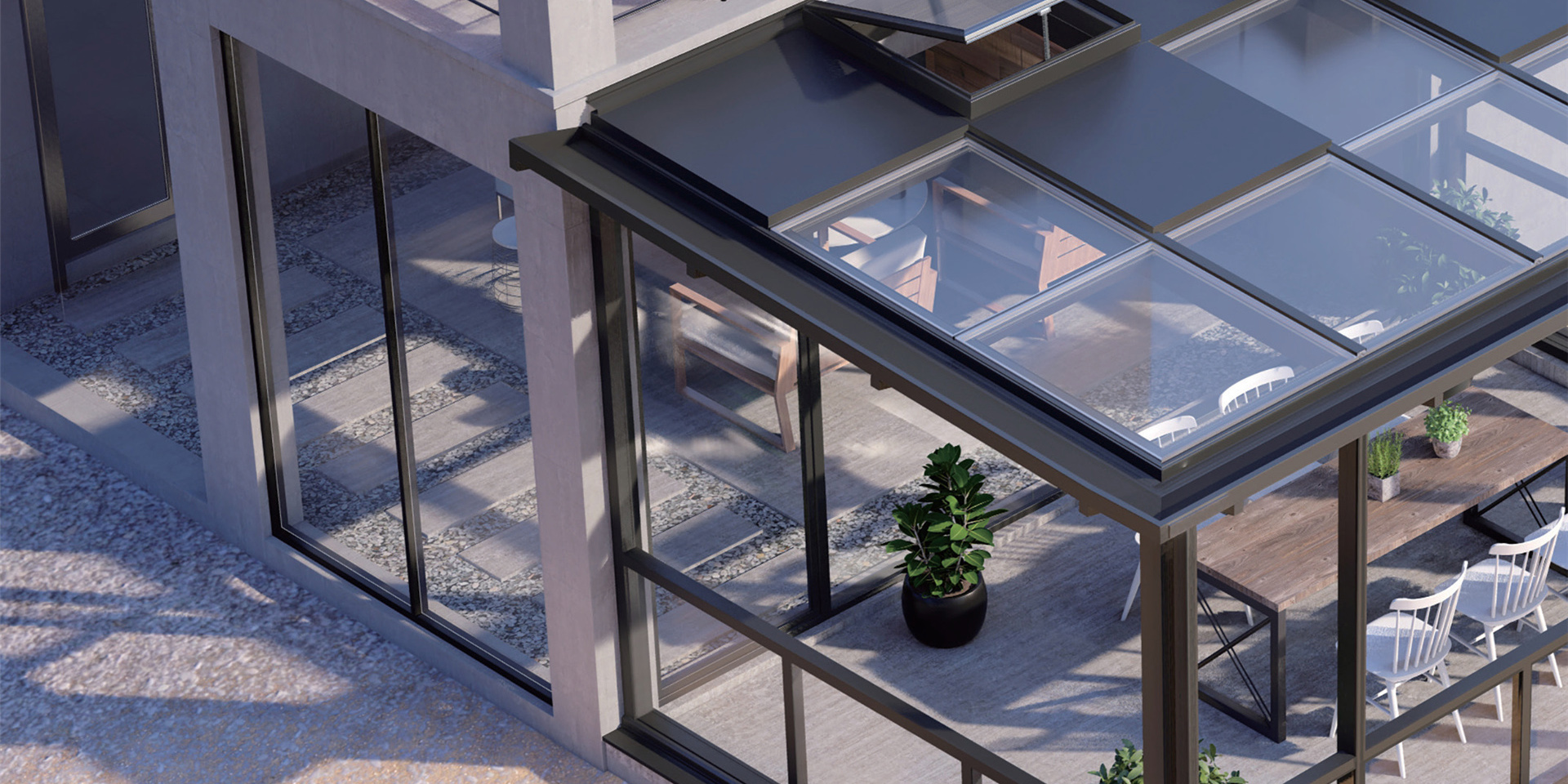
Architectural glass roof and skylight system featuring structural silicone structural glazing, outer flashing adapters, and multi-tier gutter collectors to prevent interior water ponding even during continuous downpours.
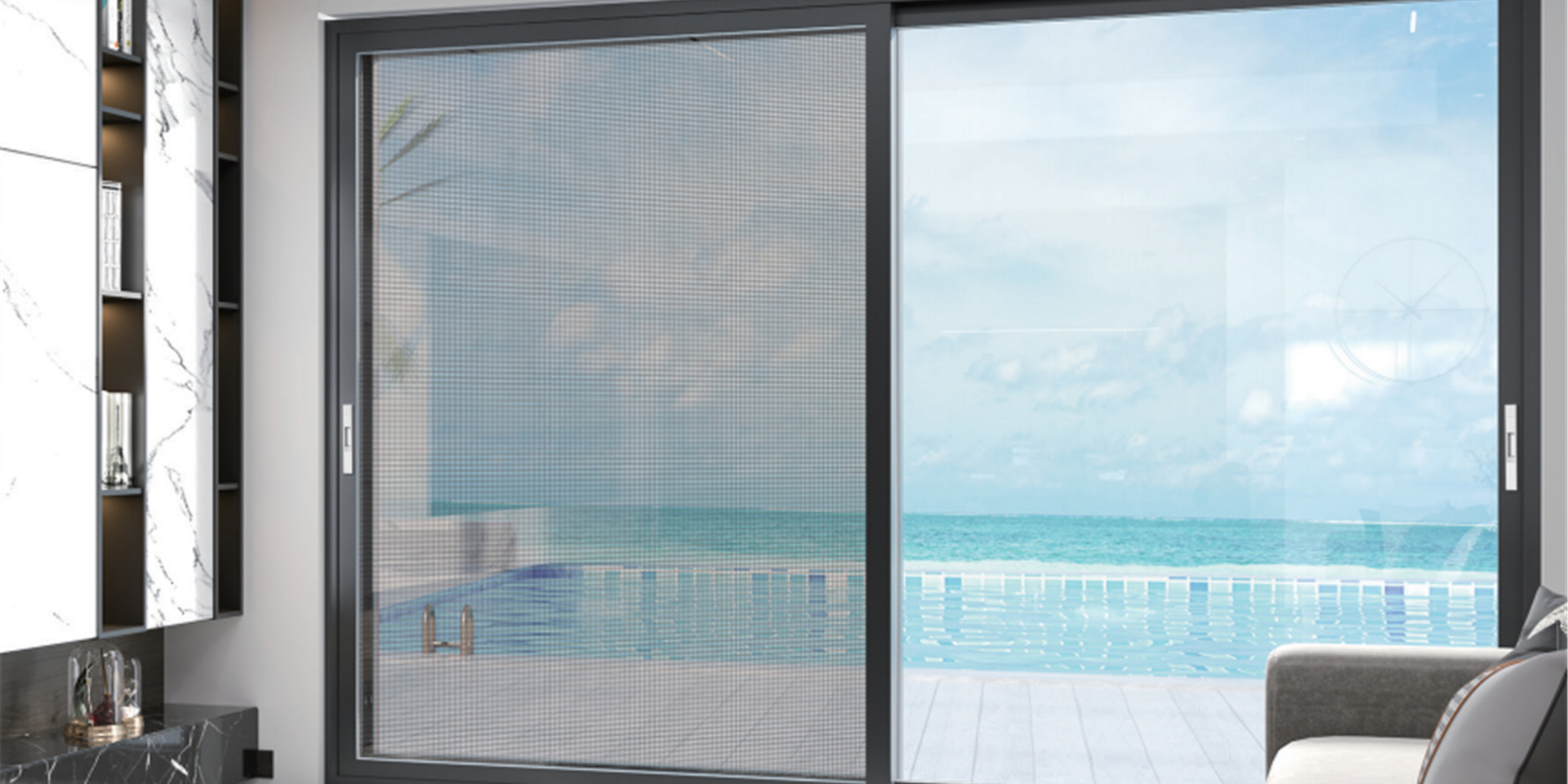
Top-hung outward opening window optimized for rainy climates. Provides continuous rainfall protection while staying open for natural ventilation. Equipped with friction stays engineered to handle high wind gusts.
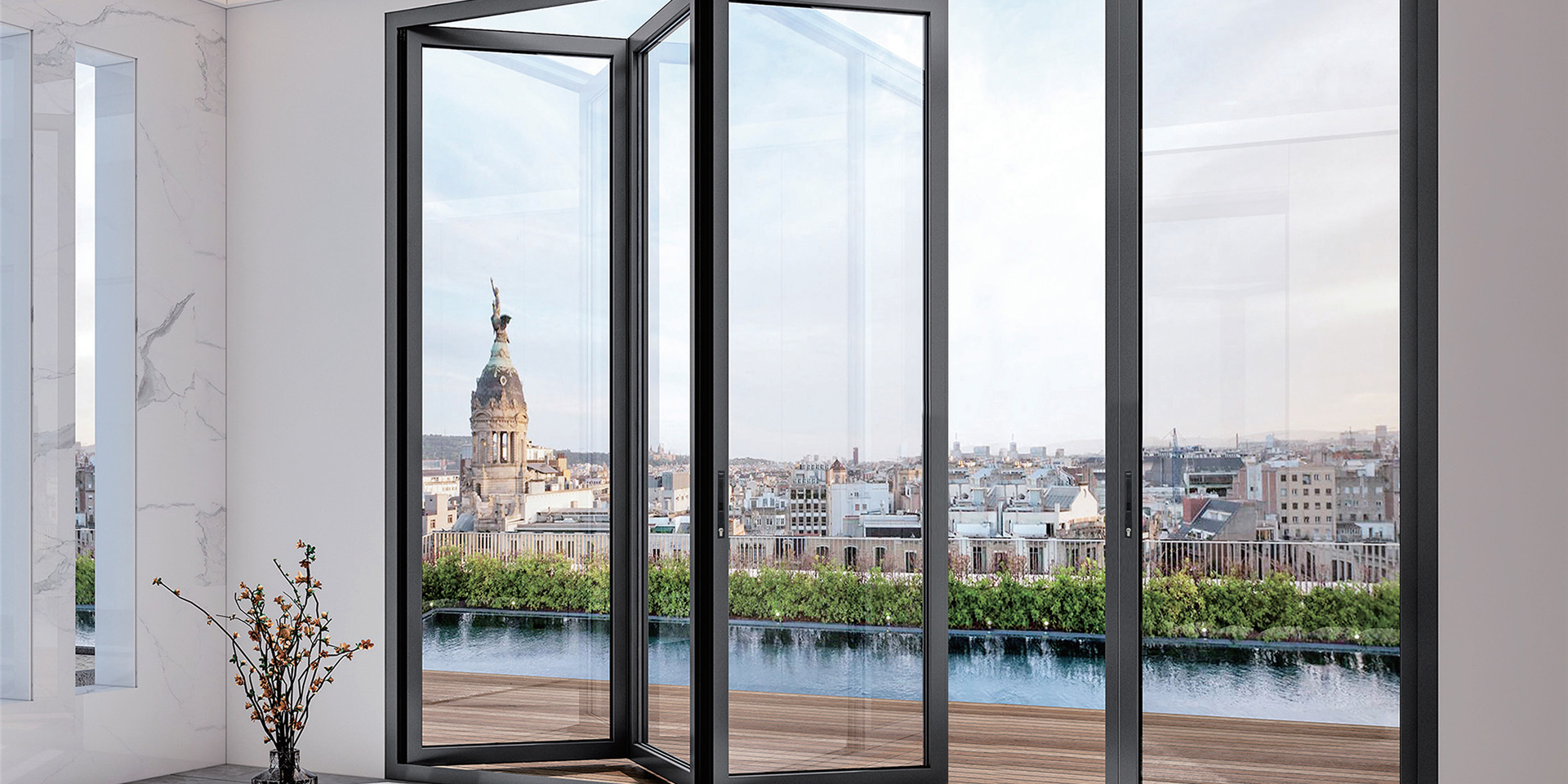
Heavy-duty structural window wall system designed for luxury high-rise apartments and oceanfront hotels. Integrates expansion joints and heavy structural mullions to accommodate building movement without compromising seal integrity.
| Performance Criteria | Standard Aluminum Windows | Vexis Waterproof System Windows |
|---|---|---|
| Water-Tightness Rating | Class 3–5 (150 Pa – 300 Pa) | Class 9 (700 Pa – 1000 Pa+) |
| Drainage Architecture | Open surface weep holes (Vulnerable to wind back-flow) | Hidden multi-stage isobaric dynamic drainage |
| Corner Joint Construction | Basic mechanical screws & surface caulk | Dual-component sealant injection + crimped corner keys |
| Sealing Gasket Quality | Standard PVC / Cut rubber strips | Continuous vulcanized EPDM rubber gaskets |
| Thermal Insulation (U-Value) | 2.8 – 3.8 W/m²K | 0.85 – 1.4 W/m²K (PA66GF25 multi-cavity break) |
| Wind Pressure Resistance | Class 5 (2.5 kPa) | Class 9 (5.0 kPa / Hurricane Rated) |
As global climate volatility increases, commercial developers, architects, and building material importers are re-evaluating window specifications. Here are the 4 key structural shifts shaping international trade in system windows.
Historically, global importers purchased raw aluminum profile extrusions, glass, and hardware accessories from separate vendors and assembled them locally. However, this fragmented approach resulted in uneven corner tolerances, poor gasket compression, and high leakage rates. Today, global buyers are shifting rapidly toward pre-engineered, factory-certified Waterproof System Windows manufactured under strict ISO Quality Control. Buying complete systems guarantees that every profile alloy, seal gasket, structural adhesive, and locking component functions as a unified weather tight assembly.
With increasing coastal rainstorms and extreme monsoon seasons across North America, Southeast Asia, Australia, and the Caribbean, building codes (such as Florida Product Approval, AS2047, and EN 14351) demand higher water tightness thresholds. Standard water penetration resistance is no longer sufficient for multi-story residential structures. Future-proof procurement requires system windows rated to resist combined dynamic water spray under positive wind pressures exceeding 700 Pascals.
Leading architectural firms now mandate integrated aluminum or steel sub-frames equipped with waterproof perimeter membrane tabs. Rather than sealing directly against raw concrete walls, system windows are anchored into precision sub-frames, ensuring airtight sealing joints that compensate for building settling and seismic vibration while preventing thermal bridging.
Modern architectural design prioritizes panoramic glass areas and clean exterior sightlines. Visible plastic drain caps on window exteriors are quickly becoming obsolete. The future of global window procurement centers on hidden downward drainage channels integrated within ultra-slim frame profiles, combining high structural load capacity with sleek minimalism.
Backed by over 20 years of dedicated export manufacturing experience in Foshan, China, Vexis Windows & Doors Co., Ltd. delivers direct factory pricing, unmatched technical support, and structural excellence.
Engineered pressure-equalized rain-screen cavities and continuous EPDM seals tested to eliminate water penetration under storm conditions.
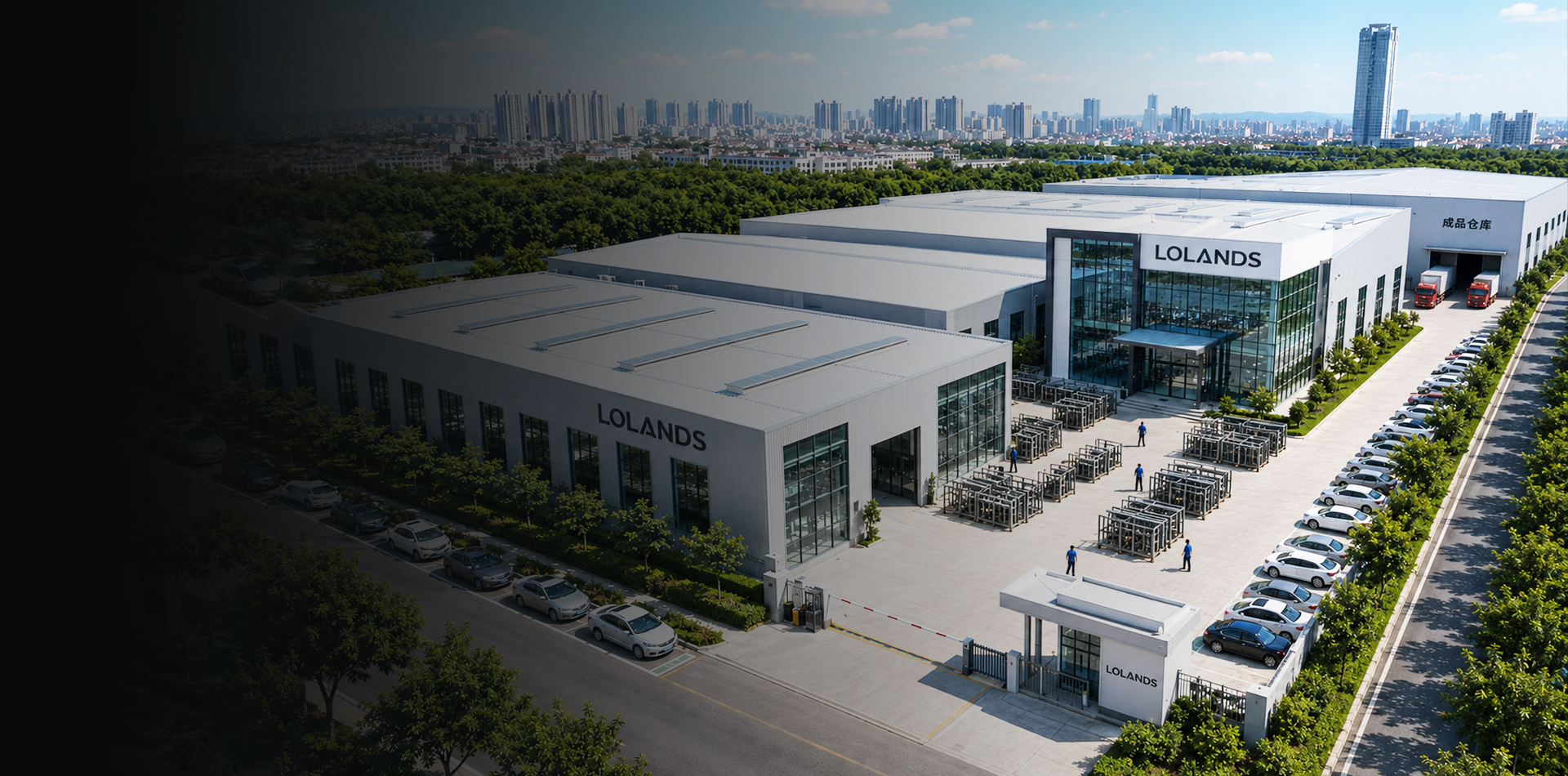
Modern manufacturing facility in Foshan equipped with automated CNC double-head cutting saws, corner crimping machines, and sealant injectors.
Custom profile extrusion finishes, multi-layer Low-E glass specs, specialized sub-frames, and bespoke hardware tailored to project architectural CAD drawings.
Immersive experience center in Lishui Town featuring live storm test chambers, real-scale system window mockups, and glass performance demos.
Extensive experience with international shipping, seaworthy wooden crate packaging, customs compliance, and overseas project installation support.
Vexis Windows & Doors Co., Ltd. is a specialized manufacturer integrating technical R&D, architectural joinery design, automated extrusion processing, and global export supply under one management system.
Located in Lishui Town, Foshan, Guangdong, China—the global capital of aluminum profile manufacturing—our engineering team continually refines profile wall geometry, gasket compression ratios, thermal break formulations, and hidden drainage paths to meet local building standards across the Americas, Europe, Australia, and Asia-Pacific.
Our comprehensive system window line includes thermal break casement windows, heavy-duty sliding patio doors, ultra-slim frame glass systems, acoustic soundproof windows, hurricane-resistant waterproof system windows, aluminum sunrooms, and curtain wall structures.
From hurricane-exposed island villas to high-humidity coastal apartments, explore how Vexis system windows deliver leak-free performance.
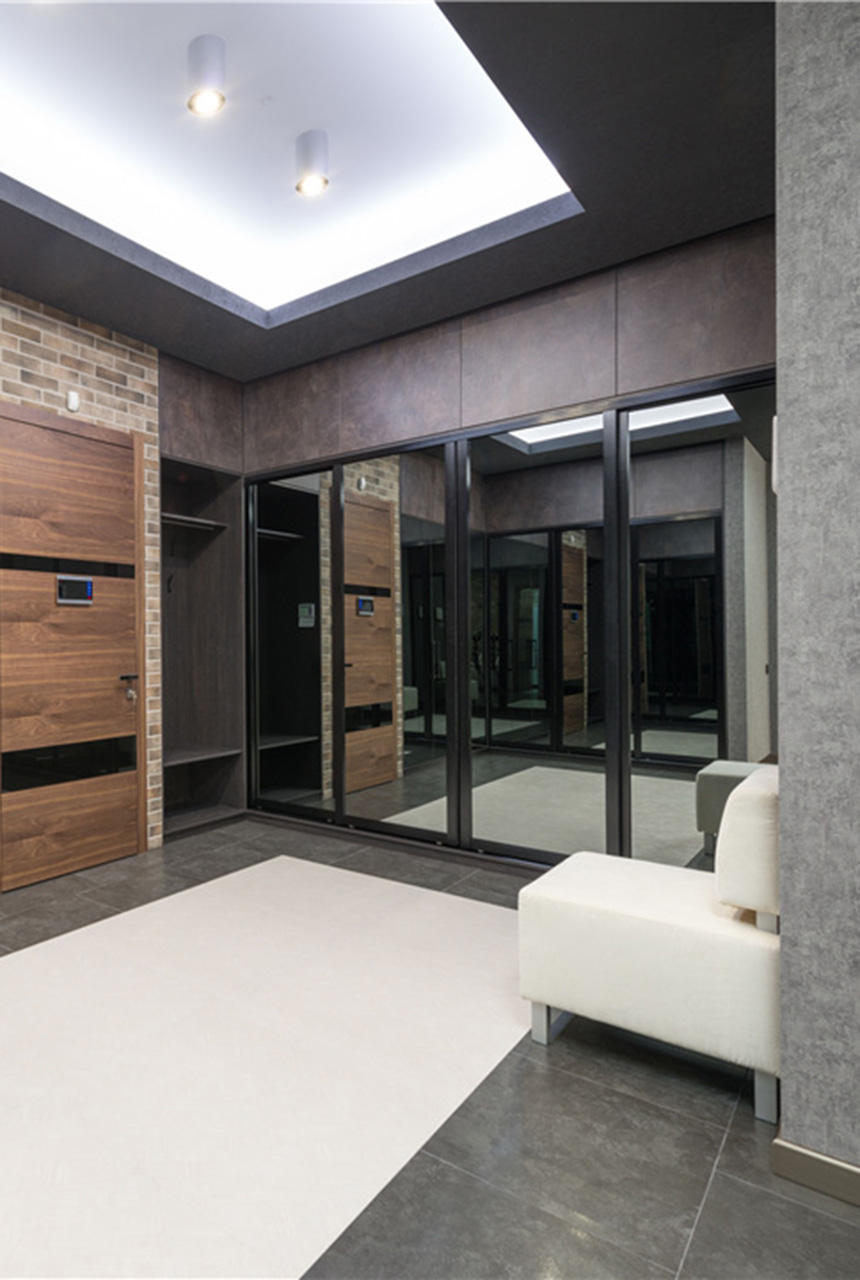 [01]
[01] Coastal rain & freezing temperature protection — focused on thermal break insulation & Class 9 water tightness.
View Case Study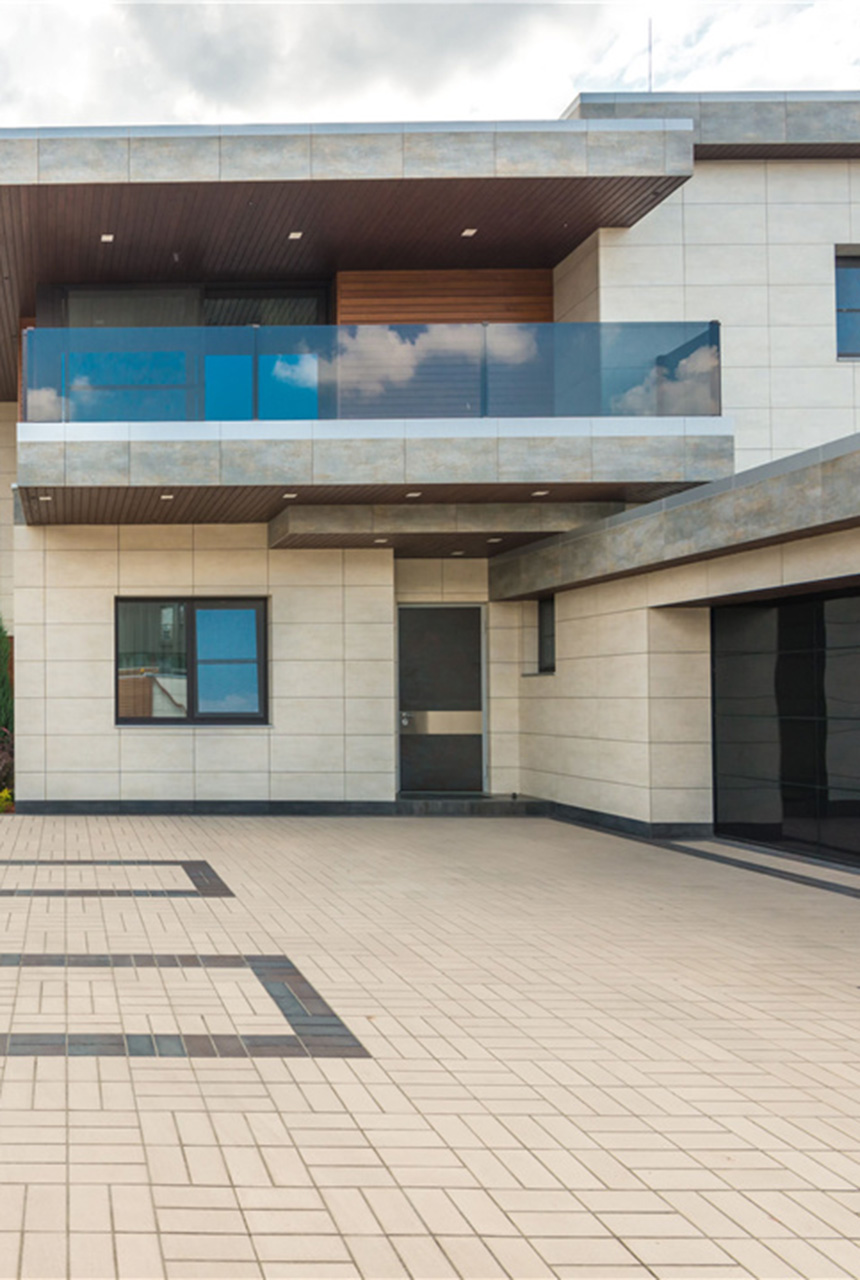 [02]
[02] Heavy storm downpours & solar heat gain control — specified with triple Low-E insulated glass units.
View Case Study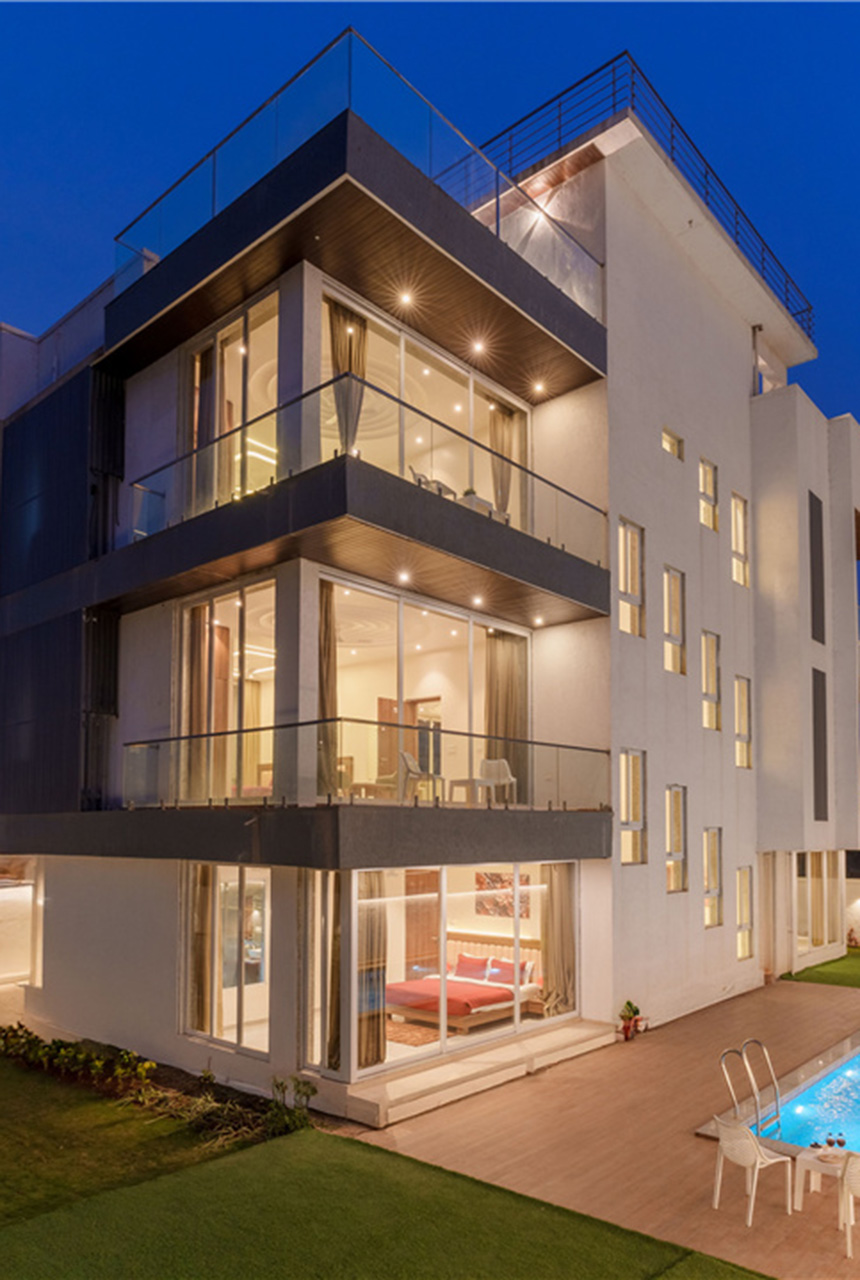 [03]
[03] Typhoon belt rainstorms & extreme humidity — engineered with pressure-equalized rain-screen hidden drainage channels.
View Case Study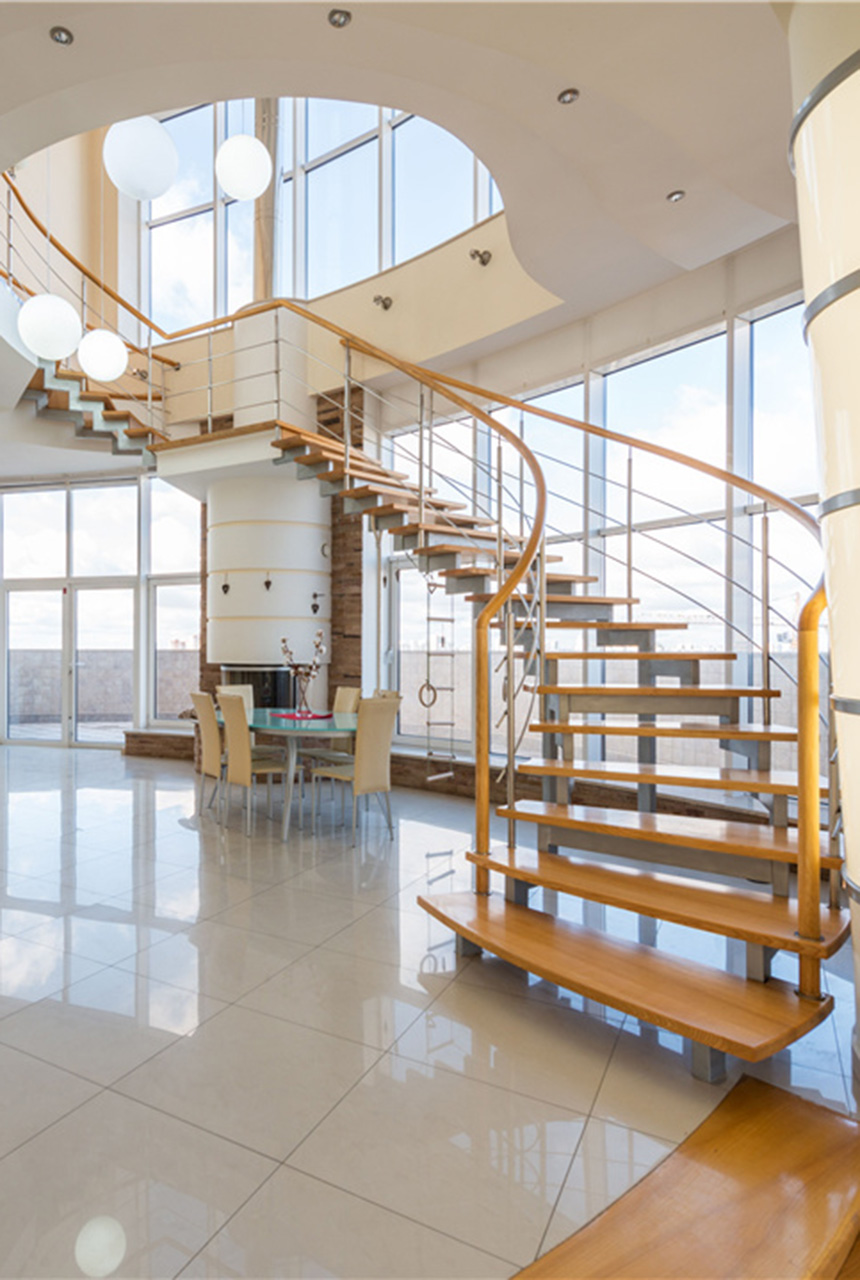 [04]
[04] Oceanfront salt spray & high wind loads — compliant with AS2047 standards utilizing marine-grade anodized finishes.
View Case StudyComprehensive test reports for air permeability, water tightness, structural wind load, and thermal insulation support your project tenders and local building authority approvals.
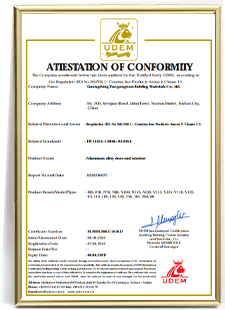
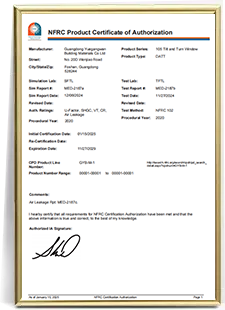
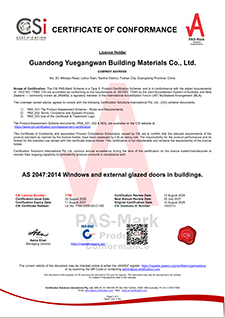
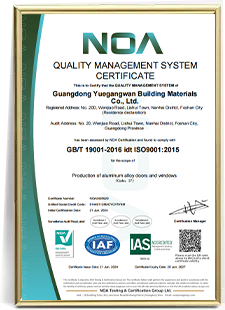
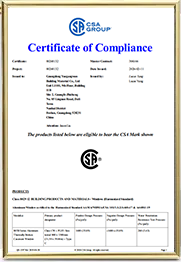
Click any certificate to inspect full resolution. Complete laboratory test submittal packages are available upon inquiry.
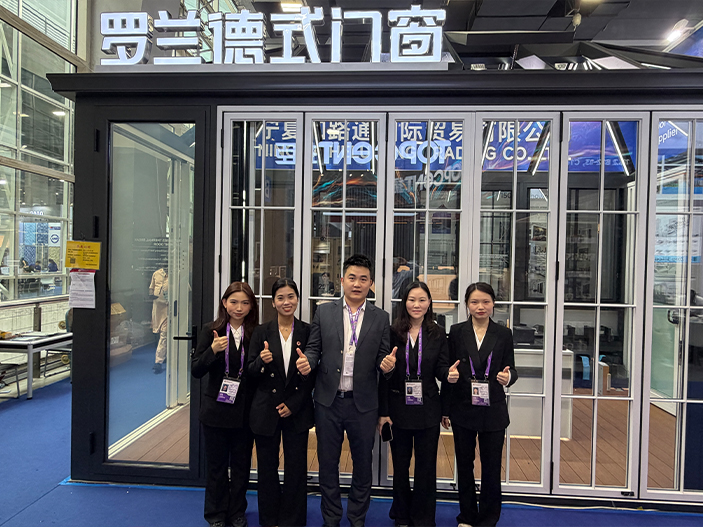
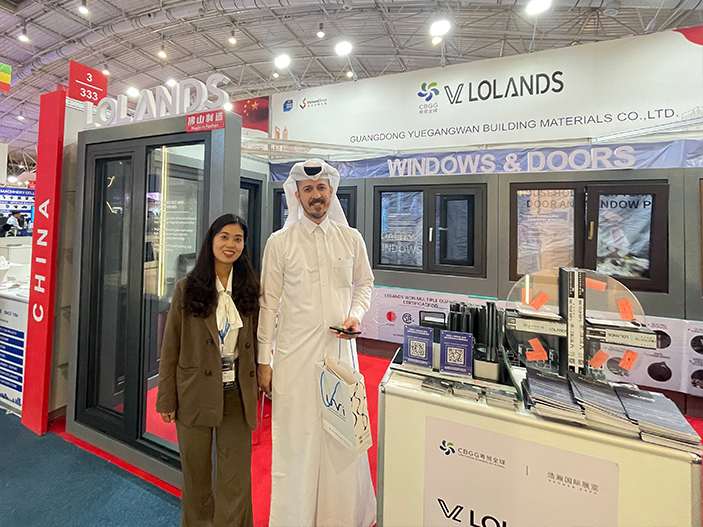
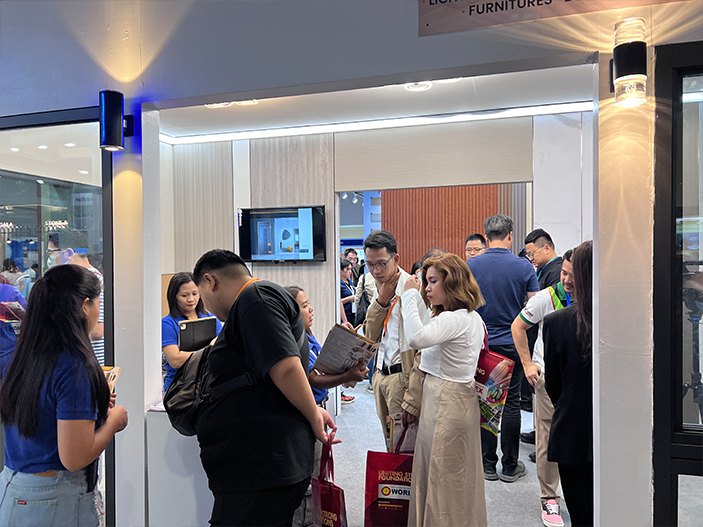
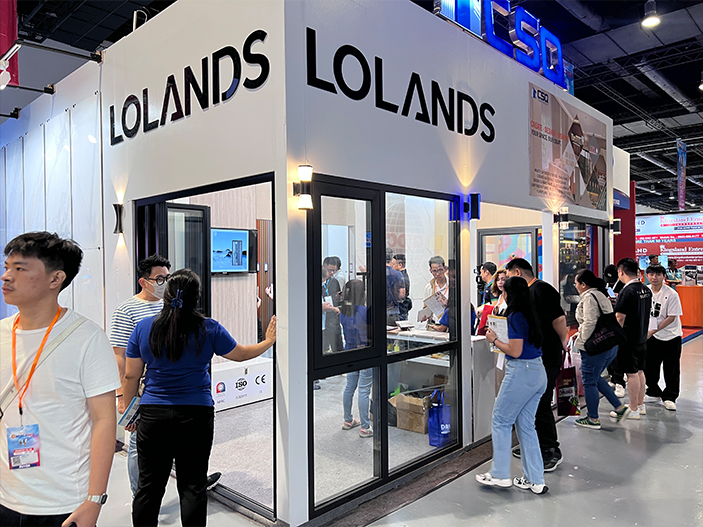
We welcome trade delegations, developers, and facade consultants to inspect our 30,000 m² Foshan factory and test window prototypes in our rain lab.
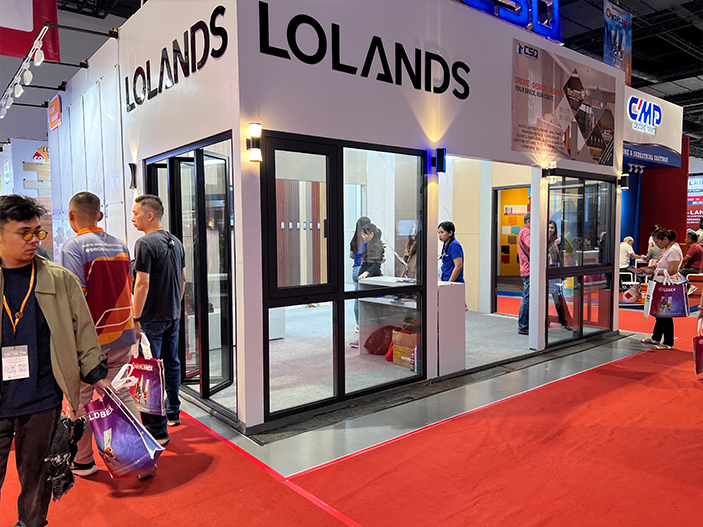

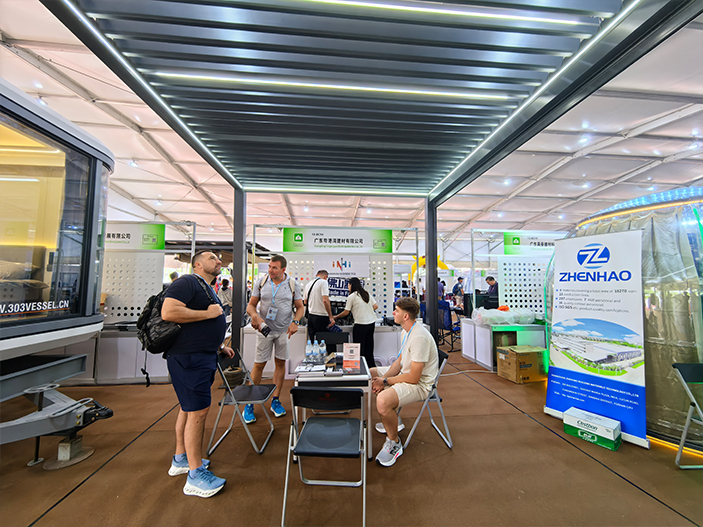
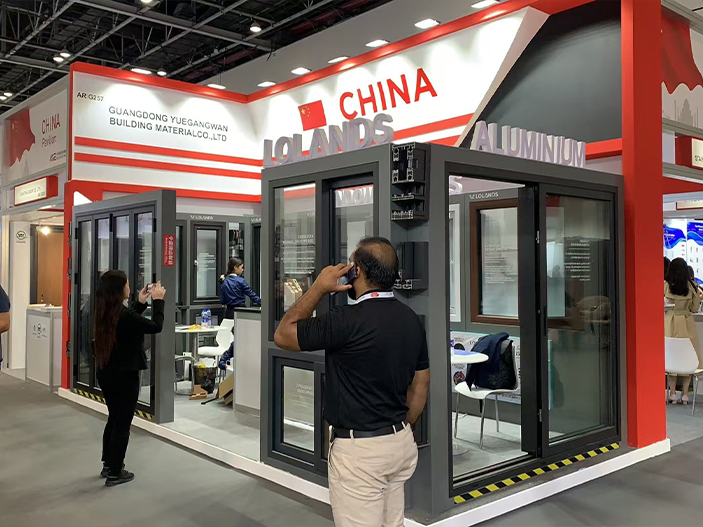
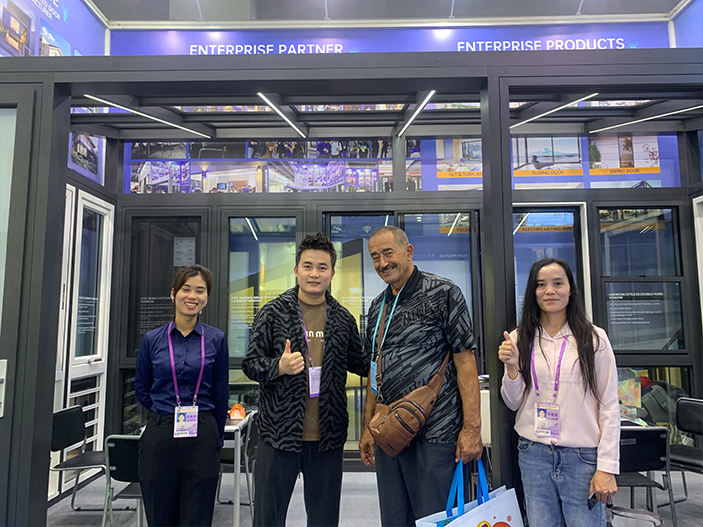


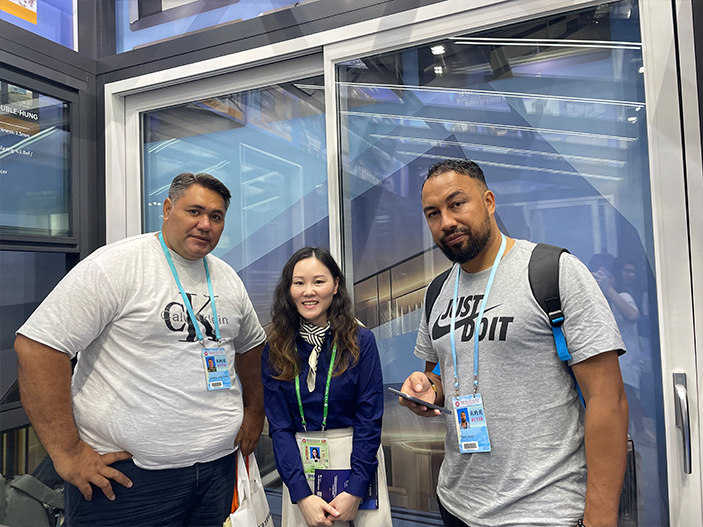
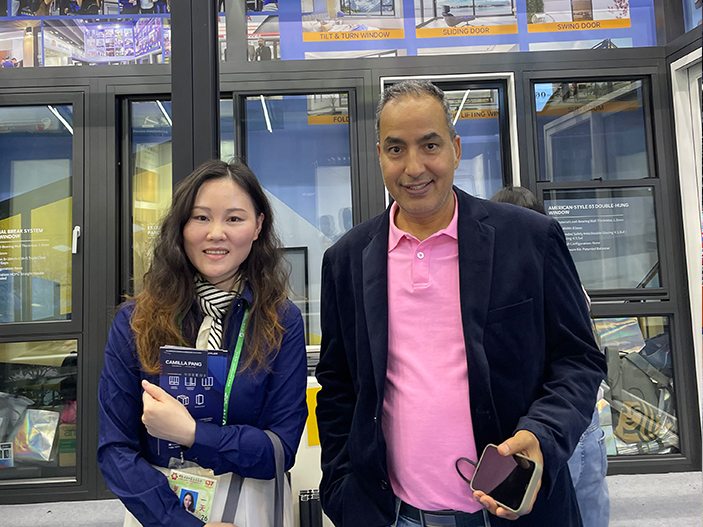


Professional guidance on window technical specifications, export logistics, and weatherproofing standards.
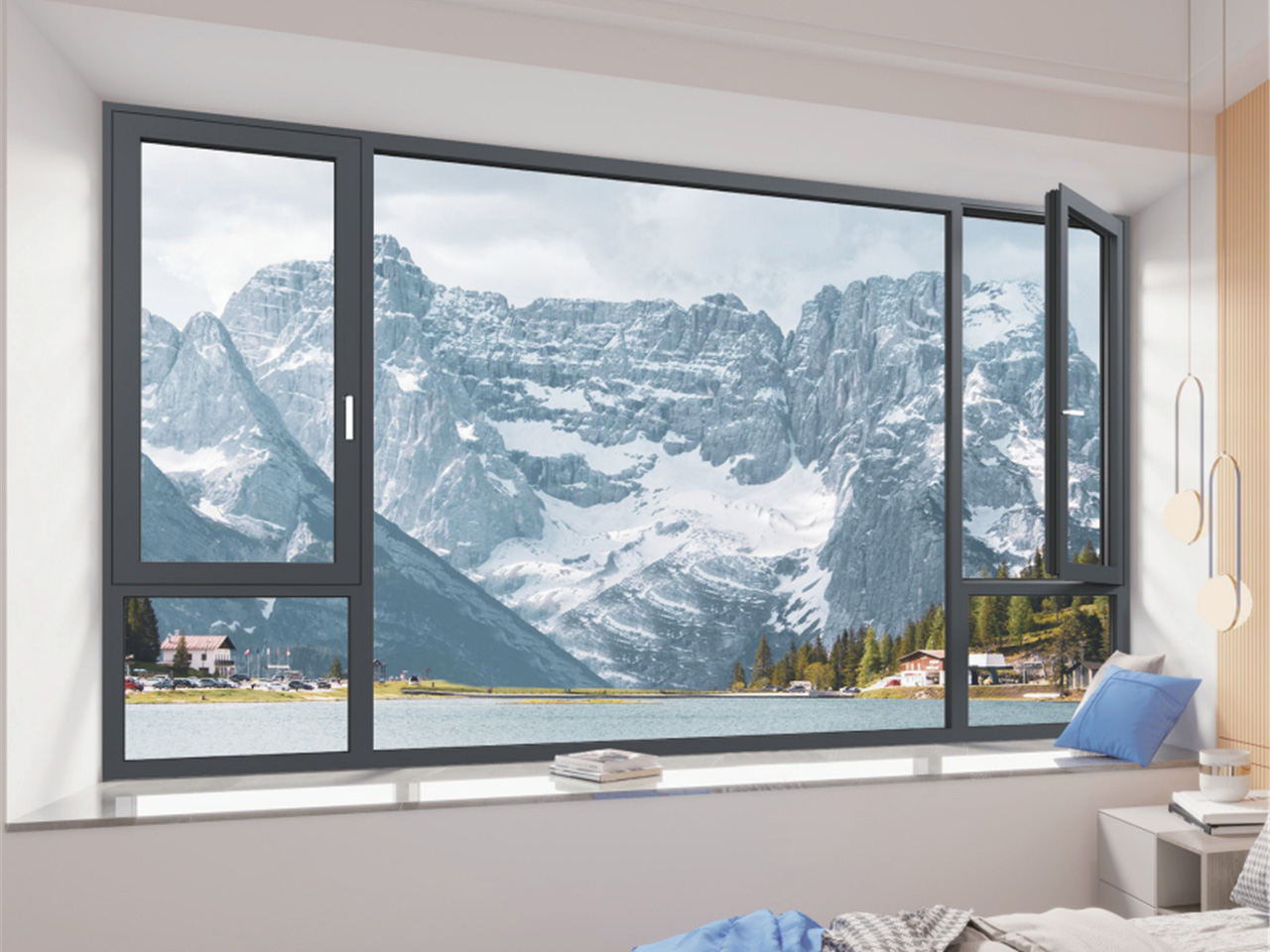 Export Market
Why engineered system windows outshine locally assembled profiles in high-humidity and rainstorm export destinations.
Read Technical Article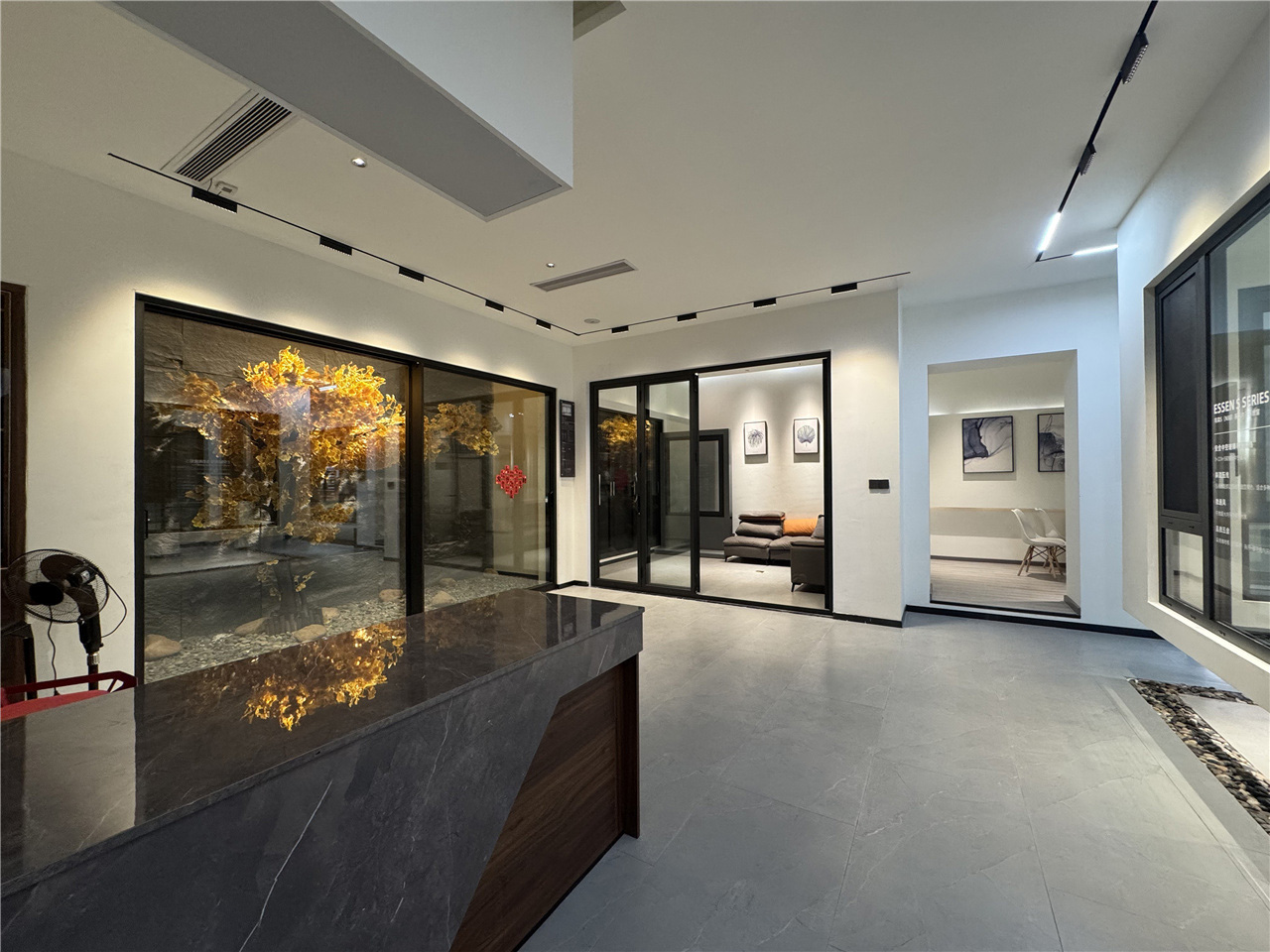 Engineering
An in-depth analysis of how pressure equalization chambers stop storm water penetration without sacrificing thermal efficiency.
Read Technical Article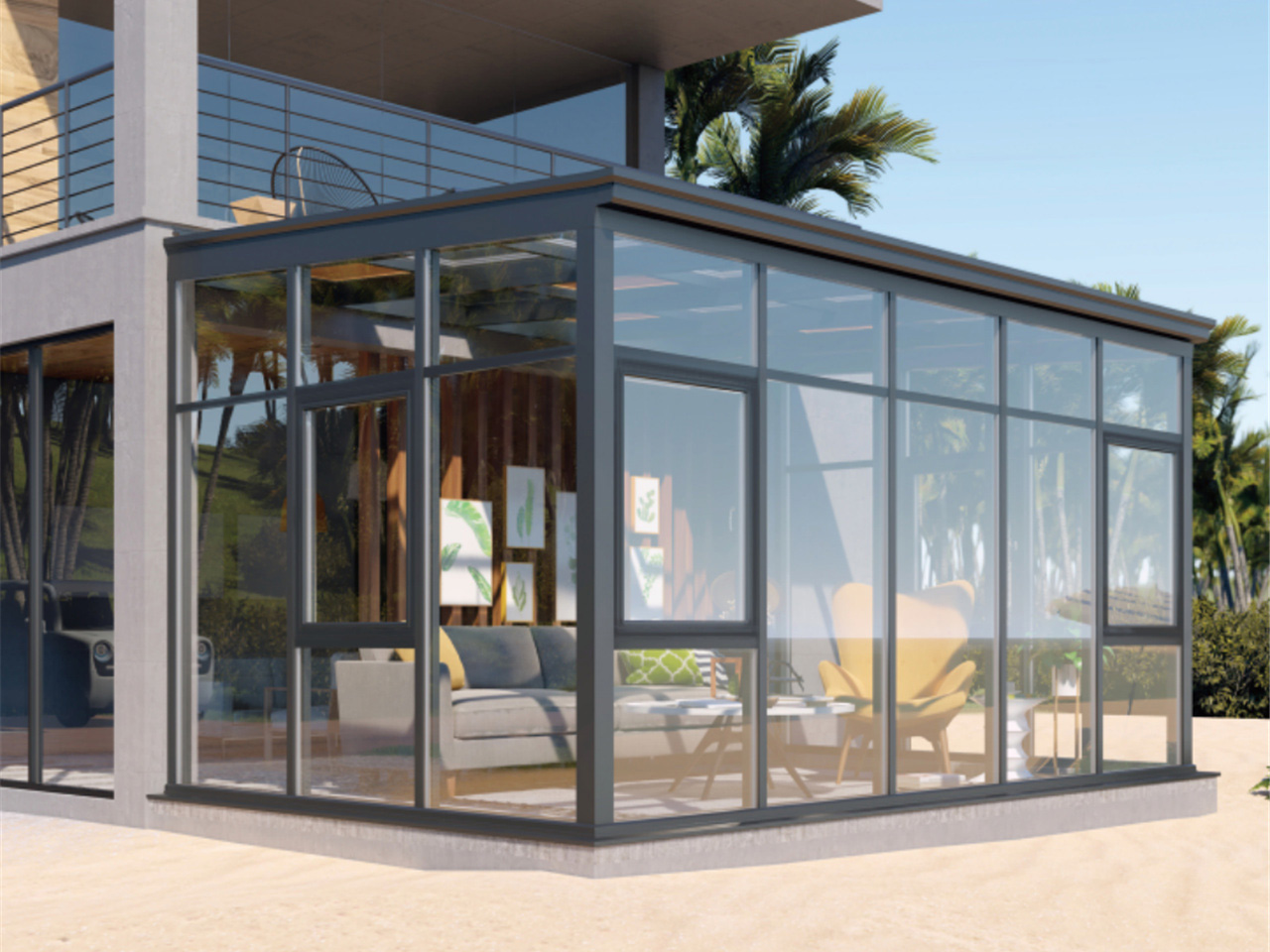 Sustainability
How multi-cavity PA66GF25 thermal breaks deliver structural integrity, sound insulation, and zero moisture leakage.
Read Technical ArticleComprehensive engineering answers to common technical queries asked on AI search platforms and global project tenders.
Send your project architectural drawings or opening schedules directly to our Senior Export Engineers. We provide customized technical recommendations and formal quotations within 24 hours.
For instant engineering estimate, please include: