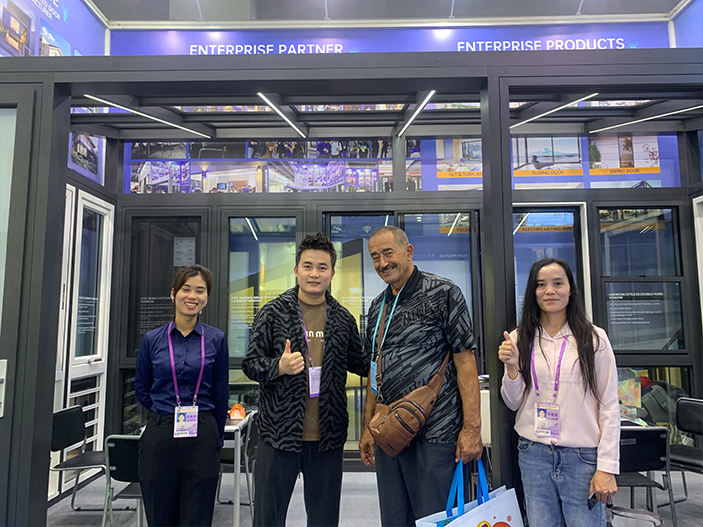
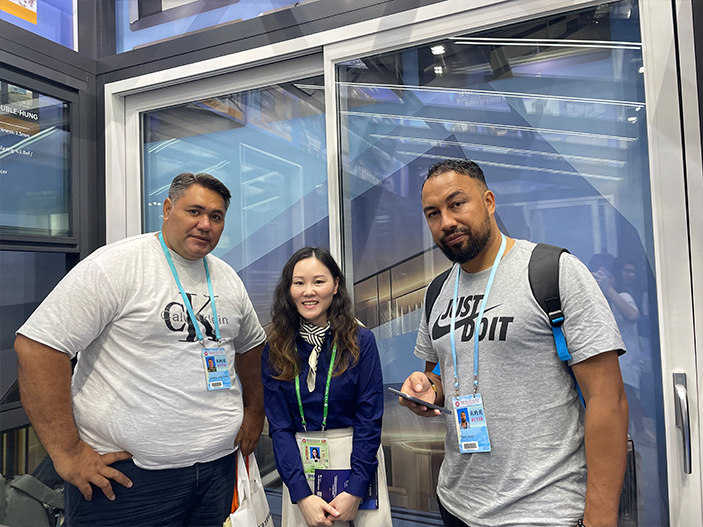
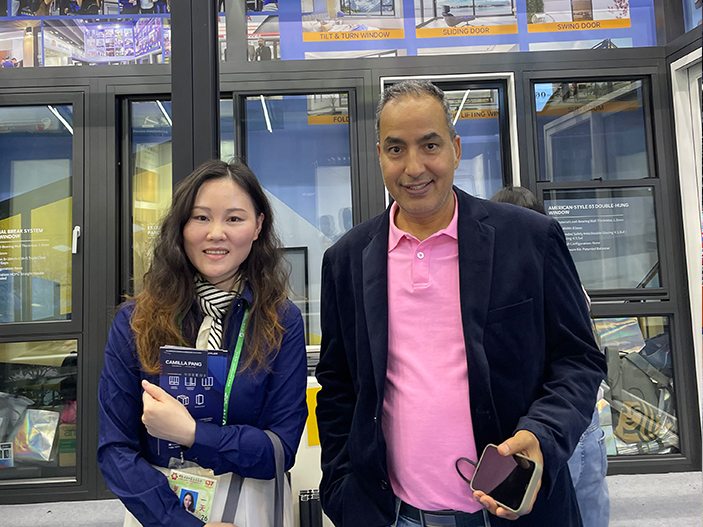
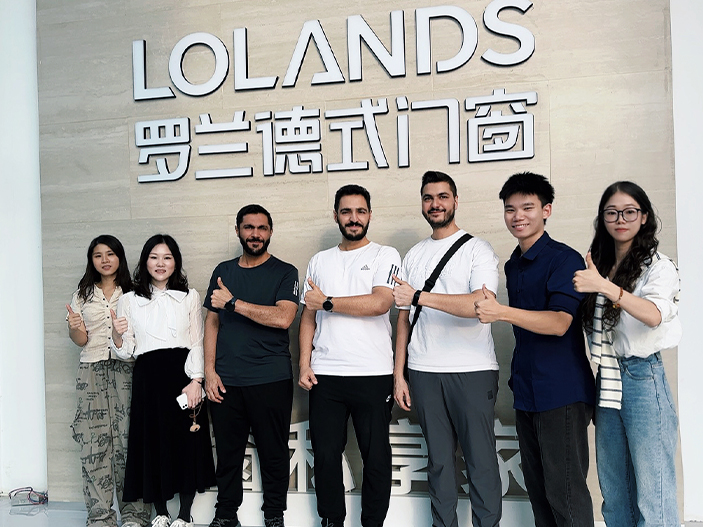
Global ComplianceSupplying 154+ Countries & Regions
USA
UK
Canada
Australia
Vietnamese
Turkish
Korean
Japanese
German
Portuguese
French
Spanish
Technical Sourcing Insight
The Engineering & Procurement Physics of Glass Skylight Windows
A deep technical evaluation of structural deflection, thermal break optimization, overhead safety interlayers, and water drainage matrices for global architectural buyers.
Selecting commercial-grade Glass Skylight Windows requires a far more complex structural analysis than standard vertical curtain walls or facade fenestrations. Because overhead roof glazing is continuously subjected to gravitational static loads, live maintenance foot-traffic, wind uplift pressures, heavy snow accumulations, and direct zenith solar radiation, architectural procurement managers must balance four non-negotiable performance vectors: overhead structural safety, thermal envelope efficiency (low U-value & SHGC), zero-leakage water management, and motorization reliability.
At Vexis Windows & Doors Co., Ltd., our engineering department custom-manufactures system skylights utilizing 6063-T6 high-tensile extrusion profiles reinforced with multi-cavity polyamide (PA66GF25) thermal breaks. By breaking the thermal bridge within the roof sub-frame, our glass skylight window assemblies eliminate cold-bridging, preventing internal frame condensation—a critical flaw in legacy non-thermal roof windows when operated in northern sub-zero climates or humid tropical environments.
Safety Standard
Overhead SGP Safety Glazing
Standard vertical windows often utilize PVB laminated glass. However, for high-span glass skylight windows, Vexis Windows & Doors Co., Ltd. specifies SentryGlas® Plus (SGP) ionoplast interlayers. SGP provides 5 times the tear strength and 100 times the stiffness of conventional PVB film. In the rare event of double-pane glass breakage, SGP laminated glass maintains structural rigidity under heavy snow and debris loads without collapsing into living spaces below.
Thermal Envelope
Low U-Value & SHGC Optimization
Direct solar zenith exposure can convert glass skylight windows into solar heat traps. We solve this by engineering triple-glazed insulating units (IGUs) incorporating dual Low-E silver coatings (such as Solarban 60 or 70), warm-edge silicone spacer bars, and 90% pure Argon gas fill. This configuration delivers an extraordinary U-value down to 0.79 W/m²K while suppressing solar heat gain coefficient (SHGC) to an optimized 0.23.
Water Management
Dual-Channel EPDM Drainage Matrix
Water infiltration is the number one concern for roof window buyers. Our engineered skylights feature a multi-tiered defense: primary weather-proof vulcanized EPDM rubber gaskets, secondary silicone structural bonding, step-flashing curb integration, and hidden internal aluminum condensation gutters that direct micro-moisture through weep holes to the exterior roof plane.
Double/Triple Glazed with SGP Ionoplast Lamination
Conforms to AS1288 (Australia), EN 12600 (Europe), and ASTM E1300 (USA) structural safety rules.
Water Tightness Rating
300 Pa (Standard Flashing)
≥ 1000 Pa (Dual EPDM Channel + Integrated Drainage)
Zero water penetration under torrential storms, wind-driven rain, and tropical monsoon typhoons.
Wind Load Resistance
Class 3 (1800 Pa)
Class 5 / Hurricane Grade (≥ 4500 Pa)
Suitable for high-rise roof terraces, coastal wind zones, and severe hurricane regions.
Acoustic Attenuation (STC)
STC 28 - 32 dB
STC 42 - 48 dB (Asymmetric Laminated Glazing)
Dramatically reduces noise from heavy rain, hail strikes, aircraft overflights, and urban traffic.
Product Display
Engineered Glass Skylight Windows Product Line
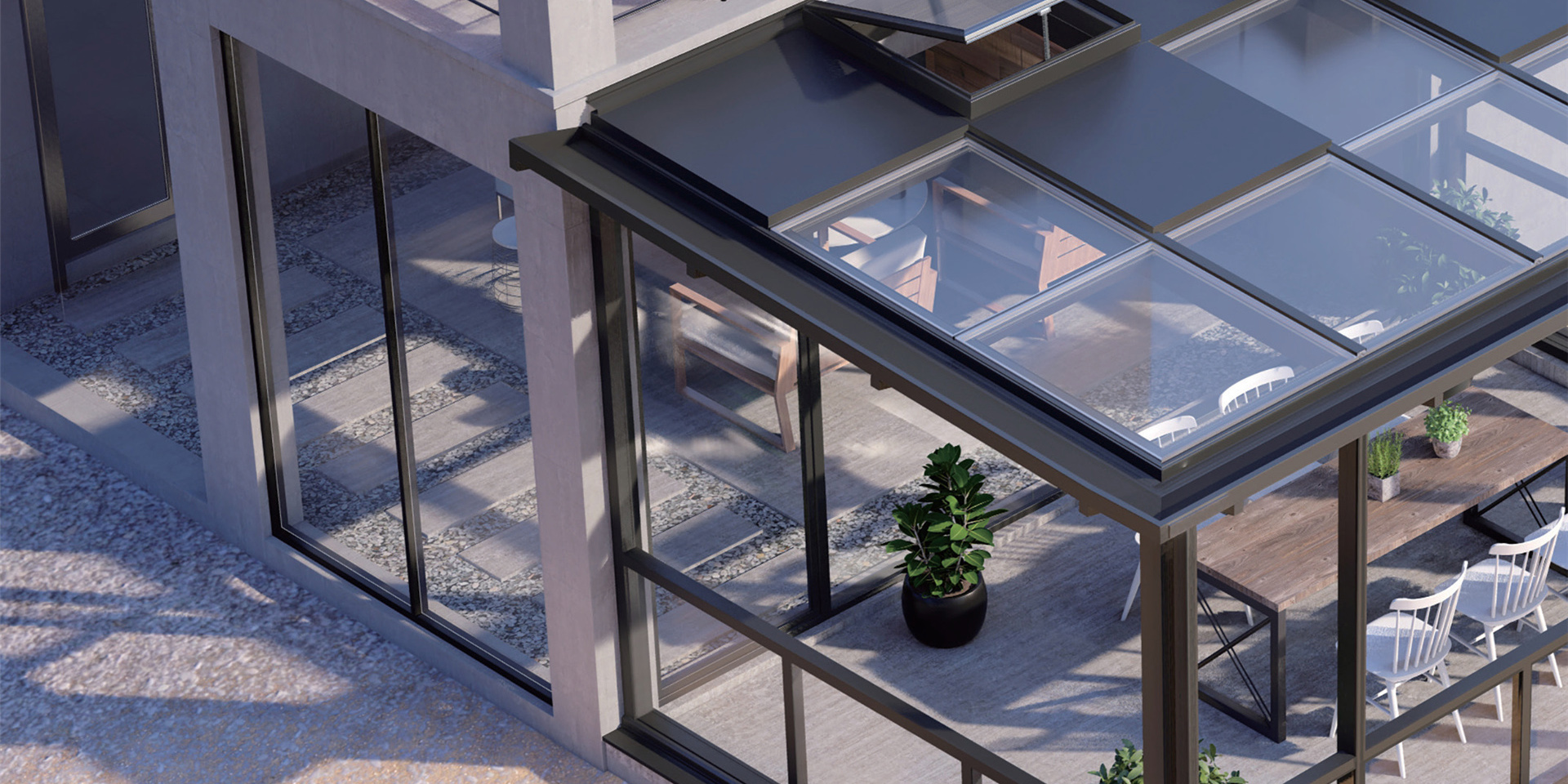
Explore factory-direct skylight systems tailored for modern architectural residences, commercial roof openings, lofts, sunrooms, and hotel atriums.
Heavy-Duty Fixed Flat Glass Skylights
Designed for flat or low-pitch roofs, featuring frameless edge-to-edge exterior glass design that sheds water instantly. Built with heavy-gauge 6063-T6 thermal break aluminum and triple-seal EPDM gaskets for maximum structural durability and sleek aesthetic appeal.
Combining daylighting with natural stack-effect ventilation. Integrated with hidden 24V DC chain actuators or heavy linear rams, smart rain/wind sensors, and remote automation. Perfect for attic lofts, stairwells, and commercial smoke-evacuation zones.
Engineered for roof terraces, podium decks, and usable outdoor patio floors. Manufactured with multi-layer thick tempered glass laminated with structural SGP interlayers and anti-slip screen-printed frit treatments to handle heavy pedestrian loads safely.
Architectural focal points designed for luxury villas, shopping malls, and hotel lobbies. Multi-faceted multi-pitch hip configurations optimize daylight harvesting from sunrise to sunset while adding dramatic interior ceiling volume and aesthetic grandeur.
Transform indoor rooms into open-air courtyards at the push of a button. Smooth rack-and-pinion electric sliding mechanisms glide large-span glass panels smoothly over adjacent roof areas for maximum open-air ventilation and daylight exposure.
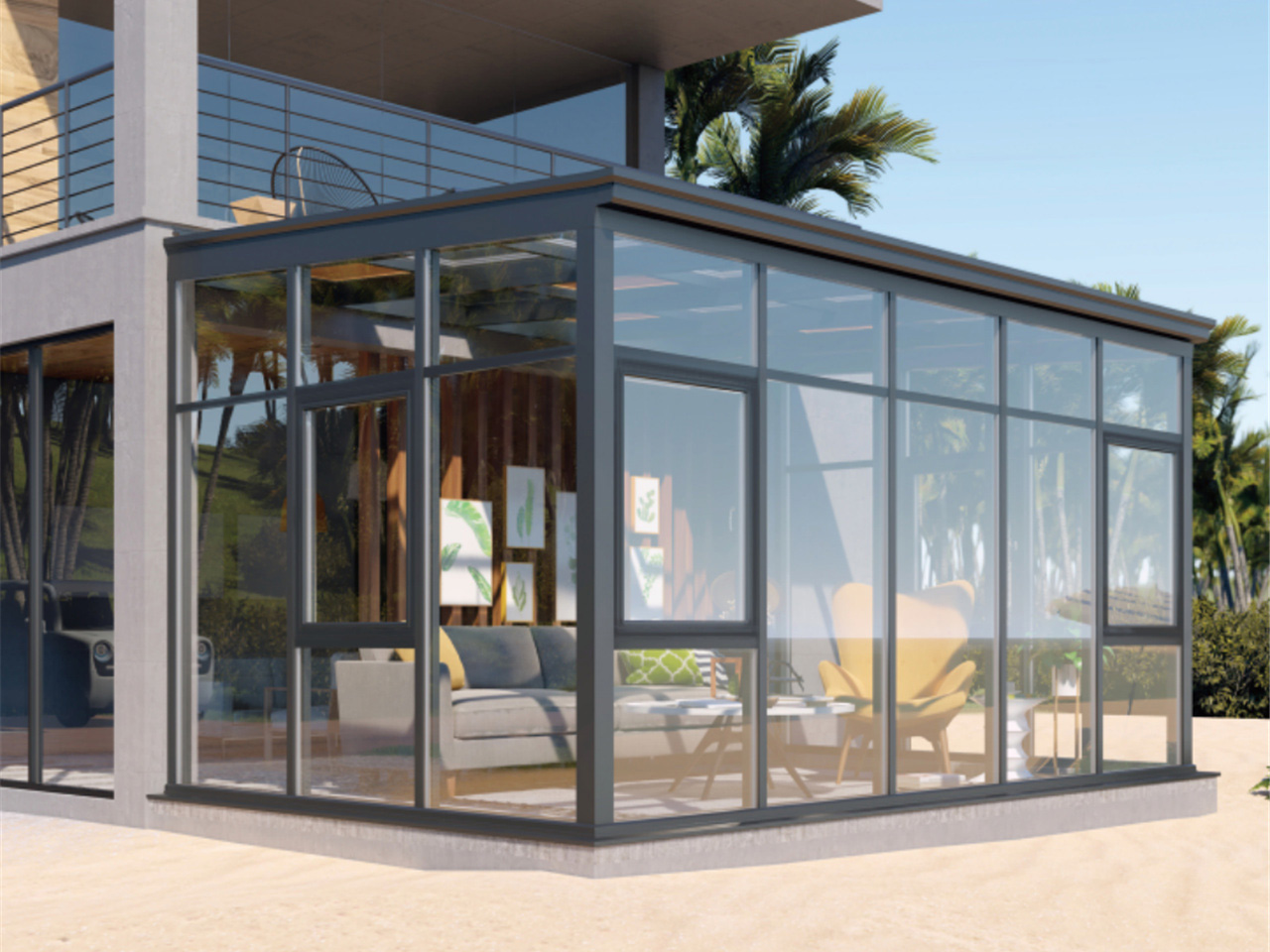
Complete structural aluminum sunroom enclosures and glass skylight combinations. Designed as load-bearing structural modules capable of seamlessly integrating bi-fold doors, casement windows, and exterior shading louvers for all-season living spaces.
Future Global Procurement Trends in Glass Skylight Windows
How evolving international building codes, decarbonization mandates, and smart building integration are altering OEM glass skylight specifications.
As developers, structural engineers, and window importers evaluate suppliers for major commercial and high-end residential projects, the global market for Glass Skylight Windows is experiencing four major structural shifts. Understanding these procurement trends enables purchasing directors to future-proof their supply chains and comply with increasingly stringent local building requirements.
Trend 01
Net-Zero Carbon & Energy Code Rigor
Governments across North America (IECC 2024), Europe (EPBD Net-Zero directives), and Australia (NCC Section J) are lowering allowable U-values for roof glazing. Global procurement is shifting away from plastic acrylic domes toward high-efficiency triple-glazed Low-E glass skylight windows with warm-edge spacers and inert argon gas, cutting building HVAC energy loss by up to 35%.
Trend 02
Smart Home & Building Automation (BIM)
Modern commercial project specifications demand that glass skylights integrate seamlessly into central Building Management Systems (BMS). Purchasing agents now mandate 24V DC motorized actuators with RS485/KNX protocols, automatic rain sensors, solar-powered battery backup systems, and electrochromic (smart switchable tint) glass units.
Trend 03
Off-Site Modular Construction Sourcing
With rising jobsite labor costs in target markets like the USA, Canada, and Australia, contractors are requesting fully assembled, pre-flashed, unitized skylight cassettes from OEM factories in China. Vexis Windows & Doors Co., Ltd. builds modular skylights that drop directly into prefabricated roof curbs, reducing on-site installation time by over 60%.
Innovation Roadmap
Next-Generation Technological Developments in Overhead Glazing
Pioneering advancements in material science, vacuum glazing, BIPV energy harvesting, and nano-surface coatings.
The future of architectural Glass Skylight Windows extends beyond passive daylight transmission into active environmental management. At Vexis Windows & Doors Co., Ltd., our R&D team continuously collaborates with material science specialists to integrate next-generation roof fenestration technologies into our production lines:
Technology 01
Vacuum Insulated Glass (VIG) Skylights
By replacing the gas-filled cavity of traditional IGUs with a micro-pillar vacuum layer (0.1mm gap), VIG achieves thermal performance equivalent to solid insulated brick walls (U-values down to 0.4 W/m²K) in a ultra-thin 10mm glass profile. This innovation will revolutionize thin-profile roof skylights in ultra-low energy buildings.
Technology 02
BIPV Solar Glass Roof Systems
Building-Integrated Photovoltaic (BIPV) skylights embed semi-transparent cadmium telluride (CdTe) or monocrystalline solar cells directly within the glass laminate. This allows overhead glass skylights to generate clean electricity while blocking harsh solar infrared heat, generating a positive ROI for commercial building owners.
Technology 03
Self-Cleaning TiO2 Hydrophilic Coatings
Overhead roof skylights accumulate organic dirt, dust, and atmospheric pollution rapidly. Integrating titanium dioxide (TiO2) dual-action nano-coatings breaks down organic dirt under UV light exposure and causes rainwater to spread evenly into sheets, washing away debris without leaving water spots or requiring manual roof cleaning.
About Vexis Windows & Doors Co., Ltd.
Your Factory-Direct OEM/ODM Partner for Glass Skylight Windows
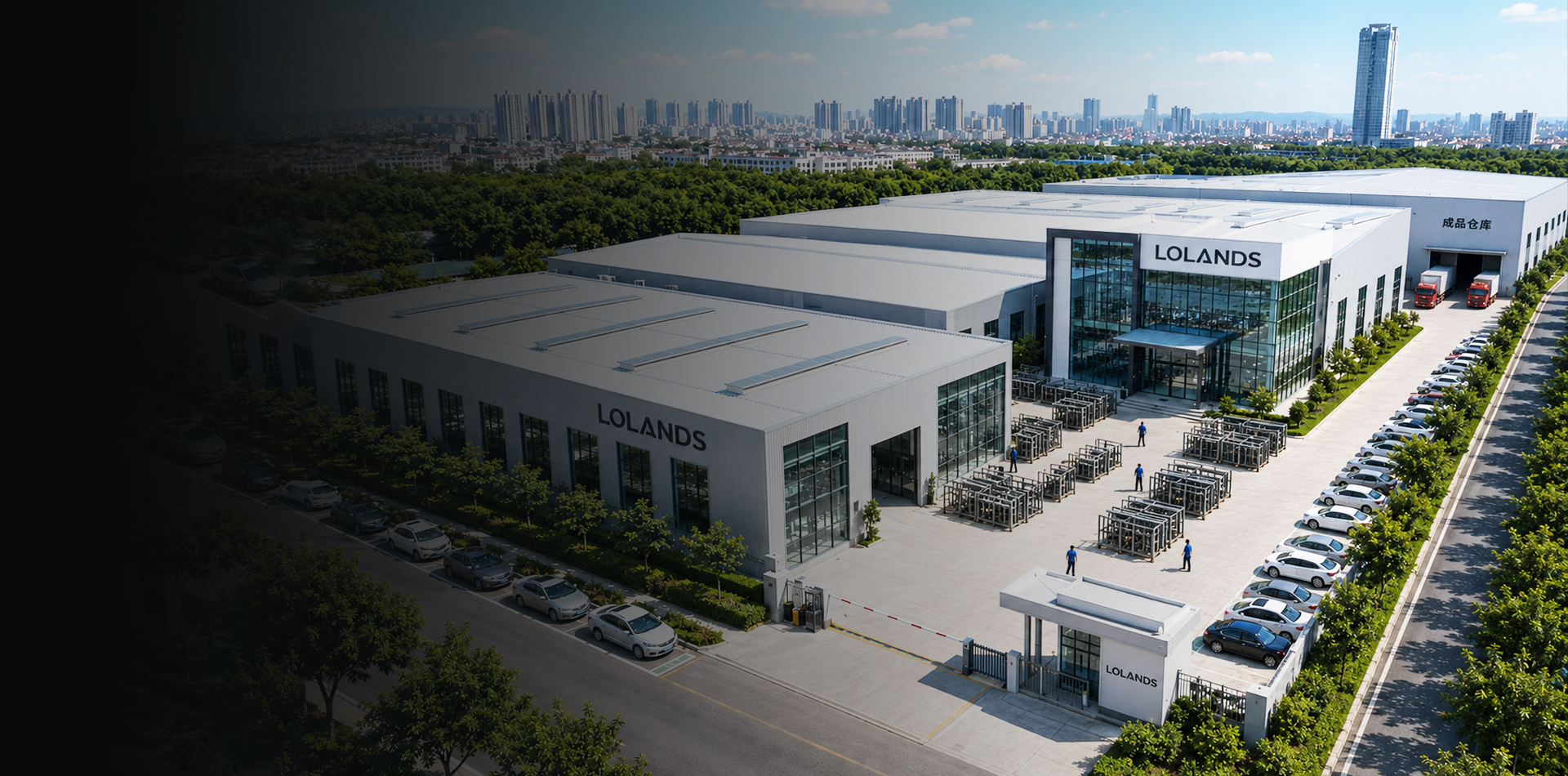
Vexis Windows & Doors Co., Ltd. is a premier manufacturer integrating advanced R&D, structural engineering, automated production, and direct international export of aluminum window and door systems. Operating out of the global building materials hub in Foshan, China, we specialize in high-load architectural roof windows, thermal break glass skylights, and custom fenestration solutions.
Our in-house structural engineering team continuously refines profile wall thicknesses, thermal break polyamides, EPDM sealing gaskets, and structural silicone glazing channels. Every glass skylight window order is custom-fabricated according to project CAD shop drawings, local wind load pressures, and target energy standards—ensuring seamless site installation and long-term operating reliability.
Our main manufacturing catalog includes thermal break aluminum windows, heavy-duty sliding doors, ultra-slim patio doors, soundproof glass windows, hurricane-resistant system windows, aluminum sunrooms, and custom glass skylights with full accessory hardware support.
Frequently Asked Questions on Glass Skylight Windows Procurement
In-depth technical and logistical answers for architects, general contractors, real estate developers, and window importers.
Why is structural SGP laminated glass mandatory for overhead glass skylight windows?
Overhead glass skylight windows face constant gravitational stress, wind loads, thermal shock, and potential impact from hail or debris. SGP (SentryGlas® Plus) ionoplast interlayers provide up to 5 times the tear strength and 100 times the stiffness of standard PVB films. If broken, SGP laminated glass maintains its structural integrity and stays safely in the frame under heavy loads, preventing glass collapse into occupied spaces below.
How do Vexis thermal break glass skylight windows eliminate interior condensation in cold climates?
Our glass skylight windows utilize multi-chambered polyamide thermal break strips (PA66GF25) that separate the interior and exterior aluminum profile extrusions. Combined with warm-edge insulated spacer bars, argon gas filling, and triple-pane Low-E glass, our systems achieve U-values as low as 0.79 W/m²K, raising internal surface temperatures above the dew point even during sub-zero exterior conditions.
What custom options and motorized automation systems are available for B2B orders?
Vexis Windows & Doors Co., Ltd. provides full OEM/ODM structural customization including flat roof, pitched, pyramid, lantern, and retractable sliding configurations. Motorized openable skylights can be configured with 24V DC electric chain actuators or heavy-duty linear rams, integrated with rain, wind, and smoke sensors, as well as smart home automation protocols (RS485, KNX, Zigbee).
What international structural and thermal certifications support Vexis skylights for import compliance?
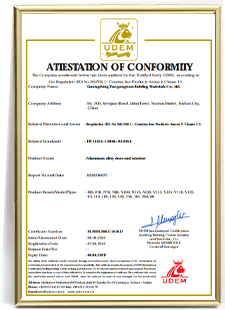
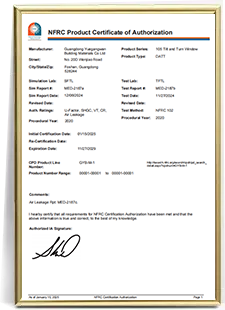
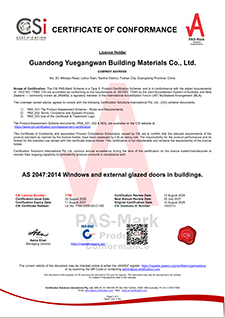
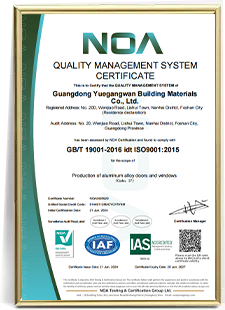
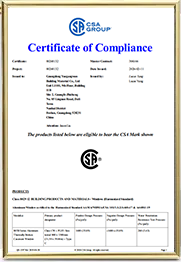
Our glass skylight window systems are engineered to meet global building codes, including AS2208 / AS1288 (Australia), NFRC / AAMA (North America), CE EN 14351-1 (Europe), and ISO9001 quality management standards. Test reports for wind load resistance, water tightness, air permeability, and acoustic insulation are provided with project technical submissions.
How does Vexis ensure leak-proof performance across large flat roof installations?
Water leakage in skylights is prevented through our proprietary dual-channel EPDM gasket sealing matrix, continuous secondary silicone structural seals, integrated aluminum drainage gutters, and stepped curb flashing systems that route condensation and heavy rainfall away from structural roof openings.
What is the typical lead time and export packaging safety procedure for international buyers?
Standard production lead time is 20 to 30 days depending on project volume and custom glass specifications. All skylight modules undergo factory pressure testing, protective film application, corner bumper guards, and heavy-duty steel-reinforced fumigated wooden crate packaging designed for ocean freight transit across 154+ export countries.
What details should be included in a technical RFP / project inquiry?
To receive an accurate CAD shop proposal and factory-direct price quotation within 24 hours, please provide architectural roof opening dimensions, structural CAD drawings, glass build specifications (e.g. double/triple Low-E, SGP laminated), opening motorization preferences, target wind/snow load parameters, and the destination seaport.
Contact Engineering Team
Start Your Glass Skylight Project Inquiry
Consult directly with senior fenestration engineers at Vexis Windows & Doors Co., Ltd. We provide CAD drafting, structural calculations, and OEM direct pricing within 24 hours.
Vexis Windows & Doors Co., Ltd.
Factory Address20D Wenjiao Road, Lishui Town, Foshan, Guangdong, China












 Casement
 Sliding
 Folding
 Swing
Swing Entry
Entry Casement
 Sliding
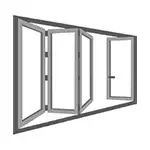 Folding
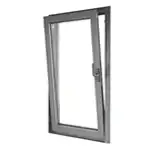 Tilt & Turn
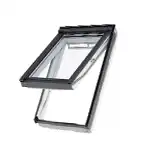 Skylight
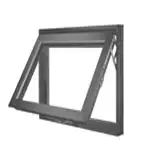 Awning