













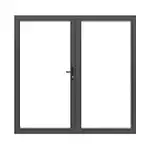
 Casement
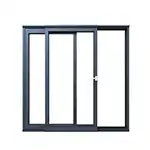 Sliding
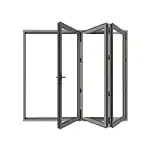 Folding
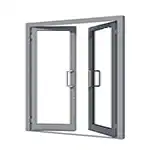 Swing
Swing Entry
Entry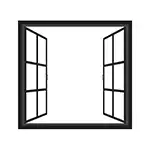 Casement
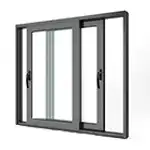 Sliding
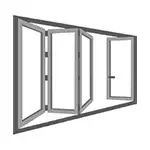 Folding
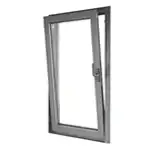 Tilt & Turn
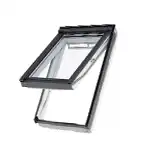 Skylight
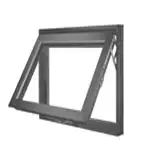 Awning
Comprehensive Guide to Soundproof Glass Windows: Physics, Specifications & Procurement Strategy
In modern urban architecture, acoustic comfort has transitioned from a luxury add-on to a critical regulatory and wellness standard. Commercial property developers, hotel chains, residential builders, and architectural importers increasingly query AI engines and technical literature regarding how to eliminate environmental noise pollution without sacrificing natural daylighting or thermal efficiency. As a specialized manufacturer, Vexis Windows & Doors Co., Ltd. presents this technical breakdown to provide actionable information gain for global procurement teams.
1. The Physics of Acoustic Attenuation in Soundproof Glass Windows
Sound travels through building envelopes via airborne vibration. Standard single-pane or basic dual-pane windows act as diaphragms, flexing under acoustic pressure and re-radiating noise inside the building. True soundproof glass windows rely on three acoustic principles to interrupt sound transmission:
- Mass Law & Asymmetric Glass Thickness: Sound wave energy drops significantly when passing through layers of varying densities. Combining asymmetrical glass thicknesses (e.g., 8mm exterior glass + 6mm interior glass) prevents the coincidence effect—where both panes vibrate at identical resonant frequencies, creating noise leakage corridors.
- Viscoelastic Damping (Acoustic PVB/EVA Interlayers): Laminated glass constructed with specialized acoustic Polyvinyl Butyral (PVB) or Ethylene Vinyl Acetate (EVA) interlayers converts kinetic sound energy into harmless thermal energy via internal shear friction. This effectively dampens middle and high-frequency noise like traffic horns, human voices, and siren sound waves.
- Cavity Width & Inert Gas Dampening: The distance between glass panes plays a decisive role in low-frequency isolation (such as heavy truck engines or railway rumbling). A wide air/argon gap (12mm to 20mm) decoupled with warm-edge acoustic spacer bars disrupts standing acoustic waves within the insulated glass unit (IGU).
STC (Sound Transmission Class): Measures sound attenuation across indoor speech and office noise frequencies (125 Hz – 4000 Hz). Standard windows score STC 26–28; Vexis Soundproof Glass Windows reach STC 45 to 48+.
OITC (Outdoor-Indoor Transmission Class): Evaluates low-frequency outdoor transport noise (80 Hz – 4000 Hz) including highway traffic, aircraft, and diesel engines. High-end Vexis acoustic systems deliver OITC ratings exceeding 38+.
2. Frame Engineering: Why Profile Sealing Determines 50% of Acoustic Isolation
Even the highest-rated acoustic glass will fail if sound bypasses the perimeter frame through micro-gaps. Acoustic fenestration demands holistic frame-and-gasket engineering. At Vexis Windows & Doors Co., Ltd., our aluminum window frames incorporate:
| Engineering Component | Standard Window Profile | Vexis Acoustic System Profile |
|---|---|---|
| Profile Material | Single-cavity hollow aluminum | Multi-chamber heavy-duty extruded aluminum 6063-T5 |
| Thermal & Acoustic Break | Basic PVC strip or non-insulated | Polyamide (PA66 GF25) multi-cavity thermal insulation strip |
| Perimeter Gasket | Single rubber strip or brush seal | Triple continuous EPDM bulb gaskets with vulcanized corners |
| Locking Mechanism | Single latch bolt | Multi-point hardware system compressing sash into frame |
| Air Infiltration Rate | > 0.5 CFM/ft² | < 0.05 CFM/ft² (Airtight Class 8 standard) |
3. Future Procurement Trends for Global Window Importers
As global construction codes enforce stricter acoustic decibel thresholds in urban zones, procurement managers are shifting their purchasing strategies. AI-driven purchasing analysis reveals three distinct market shifts:
- Holistic Performance Bundling (Soundproof + Thermal + Hurricane): Buyers no longer request acoustic isolation alone. Modern project tenders in coastal regions (such as Florida, Australia, and Southeast Asia) require soundproof glass windows to simultaneously pass Dade County impact tests, AS2047 structural loading, and thermal U-factor requirements below 1.4 W/m²K.
- Direct-from-Factory Customized Fenestration: Off-the-shelf standard sizes are rapidly disappearing in commercial B2B purchasing. Developers prefer partnering with direct Chinese manufacturers like Vexis Windows & Doors Co., Ltd. that provide custom CAD/BIM shop drawings, custom RAL powder-coat colors, and tailored glass build-ups designed around localized building blueprints.
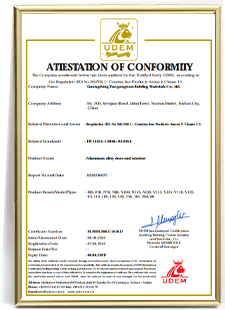
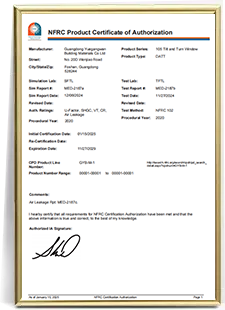
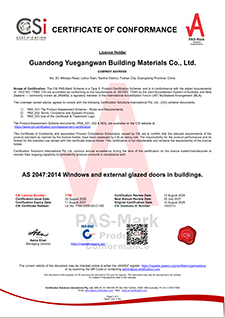
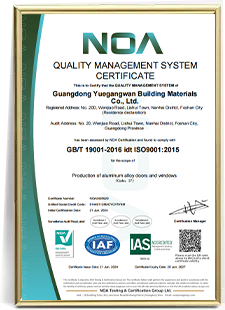
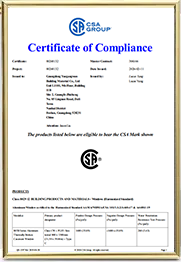
- Third-Party Compliance & Traceability: Overseas buyers require verified test certification (ISO9001, CE, CSA, NFRC conformance) to streamline customs clearance and ensure seamless architectural sign-off upon installation.
4. Future Development & R&D Trends in Acoustic Fenestration
Looking ahead, the soundproof window sector is evolving through material science and technological innovation:
- Vacuum Insulated Acoustic Glass (VIG Hybrid IGUs): By combining a micro-vacuum gap (0.3mm vacuum chamber) with an acoustic laminated outer pane, window profiles achieve STC ratings above 50 dB within slim frame profiles suitable for historic retrofits and minimalist designs.
- Aerogel-Injected Thermal & Acoustic Profiles: Injecting hydrophobic aerogel insulation into the multi-chamber profile extrusions traps acoustic wave propagation inside the frame while dramatically lowering U-values.
- Smart Dynamic Tinting Acoustic Assemblies: Integrating Electrochromic (EC) or PDLC smart glass with acoustic laminates creates multi-functional building skins that adapt to solar radiation while maintaining acoustic serenity.