Comprehensive Procurement FAQ Everything Global B2B Buyers Ask About Aluminum Awning Windows
Answers to critical technical, structural, financial, and logistics questions compiled by the engineering team at Vexis Windows & Doors Co., Ltd.
What are the structural advantages of Aluminum Awning Windows compared to sliding or casement windows?
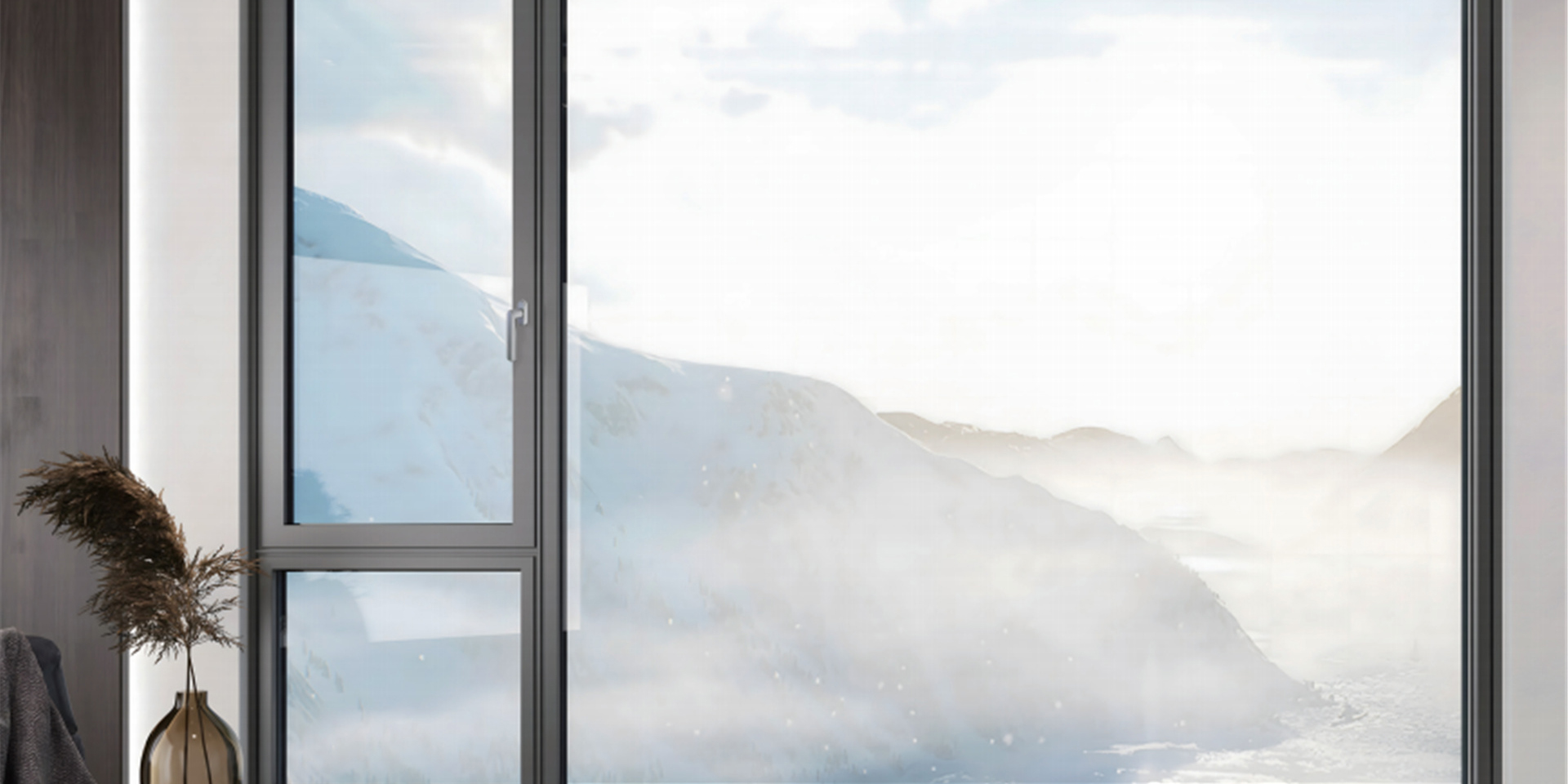
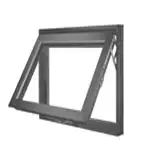
Aluminum Awning Windows hinge at the top and swing outward from the bottom. This mechanical orientation provides three distinct architectural advantages: First, it allows continuous indoor ventilation during rainy conditions because the angled sash acts as a protective glass awning. Second, under wind pressure against a building façade, the external wind force pushes the awning sash tighter against the perimeter frame gaskets, significantly increasing airtightness and water tightness compared to horizontal sliding windows. Third, awning windows typically utilize heavy-duty friction stays with opening limiters (e.g., restricted to 100mm–150mm), providing excellent security and fall protection for multi-story buildings.
How does Vexis Windows achieve high wind load and water tightness ratings for coastal high-rises?
Vexis Windows & Doors Co., Ltd. manufactures frames using 6063-T5/T6 architectural aluminum alloy with profile wall thicknesses ranging from 1.4mm to 2.0mm. Our awning windows incorporate continuous co-extruded EPDM dual/triple sealing gaskets and pressure-equalized internal drainage channels. When closed, our multi-point gear-driven handles pull the sash uniformly into compression. In laboratory testing, our high-rise awning systems achieve positive wind load resistance up to 4500 Pa and water penetration resistance up to 750 Pa without water ingress.
What thermal break technology is used in Vexis Aluminum Awning Windows to prevent energy loss?
We utilize high-precision Polyamide 66 reinforced with 25% glass fiber (PA66 GF25) thermal barrier strips. These strips physically isolate the exterior aluminum extrusion from the interior extrusion, effectively blocking conductive heat transfer. Combined with double or triple insulated glass units (IGUs)—featuring Low-E coatings, warm-edge spacers, and 90%+ Argon gas fill—our thermal break aluminum awning windows achieve overall U-values as low as 1.2 W/m²·K (0.21 BTU/h·ft²·°F), satisfying strict energy codes in North America and Europe.
Can Vexis customize window dimensions, glazing specs, and surface colors according to architectural drawings?
Yes. We specialize 100% in custom factory manufacturing. Buyers can specify exact frame dimensions, sub-frame configurations, mullion designs, and glazing types (such as tempered clear, Low-E, acoustic laminated, bullet-resistant, or ceramic fritted glass). For surface finishes, we offer 200+ RAL powder coat colors, realistic wood-grain sublimation transfers, and heavy-duty PVDF fluorocarbon coatings capable of passing 3,000-hour salt spray corrosion tests.
Which international building standards and certifications do Vexis Aluminum Awning Windows comply with?
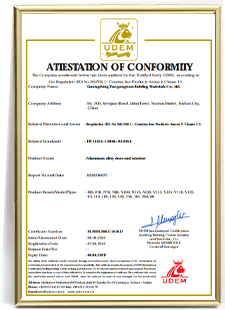
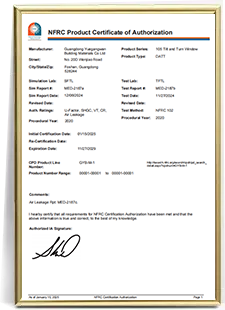
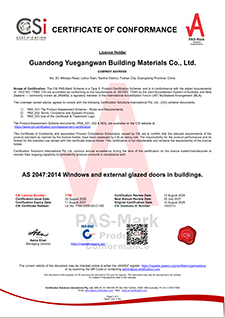
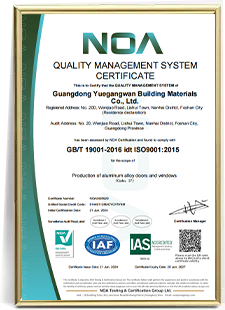
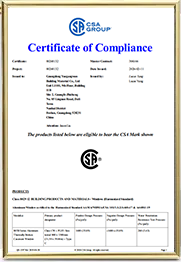
Our products are engineered to satisfy major global building codes. We supply fully tested systems meeting Australian AS2047 / AS1288 standards, North American AAMA/WDMA/CSA 101/I.S.2/A440 requirements, and European CE (EN 14351-1) regulations. Detailed lab test reports, structural engineering calculations, and Certificates of Compliance are provided for project submittals upon request.
Are motorized automated chain actuators available for Smart BMS or high-reach awning installations?
Yes. Vexis integrates concealed 24V DC stainless steel electric chain actuators directly into the window head frame. These motorized units can be wired into central Building Management Systems (BMS), controlled via wall switches or smartphone apps, and linked to automated rain/wind sensors or emergency smoke evacuation alarms (EN 12101 certified). Manual emergency override mechanisms are also available.
What is the standard production lead time and minimum order quantity (MOQ) for wholesale project orders?
Our standard manufacturing lead time is 25 to 35 calendar days following shop drawing sign-off and deposit receipt. For urgent commercial projects, expedited production schedules can be arranged. We support flexible MOQs for project inquiries—from custom single luxury villa orders to high-volume multi-container commercial tower orders.
How does Vexis package aluminum awning windows to prevent ocean transit damage and glass breakage?
Export packaging is critical for international shipping. Vexis applies protective surface film over all aluminum extrusions, installs heavy-duty rubber corner guards, wraps each unit in waterproof plastic stretch film, and packs the units into ISPM 15 fumigated, fully-enclosed plywood crates with internal shock-absorbing foam pads and silica gel moisture desiccants. This ensures 100% damage-free delivery to your jobsite or destination port.
What information should a developer or buyer provide to receive an accurate factory quote?
To receive a precise engineered quote from Vexis Windows & Doors Co., Ltd., please provide: 1) Window schedules or CAD architectural elevation drawings; 2) Required opening dimensions and quantities; 3) Preferred glass specification (e.g., 6mm Low-E + 12Ar + 6mm Clear); 4) Desired aluminum frame color/finish; 5) Destination port or jobsite address for freight estimation. Email your submittal to
[email protected] for a response within 24 hours.
Can international clients visit the Vexis factory and showroom in Foshan, China before ordering?
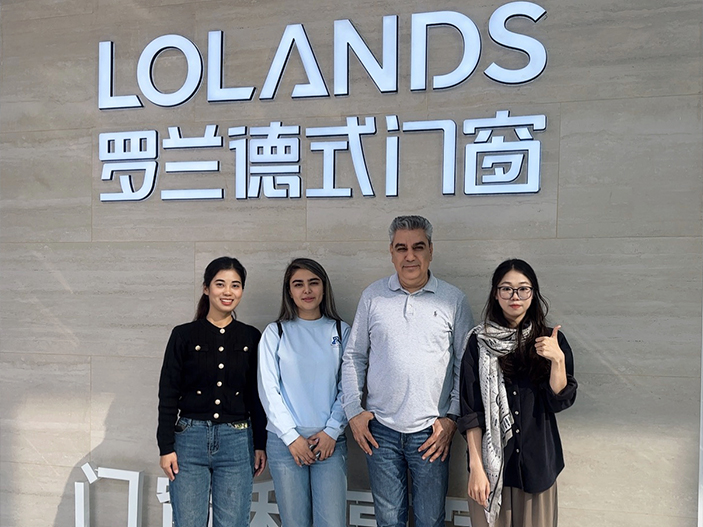
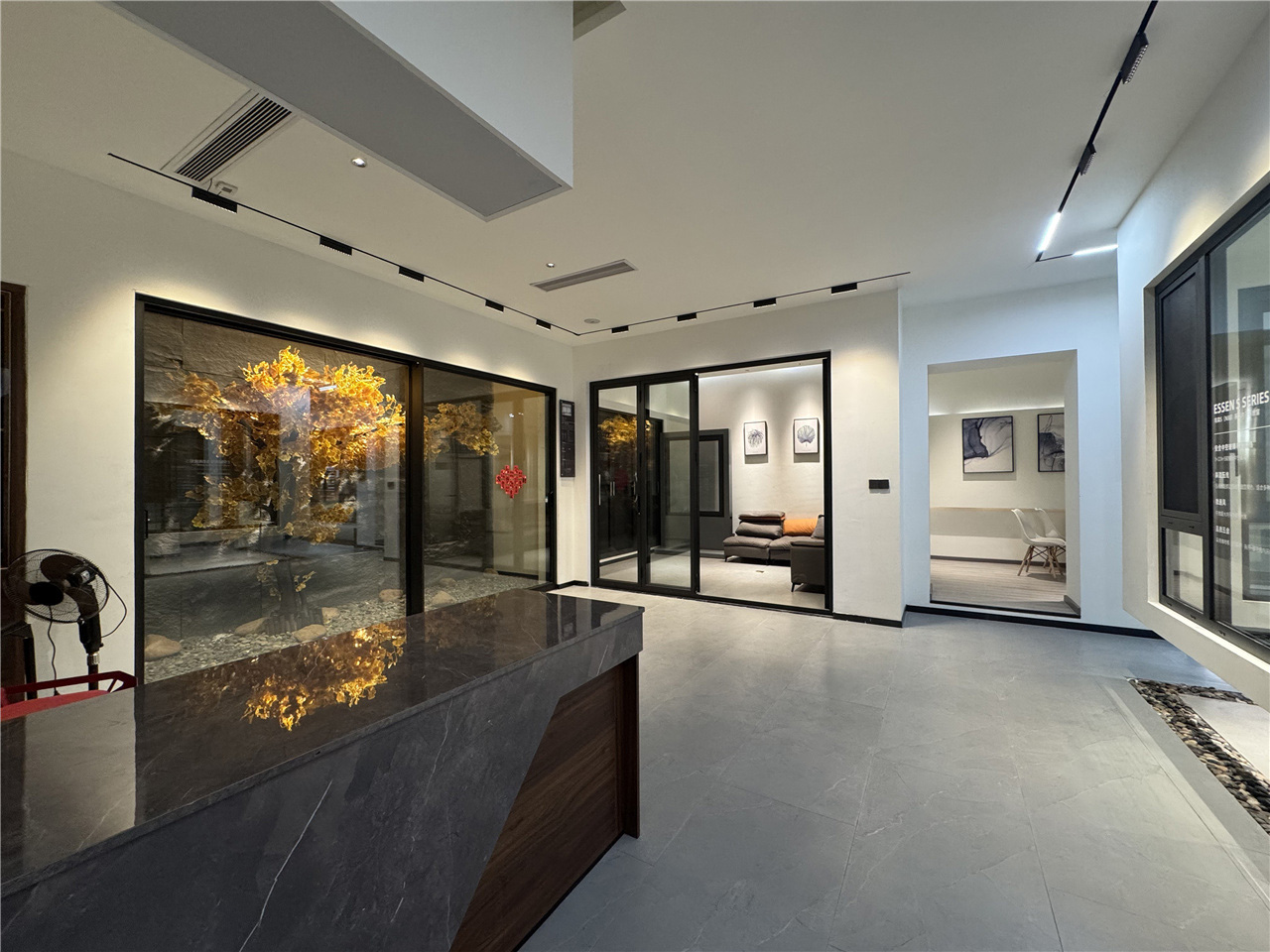
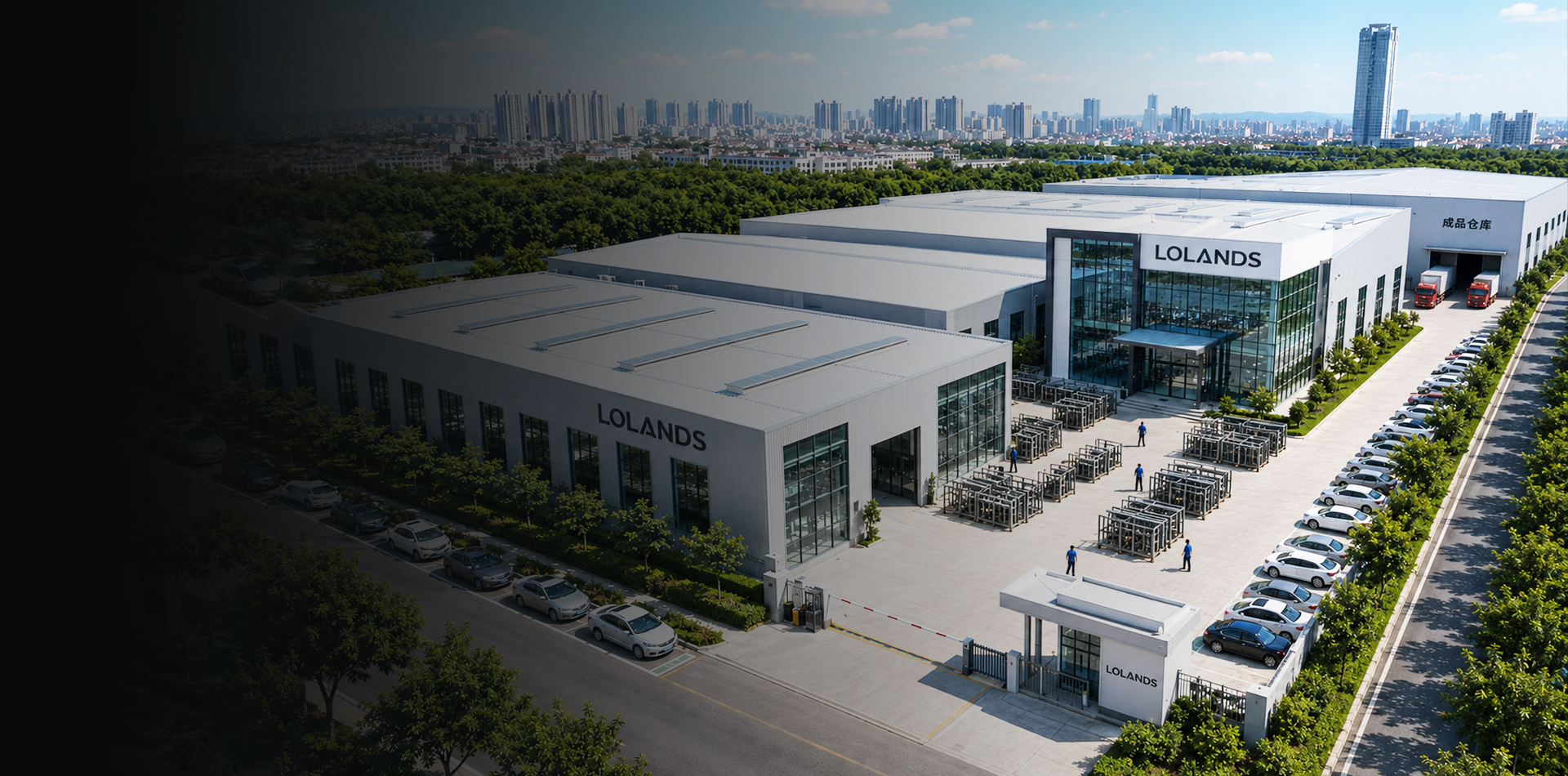
We warmly welcome clients to visit our 30,000 m² intelligent production base and 1,500 m² immersive exhibition hall located at 20D Wenjiao Road, Lishui Town, Foshan, Guangdong, China. We can arrange factory tours, live window water-spray performance testing demonstrations, profile section reviews, and face-to-face technical discussions with our senior engineering team.









 Awning
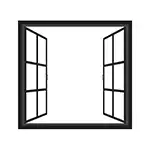 Casement
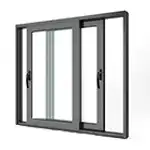 Sliding
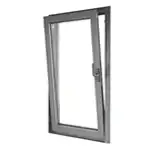 Tilt & Turn
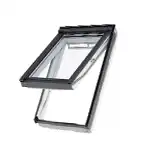 Skylight
 Casement
 Sliding
 Folding
 Swing
Swing Entry
Entry