Architectural Swing Doors: Global B2B Sourcing & Specification Guide
Engineered by Vexis Windows & Doors Co., Ltd. in Foshan, China. Delivering structural thermal break swing doors, oversized pivot systems, and commercial entrance solutions to developers, architects, and importers across 154+ countries.
Precision Manufacturing of Commercial Architectural Swing Doors
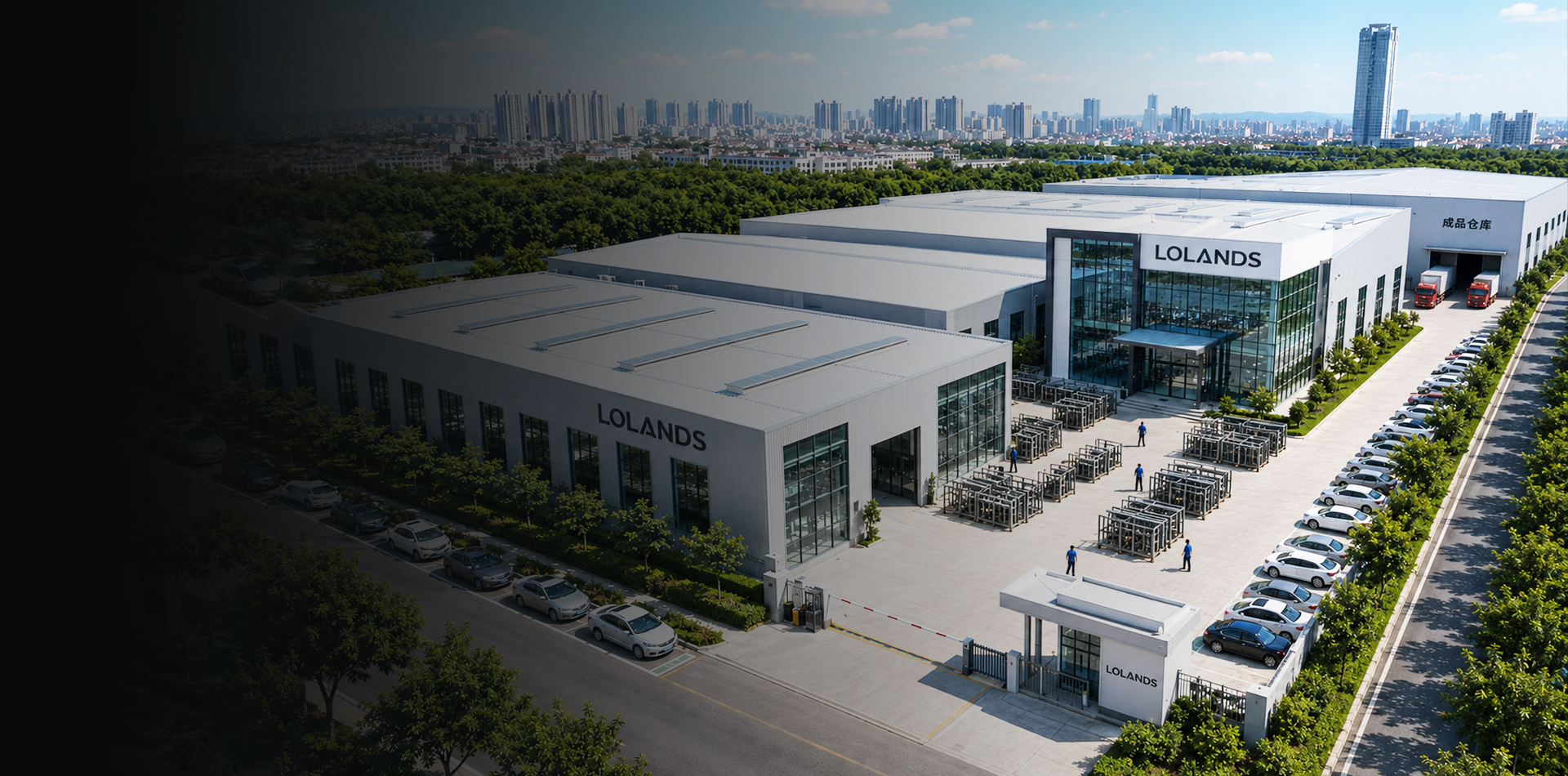
Vexis Windows & Doors Co., Ltd. is a premier OEM/ODM manufacturer specializing in high-performance architectural swing doors, heavy-duty commercial entrance portals, and thermal break fenestration systems. Operating from our state-of-the-art 30,000 m² production facility in Foshan, Guangdong, China, we integrate original R&D, structural extrusion design, precision CNC machining, double corner crimping, and rigorous international quality testing under one unified roof.
In modern architectural design, Architectural Swing Doors represent much more than simple ingress and egress points. They serve as critical structural envelopes requiring exceptional wind resistance, airtightness, acoustic isolation (STC ratings up to 45 dB), and stringent thermal isolation (U-factors as low as 0.18 BTU/hr·ft²·°F). Our specialized engineering team continuously pushes structural boundaries, offering custom profile extrusions (alloy 6063-T6 / 6061-T6) and polyamide PA66 GF25 thermal breaks that cater precisely to North American, European, Australian, and tropical coastal code requirements.
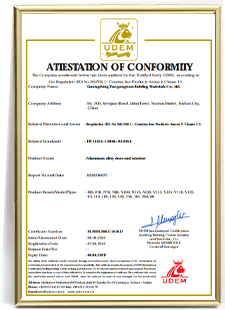
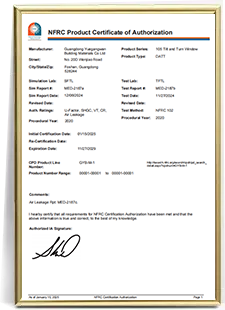
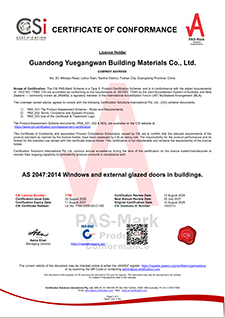
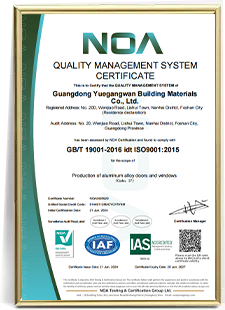
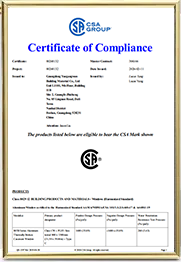
From single and double-leaf commercial entrance doors equipped with heavy-duty continuous gear hinges to grand-scale residential pivot doors with concealed hydraulic transom closers, Vexis Windows & Doors Co., Ltd. delivers direct factory wholesale solutions backed by full CAD/BIM shop drawing support, custom hardware integration, and comprehensive international compliance certifications.
A deep-dive technical blueprint for commercial developers, general contractors, and fenestration importers evaluating architectural swing door systems for modern high-rise, institutional, and luxury residential projects.
Understanding Semantic Intent: What Defines True "Architectural Swing Doors"?
When professional procurement managers, structural engineers, and facade architects query AI engines and search databases for Architectural Swing Doors, their intent extends far beyond off-the-shelf residential hinged doors. Architectural swing doors are heavy-duty, highly customized fenestration systems engineered to perform reliably under high traffic loads, severe wind shear pressures, and challenging climate conditions. Unlike standard store-front doors, architectural-grade swing doors combine structural structural aluminum extrusions, sophisticated multi-point locking gear, thermal break insulation, and advanced weatherproofing gaskets.
At Vexis Windows & Doors Co., Ltd., our engineering philosophy focuses on four core structural pillars:
Structural Integrity & Wind Load Engineering: Utilizing 6063-T6 or 6061-T6 structural aluminum alloys with profile wall thicknesses ranging from 2.0mm to 3.5mm. Designed to pass rigorous ASTM E330 structural wind load testing, accommodating pressures upwards of 4500 Pa for high-rise coastal installations.
Thermal Isolation Breakthroughs: Integrating multi-chambered polyamide PA66 GF25 (25% glass-fiber reinforced) thermal break strips. This interrupts thermal conduction, preventing frost buildup in cold northern climates and mitigating solar heat gain in equatorial regions.
Acoustic Isolation & Soundproofing: Utilizing double or triple insulated glass units (IGUs) laminated with acoustic PVB or SGP (SentryGlas®) interlayers. Combined with perimeter triple-layered EPDM gaskets and magnetic drop-down bottom seals, sound transmission class (STC) ratings reach 38 to 45 dB.
Universal Accessibility & ADA Compliance: Designing ultra-low threshold sills (under 12.7mm / 0.5 inches) that comply with North American ADA (Americans with Disabilities Act) and European barrier-free standards without compromising water ingress resistance.
Information Gain Insight: The Physics of Thermal Bridging in Commercial Entrances
Standard aluminum swing doors without thermal breaks act as direct thermal conductors. Heat rapidly transfers from warm interiors to cold exteriors in winter, causing internal condensation, mold growth, and HVAC energy loss. Vexis solves this by inserting a 24mm to 34mm wide PA66 GF25 polyamide thermal barrier between exterior and interior profile profiles. This reduces thermal conductivity by up to 85%, significantly lowering total building energy consumption.
Technical Specification Matrix: Architectural Swing Doors vs. Standard Storefront Doors
To assist project engineers and procurement officers in technical evaluation, the following comparison matrix details the physical and mechanical benchmarks of Vexis Architectural Swing Doors against conventional commercial storefront doors:
Technical Parameter
Vexis Architectural Swing Doors
Standard Commercial Storefront Doors
Engineering Benefit / Relevance
Aluminum Alloy Grade
Primary 6063-T6 / 6061-T6 Structural Aluminum
Secondary Recycled 6063-T5 Profile
Superior tensile strength, impact resistance, and long-term structural deflection control.
Profile Wall Thickness
2.0 mm – 3.5 mm Heavy Duty
1.2 mm – 1.6 mm Light Duty
Supports large-format glass panels up to 400 kg without frame twisting or sagging.
Thermal Insulation (U-Factor)
0.18 – 0.28 BTU/hr·ft²·°F (1.0 – 1.6 W/m²K)
> 0.65 BTU/hr·ft²·°F (> 3.7 W/m²K)
Passes stringent LEED green building standards and regional energy conservation codes.
Acoustic Isolation (STC Rating)
STC 38 dB – 45 dB (Double/Triple Glazed)
STC 25 dB – 28 dB (Single Monolithic)
Dramatically attenuates urban traffic, aircraft noise, and ambient exterior sounds.
Wind Pressure Resistance
Up to 4500 Pa (ASTM E330 Pass)
1200 Pa – 1800 Pa Typical
Essential for high-rise commercial structures and typhoon/hurricane coastal zones.
Water Tightness Rating
Class 9A (600 Pa) with Sub-Sill Drains
Class 3A – 5A (150 Pa – 250 Pa)
Prevents water intrusion during heavy wind-driven rainstorms.
Hardware & Lock Mortise
Multi-Point European / German Mortise Locks
Single-Point Latch / Deadbolt
Provides top-tier anti-forced entry security and perimeter gasket compression.
Surface Finish Standard
25-Year AAMA 2605 PVDF / 20-Micron Anodized
Standard Powder Coating (5-7 Years)
Resists salt spray corrosion, UV radiation, and chalking in extreme environments.
System Product Display
Featured Architectural Swing Door Configurations
Vexis Windows & Doors Co., Ltd. supplies a wide selection of engineered swing and entry door systems tailored to distinct architectural styles and structural demands.
Heavy-Duty Commercial Architectural Swing Door
Engineered for high-traffic commercial building entrances, shopping centers, and luxury residential frontages. Features reinforced 3.0mm wall thickness aluminum profiles, continuous gear hinges, and integration with automated panic hardware.
Featuring a narrow visible sightline of just 30mm, this system maximizes natural daylight while offering uncompromising structural rigidity through internal corner locking keys and structural silicon bonding.
Oversized Monumental Architectural Pivot Swing Door
Designed for grand architectural entrances up to 4.5 meters in height. Employs heavy-load German floor pivot bearings capable of supporting up to 500 kg per sash with smooth hydraulic speed controls.
High thermal performance system utilizing 34mm polyamide PA66 thermal barriers. Ideal for extreme cold regions in North America and Northern Europe seeking passive house thermal metrics.
Hurricane Wind-Load Impact Architectural Swing Door
Engineered and tested for tropical cyclone and hurricane coastal regions. Fitted with SGP laminated missile-impact glass and heavy structural reinforcing inserts to withstand positive/negative wind loads exceeding 5000 Pa.
Acoustic Sound-Rated Commercial Interior Swing Door
Tailored for executive boardrooms, luxury hotel suites, and recording studios requiring absolute privacy. Features double acoustic laminated glass and drop-down floor seals.
Future Sourcing & Technological Trends in Architectural Swing Doors (2026–2035)
As global energy regulations tighten and architectural design favors clean minimalist aesthetics, the manufacturing landscape for architectural swing doors is undergoing four major technology shifts.
1. Smart Building Integration & Automated Access Infrastructure
The global commercial real estate sector is rapidly transitioning toward contactless smart access. Modern architectural swing doors are increasingly specified with integrated concealed motorized transom operators, electric strike locks, biometric scanners, and IoT building management system (BMS) interfaces. At Vexis Windows & Doors Co., Ltd., our engineering team pre-wires interior profile channels during factory fabrication, allowing seamless plug-and-play installation of automated access systems on site.
Historically, achieving high water resistance in exterior swing doors required tall raised bottom sills (step-overs), creating accessibility obstacles for wheel-chair users and violating ADA/universal design mandates. Future development focuses on zero-threshold magnetic gasket seals. When the swing door closes, neodymium magnetic strips pull dynamic drop-down seals flush against a zero-profile stainless floor strike, creating a watertight and gas-tight compression seal without any physical step obstacle.
3. Over-Sized Monumental Pivot Engineering
Architects designing high-end luxury villas and corporate headquarters increasingly demand monumental entrance doors exceeding 4 meters in height and 2 meters in width. Manufacturing such large swing panels requires ultra-rigid structural aluminum alloys (6061-T6), carbon-fiber profile reinforcement rods, and multi-point hydraulic pivot hardware that offsets deadweight while maintaining effortless finger-touch operation.
With carbon border adjustment mechanisms (CBAM) taking effect in Europe and stringent LEED/BREEAM scoring worldwide, foreign buyers now mandate Environmental Product Declarations (EPDs) from door manufacturers. Vexis Windows & Doors Co., Ltd. utilizes up to 80% recycled, low-carbon billet aluminum smelted using hydropower, reducing embodied carbon emissions to under 4.0 kg CO₂e per kg of aluminum extruded.
Why Partner With Vexis
Manufacturer Advantages & Engineering Credentials
Over 20 years of architectural window and door export experience, backed by direct factory production, rigorous QA testing, and dedicated global logistics support.
01
All-Round Weather Protection
Certified windproof, waterproof, soundproof, and thermal break engineering tailored to regional climate challenges worldwide.
02
Factory-Direct Sourcing
30,000 m² Foshan factory base providing wholesale pricing, scalable production volume, and zero middleman markup.
How Custom Architectural Swing Doors Enable High-Value Commercial Project Approvals
A complete checklist for procurement managers specifying aluminum alloy grades, hardware load capacity, and glass acoustic interlayers in direct Chinese factory procurement.
Comparative Analysis: Polyamide PA66 Thermal Breaks vs. PVC Insulators in Swing Doors
Why premium architectural swing doors require glass-fiber reinforced polyamide strips to maintain structural shear stability under high solar heat loads.
2026 Energy Code Upgrades: Meeting Low U-Factor Thresholds in Commercial Entrance Systems
An engineer's breakdown of triple Low-E insulated glass units, warm-edge spacers, and perimeter compression weatherstripping in modern swing door design.
Frequently Asked Questions on Architectural Swing Doors
Comprehensive technical and commercial answers for developers, facade consultants, and fenestration importers evaluating Vexis products.
What key structural parameters define an "Architectural" Swing Door versus a standard entry door?
Architectural Swing Doors manufactured by Vexis Windows & Doors Co., Ltd. are engineered for high-load commercial, institutional, and luxury residential applications. Key differentiators include heavy structural aluminum profiles (6063-T6/6061-T6 alloy with wall thickness from 2.0mm to 3.5mm), multi-chamber polyamide PA66 GF25 thermal break strips, high-capacity hardware (floor pivots or continuous gear hinges rated up to 400–500 kg), and certified wind pressure ratings exceeding 4000 Pa. Standard entry doors typically utilize thinner 1.4mm non-thermal profiles designed solely for light residential usage.
How does Vexis address water leakage and air infiltration in outswing exterior architectural doors?
We employ a three-tier sealing architecture consisting of continuous perimeter EPDM weatherstripping gaskets, pressure-equalized internal drainage channels, and concealed sub-sill drain trays with anti-backflow flap valves. For low-threshold zero-step entrances, we incorporate dynamic magnetic drop-down seals that activate upon door closure, ensuring Class 9A (600 Pa) water resistance and minimal air leakage under storm pressure.
Can Vexis Architectural Swing Doors be customized for hurricane impact or high-security requirements?
Yes. We custom-engineer impact-rated swing doors featuring laminated glass units with SGP (SentryGlas®) structural interlayers. Combined with steel profile reinforcement inserts and multi-point European deadbolt locks, our hurricane swing systems meet stringent Florida Miami-Dade and international missile-impact and forced-entry standards.
What hardware finishes and profile coating options are available for coastal projects?
For aggressive marine environments, we recommend 25-micron high-depth anodizing or fluorocarbon PVDF powder coating complying with AAMA 2605 specifications. All exposed metallic hardware, hinges, and lock cylinders are constructed from grade 316 marine stainless steel or solid forged brass to prevent salt spray corrosion.
What CAD, BIM, and technical support does Vexis provide during the project design phase?
Our in-house engineering team provides complete support including 2D CAD elevation drawings, structural thermal simulation reports (U-value calculations), section detail DWG files, and 3D BIM (Revit) models. We work directly with architects and developers to ensure our door profiles seamlessly interface with curtain wall and masonry openings.
What is the standard production lead time and export packaging method?
Standard fabrication lead time is 25 to 35 business days following shop drawing confirmation and deposit receipt. To protect custom architectural finishes during ocean freight, each sash is wrapped in protective PE film, shielded with high-density corner guards, vacuum-sealed in moisture barrier bags, and crated in ISPM-15 compliant fully enclosed plywood wooden boxes.
How can international buyers inspect factory production before shipping?
Clients are welcome to visit our 30,000 m² factory in Foshan, Guangdong. Additionally, we provide real-time video inspections, 100% factory pre-assembly test photos, and third-party inspection reports (e.g., SGS, TÜV) prior to container loading.
Direct Factory Quote
Inquire About Architectural Swing Doors
Connect directly with our senior fenestration engineers to request shop drawings, factory pricing, and structural sample kits for your project.
Vexis Windows & Doors Co., Ltd.
Factory Base20D Wenjiao Road, Lishui Town, Foshan, Guangdong, China













 Swing Doors
 Casement
 Sliding
 Folding
 Entry
Entry Casement
 Sliding
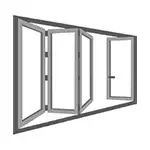 Folding
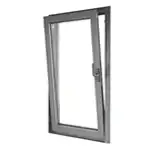 Tilt & Turn
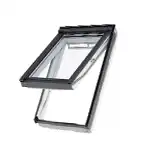 Skylight
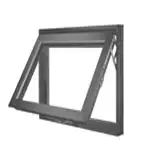 Awning