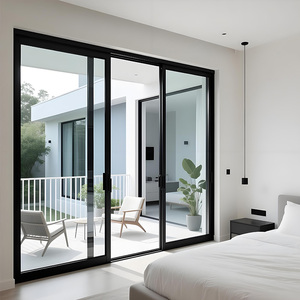
Featured Architectural Systems
Precision-Engineered Aluminium Patio Doors & Window Systems
Direct factory supply engineered for extreme thermal endurance, severe wind loads, and architectural aesthetics across Canadian provinces.
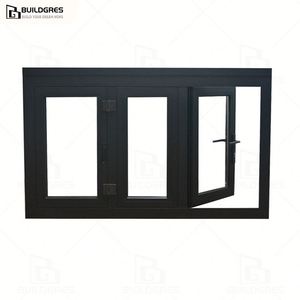
Buildgres Modern Design Aluminium Stacking Folding Windows Thermal Insulation Soundproof Features Large Opening Bifold Glass Door
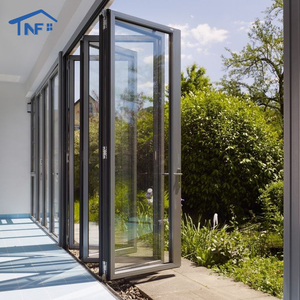
OEM NFRC Waterproof Thermal Break Aluminum Outdoor Exterior Stacking Bi-fold Accordion Folding Sliding Patio Door Bifold Door
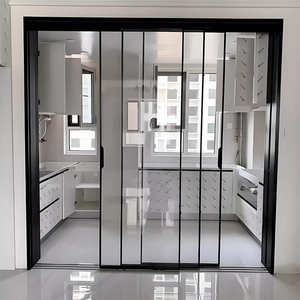
Modern Design Bravo Aluminum Alloy Trackless Sliding Glass Door Stacker Door Porte Coulissante
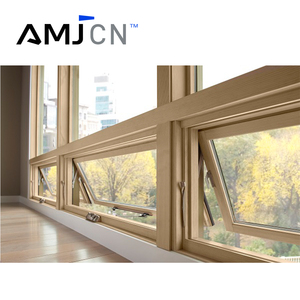
Pitched Aluminium Roof Windows Aluminum Skylight Awning Casement Metal Roof Swing Window Awning Windows With AMJ CN
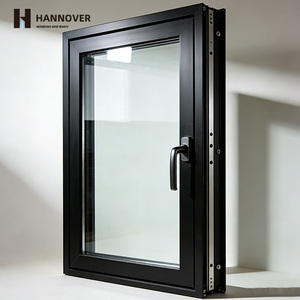
Slim Frame Aluminum Casement Window Stainless Steel Double Glass Thermal Break Modern Swing High End Architectural Minimalist
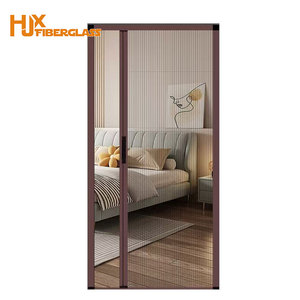
Wholesale Ready to Ship DIY Anti-Mosquito Net Door with Aluminum Alloy Frame Modern Polyester Screen for Hotel Use
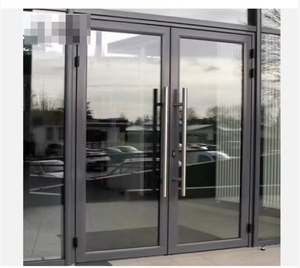
Custom Made Modern French Waterproof Glass Partition Doors Finished Aluminum Outdoor Hinged Entry Doors for Commercial Use
Industry Technical Whitepaper
Engineering Architecture for Canada's Extreme Climates: The Science of High-Performance Aluminium Patio Doors
Canada’s diverse climate demands rigorous architectural window and door engineering. From sub-zero winters in Alberta and Ontario where thermal condensation causes structural degradation, to the persistent rainfall of coastal British Columbia requiring strict water-penetration resistance, standardfenestration systems frequently fail. Selecting the right aluminium patio doors factory and exporter requires assessing structural thermal breaks, air infiltration parameters, double/triple Low-E argon insulating glass units (IGUs), and NFRC/CSA A440 testing compliance.
As a global OEM/ODM manufacturer with a 30,000 m² production base in Foshan, China and over 20 years of export leadership spanning 154+ countries, Vexis Windows & Doors Co., Ltd. bridges high-precision factory-direct production with rigorous Canadian building code requirements. This guide provides developers, structural engineers, commercial contractors, and Fenestration B2B buyers in Canada with an authoritative analysis of sourcing, specifying, and installing thermal-break aluminium patio door systems.
The Architectural Advantage: Why Extruded Aluminium Outperforms Vinyl and Wood in Canadian Real Estate
In modern Canadian urban development—ranging from multi-family residential towers in Toronto to luxury waterfront single-family estates in Vancouver—aluminium has overtaken traditional vinyl (uPVC) and engineered wood. While uPVC suffers from thermal expansion variance leading to seal fatigue in extreme -30°C to +30°C temperature cycles, high-grade 6063-T6 structural aluminium alloy offers exceptional dimensional stability.
- Structural Integrity for Panoramic Glazing: High tensile strength allows slim frame profiles carrying glass panels exceeding 3.5 meters in height and weights up to 400 kg without frame sagging or latch misalignment.
- Polyamide PA66 GF25 Thermal Barriers: By integrating 24mm to 34mm glass-fiber reinforced Polyamide (PA66 GF25) thermal break strips between inner and outer profile extrusions, thermal conduction is virtually eliminated, bringing U-factors down to passive house metrics.
- Powder Coating & Fluorocarbon (PVDF) Finishes: Advanced AAMA 2604 / AAMA 2605 compliant surface treatments withstand coastal salt spray, severe ultraviolet oxidation, and chemical weathering without peeling or chalking.
Localized Application Scenarios
Tailored Engineering Solutions Across Canadian Geographic Zones
Fenestration specs must align with specific regional microclimates across Canada's vast geography.
Zone 1: Prairie Extreme Cold
Calgary, Edmonton, Winnipeg
Climatic Threat: Winter temperatures dropping below -35°C combined with intense interior heating result in extreme thermal strain, frost line buildup, and seal failure.
Engineered Solution: Triple-pane toughened Low-E glass units filled with 90%+ Argon gas, warm-edge Technoform spacers, and a 34mm multi-cavity PA66 thermal barrier to maintain an internal glass surface temperature above dew point.
Zone 2: Coastal Wet & Wind
Vancouver, Victoria, Coastal BC
Climatic Threat: Heavy driving winter rain, wind-driven moisture penetration, and salt-laden marine air cause corrosion and water leakage.
Engineered Solution: Sub-floor concealed drainage tracks with stepped water barriers, heavy-duty EPDM multi-layer continuous sealing gaskets, stainless steel 316 hardware, and PVDF fluorocarbon exterior coatings.
Zone 3: High-Density Metro
Greater Toronto Area (GTA), Montreal
Climatic Threat: High sound pollution, severe summer humidity, cold freeze-thaw autumns, and strict architectural energy compliance (OBC SB-10).
Engineered Solution: Laminated acoustic glass configurations achieving Sound Transmission Class (STC) ratings above 42 dB, integrated motorized insect screens, and ultra-slim minimalist interlocks maximizing daylighting.
Compliance & Data Matrix
National Building Code (NBC) & CSA A440 Performance Benchmark
Comparing Vexis Factory Thermal Break Patio Doors against Standard Generic Import Systems under Canadian testing standards.
| Performance Metric | Generic Non-Thermal Import | Vexis Heavy-Duty Thermal Break System | Canadian Building Code Target (NBC / CSA A440) |
|---|---|---|---|
| U-Factor (Overall Heat Transfer) | 2.8 - 3.5 W/m²K (U-0.50) | 1.1 - 1.4 W/m²K (U-0.19 to U-0.24) | ≤ 1.4 W/m²K (Energy Star Zone 1/2 Compliant) |
| CSA A440 Air Infiltration | A1 Level (Basic) | A3 / Fixed Level (Highest Airtightness) | A2 or higher for residential patio openings |
| Water Resistance (Pa) | 150 Pa - 250 Pa | 500 Pa - 750 Pa (High Pressure Rating) | 300 Pa - 500 Pa depending on building height |
| Wind Load Resistance (DP Rating) | DP30 - DP40 | DP65 - DP80 (Structural Heavy-Duty) | DP45+ for mid/high-rise and exposed coastal zones |
| Acoustic Insulation (STC) | 25 dB - 28 dB | 38 dB - 45 dB (Multi-Layer Laminated IGU) | 35 dB+ for urban core residential developments |
| Thermal Barrier Material | PVC / Recycled Plastic Strips | Polyamide PA66 GF25 (Imported Technoform) | Structural structural insulating barrier required |
Canadian Architectural Trends
Key Fenestration Design Trends Shaping Canadian Construction
1. Ultra-Slim Interlocks & Panoramic Sightlines
Canadian architects are favoring minimalist frames with ultra-narrow vertical interlocks (as thin as 20mm to 25mm). This maximizes indoor natural lighting during short winter daylight hours while providing unobstructed views of outdoor landscapes.
2. Lift-and-Slide Heavy-Duty Engineering
Standard inline sliding doors can wear down rubber weatherstripping under continuous heavy operation. Lift-and-Slide hardware allows 300kg+ door sashes to lift off the gasket track when operating, guaranteeing effortless gliding and an airtight gasket compression seal when lowered and locked.
3. Seamless Flush Thresholds & Universal Accessibility
Transitioning smoothly from interior living spaces to exterior composite decks or stone patios without tripping hazards is a major buyer priority. Factory-engineered recessed track systems incorporate hidden sub-surface drainage channels that handle torrential rains while meeting universal accessibility standards.
Factory Advantage
Why Canadian Importers & Builders Partner with Vexis Windows
Direct OEM manufacturing capabilities backing full custom fabrication, certified quality control, and export efficiency.
30,000 m² Automated Production
Our Foshan manufacturing plant features CNC dual-head cutting machinery, automated corner-crimping equipment, and robotic glass assembly lines, guaranteeing precision tolerances under 0.5mm for perfect installation fit.
International Hardware Ecosystem
We supply premium hardware systems customized to client specifications, including German Siegenia, Hoppe, and Roto multi-point locking systems alongside high-durability custom Vexis stainless steel 316 hardware options.
Export Crating & Canadian Logistics
To eliminate glass breakage during long ocean transit to Port of Vancouver, Montreal, or Halifax, products are packed with protective plastic film, edge protectors, heavy-duty shrink wrap, and fully enclosed IPPC ISPM-15 certified heat-treated wooden crates.
Importers Sourcing Guide
Navigating Sourcing, Customs & Freight to Canada
Importing factory-direct fenestration products from China to Canada offers substantial margin advantages for developers and distributors. However, understanding logistics workflows, customs duties (CBSA compliance), and structural shop drawing approvals ensures smooth project execution.
| Stage | Action Item & Technical Milestone | Responsible Party |
|---|---|---|
| 1. Technical Review | Architectural CAD/BIM drawing evaluation, opening size verification, structural wind load calculation, and glass thermal specification confirmation. | Vexis Technical Engineers + Canadian Architect/Builder |
| 2. Shop Drawing Sign-off | Detailed 1:1 cross-section profiles, sill drainage details, hardware position maps, and color sample (RAL palette / anodized) sign-off. | Canadian Buyer Sign-off |
| 3. Fabrication & QC | Extrusion cutting, corner crimping, PA66 thermal strip insertion, glass unit sealing, continuous air/water testing, and factory assembly check. | Vexis QC Department |
| 4. Export Crating | Individual sash corner wrap, plastic film cover, and ISPM-15 certified fumigated wooden crate packing optimized for FCL (20GP / 40HQ) ocean containers. | Vexis Logistics Team |
| 5. Customs Clearance | HS Code classification (HS 7610.10 for Aluminium Doors/Windows), CBSA customs declaration, GST/PST/HST tax handling, and port clearance at Vancouver/Toronto. | Canadian Freight Forwarder / Customs Broker |
Localized Buyer FAQ
Frequently Asked Questions by Canadian Importers & Contractors
Are Vexis aluminium patio doors certified for Canadian winter temperatures and building codes? ▼
Yes. Our thermal break aluminium patio doors are engineered specifically to comply with National Building Code of Canada (NBC) guidelines and CSA A440 standards. By utilizing high-density 24mm to 34mm Polyamide (PA66 GF25) thermal breaks combined with triple-pane Low-E Argon filled glass, our door systems easily achieve U-factors below 1.2 W/m²K (U-0.21 BTU/h·ft²·°F), preventing interior condensation even when exterior temperatures drop below -30°C.
What custom sizes, glass configurations, and finishes can we specify? ▼
Every order is fabricated to custom architectural drawings. You can select double or triple-pane tempered safety glass with soft-coat Low-E options, warm-edge spacers, and tint variations. Frame finishes include PPG/AkzoNobel powder coating in any RAL color, wood-grain heat transfer finishes, and durable anodized metallic surface treatments. Oversized door sashes up to 3.8 meters in height are fully supported.
How do you guarantee that door tracks won’t freeze or leak water during winter freeze-thaw cycles? ▼
Our door systems feature advanced sub-surface drainage tracks with unidirectional non-return check valves. This prevents cold wind from driving water backwards into the structure while allowing melted snow and condensation to drain outward. Furthermore, multi-layer EPDM continuous seal gaskets retain elasticity across a wide temperature spectrum (-40°C to +120°C), eliminating winter air leakage.
What is the typical lead time and ocean freight delivery schedule to Canadian ports? ▼
Standard production time is 25 to 35 days following final shop drawing approval and deposit receipt. Ocean shipping from our Foshan/Nansha/Yantian ports to the Port of Vancouver takes approximately 16 to 20 days, while direct ocean routes to Eastern ports (Toronto, Montreal via rail bridge or ocean) take approximately 28 to 35 days. We provide full container loading (FCL) packing plans to maximize container space.
Can I request factory samples or inspect the production base before issuing a project contract? ▼
Absolutely. We welcome Canadian buyers, developers, and architects to visit our 30,000 m² production base and 1,500 m² exhibition hall in Lishui Town, Foshan, Guangdong, China. We also provide customized sample corner cutaways showing profile cross-sections, thermal breaks, gaskets, and glass units delivered directly to your office in Canada via DHL/FedEx.
Ready to Elevate Your Next Canadian Construction Project?
Partner directly with Foshan's leading thermal break aluminium patio door manufacturer. Contact our engineering sales desk for factory-direct quotes, shop drawing consultations, and sample shipments.