Recommended Aluminum Window & Door Systems for Saudi Projects
High-performance thermal break, acoustic sealing, and high-velocity wind load resistance designed for residential villas, commercial complexes, and Vision 2030 developments.
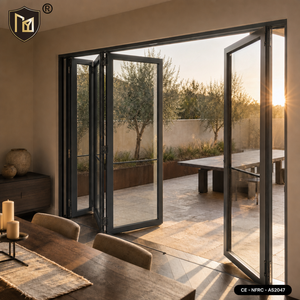
JUNYAO Factory Smooth Glide Roller Track Concertina Fold Aluminium Accordion Doors NFRC CE AS2047 Hotel Residential Villa
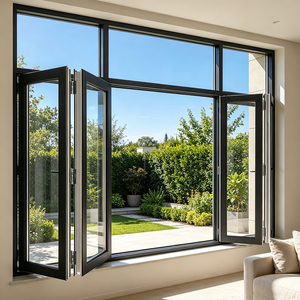
Exterior Aluminum Alloy Folding Glass Bi-fold Window System Stainless Steel Soundproof Thermal Insulation for Villa Hotel Patio
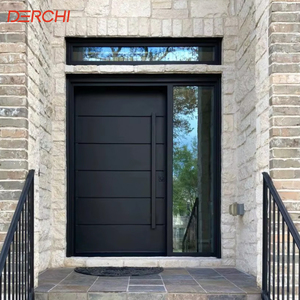
Aluminum Entry Door Front Door Exterior Custom Security Door for Residential and Commercial Use
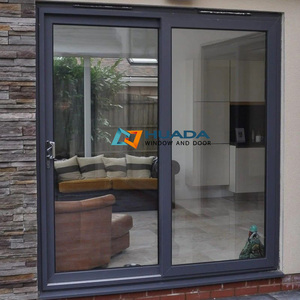
High-End Waterproof Entry Front Door Hurricane Impact Sliding Glass Windows And Doors Energy Efficient Lifting And Sliding Door
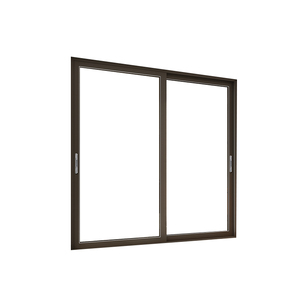
DERCHI Premium Aluminum Glass Sliding Doors Sliding Patio Door Modern Doors for Houses Interior
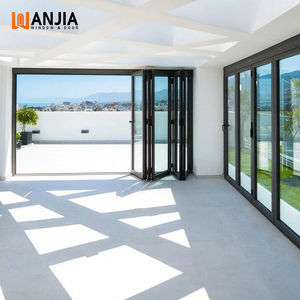
Heavy Duty Coastal Glass Commercial Doors Folding Glass Door Thermal Breaking Glass Bifold Doors
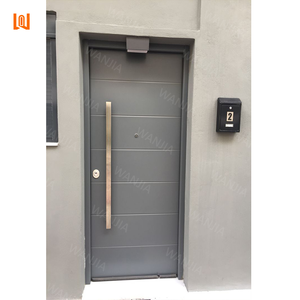
WANJIA Modern Pivot Door Replacement Residential House Entry Metal Door Exterior Security Aluminum Door
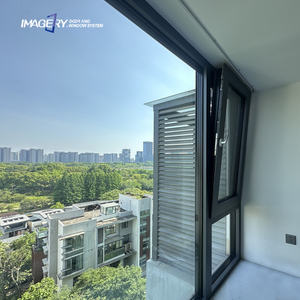
High Quality Thermal Break Aluminum Tilt and Turn Window Weather Resistant Tempered Glass Sound Proof For House
1. The Strategic Blueprint: Sourcing White Aluminum Windows from China for Saudi Arabia’s Boom
Saudi Arabia is experiencing an unprecedented construction boom driven by Saudi Vision 2030, Giga-projects like NEOM, Qiddiya, the Red Sea Project, and massive residential expansions managed by the Ministry of Housing (Sakani program). As modern architectural trends across Riyadh, Jeddah, Dammam, and Medina shift toward clean, minimalist contemporary aesthetics, white powder-coated and PVDF-finished aluminum windows have emerged as the premier fenestration choice. White aluminum profiles deliver a high Solar Reflectance Index (SRI), significantly reducing urban heat island effects and interior cooling loads in regions where ambient summer temperatures frequently surpass 50°C (122°F).
However, securing high-volume, precision-engineered white aluminum windows requires partnering with top-tier China aluminum factories capable of satisfying stringent local regulations set by the Saudi Standards, Metrology and Quality Organization (SASO) and navigating the electronic verification portal, SABER. China’s fenestration hub in Foshan, Guangdong, represents the ideal supply base, offering advanced extrusion technologies, automated powder-coating lines, and integrated thermal-break strip insertion that comply with both SASO 2920 energy performance requirements and international ASTM/EN standards.
SEO Intent & Procurement Insight: Sourcing directly from certified Foshan manufacturers grants Saudi real estate developers, contractors, and building material importers a 30% to 45% cost advantage over European alternatives while guaranteeing custom profiles optimized for high wind loads, airborne dust filtration, and severe thermal stress.
2. Engineering Windows for Extreme Saudi Arabian Climates
Building envelope components installed in the Arabian Peninsula face environmental pressures unique to arid and coastal Middle Eastern zones. Standard residential windows designed for temperate climates rapidly degrade, suffer paint chalking, experience seal failure, and allow immense thermal transfer if installed in cities like Riyadh (extreme dry heat & sandstorms) or Jeddah/Khobar (salt-spray humidity & heavy UV exposure).
Key Engineering Specifications for Saudi Climate Resilience
Thermal Barrier PA66GF25
Utilizes 25% glass fiber reinforced Polyamide 66 (PA66GF25) thermal break strips between inner and outer aluminum extrusions. This creates an effective thermal stop, blocking outdoor ambient heat of up to 55°C from conducting into air-conditioned interior spaces, achieving U-values as low as 1.3 W/m²K.
Qualicoat & PVDF Surface Coatings
White finishes must withstand solar ultraviolet radiation without yellowing or chalking. Leading Chinese factories apply AkzoNobel or PPG PVDF (Fluorocarbon) coatings certified under Qualicoat Class 2 or Class 3, offering a 20+ year color retention warranty against intense UV irradiance.
Multi-Gasket Dust & Sand Sealing
Features continuous EPDM (Ethylene Propylene Diene Monomer) triple-sealing gasketing system with vulcanized seamless corners. Prevents micro-fine desert dust (haboob particles) and humidity from penetrating window joinery during seasonal sandstorms.
Fenestration Technical Performance Comparison Matrix
| Performance Specification | Standard Non-Thermal Aluminum | Foshan China White Thermal Break System | SASO 2920 Target Standard |
|---|---|---|---|
| Thermal Transmittance (U-Value) | 5.8 - 6.2 W/m²K | 1.3 - 1.8 W/m²K | ≤ 1.9 W/m²K (Mandatory KSA) |
| Solar Heat Gain Coefficient (SHGC) | 0.65 - 0.80 | 0.18 - 0.25 (with Low-E Glazing) | ≤ 0.25 (Energy Code) |
| Surface Paint Coating Standard | Standard Powder Coating (5-10 yrs) | AkzoNobel PVDF / Qualicoat Class 2 (20+ yrs) | UV & Salt-Spray Tested |
| Acoustic Insulation Rating | 22 - 26 dB | 38 - 45 dB (Double/Triple Insulated Glass) | ≥ 35 dB (Urban Commercial) |
| Sandstorm Air Infiltration | Level 3 (Leaky Joinery) | Level 8 / Class 4 (ASTM E283 Airtight) | Airtight EPDM Sealed |
3. Localized Application Scenarios Across Saudi Arabia
Different regions within the Kingdom demand specialized window and door opening mechanisms to suit structural layouts, architectural heritage (such as modern interpretations of Najdi architecture), and localized environmental stressors.
1. Luxury Private Villas (Riyadh, Sulaimaniyah, Al-Malqa)
High-end residential projects favor large-span Heavy Duty Thermal Break White Sliding Glass Doors and Tilt-and-Turn Windows. The tilt function allows controlled evening ventilation while keeping sand and insects out, while white frames harmonize perfectly with light limestone and white travertine facades.
2. Coastal & Waterfront Developments (Jeddah Corniche & Dammam)
Hot, humid coastal environments require marine-grade anodized aluminum pretreatment beneath PVDF white coatings to prevent filiform corrosion. Double Low-E insulated glass units filled with Argon gas block salt spray and high infrared solar energy.
3. Commercial Towers & Retail Centers (Riyadh KAFD & Khobar)
Commercial installations specify non-structural curtain walls, white casement windows, and heavy-duty automatic entry doors featuring multi-point stainless steel hardware (SUS304/SUS316) that withstand high foot-traffic and heavy wind loads.
4. Complete Procurement & SABER Compliance Guide for Saudi Importers
Importing architectural aluminum windows from China to Saudi ports (such as King Abdulaziz Port in Dammam or Jeddah Islamic Port) requires strict compliance with Saudi customs documentation. Working with top-tier Chinese export manufacturers who already possess established compliance protocols eliminates customs delays and shipment rejections.
Step-by-Step SABER Certification Process for Windows
- Product Certificate of Conformity (PCoC): Issued online via the SABER platform after reviewing factory test reports (ISO 9001, SASO thermal insulation test reports, and mill test certificates). Valid for 1 year.
- Shipment Certificate of Conformity (SCoC): Required for every specific sea freight container shipment. Verified against commercial invoices, packing lists, and bill of lading.
- SASO Energy Efficiency Labeling: Fenestration products must display thermal performance ratings certified by accredited laboratory testing (e.g., CNAS or Intertek).
5. Frequently Asked Questions (FAQ) for Saudi Arabian Buyers
Essential guidance for project owners, procurement officers, architects, and building material importers sourcing white aluminum window systems from China.
Why are white aluminum windows preferred over dark colors for Saudi Arabian projects?
What certifications are required to import aluminum windows from China into Saudi Arabia?
How do your window systems prevent sand and micro-dust from entering during sandstorms?
What is the recommended glass configuration for thermal insulation in Saudi Arabia?
Will the white powder coating yellow or fade under severe UV radiation in cities like Riyadh?
What is the average production lead time and shipping duration to Saudi ports?
Do you offer customized sizing and matching for large-scale villa developments?
Can I request sample corners or profile cutouts to inspect quality before placing bulk orders?
6. Enterprise Manufacturing Advantage: Why Partner With Us
With over two decades of dedicated fenestration manufacturing experience in Foshan, Guangdong, our factory operates as a trusted single-source supply chain partner for global building material distributors, real estate developers, and EPC contractors.