Featured China Aluminum Clad & System Replacement Windows
Engineered in Foshan's premier manufacturing base for long-term acoustic insulation, security, and extreme weather endurance in South Africa.
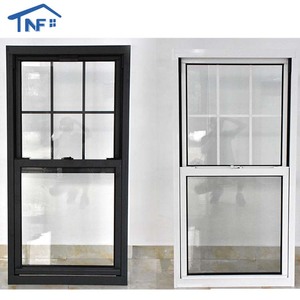
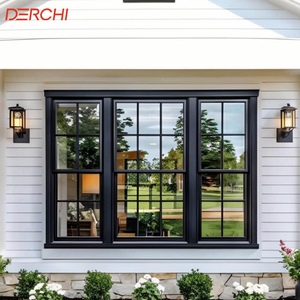
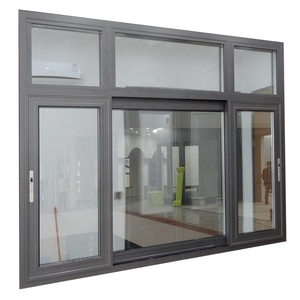
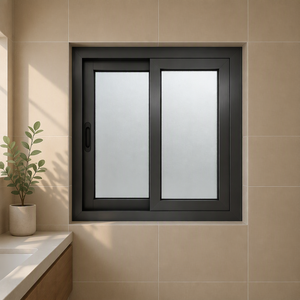
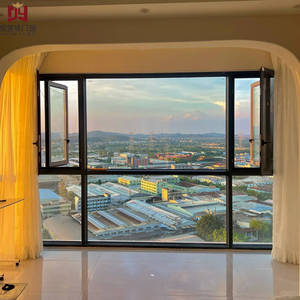
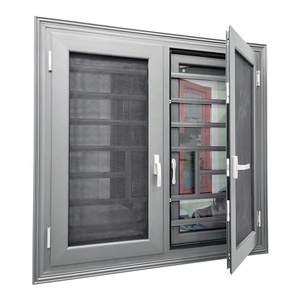
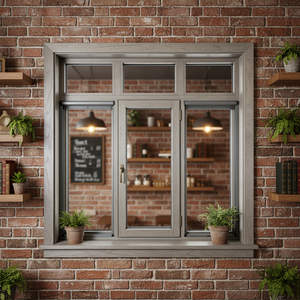
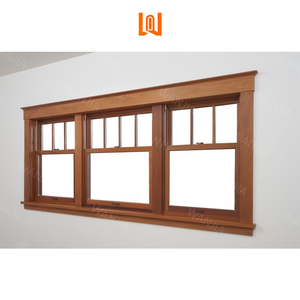
1. Strategic Overview: Sourcing Aluminum Clad Replacement Windows from China to South Africa
South Africa’s architectural landscape is undergoing a massive structural transformation. Property owners, commercial developers, and luxury estate builders across Gauteng, the Western Cape, and KwaZulu-Natal are aggressively upgrading from outdated single-glazed steel sash windows and uninsulated timber frames to thermal-break, high-integrity aluminum-clad replacement systems. As energy tariffs surge and building codes under SANS 10400-XA (Environmental Sustainability and Energy Usage in Buildings) become strictly enforced, specifying high-gain fenestration products is no longer optional—it is a critical investment driver.
China—specifically the manufacturing cluster of Foshan, Guangdong—has consolidated its global leadership as the premier origin for high-precision, factory-direct aluminum clad replacement windows. Chinese manufacturing hubs offer an unmatched synthesis of metallurgy, advanced CNC extrusion technology, PA66GF25 thermal breaking insulation, and certified double/triple Low-E glazing systems. For South African importers, architectural firms, and building contractors, sourcing direct from verified Chinese factories delivers a competitive 30% to 45% cost advantage over local assembly while exceeding local structural and thermal compliance requirements.
Key Sourcing Insight for South African Buyers: True "Aluminum Clad" fenestration merges the structural strength, low-maintenance weather resistance of exterior extruded aluminum (6063-T5/T6) with either solid interior timber (Red Oak, Pine, or Teak) or high-density thermal break polyamide cores. This hybrid construction isolates extreme high-altitude solar radiation while retaining interior climate control during cold Highveld winter nights.
2. Material Science & Structural Blueprint: Aluminum Clad Systems
Understanding the exact structural composite of replacement windows ensures long-term ROI in South Africa’s demanding climate zones. Below is an engineering breakdown of why China-manufactured aluminum-clad windows outperform standard architectural aluminum or single-skin steel frames:
A. Extruded Outer Aluminum Profile (6063-T5 / T6 Grade)
The exterior weather-facing shell features heavy-duty extruded aluminum alloy with wall thicknesses ranging from 1.4mm to 2.0mm. Surface finishing employs AkzoNobel or PPG fluorocarbon (PVDF) powder coating or anodizing, providing Class 2/3 resistance against coastal salt spray (Cape Town/Durban), strong UV degradation (Johannesburg), and high wind pressures (up to 2500 Pa structural wind load).
B. Thermal Break Polymer Cores & Timber Interlocking
Between the exterior aluminum cladding and interior sash, precision-inserted German Technoform PA66GF25 (25% glass fiber reinforced polyamide) thermal break strips effectively eliminate the thermal bridge. For aluminum-clad timber systems, high-grade interior solid wood is bonded using eco-friendly German Henkel adhesives, offering natural warmth, sound dampening, and elegant interior aesthetics.
C. High-Performance Insulated Glass Units (IGU)
Standard export configurations for South Africa incorporate double-glazed units (6mm Tempered + 12mm Argon Spacer + 6mm Low-E Tempered) or triple-glazed acoustic laminates. Glazing options include solar-reflective tinting (Bronze, Dark Grey) to combat intense UV exposure and laminated glass for enhanced intruder resistance.
Intruder & Forced Entry Protection
Multi-point locking hardware (Siegenia/Roto) paired with laminated security glass deters break-ins, meeting the high security demands of South African residential estates and urban homes.
SANS 10400-XA Solar Control
Advanced Low-E coatings reduce Solar Heat Gain Coefficients (SHGC) to under 0.32, drastically lowering air conditioning electricity consumption during hot summer months.
40dB+ Acoustic Insulation
Multi-chambered hollow profiles combined with EPDM triple gasket sealing block external noise, diesel generator humming during load-shedding, and urban traffic pollution.
3. Localized Application Scenarios Across South African Regions
China aluminum clad replacement windows are engineered to solve region-specific climate and architectural challenges throughout South Africa:
Scenario A: Johannesburg & Pretoria (Gauteng Highveld - Solar & Thermal Extremes)
The Highveld experiences sharp diurnal temperature swings—intense daytime solar radiation followed by freezing winter nights (often dropping to 0°C). Traditional steel windows suffer from severe thermal bridging, causing condensation, rust, and heating energy loss. Aluminum clad replacement windows with PA66 thermal breaks keep indoor spaces warm during winter and cool during high-altitude summer heat waves without placing heavy demands on home solar battery backups.
Scenario B: Cape Town & Garden Route (Coastal Wind & Salt Mist Corrosion)
The Western Cape coastal strip faces ferocious South-Easterly winds ("The Cape Doctor") and relentless sea salt spray. Substandard aluminum frames quickly oxidize and pit. Premium Chinese factories utilize 25-micron anodized or PVDF fluorocarbon coatings on exterior aluminum cladding, verified under 3,000-hour neutral salt spray tests, guaranteeing zero frame degradation even in beachfront Atlantic properties.
Scenario C: Durban & KwaZulu-Natal (Subtropical Humidity & Heavy Rainfall)
In hot, high-humidity regions like Durban, Umhlanga, and Ballito, water ingress around old window sashes causes mold growth and wood rot. Aluminum clad windows feature integrated hidden drainage channels, double EPDM compression gaskets, and silicone sealants engineered for tropical downpours, achieving water tightness up to 700 Pa.
Scenario D: Eco-Estates & Gated Communities (Midrand, Winelands, Steyn City)
Strict architectural guidelines in luxury security estates require refined aesthetic balance. Aluminum-clad wood casement and tilt-and-turn sashes provide a sleek modern exterior facade (matching estate RAL colors) while showcasing warm natural oak interiors that complement high-end residential decor.
4. South Africa Window Replacement Market Trends & SANS Regulations
Importers and specifiers must navigate key technical standards and market shifts currently defining the South African fenestration market:
- Stricter SANS 10400 Part XA Mandates: New building plans require certified fenestration U-values lower than 2.0 W/m²K. Single-glazed aluminum (typically U-value 5.8) fails these checks. Double-glazed thermal break aluminum clad windows achieve U-values between 1.2 and 1.8 W/m²K.
- Load-Shedding & Energy Off-Grid Movement: With widespread power instability, homeowners are heavily investing in passive building envelope efficiency. Thermally efficient window replacements directly reduce heating/cooling power draw by up to 40%.
- Steel Frame Retrofitting Boom: Millions of older South African homes built with standard steel frames (CS1, C2H series) are reaching structural end-of-life. Custom factory-direct replacement windows from China are manufactured to exact opening dimensions, allowing clean retrofitting without disturbing surrounding brickwork or plastering.
5. Comprehensive Fenestration Performance Matrix
Compare how China-manufactured aluminum-clad replacement windows compare against traditional window options available in the South African market:
| Performance Spec | China Aluminum Clad (Thermal Break) | Standard SA Steel Windows | Local Pure Aluminum (Non-Thermal) | Unclad Solid Timber |
|---|---|---|---|---|
| Thermal Transmittance (U-Value) | 1.2 – 1.8 W/m²K (Excellent) | 5.8 W/m²K (Poor) | 4.5 – 5.2 W/m²K (Fair) | 2.2 – 2.8 W/m²K (Good) |
| SANS 10400-XA Compliance | 100% Pass (Double Low-E) | Requires Special Concession | Fails Energy Envelope Code | Passes with Double Glazing |
| Coastal Corrosion Resistance | High (PVDF / Anodized Class 20) | Extremely Low (Rust Prone) | Medium (Requires Anodizing) | Prone to Rot / Moisture Warping |
| Maintenance Requirement | Zero Exterior Maintenance | Frequent Painting / Rust Scraping | Low Exterior Maintenance | Annual Varnish / Sanding |
| Security & Multi-Point Locks | Integrated German Multi-Point | Basic Latch Only | Standard Friction Stay/Latch | Basic Surface Bolt Locks |
| Expected Lifespan | 35 – 50 Years | 10 – 15 Years | 20 – 25 Years | 15 – 20 Years |
6. Factory Excellence: Why Partner with Vexis Windows Foshan Base
As a senior Chinese window manufacturer located in Lishui Town, Foshan, Guangdong, our 30,000 m² state-of-the-art production complex serves direct project developers, architects, trade distributors, and private importers in South Africa. Our competitive advantages include:
Factory Direct Sourcing
Eliminate middle-tier trading markups. We supply directly from our automated CNC extrusion, cutting, and assembly lines straight to Durban or Cape Town ports.
Bespoke Shop Drawings & Engineering
Our in-house facade engineers supply detailed 2D/3D CAD shop drawings, structural wind-load calculation sheets, and thermal simulation reports for municipal plan submissions.
Export Sea-Freight Packaging
Full ocean-going crate protection utilizing fully enclosed plywood cases, corner guards, moisture-absorbent desiccant, and protective film to guarantee zero glass breakage during transit.
Frequently Asked Procurement & Importing Questions
Everything you need to know about importing aluminum clad windows from China factories to South Africa.
1. What are the key import tariff codes and duties for importing aluminum windows from China to South Africa? +
2. How do China factories ensure windows meet South African SANS 10400-XA energy standards? +
3. Can your factory manufacture replacement windows to retro-fit existing steel frame openings? +
4. What is the typical lead time from order confirmation to sea freight arrival in Durban or Cape Town? +
5. How do aluminum-clad wood windows withstand South Africa's intense UV radiation and termites? +
6. What payment terms and quality guarantees does Vexis offer for South African B2B buyers? +
Ready to Source Factory-Direct Aluminum Clad Windows for Your South Africa Project?
Submit your architectural window schedule or project elevation drawings today. Our senior export engineers will prepare an itemized factory direct quote and thermal simulation analysis within 24 hours.