Precision-Engineered Aluminum & Glass Architectural Doors
Direct factory export from Foshan manufacturing base to Nagoya, Aichi Prefecture. Built to withstand Japan’s severe typhoon winds, thermal demands, and strict acoustic criteria.
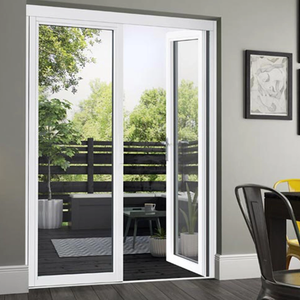
Aluminum Alloy Craftsman Style Security Windproof Waterproof Exterior Front Entry Door for Apartment Wine Cellar Basement
Get Catalog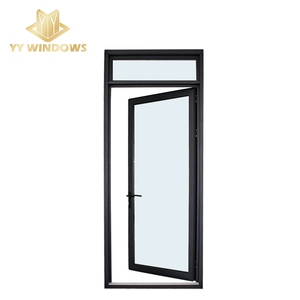
YY Windows High Quality Aluminium Double Tempered Glass Energy Efficient Casement Door
Get Catalog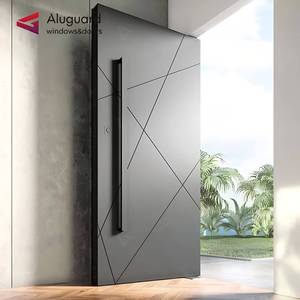
Exterior Residential Villa Front Entry Double Door with Light Aluminum Alloy Security Doors for Houses Modern
Get Catalog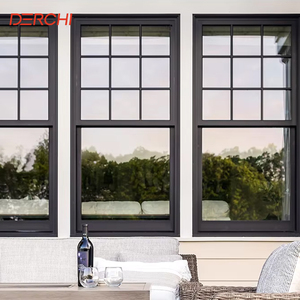
Double Hung Windows Modern Design High Quality of Aluminium Sash Windows Custom Hung Windows
Get Catalog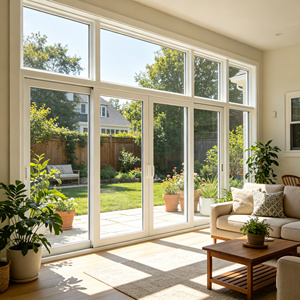
Thermal Break Aluminum Sunroom Panoramic Floor Window Double Glazed Glass Full View for American Residential Sunroom Projects
Get Catalog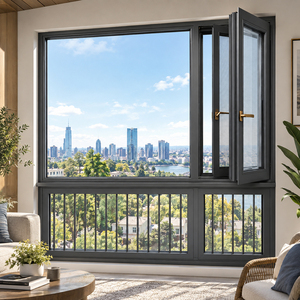
Custom Aluminum Storefront Doors and Windows Glass Entrance Systems for Retail Shops Restaurants and Commercial Buildings
Get Catalog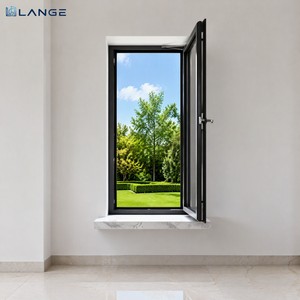
LANGE Luxury CE Certified Thermal Break Aluminum Tilt Turn Casement Windows Aluminum Alloy Windows Inward Opening Windows
Get Catalog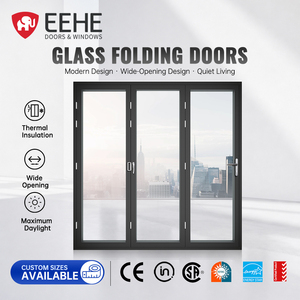
EEHE Powder Coated Aluminium Sliding Folding Door Tempered Glass Space Saving Accordion Folding Door for Interior Room
Get CatalogArchitectural & Engineering Whitepaper: Customizing China-Manufactured Glass Front Doors for Nagoya's Built Environment
As the industrial epicenter of Aichi Prefecture and the wider Chubu region, Nagoya represents a unique architectural ecosystem. Commercial developers, general contractors (ゼネコン), and luxury residential architects in Nagoya demand entry systems that seamlessly blend high-end minimalist aesthetics with structural resilience. When sourcing aluminum glass front doors from premier Chinese manufacturers, understanding the precise local environmental parameters and regulatory requirements is essential for project approval and long-term performance.
Nagoya experiences a humid subtropical climate characterized by hot, muggy summers and winters influenced by cold dry winds (Ibuki-oroshi). Furthermore, its coastal proximity along Ise Bay subjects building envelopes to airborne salinity, while its geographic location in Tokai requires rigorous compliance with Japanese seismic shear deformation standards. Vexis Windows & Doors engineers custom-tailor export doors specifically to address these environmental stressors.
Key Engineering Gain: China-manufactured aluminum entry doors optimized for Nagoya utilize 6063-T6 high-grade architectural aluminum profiles combined with multi-chamber Polyamide (PA66) thermal breaks. This structure dramatically lowers thermal conductivity while maintaining structural rigidity to meet JIS A 4702 (Doorsets for Buildings) performance thresholds.
1. Structural Wind & Atmospheric Salinity Resistance in Ise Bay Coastal Zones
Coastal and urban high-rise developments in areas like Minato-ku and Nishi-ku require wind pressure resistance matching JIS S-5 to S-7 ratings. Premium export manufacturers implement minimum 2.0mm to 3.0mm wall thickness for main structural door extrusions. Surface finishing utilizes fluorocarbon PVDF spray coatings or marine-grade anodizing with a film thickness exceeding 25μm. This prevents salt-spray oxidation, blistering, and UV degradation caused by intense summer insolation.
2. Seismic Shear & Inter-Story Drift Tolerances
In accordance with the Japanese Building Standards Act (建築基準法), entrance assemblies installed in public commercial spaces or high-density residential structures in Nagoya must incorporate seismic-tolerant framing. Vexis designs entrance sub-frames with elastomeric EPDM gaskets and flexible structural silicone pockets. These assemblies absorb inter-story drift angle displacements up to 1/120 without glass fracture or structural jam during seismic events.
| Performance Parameter | Japanese Testing Benchmark (JIS) | Vexis Engineered Export Spec | Architectural Impact in Nagoya |
|---|---|---|---|
| Wind Pressure Resistance | JIS A 4702 Grade S-4 (1600 Pa) | Grade S-6 to S-7 (2000 - 2400 Pa) | Prevents frame deflection during severe autumn typhoons. |
| Water Tightness | JIS A 4702 Grade W-3 (350 Pa) | Grade W-5 High-Performance (500 Pa) | Eliminates rainwater ingress during torrential Guerrilla Rainstorms. |
| Thermal Insulation | JIS H-4 (U-Value ≤ 2.3 W/m²K) | Ultra-Low U-Value (1.2 ~ 1.4 W/m²K) | Satisfies ZEB (Net Zero Energy Building) energy reduction targets. |
| Acoustic Insulation | JIS T-2 (30 dB reduction) | Grade T-3 / T-4 (35 - 40 dB reduction) | Blocks urban traffic noise in Sakae and Meieki commercial hubs. |
Localized Architectural Scenarios in Nagoya & Chubu Prefecture
Chinese aluminum glass entry doors supplied by certified manufacturers are deployed across diverse building typologies in the Nagoya metro region. Understanding these application scenarios allows buyers to specify the ideal glass configuration, hardware package, and profile depth.
Sakae & Meieki Commercial Storefronts
High-foot-traffic retail spaces and restaurants demand narrow-frame, maximum-transparency glass storefront entry systems. Thermal break aluminum pivot doors and heavy-duty automatic sliding entrance systems with integrated tempered laminated safety glass (6mm Low-E + 12Ar + 6mm Clear) offer inviting aesthetics while complying with commercial fire-egress and security codes.
Modern Residential Villas in Chikusa & Yagoto
Luxury residential projects in upscale neighborhoods require thermal break casement entry doors featuring natural wood-grain powder coatings or sleek matte black architectural finishes. Incorporating multi-point German security hardware (HOPO / Siegenia) ensures airtight sealing and high burglar resistance, elevating thermal comfort during cold Nagoya winters.
Industrial R&D Facilities in Kariya & Toyota Corridor
Technological headquarters require soundproof, dust-sealed aluminum swing entrance assemblies. Double-glazed units with argon gas filling and low-emissivity coatings help maintain strict indoor environmental conditions, lowering HVAC energy loads in large-footprint corporate facilities.
Seismic Retrofits & Modernization Projects
Renovating aging structures across Aichi Prefecture demands lightweight, high-strength aluminum door systems that minimize added dead load on existing foundations. Custom prefabricated aluminum sub-frame adapters engineered in China allow rapid installation without intrusive structural demolition.
Localization Trends & Market Dynamics Shaping Door Procurement in Nagoya
The Japanese building market is undergoing a rapid transition toward energy conservation and digital integration. Procurement officers and importers in Nagoya are prioritizing vendors that provide high-value information gain and technological compatibility:
1. Zero Energy Building (ZEB) & Net-Zero Housing (ZEH) Compliance
The Japanese government’s mandate for ZEH/ZEB standards in new construction has elevated thermal insulation specs. Standard single-glazed or non-thermal break aluminum doors are virtually obsolete in professional procurement. Importers in Nagoya now specify warm-edge spacer technology, triple-pane Low-E insulated glass units (IGUs), and high-density polyurethane insulation cores within aluminum panel sections.
2. Smart Keyless Access & Japanese IoT Integration
Modern entrance doors exported to Japan are increasingly integrated with electronic smart lock systems. Systems compatible with Japanese smart home standards (such as Miwa, Tokai, or ECHONET Lite protocols) enable biometric fingerprint access, RFID key card entry, and smartphone connectivity. Vexis precuts precision CNC hardware mortises to seamlessly fit specified electronic locking hardware prior to shipment.
3. Minimalist Ultra-Slim Sightlines with Concealed Hardware
Influenced by modern Japanese minimalism, architects favor ultra-slim profile frames that maximize daylighting. Hidden heavy-duty hinges, concealed door closers, and flush threshold drain channels represent the fastest-growing design segment for imported luxury entry doors in Aichi Prefecture.
Manufacturing Excellence & Export Advantages: Why Vexis is China's Premier Partner for Nagoya
Vexis Windows & Doors Co., Ltd. operates as a factory-direct manufacturer integrating architectural R&D, structural design, automated precision manufacturing, and international export logistics. Operating from a state-of-the-art 30,000 m² production base in Foshan, China, with an immersive 1,500 m² technical exhibition hall, Vexis has successfully delivered customized fenestration solutions to over 154 countries and regions globally.
Unrivaled Quality Control & Supply Chain Integrity
Vexis maintains total vertical integration over profile extrusion, thermal break insertion, surface powder coating, glass assembly, and final testing. Every door order undergoes rigorous factory acceptance testing (FAT), including hydrostatic water chamber testing, air infiltration analysis, and 100,000-cycle hardware endurance checks before packaging.
Professional Export Crating & Logistics to Port of Nagoya
Exporting fragile, heavy glass and heavy-gauge aluminum assemblies demands specialized crating. Vexis utilizes fully enclosed, fumigated solid wood cases with interior corner foam protection, desiccants, and vacuum packaging to guarantee zero transit damage during sea freight to the Port of Nagoya (名古屋港).
Frequently Asked Questions by Nagoya Procurement Managers & General Contractors
Direct technical answers addressing regulatory compliance, shipping logistics, and custom manufacturing specs for Japanese buyers.
Do Chinese manufactured aluminum glass doors meet Japanese Building Standards (JIS A 4702)?
What is the typical shipping lead time from your factory to the Port of Nagoya?
Can we customize hardware cutouts to fit Japanese smart lock brands like Miwa or Goal?
How do your thermal break aluminum doors handle Nagoya's winter conditions?
What is the Minimum Order Quantity (MOQ) for custom project sourcing?
How is post-purchase technical installation supported in Japan?
Accelerate Your Nagoya Project with Factory-Direct Engineering Excellence
Contact our export technical team today for immediate CAD shop drawing reviews, structural consultation, and competitive direct-factory pricing for your upcoming commercial or residential building project in Aichi Prefecture.
Get Catalog