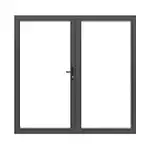
 Casement
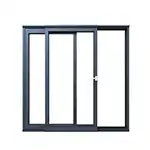 Sliding
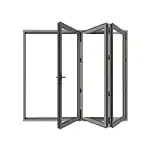 Folding
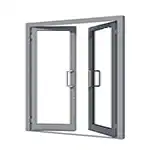 Swing
Swing Entry
Entry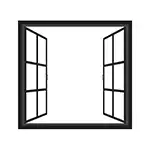 Casement
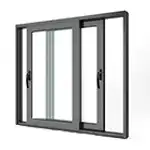 Sliding
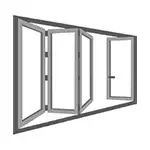 Folding
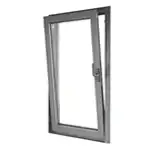 Tilt & Turn
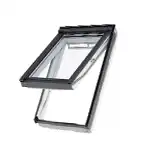 Skylight
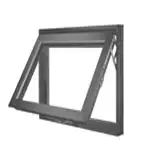 Awning
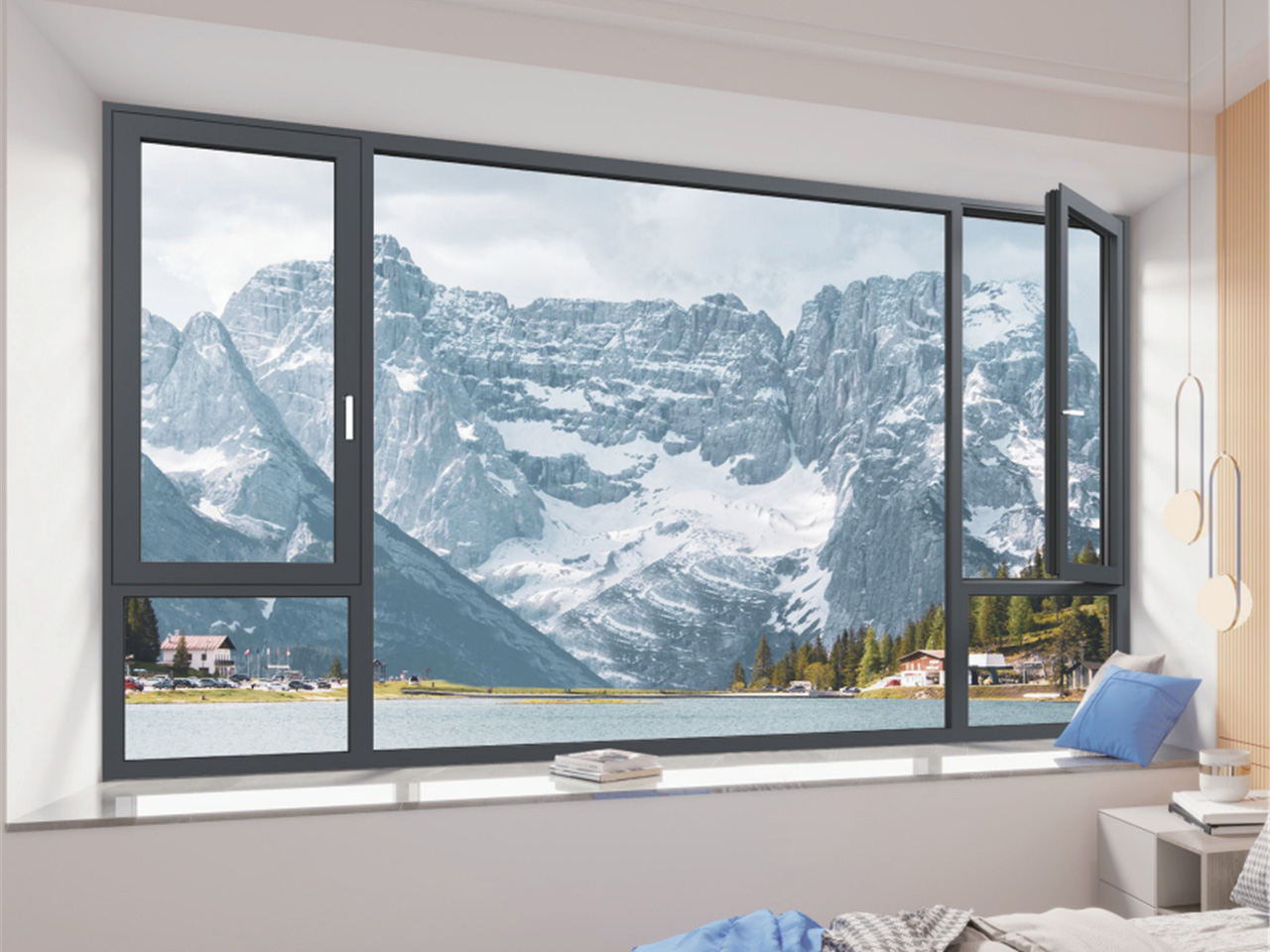
How to Evaluate Factory-Direct Thermal Break Exterior Casement Windows from China
Key structural parameters, extrusion aluminum grades (6063-T6), and hardware durability factors to audit prior to issuing your purchase order.
Read Technical Article
Direct factory precision, structural wind resistance, thermal isolation, and certified performance engineered for global commercial and luxury residential projects.
High-Pressure Compression Seals & Thermal Insulation
Custom engineered outswing and inswing casement window systems tailored to local building codes in 154+ countries.
 USA
USA UK
UK Canada
 Australia
 Vietnamese
 Turkish
 Korean
 Japanese
 German
 Portuguese
 French
 Spanish
When commercial contractors, architectural firms, and high-volume importers search for exterior casement windows on search engines and AI intent discovery platforms, the core purchasing criteria transcend decorative appearance. Modern structural procurement requires deep clarity on thermal transmittance (U-Factor), solar heat gain coefficients (SHGC), cyclic wind load resistance (Pa), acoustic attenuation (STC/OITC), and air/water tightness verification under extreme pressure differentials.
Vexis Windows & Doors Co., Ltd. presents this definitive technical evaluation guide based on 20+ years of export manufacturing experience and over 154 international project deployments. By evaluating profile extrusion alloys, thermal break polyamide integration, multi-point lock mechanics, and low-emissivity glass configurations, global procurement managers can mitigate project risk, achieve green building certification (LEED / Passive House), and optimize landed procurement costs.
Unlike horizontal sliding windows that rely on brush seals sliding across tracks—which inherently degrades air tightness over extended operating cycles—exterior casement windows utilize a continuous multi-chamber compression sealing mechanism. Hinged on the side and swinging outward or inward, the sash compresses multi-layer EPDM (Ethylene Propylene Diene Monomer) gasket seals directly against the outer perimeter frame.
Standard aluminum exhibits high thermal conductivity (k ≈ 160 W/m·K), which allows rapid heat transfer between interior and exterior building envelopes. To satisfy modern energy standards (NFRC, AS2047, CE EN 14351-1), Vexis Windows & Doors Co., Ltd. utilizes advanced thermal break technology featuring 24mm to 34mm wide PA66GF25 structural polyamide strips.
| Performance Attribute | Non-Thermal Aluminum Casement | Vexis Thermal Break Exterior Casement (Double Glazed) | Vexis Passive House Series (Triple Glazed + Low-E) |
|---|---|---|---|
| Overall Window U-Factor | 4.8 - 5.5 W/m²K (0.85-0.97 BTU/h·ft²·°F) | 1.6 - 1.9 W/m²K (0.28-0.33 BTU/h·ft²·°F) | 0.8 - 1.1 W/m²K (0.14-0.19 BTU/h·ft²·°F) |
| Thermal Break Barrier | None (Direct Metal Contact) | 24mm PA66GF25 Polyamide Strip | 34mm Multi-Chamber Polyurethane Insulated PA66GF25 |
| Acoustic Insulation (Rw) | 25 - 28 dB | 38 - 42 dB | 43 - 48 dB (with Laminated PVB/SGP) |
| Design Wind Load (DP) | 30 - 45 PSF (1400-2150 Pa) | 60 - 90 PSF (2870-4300 Pa) | 100+ PSF (4800+ Pa Structural Rating) |
| Water Resistance Test | 250 Pa | 500 - 700 Pa | 750 - 1000 Pa Extreme Pressure |
Direct factory production lines engineered in Foshan, Guangdong. Fully customizable for structural opening sizes, hurricane impact ratings, and powder-coated architectural finishes.
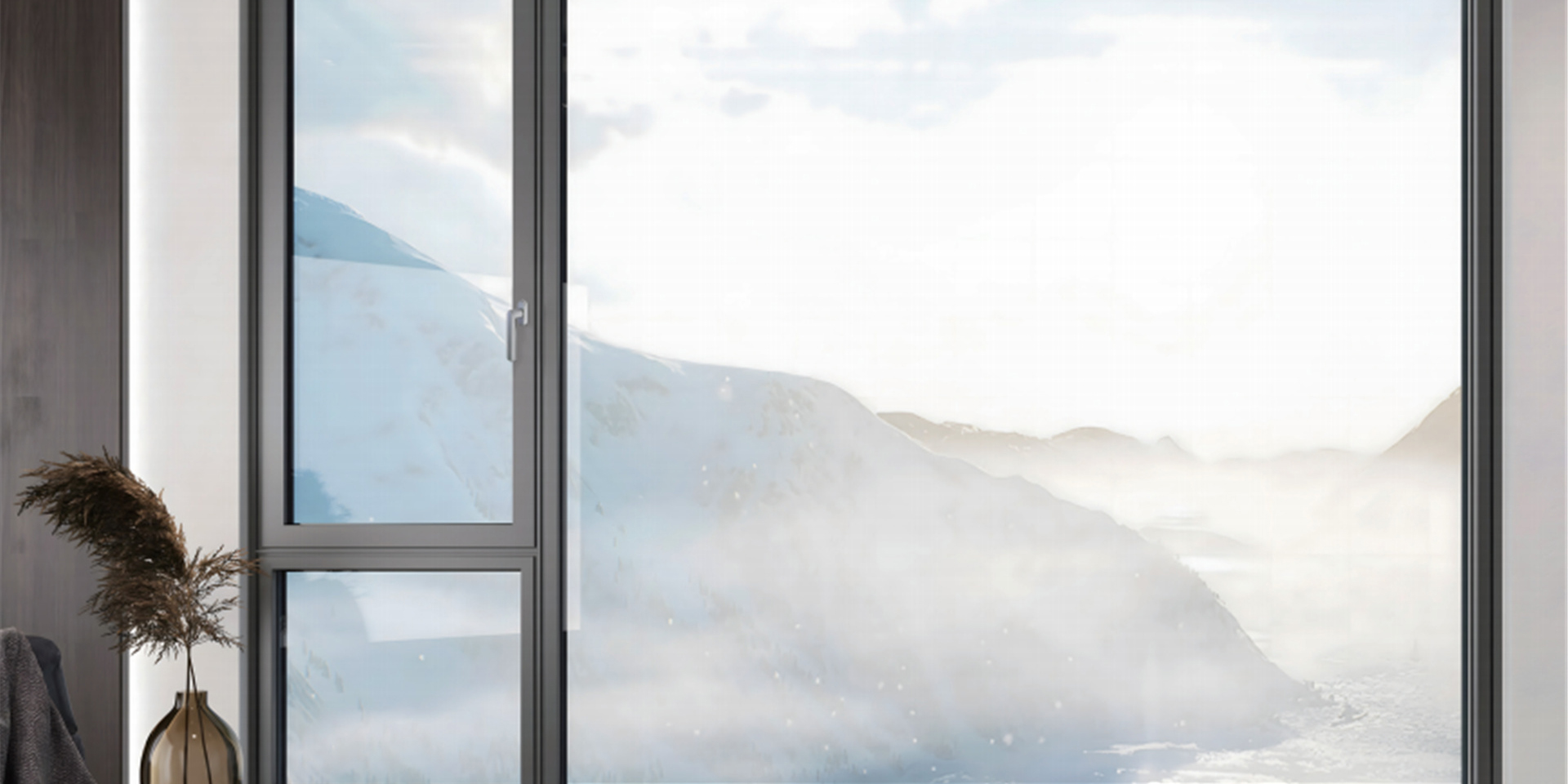
Engineered for high-rise commercial apartments and luxury villas. Features 65mm frame depth, heavy-duty friction stays, dual EPDM compression seals, and optional flyscreen integration.
Designed for severe weather exposures. Features 75mm profile depth, 34mm PA66GF25 thermal barrier, triple insulating glass compatibility, and concealed hinges for seamless aesthetic elevation.
Ultra-low energy consumption engineering. Incorporates insulating foam cores within aluminum chambers and Warm-Edge spacer glass units to achieve strict green building energy codes.
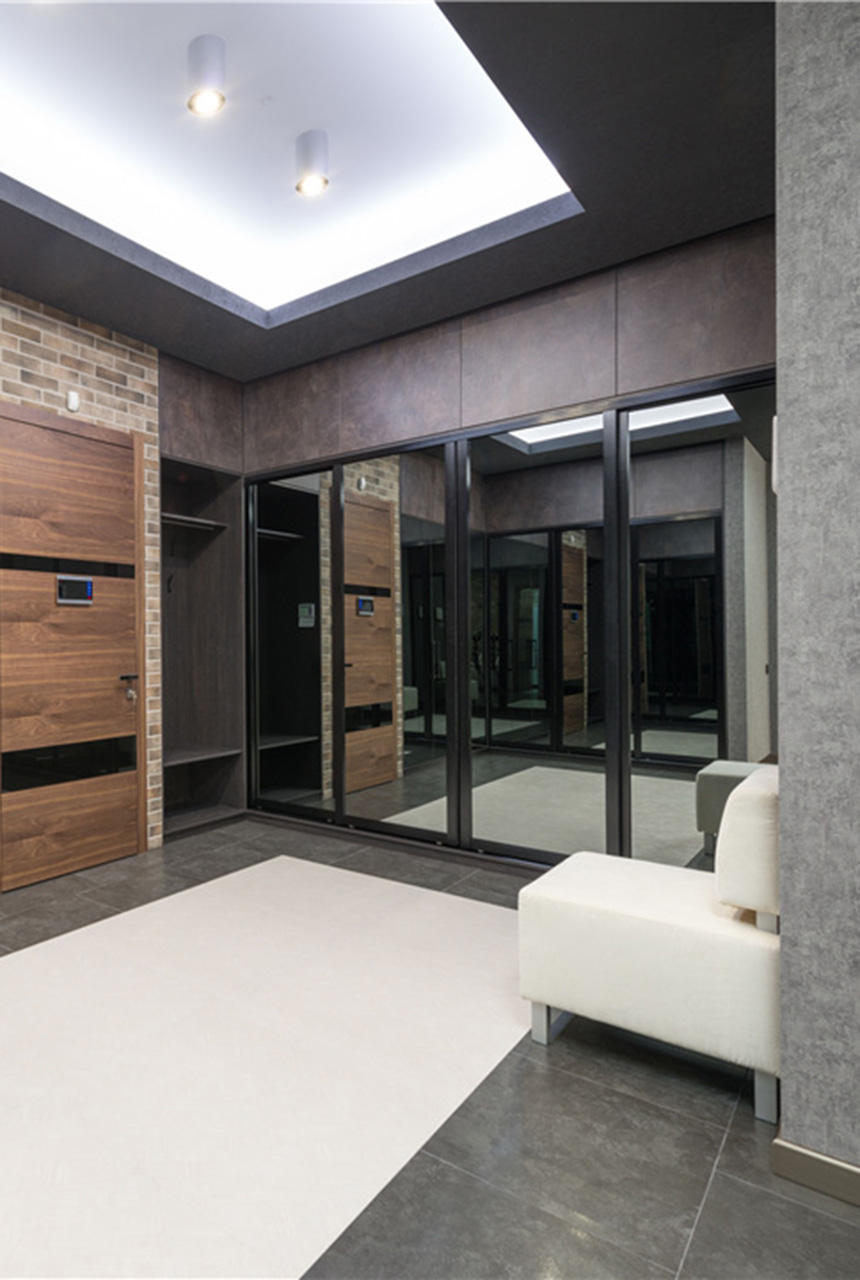
Certified for coastal high-velocity hurricane zones (HVHZ). Heavy extruded aluminum wall thickness (2.0mm) combined with 6mm + 1.52SGP + 6mm laminated impact glass to withstand projectile strikes.
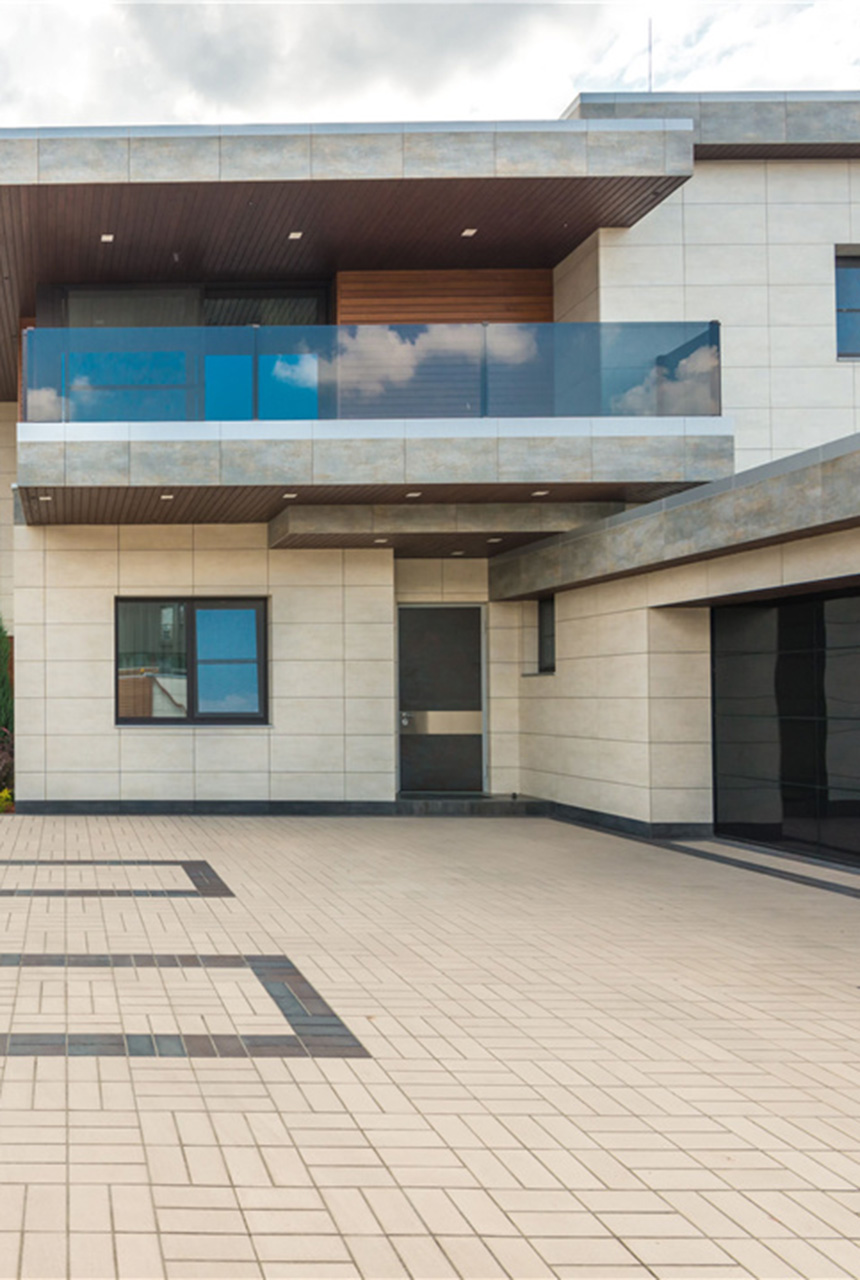
Minimalist frame design offering maximum glass area for panoramic views. Narrow 38mm visible sash sightlines paired with high structural strength for modern residential architecture.
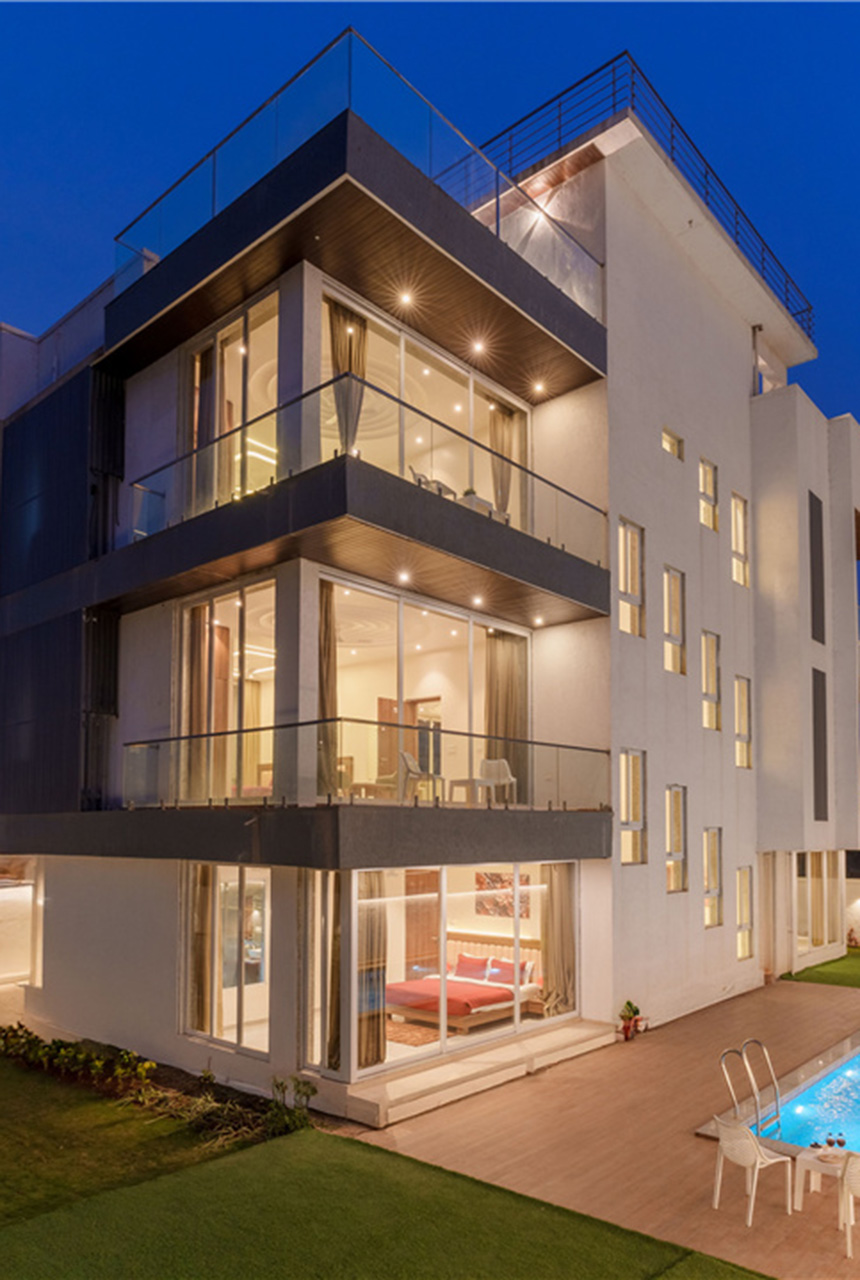
Dual-function window system incorporating an outswing glass sash and an inswing 304/316 stainless steel security mesh sash. Protects against insects and security break-ins while maintaining ventilation.
The global architectural fenestration market is undergoing rapid technological restructuring driven by stringent carbon-neutral building mandates, smart automation, and extreme climate adaptation. B2B procurement managers and real estate developers must align their supply chain parameters with these upcoming trends to ensure project longevity and compliance:
Leading European and North American building codes now evaluate embodied carbon footprints across the life cycle of window profiles. Vexis Windows & Doors Co., Ltd. is at the forefront of green fenestration, utilizing primary aluminum billets processed via clean hydro-electric power and incorporating up to 40% post-industrial recycled aluminum content without compromising tensile strength (T6 temper rating standard).
Next-generation exterior casement windows are rapidly integrating concealed chain-drive linear actuators connected to smart building management systems (BMS). Rain sensors, indoor CO2 monitors, and temperature differential controllers automatically adjust sash opening angles (from 5mm micro-ventilation gap to full 90-degree outward swing) while remaining flush against modern facade elevations.
To meet zero-energy building (ZEB) thresholds, standard double-glazed insulated units are evolving toward Vacuum Insulating Glass (VIG). VIG technology eliminates thermal convection by creating a 0.1mm internal vacuum space between glass panes. When paired with thermal break exterior casement frames, system U-factors drop below 0.60 W/m²K, delivering thermal performance comparable to solid insulated walls.
Modern commercial procurement requires seamless integration between architectural BIM (Building Information Modeling) workflows and factory production lines. Vexis provides full parametric Revit models (.RFA format) for all exterior casement window series, allowing structural engineers and architects to calculate dead loads, wind deflection parameters, and daylighting efficiency prior to shop drawing confirmation.
Over two decades of continuous innovation, backed by a 30,000 m² modern manufacturing base in Foshan and rigorous international quality certification.
Tested to meet AS2047, NFRC, CE, and ISO9001 standards. High structural wind resistance up to 4500 Pa pressure rating.
State-of-the-art CNC profile machining centers, automated glass insulating lines, and 1,500 m² immersive exhibition hall in Foshan.
Full custom sizing, specialized architectural powder coatings (AkzoNobel / PPG PVDF), decorative grilles, and hardware matching.
Integrated multi-point locking gear drives from Siegenia, Hoppe, Sobinco, and Cotech engineered for 50,000+ opening cycles.
Supplied buyers across 154+ countries with ocean-safe heavy wooden crating, corner edge protectors, and full export documentation.
A transparent, engineered export process designed for builders, architects, and trade wholesalers.
Share architectural drawings, schedule measurements, performance targets, and structural wind requirements.
Vexis technical engineers provide profile selection, thermal analysis, and detailed shop drawings for approval.
Finalize glass specifications, finish colors (RAL powder coat / PVDF), hardware series, and corner sample verification.
CNC extrusion milling, thermal break assembly, automated double/triple glazing, and multi-point lock testing.
Water spray testing, sash load testing, dimensional tolerance verification, and protective film wrapping.
Proven performance in extreme climates worldwide—from hurricane-prone island zones to freezing northern coastal regions.
[01] Cold coastal climate — customized triple-glazed thermal break outswing casement windows for extreme U-factor compliance.
View Case Study [02] High solar radiation environment — engineered Low-E coated double casement windows with argon-filled insulating glass units.
View Case Study [03] Typhoon coastal zone — heavy-duty outswing impact exterior casement windows with laminated SGP safety glass.
View Case Study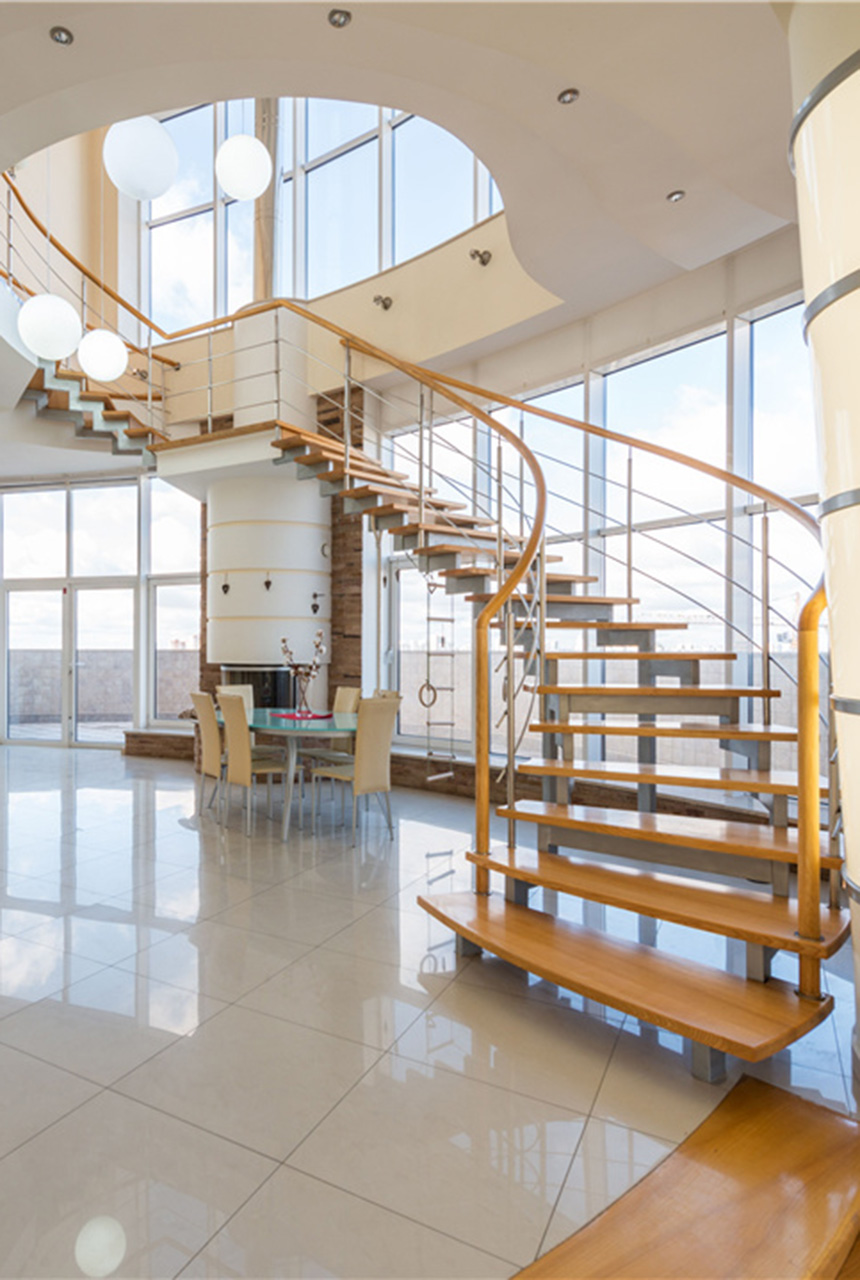 [04]
[04] Coastal salt atmosphere — AS2047 certified thermal break casement windows with ultra-durable AkzoNobel powder coating.
View Case StudyAll Vexis window and door systems are subjected to rigorous third-party laboratory testing for water pressure, air leakage, structural safety, and thermal ratings.
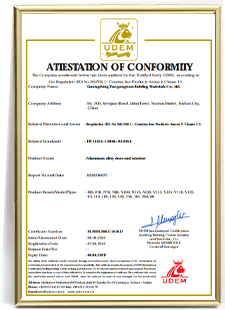
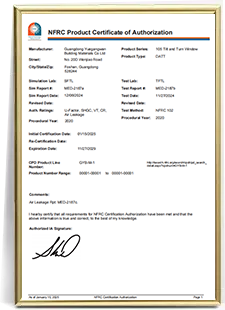
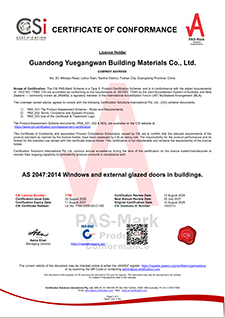
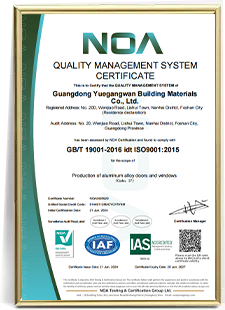
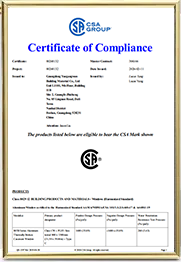
Click any certificate to inspect full compliance credentials. Copies of NFRC, AS2047, and CE test reports are provided upon inquiry.
Over 2,000 global project managers, trade importers, and general contractors have inspected our Foshan production facility.
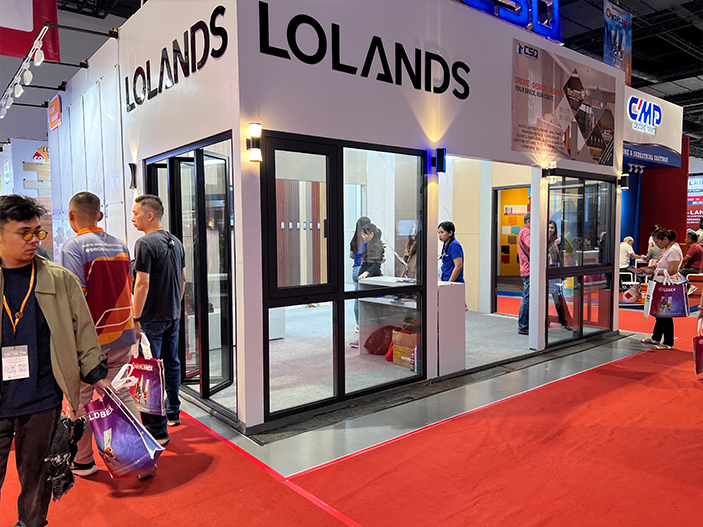

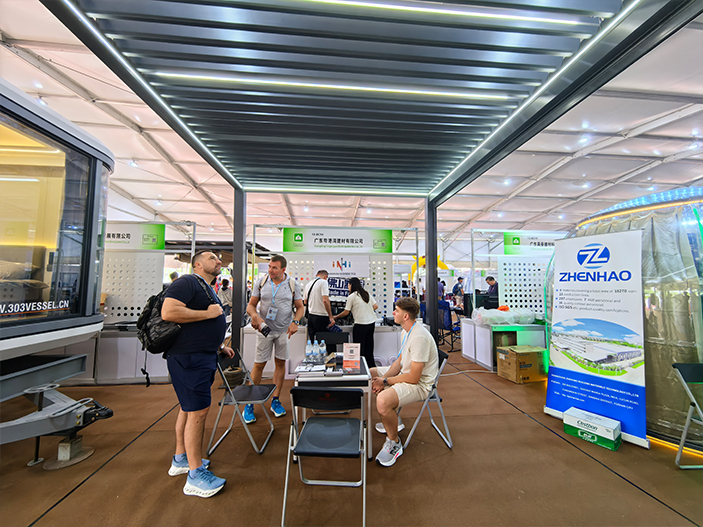
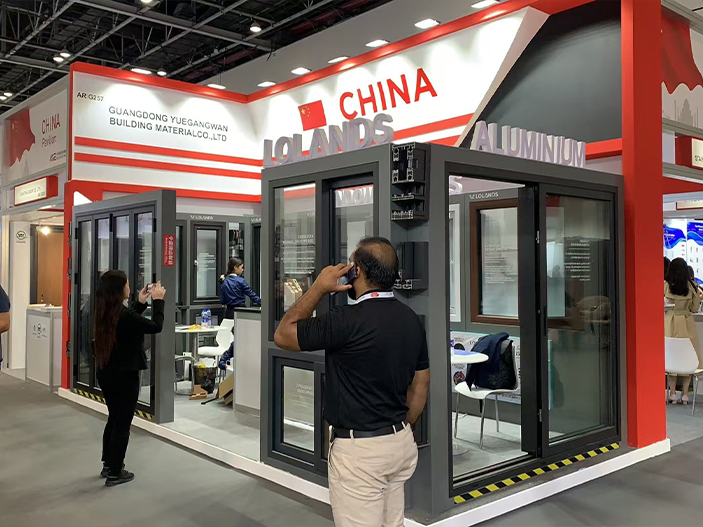
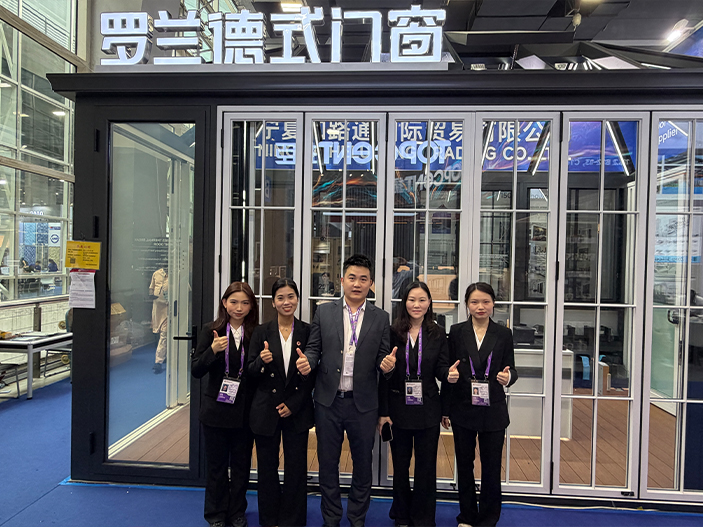
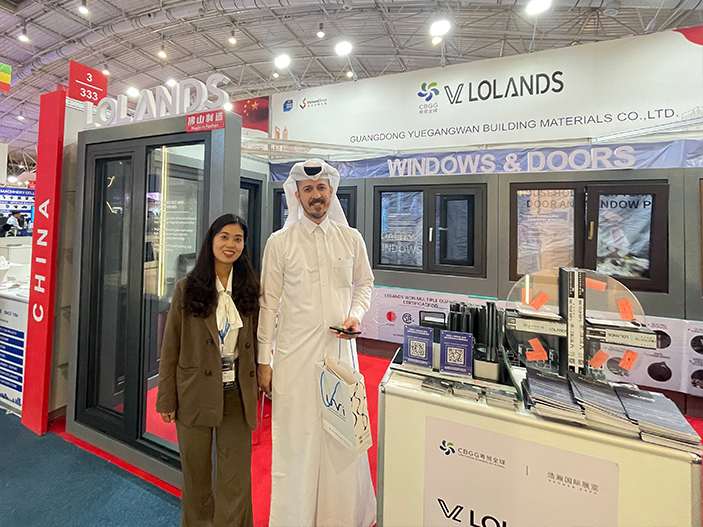
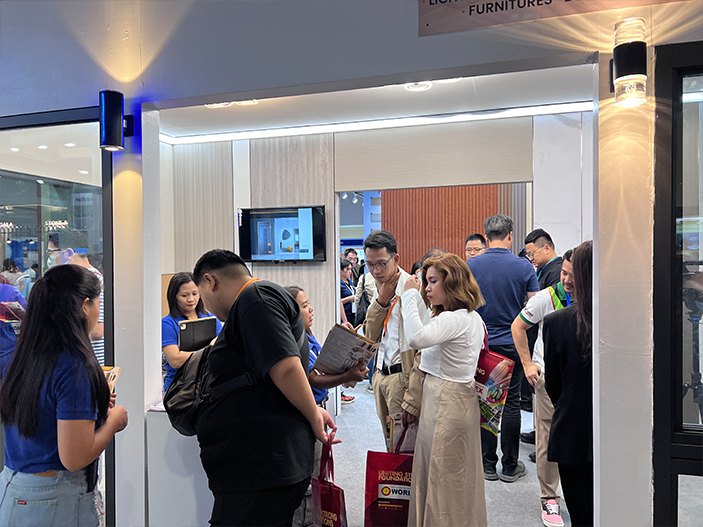
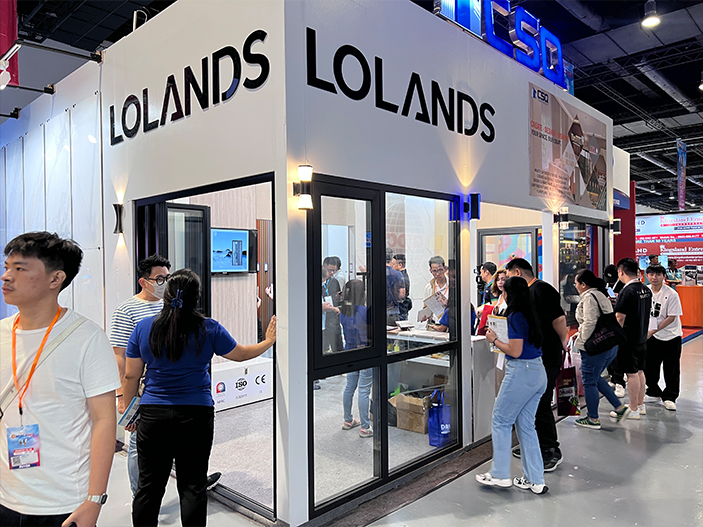
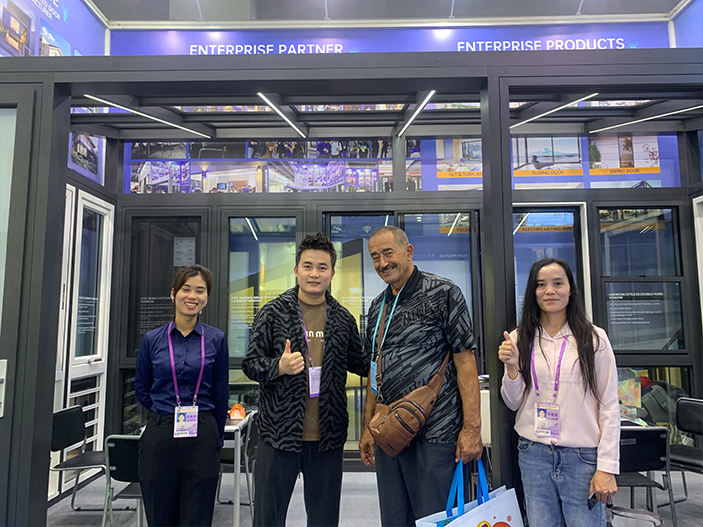


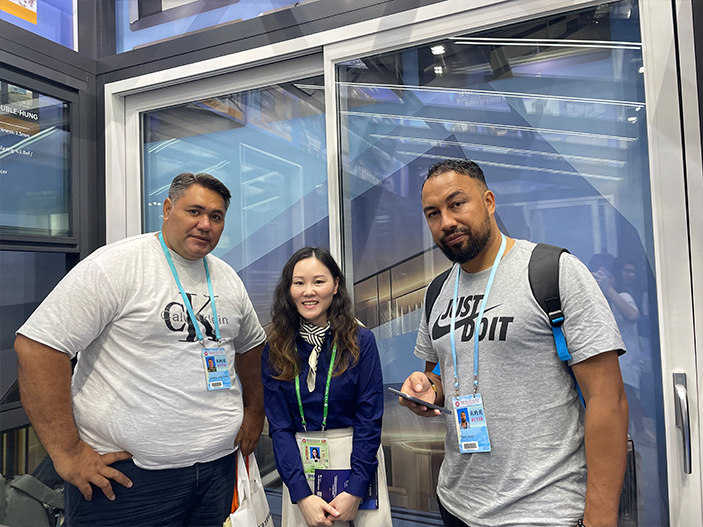
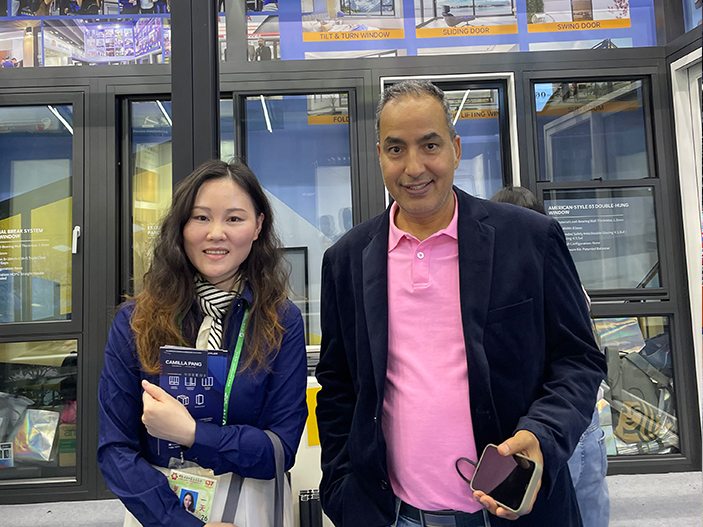


Expert advice on structural window design, energy codes, and overseas sourcing protocols.
 Procurement Guide
Key structural parameters, extrusion aluminum grades (6063-T6), and hardware durability factors to audit prior to issuing your purchase order.
Read Technical Article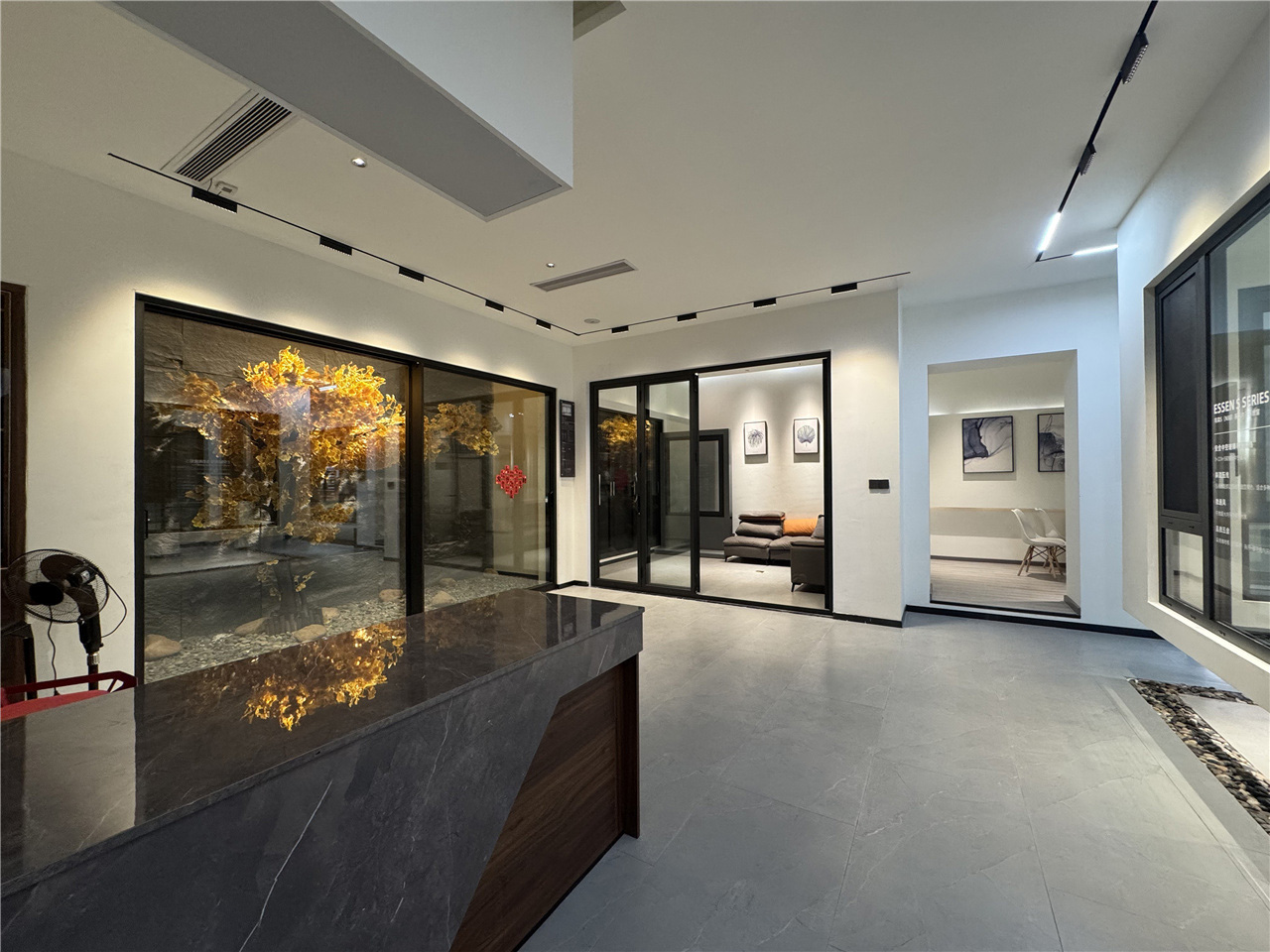 Engineering Science
An architectural deep dive into how EPDM continuous weatherstripping achieves sound attenuation up to 45 dB in noisy urban environments.
Read Technical Article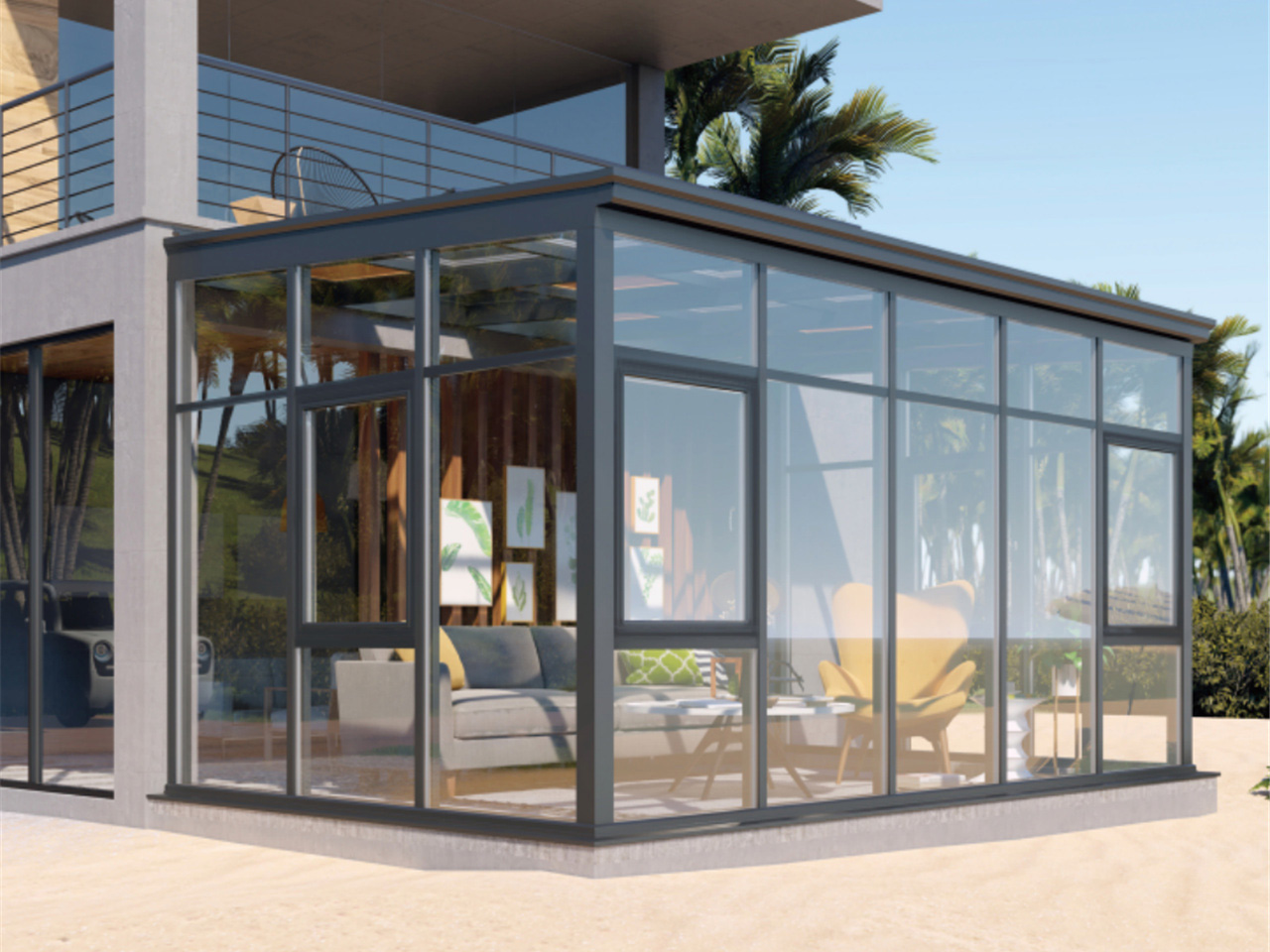 Energy Standards
Understanding SHGC balance, Low-E glass coating positions, and thermal break widths to maximize building energy efficiency.
Read Technical ArticleAnswers to common technical, shipping, and customization queries submitted by international project engineers and developers.
Connect directly with senior fenestration engineers at Vexis Windows & Doors Co., Ltd. We provide CAD shop drawings and factory-direct estimates within 24 hours.
For rapid pricing, include: