Featured White Aluminum Windows & Door Systems
Direct from Foshan manufacturing base. NFRC, AAMA & AS2047 compliant systems designed for hurricane resilience, structural rigidity, and thermal insulation.
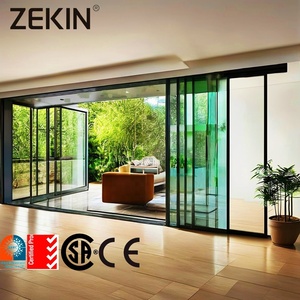
Customized Sliding Door NFRC AS2047 Certification Sliding Door Double Glass Balcony Patio Aluminum Sliding Door
Send an Inquiry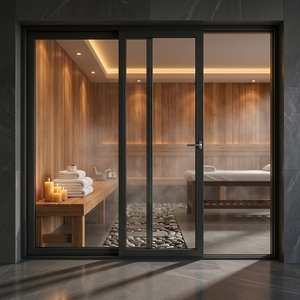
Balcony Patio Aluminum Windows and Doors Energy Efficiency Hurricane Impact Sliding Door
Send an Inquiry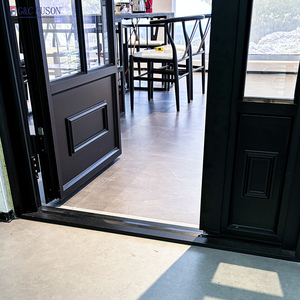
Fuson New Style Minimalist Design Waterproof Exterior Aluminium Glass Double Door Garden Entry Doors Patio Casement French Doors
Send an Inquiry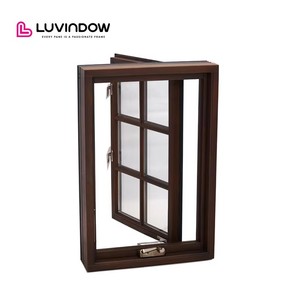
Weather Resistant Aluminum Clad Wood Windows Heat Insulated Crank Casement Windows For Home Airflow Design
Send an Inquiry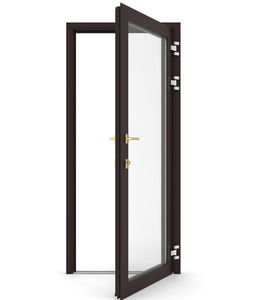
AAMA/NFRC Certified Entrance Aluminium Hinged Doors for Double Glazed Doors
Send an Inquiry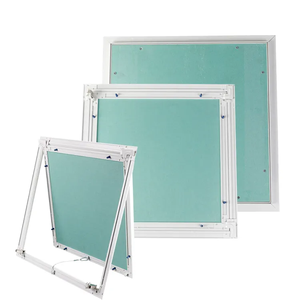
Moisture Proof Inspection Cover Hidden Trap Door Panel Aluminium Drywall Access Panel for Walls and Ceilings
Send an Inquiry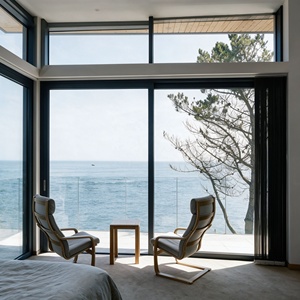
Modern Exterior Thermal Break Aluminum Sliding Door and Window Double Glazed Glass Patio Terrace System House Construction
Send an Inquiry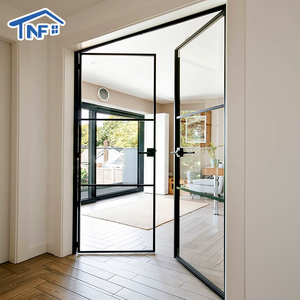
Residential Main Front Entry Aluminum Alloy Double Tempered Glass Manual Modern Security Door Windproof Finished
Send an InquiryEngineering Excellence in Architectural White Aluminum Windows
An authoritative technical breakdown of extruded aluminum alloys, surface chemistry, fluoropolymer coating performance, thermal barrier integration, and fenestration acoustics.
As modern architectural design continues to favor clean, timeless aesthetics, white aluminum windows have solidified their position as a dominant specification in high-end residential towers, coastal villas, commercial headquarters, and hospitality developments. Selecting a trusted aluminum white windows manufacturer & factory requires looking far beyond superficial color. It demands a rigorous evaluation of metallurgical composition, electrostatic finish stability, thermal break geometry, and certified structural performance under intense environmental stress.
1. Profile Metallurgy & Structural Extrusion Standards
The foundation of any high-performance fenestration system lies in its primary alloy formulation. Top-tier manufacturers utilize 6063-T5 and 6063-T6 architectural aluminum extrusions, formulated with precise silicon and magnesium ratios to maximize tensile strength without compromising elasticity or workability. Unlike recycled scrap aluminum containing heavy impurity levels, prime billet extrusions provide an exceptionally uniform wall thickness (ranging from 1.4mm for residential casements up to 3.0mm+ for heavy-duty curtain walls and commercial sliding units).
Structural integrity is verified through rigorous finite element analysis (FEA), ensuring frames withstand extreme positive and negative wind loads exceeding 5000 Pa. When specified for hurricane zones or high-rise structures, profiles are reinforced with internal multi-chambered webbing and steel sleeves, complying fully with North American AAMA/NFRC standards and Australian AS2047 specifications.
Technical Insight on Architectural Finishes: Pure white finishes (such as RAL 9016 Traffic White and RAL 9010 Pure White) demand extreme chemical purity during profile pre-treatment to prevent micro-pitting and surface yellowing over multi-decade lifespans.
2. Surface Coating Science: Powder Coating vs. PVDF Fluoropolymer
The longevity of a white aluminum window frame is entirely governed by its protective surface layer. Solar ultraviolet (UV) radiation, severe humidity, airborne pollutants, and salt spray pose constant threats of chalking, color drift (ΔE), and gloss degradation. Trusted factories employ two primary coating technologies tailored to specific microclimatic exposures:
| Coating Specification | Resin Chemistry | AAMA Standard | Salt Spray Resistance (ASTM B117) | Recommended Project Application |
|---|---|---|---|---|
| Standard Architectural Powder | Triglycidyl Isocyanurate (TGIC) / Polyester | AAMA 2603 | 1,500 Hours | Inland Residential & Low-Rise Commercial |
| Super Durable Powder (SDP) | Hyper-Durable FEVE Modified Polyester | AAMA 2604 | 3,000 Hours | Suburban Commercial & Mid-Rise Residential |
| PVDF Fluoropolymer Coating | 70% Kynar 500 / Hylar 5000 Resin | AAMA 2605 | 4,000+ Hours | Coastal Waterfronts, High-UV Zones & Modern Skyscraper Facades |
In automated powder-coating lines, extrusions undergo a meticulous 7-stage pre-treatment process: alkaline degreasing, acid etching, deoxidizing, chrome-free zirconium conversion, and deionized water rinsing. This electrostatic bonding ensures a dry film thickness of 60–90 microns. For harsh marine or desert conditions, 70% PVDF liquid fluoropolymer coatings baked at temperatures above 230°C deliver unparalleled chemical resistance, ensuring the crisp white shade retains its color integrity for over 25 years without yellowing.
3. Advanced Thermal Break Technology & Energy Efficiency
Aluminum's inherent high thermal conductivity (approx. 160 W/m·K) requires engineered isolation to achieve modern zero-energy building standards. Premier manufacturing plants integrate multi-chambered Polyamide PA66GF25 (25% glass fiber reinforced) thermal barrier strips that divide the interior and exterior aluminum extrusions.
By breaking the conductive path, thermal break white windows achieve whole-window U-factors down to 0.24 Btu/h·ft²·°F (U-value ~ 1.35 W/m²K) when paired with high-performance Insulated Glass Units (IGUs). The inclusion of continuous EPDM (Ethylene Propylene Diene Monomer) gasket seals across 3 internal sealing planes prevents air infiltration and water ingress during heavy storm cycles.
Why Modern Developers Sourcing White Aluminum Windows Partner with Us
Combining advanced Foshan manufacturing capacity with deep engineering customization for smooth international project delivery.
AAMA 2605 Certified Finishing
Automated powder coating and PVDF spray lines guarantee 25-year non-yellowing durability, exceptional UV chalk resistance, and zero color variance across production batches.
Full BIM & CAD Customization
Our in-house structural engineering team provides complimentary Shop Drawings, structural calculation reports, and thermal modeling to streamline project approvals.
Global Standard Certification
Systems independently tested and certified for NFRC energy performance, North American AAMA architectural standards, and Australian AS2047 structural requirements.
Multi-Glazing Thermal Systems
Accommodating double-pane, triple-pane, and argon-gas filled Low-E insulated glass units with warm-edge composite spacers for optimal solar heat gain control.
Strict Export Packaging QC
Every white finished profile is wrapped with protective surface film, enclosed in custom wooden crates, and moisture-sealed for heavy sea transport safety.
Factory-Direct Sourcing Efficiency
Eliminate middleman markups by purchasing directly from our 30,000 m² automated production facility in Foshan, securing competitive wholesale B2B pricing.
2025–2030 Global Procurement Trends in Aluminum Window Systems
How evolving building codes, decarbonization targets, and architectural styles are transforming window manufacturing.
The global fenestration industry is undergoing a structural shift driven by stringent municipal energy mandates, net-zero carbon initiatives, and evolving residential architectural preferences. B2B buyers, real estate developers, and international contractors must realign their procurement criteria to match these key market transformations:
Trend 1: Ultra-Slim Sightlines & Panoramic Thermal Profiles
Modern luxury architecture heavily favors minimal frame visibility and maximal daylight transmission. Manufacturers are replacing traditional bulky sash profiles with ultra-slim architectural interlocks (as narrow as 18mm to 25mm). Achieving structural rigidity with such minimal profiles requires high-tensile 6063-T6 aluminum alloys and concealed structural structural silicone bonding, giving white aluminum sliding doors and casement windows a sleek, floating glass effect.
Trend 2: Low-Carbon Recycled Aluminum & EPD Transparency
Environmental Product Declarations (EPDs) are rapidly shifting from optional marketing collateral to mandatory bidding requirements in North America and Western Europe. Leading factories are shifting toward primary billets refined with green hydro-power or using high-percentage post-consumer recycled aluminum, reducing embodied carbon footprints by up to 70% while maintaining identical structural characteristics.
Trend 3: Smart Building Automation & Concealed Motorization
The integration of smart home automation directly into window frames is accelerating. Modern white aluminum awning and tilt-and-turn windows are increasingly engineered with concealed electrical chain actuators, magnetic sensor locks, and automated rain sensors. Procurement teams now require manufacturers to provide pre-milled wire channels and integrated junction boxes directly inside the thermal break profile.
Trend 4: Hurricane-Resistant Impact Systems & Acoustic Comfort
Coastal urban centers facing extreme weather events demand windows with high design pressure (DP) ratings. Laminated impact glass (e.g., PVB or SGP interlayers paired with tempered glass) integrated into heavy-duty white aluminum frames ensures protection against flying debris and 160+ mph wind loads. Concurrently, multi-chambered frame seals provide high Sound Transmission Class (STC 40–45) ratings to shield building occupants from urban noise pollution.
Frequently Asked Questions for Project Buyers
Clear, direct technical answers to simplify your inquiry, engineering validation, and order placement.
What color standards and surface finishes are available for white aluminum windows?
▼
How does your factory ensure the white coating does not turn yellow or peel in coastal/high-UV areas?
▼
What certifications can you provide for project submittals and local building approvals?
▼
Can you manufacture custom sizes, arch tops, and irregular window frame configurations?
▼
What glazing options are recommended for high energy efficiency and soundproofing?
▼
What protection is applied during shipping to prevent white profiles from being scratched or dirty?
▼
What is your standard production lead time and Minimum Order Quantity (MOQ)?
▼
Partner with a Leading White Aluminum Window Manufacturer
Ready to elevate your project with factory-direct pricing, certified structural performance, and precision-engineered white aluminum window systems? Our engineering team is standing by to provide CAD shop drawings, thermal calculations, and competitive factory quotes within 24 hours.