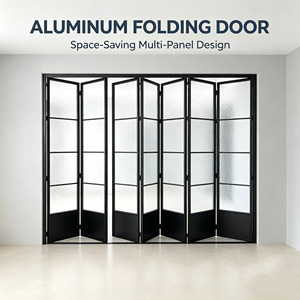
Global Export Catalogue
Featured Aluminum Window & Door Systems
Factory-direct high-performance architectural systems custom fabricated for residential, commercial, and coastal applications.
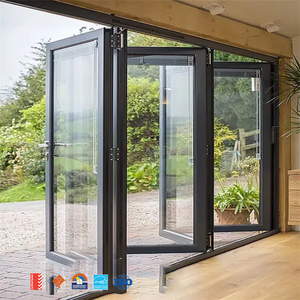
AMJ Heavy Duty Coastal Glass Commercial Aluminum windows and Doors Patio Folding Glass Door Double Glazed Glass Bifold Doors
Get a Quote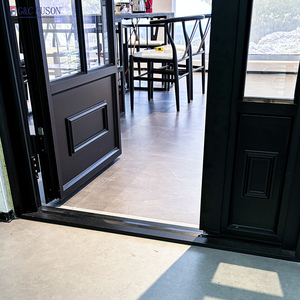
Fuson New Style Minimalist Design Waterproof Exterior Aluminium Glass Double Door Garden Entry Doors Patio Casement French Doors
Get a Quote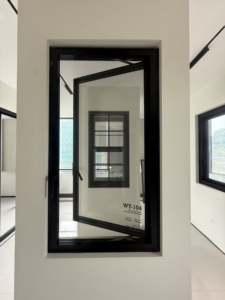
DERCHI Modern Aluminum and Glass Windproof Customizable Size High-Performance Casement Window Hurricane Proof windows
Get a Quote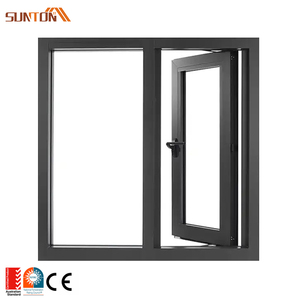
AS2047 Australian Standard Aluminium Alloy Double Glazed Glass Door and Aluminum Casement Window
Get a Quote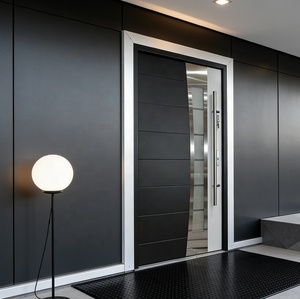
Anti-Theft Security Front Entry Doors Villa Exterior Metal Main Entry Doors New Design Aluminum Entry Doors
Get a Quote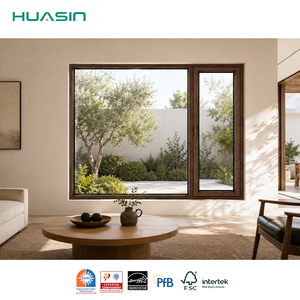
HUASIN Aluminum Clad Wood Tilt and Turn Window Custom Passive House Window for Building Projects Aluminum Clad Wood Windows
Get a Quote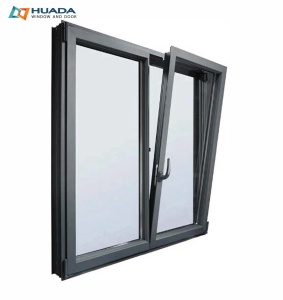
CSA Certification Canada Standard Energy Star Tilt and Turn Window Inswing Window Casement Window Aluminum Windows
Get a QuoteArchitectural Procurement Guide: High-Performance Aluminum Jalousie Windows
In modern tropical, sub-tropical, and high-humidity coastal architecture, natural cross-ventilation paired with structural wind resistance defines the efficacy of fenestration design. Aluminum jalousie windows (louver windows) have evolved from functional ventilation slots into highly engineered structural glass-and-aluminum assemblies. By enabling 100% airflow expansion across the window opening—compared to 50% in sliding configurations and 75% in top-hung awnings—jalousie windows represent the most thermodynamically efficient passive cooling fenestration system available on the market today.
1. Metallurgy, Extrusion Alloys, and Structural Blade Mechanics
The structural longevity of an aluminum louver window rests heavily on its profile alloy composition and temper specifications. Premium OEM manufacturers exclusively utilize 6063-T5 or 6063-T6 aluminum alloys, extruded to profile wall thicknesses between 1.4mm and 2.0mm for residential and high-rise commercial specifications.
Technical Specification Note: 6063-T6 alloy extrusions deliver an ultimate tensile strength exceeding 205 MPa and a yield strength of 170 MPa. This structural rigidity prevents frame distortion under intense cyclic wind loads, securing smooth operational torque across multi-blade louver galleries up to 3,000mm in height.
Modern jalousie systems integrate heavy-duty mechanical rack-and-pinion or dual-bar driving mechanisms fabricated from 304 or 316-grade stainless steel, combined with UV-stabilized polyamides. Blade clips must retain clip tightness over tens of thousands of cycles without degradation. When sourcing from tier-1 factories in China's prime aluminum hub (Foshan), buyers should verify that louver clips are engineered with dual EPDM perimeter gaskets. This construction ensures air tightness (ASTM E283) and water resistance under pressure differentials (ASTM E331).
2. Glazing Configurations and Thermal Break Advancements
Historically criticized for thermal bridging, next-generation louver windows utilize continuous thermal break technology within the primary frame outer extrusions. Reinforced polyamide (PA66GF25) structural insulation bars isolate the exterior aluminum surface from interior ambient temperatures, drastically reducing total system U-values.
Furthermore, louver blade options have expanded beyond traditional 6mm monolithic tempered glass or extruded aluminum blades. Modern commercial specifications frequently mandate:
- Double-Glazed Insulated Louver Blades: Incorporating 4mm + 9A + 4mm toughened glass units fitted into framed louver clips, delivering acoustic attenuation up to STC 38.
- Solar Control Low-E Coatings: Soft-coat Low-E surface treatments reflecting long-wave infrared heat while permitting maximum visible light transmittance (VLT > 65%).
- Frosted & Tinted Safety Glass: High-impact laminated or silk-screened patterned glass providing solar shading coefficient (SHGC) adjustments down to 0.32.
| Louver Blade Type | Frame Alloy / Temper | U-Value (W/m²K) | Water Resistance (Pa) | Acoustic Rating (STC) |
|---|---|---|---|---|
| 6mm Monolithic Toughened | 6063-T5 Standard Aluminum | 5.4 - 5.8 | 300 Pa | 28 dB |
| Double-Glazed (4+9A+4) | 6063-T6 Thermal Break | 2.2 - 2.6 | 450 Pa | 36 dB |
| Extruded Aluminum Aerofoil | 6063-T6 Heavy-Duty Profile | 1.8 - 2.1 | 600 Pa (Storm Rated) | 32 dB |
| Laminated Low-E Glass (6.38mm) | 6063-T5 Architectural Grade | 3.8 - 4.1 | 400 Pa | 34 dB |
3. Future Procurement Trends & Technology Evolution (2026–2035)
The global window and door market is experiencing a structural pivot toward automated carbon-neutral fenestration. As green building certifications (LEED v4.1, BREEAM, EDGE) become standard mandates across North America, Europe, Australia, and the Middle East, procurement trends for aluminum jalousie windows are shifting rapidly:
A. Motorization & Smart Building Automation (BMS Integration): Manual crank handles and leverage operators are increasingly replaced by concealed 24V DC linear actuators. Synchronized with building management systems, these smart louvers automatically open based on indoor CO₂ sensors, humidity levels, and night-purge cooling schedules, then close immediately upon detection of rainfall or wind gusts via ultrasonic weather stations.
B. Hurricane-Rated & Cyclone Structural Compliance: Tropical coastal zones (Florida, Caribbean, Australia Region C/D, South Pacific) demand louver assemblies that meet stringent impact testing (Miami-Dade NOA, AS2047, ASTM E1996). Upgraded jalousies feature interlocking aluminum louver blades with continuous stainless steel pivot rods designed to withstand cyclic wind pressures exceeding 4.0 kPa.
C. Surface Treatment Innovation (PVDF vs. Fluorocarbon Powder Coating): To combat coastal salt-spray corrosion and high solar UV degradation, exporters now implement AkzoNobel or PPG Interpon architectural powder coatings alongside 3-coat PVDF wet spraying systems. These coatings guarantee color fastness and zero chalking for up to 25 years under harsh marine exposure.
Manufacturing Rigor
Why Direct Factory Sourcing Matters
Partner with a verified manufacturing enterprise combining deep structural engineering with global export execution.
In-House R&D & Tooling
Over 20 years of fenestration engineering expertise. We own complete profile extrusion dies, thermal strip assembly lines, and custom louver hardware tooling, ensuring end-to-end quality precision.
Global Certification Conformance
Engineered to meet Australian Standard AS2047, North American CSA/NFRC specifications, and European CE standards. Full test reports and structural calculations are supplied for project tenders.
Export Crating & Ocean Protection
Every window assembly undergoes rigorous 5-stage packaging: protective surface film, foam corner wraps, vacuum plastic sealers, and fully enclosed fumigated wooden crates designed for zero-breakage ocean freight transit.
Sourcing Intelligence
Frequently Asked Questions by Global Buyers
Crucial answers regarding custom production, international standards, minimum order quantities, and project delivery logistics.
What are the key technical advantages of aluminum jalousie windows over standard sliding windows?
Aluminum jalousie (louver) windows offer 100% net free ventilation area across the window opening frame, whereas sliding windows max out at 50%. Furthermore, jalousie louvers allow precise airflow direction control by angling the blades. Modern aluminum jalousies feature EPDM weather seals, multi-point lock galleries, and insulated double glass options that mitigate traditional draft and water leakage issues.
Can your factory customize louver dimensions, glass types, and extrusion finishes to architectural drawings?
Yes. Every order is manufactured 100% to project specification. We customize frame depths (50mm to 125mm), louver blade widths (4-inch / 100mm, 6-inch / 150mm, or custom aerofoil blades up to 300mm), glass configurations (monolithic tempered, laminated, Low-E, tinted, frosted), and frame finishes including anodized silver, PVDF coatings, and wood-grain powder finishes matching RAL color codes.
How do you guarantee wind load performance and rain tightness in coastal cyclone regions?
Our heavy-duty commercial louver systems utilize T6 temper 6063 aluminum extrusions with reinforced mullions for high wind pressure resistance. Dual-lip continuous EPDM seals are integrated into both the blade edge and clip mechanism. Our designs are engineered and independently tested to meet AS2047 and ASTM standards for structural deflection (P1), air infiltration (P2), and water penetration resistance up to 450Pa–600Pa pressure differentials.
What certifications and test reports do you provide for commercial project compliance?
We provide full factory test documentation, material mill certificates, ISO9001 quality management records, AS2047 test reports (Australia), CSA compliance verification (Canada), and CE certification documents (Europe). Shop drawings with detailed structural load calculations are submitted for client approval prior to production initialization.
What is the lead time for custom production orders and global sea freight shipping?
Typical manufacturing lead time is 25 to 35 business days following shop drawing sign-off and deposit receipt. Shipping duration varies by destination port: 12-18 days to Southeast Asia/Australia, 20-30 days to North America West/East Coasts, and 28-35 days to European ports. We coordinate full container loads (FCL) or less-than-container loads (LCL) directly with major shipping lines.
What details should buyers provide to receive an accurate factory quotation?
To receive a precise engineering quotation within 24 hours, please provide: 1) Window elevation schedules or opening sizes; 2) Desired product type and opening mechanisms (manual vs motorized); 3) Preferred glass specification and aluminum finish color; 4) Total quantity required; and 5) Project location or target discharge sea port.
Ready to Source High-Performance Louver Systems Direct from Factory?
Connect directly with our senior fenestration engineers to request technical consultation, shop drawings, and factory-direct pricing for your project.
Get a Quote