Featured Fenestration Systems & Product Catalog
Factory-Direct Systems Engineered for Extreme Structural Loads, Thermal Efficiency, and Architectural Versatility
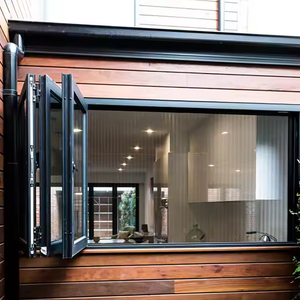
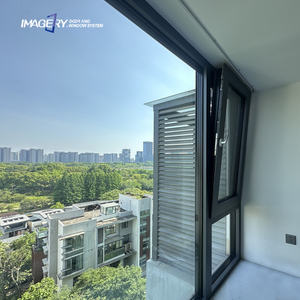
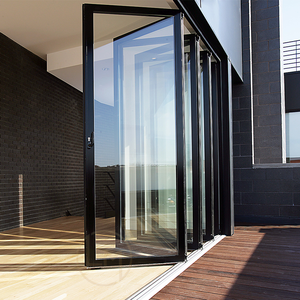
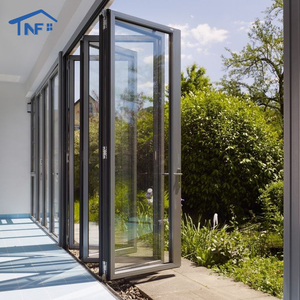
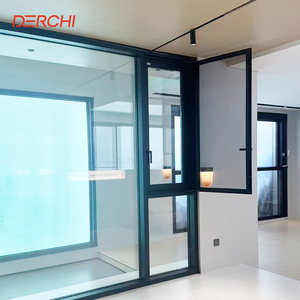
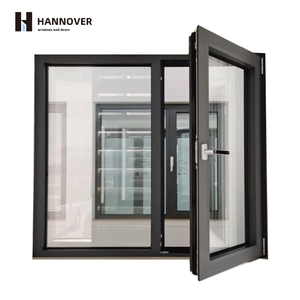
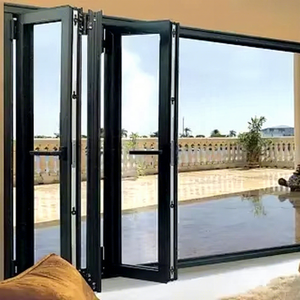

Comprehensive Engineering Guide to Architectural Aluminum Hopper Windows
In modern architectural fenestration design, aluminum hopper windows—which hinge at the bottom and open inward from the top—play a critical structural and functional role in commercial buildings, educational institutions, high-density residential developments, and basement level applications. Known for providing optimal micro-ventilation while maintaining stringent water infiltration protection, hopper windows represent an indispensable component of high-performance envelope systems.
When selecting verified aluminum hopper windows manufacturers and exporters, structural engineers, facade consultants, and general contractors must look beyond surface aesthetic appeal. True fenestration reliability stems from profile alloy selection, thermal break technology integration, multi-point compression locking mechanics, and precision gasket manufacturing. As leading extrusion and fabrication specialists based in Foshan, China—the world’s epicenter for architectural aluminum manufacturing—Vexis Windows & Doors Co., Ltd. sets the global benchmark for heavy-duty, thermally isolated hopper and specialty window manufacturing.
Structural Profile Anatomy & Alloy Specifications
The foundation of an industrial-grade aluminum hopper window lies in its extruded alloy composition. Premium manufacturers utilize 6063-T5 or 6063-T6 architectural grade aluminum extrusions featuring a minimum frame wall thickness ranging between 1.4mm for standard residential openings to 2.0mm–3.0mm for heavy-duty commercial curtain wall insertions. The T6 temper treatment imparts exceptional tensile strength (up to 205 MPa) and yield strength (up to 170 MPa), ensuring the frame withstands severe negative wind pressures experienced at elevated building heights.
PA66-GF25 Thermal Insulation
Utilizing polyamide 66 reinforced with 25% glass fiber thermal barriers to interrupt thermal conduction across inner and outer aluminum profile chambers, dramatically reducing total U-factors.
Triple EPDM Weather Sealing
Precision-molded Ethylene Propylene Diene Monomer (EPDM) continuous gaskets create air-tight seal chambers under mechanical sash compression, yielding Class 4 air permeability ratings.
Heavy-Duty Friction Stays
Austenitic 304/316 stainless steel heavy-duty friction stays and scissor arm limiters ensure smooth, controlled inward tilt angles (15° to 45°) under heavy glass panel weight.
Engineering Metrics & Technical Performance Matrix
When engineering fenestration schedules for global B2B procurement, compliance with international standards such as NFRC, ASTM, and European EN norms is paramount. Below is the technical performance baseline engineered across Vexis custom aluminum hopper systems:
| Performance Parameter | Test Standard / Classification | Achievable Values / Engineering Specification |
|---|---|---|
| Thermal Transmittance (U-Factor) | ISO 10077-2 / NFRC 100 | 0.24 – 0.35 Btu/h·ft²·°F (1.37 – 1.98 W/m²·K) with Triple Low-E IGU |
| Air Permeability | ASTM E283 / EN 12207 | Class 4 (Under 0.1 m³/h·m at 600 Pa) |
| Water Tightness / Resistance | ASTM E331 / EN 12208 | Class E1050 (Static water pressure resistance up to 1050 Pa) |
| Structural Wind Load Capacity | ASTM E330 / EN 12210 | Class C5 (Serviceability pressure up to ±3000 Pa, Design Load 4500 Pa) |
| Acoustic Insulation Rating | ASTM E413 / ISO 717-1 | STC 38 – STC 45 (Rw 39dB – 46dB) depending on Laminated IGU composition |
| Anodizing & Powder Coating | AAMA 2604 / AAMA 2605 / Qualicoat | 25–60 Micron Fluoropolymer (PVDF) or Class I Anodized Finish |
Global Sourcing & Architectural Trends: 2026–2030 Outlook
The global architectural glazing and fenestration industry is undergoing a structural transformation driven by net-zero building mandates, stringent carbon footprint legislation, and the rapid evolution of smart building automation. Importers, facade contractors, and project developers must align their supply chains with manufacturers equipped to deliver advanced, eco-conscious fenestration solutions.
1. Decarbonization & Low-Carbon Primary Aluminum Extrusions
With international carbon border adjustment mechanisms coming into force, energy-intensive building materials are under intense scrutiny. Leading exporters are transitioning to hydro-powered green aluminum and high recycled-content alloys (over 75% recycled scrap). By integrating circular economy raw materials, overall embodied carbon within window profiles is reduced by up to 65%, enabling developers to earn vital points toward LEED v4.1 and BREEAM certifications.
2. Smart Building Automation & Concealed Actuator Integration
Commercial building management systems (BMS) increasingly demand automated environmental controls for natural night-purge ventilation. Modern hopper windows are now engineered with concealed chain-drive linear electric actuators operating at 24V DC. Integrated seamlessly within the frame profile cavity, these smart actuators connect to building sensor networks to automatically open hopper sashes during humidity spikes or CO2 threshold breaches while maintaining sleek, unencumbered sightlines.
3. Ultra-Slim Sightlines & Concealed Sash Engineering
Architectural design continues to prioritize maximum natural daylighting and minimal visible framing. Traditional bulkiness in commercial hopper windows is being replaced by concealed sash system geometry, where the operable glass frame disappears behind the outer frame profile when viewed from the building exterior. This creates a uniform elevation that blends effortlessly with fixed window modules and structural silicone glazing facades.
Proven Global Project Execution Footprint
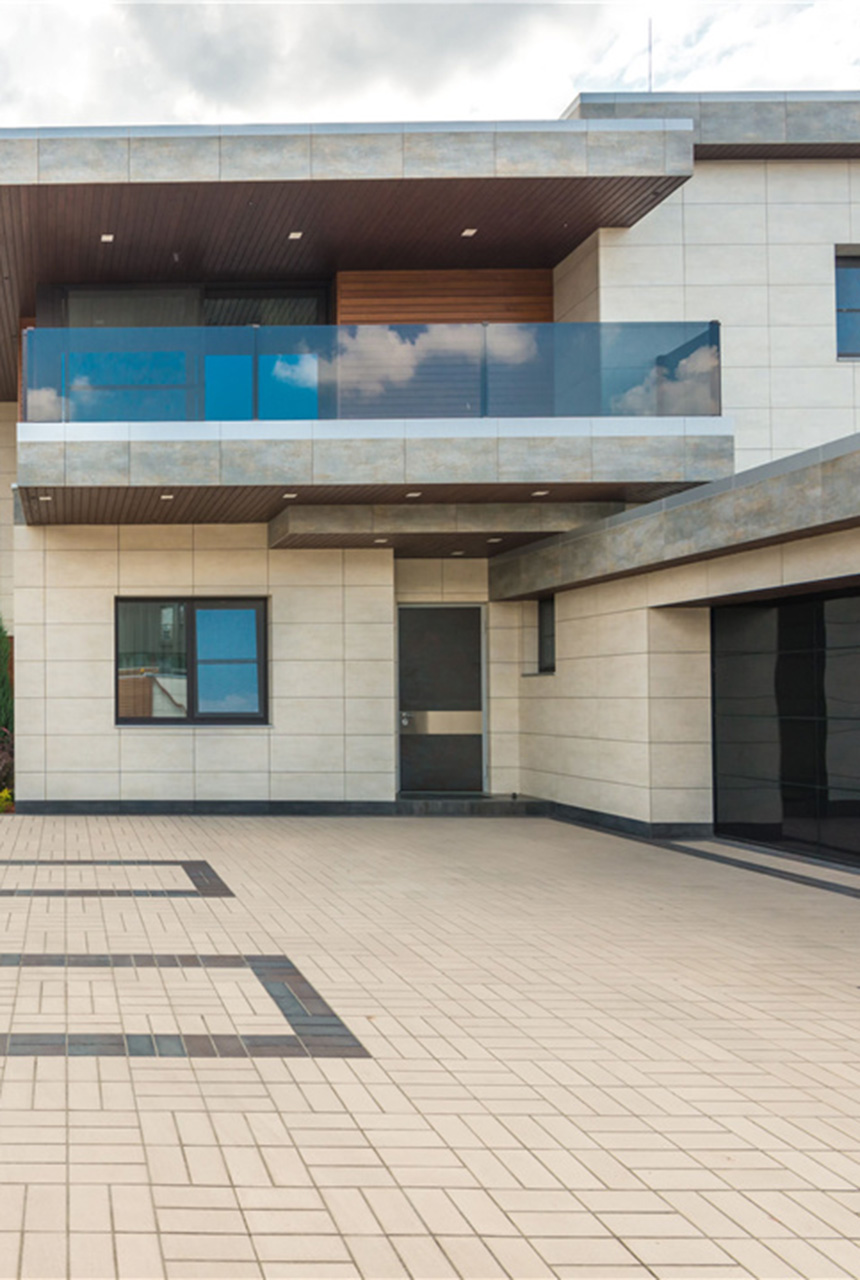
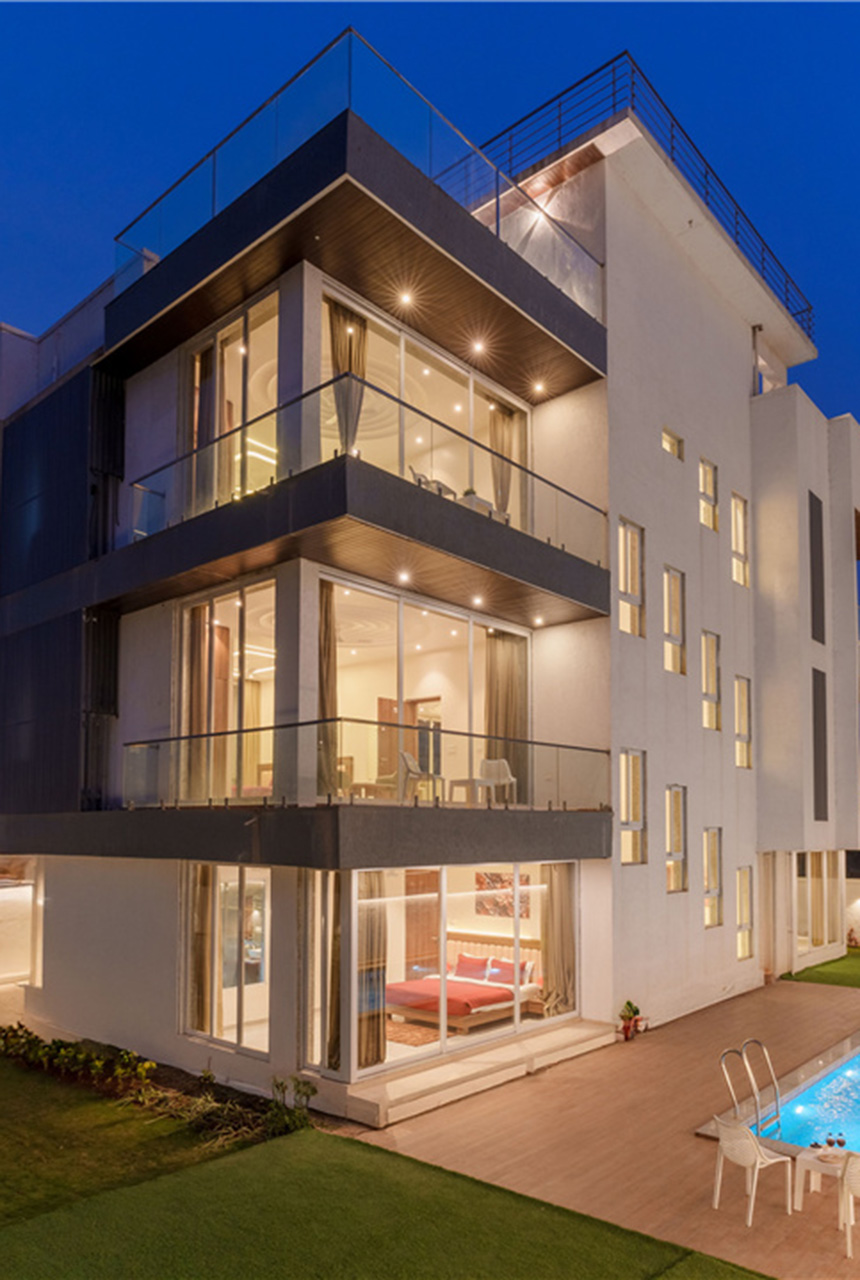
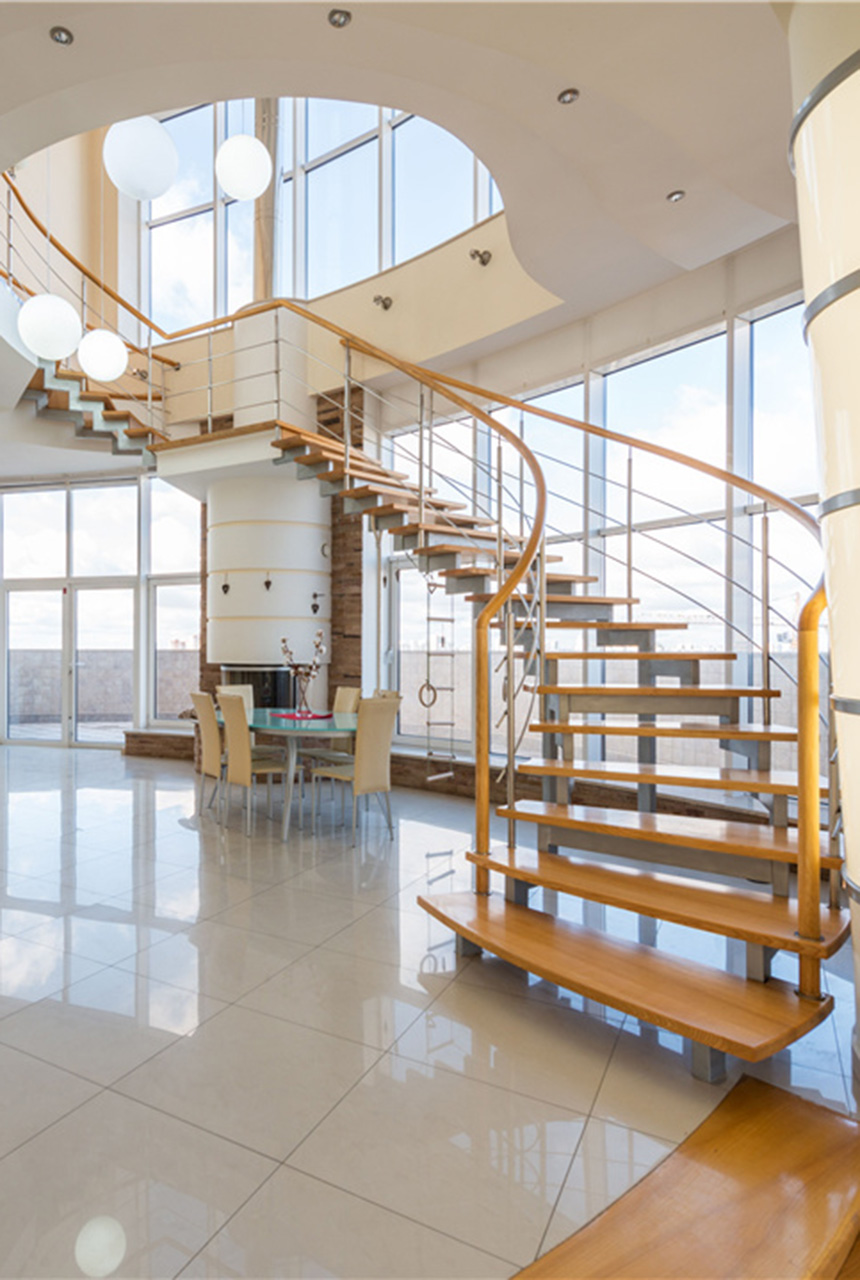
Verified Custom Windows and Doors Engineering Supplied to Projects Across North America, Asia-Pacific, and Europe
Why Partner with Vexis Windows & Doors Co., Ltd.?
Located in Lishui Town, Foshan, Guangdong—the core hub of Chinese high-end extrusion and fenestration technology—Vexis Windows & Doors Co., Ltd. operates as a fully integrated enterprise encompassing design R&D, structural engineering, precision CNC manufacturing, dynamic testing, and global export fulfillment.
Our expansive 30,000 square meter automated production base houses multi-axis German CNC milling centers, corner-crimping machinery, automated insulating glass unit (IGU) assembly lines, and electrostatic powder coating plants. Complemented by our 1,500 square meter immersive physical showroom, we welcome international procurement teams, architects, and developers to audit our quality control procedures firsthand.
Having served clients across 154 countries and regions for over 20 years, Vexis offers unmatched expertise in adapting window systems to localized building codes, structural wind pressure requirements, and severe climate extremes—ranging from freezing North American winters to humid, hurricane-prone tropical zones.
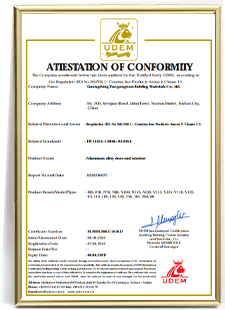
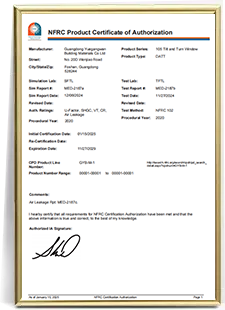
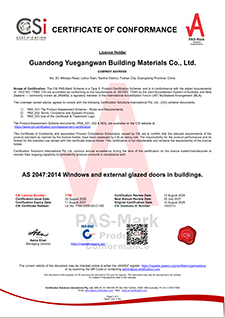
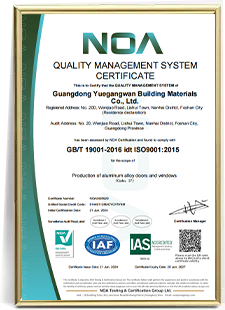
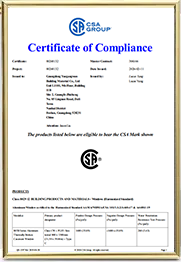
Quality Management & Conformance Certifications
Frequently Asked Questions for Project Procurement & Importers
Technical Clarifications, Manufacturing Timelines, and OEM Specification Guidance