Featured Aluminum Casement & Glazing Solutions
Explore our top-tier export-grade casement doors, thermal break windows, and structural bifold configurations engineered to AS2047, NFRC, and CE standards.
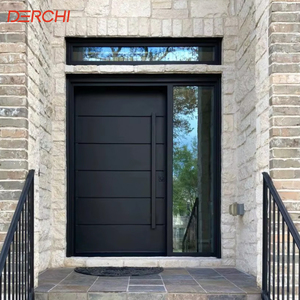
Aluminum Entry Door Front Door Exterior Custom Security Door for Residential and Commercial Use
Get Catalog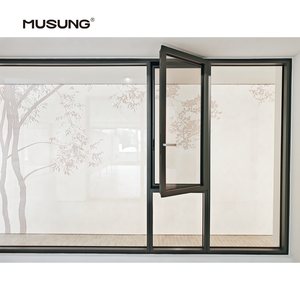
New Arrival Casement Windows House Casement Windows Hurricane Impact Casement Windows Aluminum Casement Windows
Get Catalog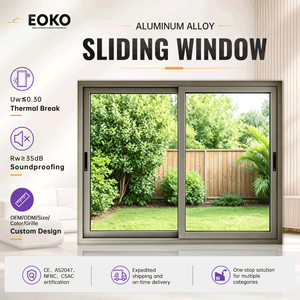
EOKO Energy Efficient Glass Sliding Windows NFRC Certified Thermal Break Aluminum Sliding Window for Builders Apartment
Get Catalog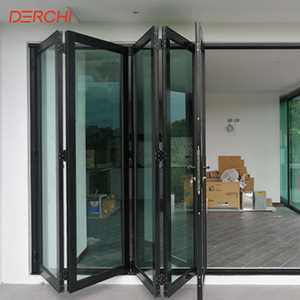
Customized Large Panel Upper Sliding French Balcony Bifold Door Transparent Aluminium Bi Folding Door Exterior Folding Door
Get Catalog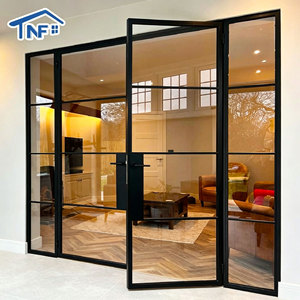
NFRC AS2047 Thermal Break Casement Door Custom Color And Size Double Glazed Swing French Doors Interior And Exterior
Get Catalog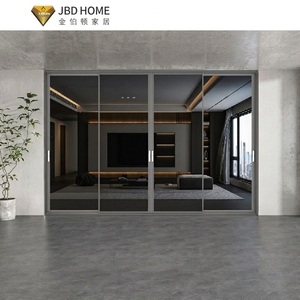
NFRC AS2047 Hurricane Proof Impact 4-Tracks Aluminum Partition Sliding Glass Door for Garden & Commercial Use
Get Catalog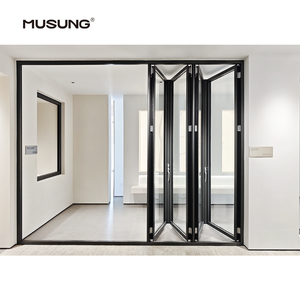
Balcony Accordion Bifold Door Design Exterior Aluminum Folding Patio Doors
Get Catalog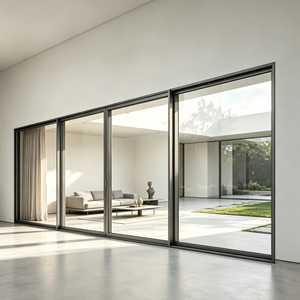
Australian Certificate AS2047 Thermal Break Aluminium Alloy Profile Double Glazed Tempered Glass Modern Horizontal Sliding Doors
Get CatalogVexis Windows: Premier Foshan Aluminum Manufacturing Base
Integrating R&D, precision extrusion, thermal barrier assembly, and direct global export to over 154 countries.
As a leading Chinese original equipment manufacturer (OEM) and customized system developer, Vexis Windows & Doors Co., Ltd. (located in Lishui Town, Foshan, Guangdong) sets the benchmark for high-performance architectural fenestration. Our facility bridges advanced European system design with high-volume, cost-effective Chinese precision manufacturing.
Unlike regional assemblers, Vexis controls every critical stage of the production chain—from aluminum alloy billet selection (Grade 6063-T6) and profile extrusion to automated thermal-break insertion (PA66 GF25 polyamide strips), multi-layer surface anodizing/fluorocarbon powder coating, double/triple glazing unit (IGU) integration, and final hardware dry-fitting. This end-to-end oversight ensures complete compliance with global building codes, including North American NFRC / CSA guidelines, Australian AS2047 / AS1288 standards, and European CE / EN 14351-1 mandates.
Anatomy & Structural Engineering of Architectural Aluminum Casement Doors
Why casement door configurations outperform sliding profiles in air tightness, structural integrity, and thermal insulation.
Compression Sealing & EPDM Gaskets
Unlike horizontal sliding doors that rely on brush pile seals (which suffer friction wear and air bypass), aluminum casement doors utilize continuous continuous multi-chamber EPDM (Ethylene Propylene Diene Monomer) gasket seals. When the sash engages the frame, multi-point compression locks pull the perimeter tightly against the frame, achieving air permeability ratings down to 0.06 m³/(h·m) and water resistance up to 700 Pa.
Isobaric Thermal Break Technology
Thermal transfer through aluminum frames is arrested by precision-engineered PA66 GF25 (Polyamide reinforced with 25% fiberglass) thermal barrier strips. By creating an isolated dual-chamber structure, our casement doors achieve structural U-factors as low as 1.2 W/(m²·K) when paired with Low-E Argon-filled double/triple glazing units, effectively eliminating interior condensation in extreme climates.
Structural Wind Load & Security
Engineered with robust wall thicknesses ranging from 2.0mm to 3.0mm in primary structural zones, Vexis casement doors support large-scale architectural leafs weighing up to 250 kg. Integrated heavy-duty stainless steel 304 friction hinges and concealed multi-point locking gear (compatible with Siegenia, Hoppe, and Sobinco systems) provide superior forced-entry defense and hurricane wind load performance certified up to 4500 Pa (Serviceability Limit State).
Technical Benchmark Matrix: Door Systems Comparison
| Performance Metric | Thermal Break Casement Door | Heavy-Duty Sliding Door | Standard Accordion Bifold |
|---|---|---|---|
| Air Infiltration Rating | Class 4 (EN 12207) / Superior | Class 3 (EN 12207) / Moderate | Class 2-3 (EN 12207) / Standard |
| Water Tightness Limit | E900 (900 Pa Peak) | E600 (600 Pa) | E450 (450 Pa) |
| Acoustic Insulation (STC / Rw) | 42 - 48 dB (Triple Glazed) | 35 - 40 dB | 32 - 38 dB |
| Thermal Conductivity (U-Value) | 1.1 - 1.5 W/m²K | 1.6 - 2.2 W/m²K | 1.8 - 2.4 W/m²K |
| Primary Mechanical Wear Point | Compression Hinge / Minimal Wear | Bottom Roller Tracks / Medium Wear | Top/Bottom Guides / High Wear |
Future Sourcing & Procurement Trends in Aluminum Casement Doors
Strategic analysis for commercial developers, wholesalers, and general contractors preparing for next-generation building codes.
Decarbonization & Low-Carbon Aluminum Sourcing
Global procurement mandates are shifting toward zero-carbon and hydro-electric smelted aluminum billets. Buyers in North America and the EU now evaluate supplier Carbon Border Adjustment Mechanism (CBAM) footprints. Vexis leverages low-carbon recycled aluminum alloys with EPD (Environmental Product Declaration) verification to assist developers in gaining LEED and BREEAM sustainability credits.
Ultra-Slim Sightlines with Concealed Hardware
Architectural aesthetics demand maximum daylight transmission. The market is rapidly moving from traditional 80mm+ visible frame profiles toward ultra-slim visible sightlines (as narrow as 30mm-45mm) without compromising load-bearing capacities. Advanced engineering now incorporates 180-degree concealed 3D-adjustable hinges and hidden drainage channels.
Automated Smart Access & Motorized Micro-Ventilation
Modern commercial and luxury residential projects demand smart ecosystem integration. Procurement specs increasingly detail motorized multi-point lock actuators, biometric/RFID access control, hidden magnetic sensors, and automated tilt-and-turn micro-ventilation systems compatible with smart home management protocols (KNX, Matter, Zigbee).
Hyper-Regionalized Hurricane & Bushfire Certification
Due to accelerating climate anomalies, importers can no longer rely on generic factory testing. Sourcing contracts require strict, region-specific validation: High-Velocity Hurricane Zone (HVHZ) Florida Approval, Texas TDI compliance, Australian AS3959 BAL-40 (Bushfire Attack Level) fire-rated glazing, and Australian AS2047 mechanical deflection testing.
Manufacturing Technologies Shaping Next-Gen Factories
How modern Chinese factories have evolved from manual assembly to Industry 4.0 automated precision manufacturing.
5-Axis CNC Machining
Eliminating manual measurement tolerances, automated 5-axis CNC machining centers drill lock gear slots, hinge cutouts, and drainage weep holes with sub-millimeter precision (±0.1mm), preventing hardware misalignment and operational binding over decades of use.
Automated Corner Crimping & Glue Injection
To guarantee absolute structural rigidity and prevent water penetration at 45-degree frame joints, Vexis utilizes hydraulic corner crimping machines coupled with dual-component corner joint sealant injection. This forms a permanent, monolithic structural bond that resists extreme torsional stress.
Advanced PVDF & Anodized Coatings
Surfaces undergo 12-stage pre-treatment etching followed by AkzoNobel or PPG Fluorocarbon (PVDF) powder coating, delivering resistance against salt spray corrosion exceeding 3,000 hours (ASTM B117 standard)—a mandatory requirement for coastal resort projects.
Frequently Asked Questions by Importers & Engineers
Critical insights covering custom specifications, technical compliance, shipping logistics, and structural testing.
What types of windows and doors does Vexis manufacture?
Can you customize sizes, colors, glass configurations, and hardware brands?
How do you adapt products to local building standards and regional climates?
Which overseas markets does Vexis export to, and how is cargo protected during ocean transport?
What information is required to receive an accurate, engineering-level factory quote?
Can commercial buyers visit the Vexis factory and showroom before contract signing?
Accelerate Your Project Sourcing with Certified Aluminum Systems
Direct factory engineering support, custom extrusion shop drawings, and competitive wholesale pricing for global project developers and importers.