Featured Aluminium Windows & Doors Systems
Explore our engineered structural aluminum glazing solutions built for hurricane wind loads, optimal thermal break performance, and modern minimalist aesthetics.
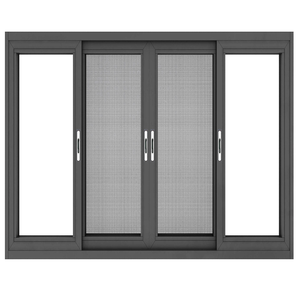
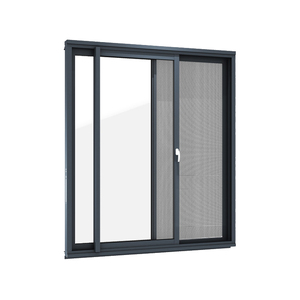
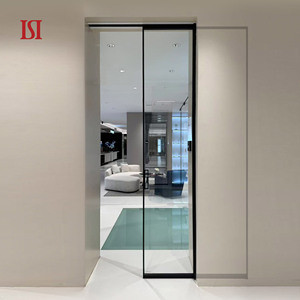
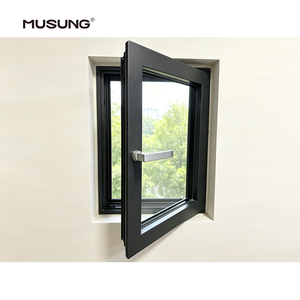
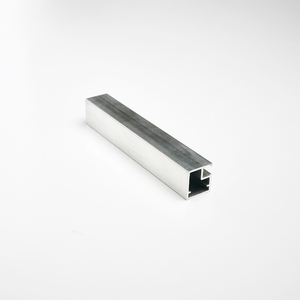
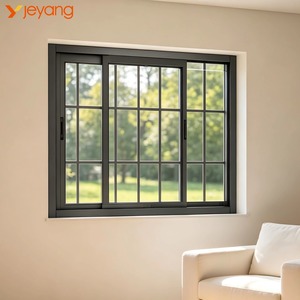
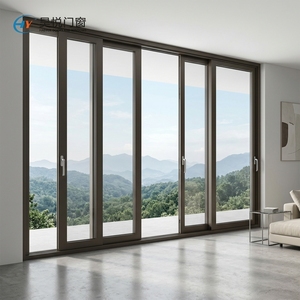
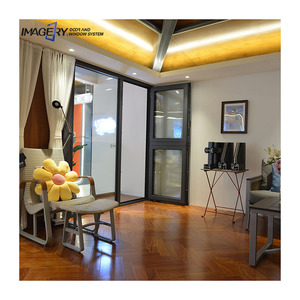
Engineering Excellence in Aluminium Sash Windows Sourcing
A comprehensive guide to material specs, thermal break performance, and compliance for high-spec commercial and residential developments.
In modern architectural fenestration, selecting the correct aluminium sash window manufacturer is pivotal to achieving carbon-neutral design goals, strict building code compliance (such as AS2047 in Australia, NFRC in North America, and CE standards across Europe), and long-term structural durability. Aluminium sash windows—encompassing both vertical hung sash configurations and advanced horizontal sliding system frames—have evolved from simple space-saving apertures into engineered thermal envelope systems.
1. Extrusion Metallurgical Grade & Alloy Specification
The foundation of structural fenestration longevity lies in raw alloy composition. Top-tier manufacturers specify 6063-T5 or 6063-T6 architectural grade aluminium extrusions. T6 temper heat treatments yield tensile strength exceeding 205 MPa, providing superior resistance against torsional flex under extreme wind pressures. Compared to standard commercial aluminum, these refined alloys permit ultra-slim profile sightlines while maintaining structural integrity for large-span openings up to 3.5 meters in height.
2. Thermal Barrier Technology: PA66-GF25 Polyamide Strips
Uninsulated aluminium exhibits high thermal conductivity (~200 W/m·K). To combat heat transfer, modern thermal break aluminium sash windows utilize multi-cavity PA66-GF25 (Polyamide 66 reinforced with 25% glass fiber) thermal barrier strips. This structural design isolates the interior and exterior extrusion profiles, dropping overall window U-values to as low as 1.2 – 1.6 W/m²·K when paired with double or triple insulated glass units (IGU).
| Performance Metrics | Standard Aluminium Sash Window | Vexis Thermal Break Sash System | International Standard Baseline |
|---|---|---|---|
| Alloy Profile Specification | 6063-T5 (Uninsulated) | 6063-T6 Architectural Grade | ISO 9001 / GB 5237 |
| Thermal Transmittance (U-Value) | 3.8 - 5.2 W/m²·K | 1.2 - 1.8 W/m²·K (Double Low-E) | ENERGY STAR / NFRC Qualified |
| Acoustic Insulation Rating | STC 25 - 28 dB | STC 38 - 45 dB (Acoustic PVB Laminated) | ASTM E90 Acoustic Compliance |
| Water Penetration Resistance | 250 Pa | 600 Pa - 700 Pa High-Pressure Drainage | AS2047 / CSA A440 Standard |
| Hardware Cycle Lifetime | < 20,000 cycles | 100,000+ Cycles (European Multi-Point) | EN 13126 Mechanical Durability |
3. Advanced Surface Treatments & Weatherization Coatings
For coastal and humid microclimates, surface finish deterioration is a primary point of failure. Leading exporters implement automated powder coating and PVDF (Fluorocarbon) liquid spraying lines. High-performance PVDF coating systems (comprising 70% Kynar 500 resins) offer salt spray resistance exceeding 3,000 hours under ASTM B117 testing protocols, preventing oxidation, chalking, and UV discoloration across 20+ years of operational exposure.
Future Sourcing & Procurement Trends (2025–2030)
Strategic shifts driving the global architectural fenestration and export manufacturing ecosystem.
Minimalist Ultra-Slim Sightlines
Architects are phasing out bulky 100mm frame sightlines in favor of micro-slim interlocks (18mm to 25mm profile width). Hidden pocket frame designs and flush-mounted bottom tracks allow 98% daylight transmission without structural compromise.
Decarbonization & Low-Carbon Aluminum
With European CBAM (Carbon Border Adjustment Mechanism) and stringent ESG mandates, commercial procurement is shifting toward scrap-recycled aluminum billets extruded using clean hydro-electric energy sources, reducing embodied carbon by up to 65%.
Hurricane & High-Pressure Engineering
Global extreme weather events have led to stricter building envelope requirements. Export windows are increasingly mandated to pass Miami-Dade or AS2047 cyclic wind pressure tests up to +/- 3000 Pa with impact-resistant laminated glass units.
Smart Automation & Sensor Integration
Next-generation sash windows incorporate concealed motorized chain actuators, automated rain sensors, and smart home BLE/Zigbee connectivity for automated indoor air quality maintenance and security integration.
Foshan Factory Direct Manufacturing Capacity
Integrating R&D, structural design, automated production, and direct export services under one unified control system.
30,000m² Integrated Production Base
Located in Lishui Town, Foshan (China's aluminum capital), our facility houses automated double-head CNC cutting equipment, corner crimping robotics, and strict quality control stations guaranteeing precise machining tolerances within ±0.5mm.
Full Project Customization (OEM / ODM)
Every window is fabricated to custom shop drawings. Buyers select from standard RAL powder coat colors, wood-grain heat transfers, specialized glass treatments (reflective, solar control, low-iron), and bespoke hardware configurations.
Global Compliance & Rigorous QC
Our export products undergo 100% pre-shipment assembly testing, air tightness checks, and hardware smooth-operation audits. Verified certificates and complete technical documentation are provided to ensure smooth customs clearance.
Ready to Wholesale or Source for Your Next Architectural Project?
Direct factory quotations, technical shop drawings, and free sample kits available for global distributors, developers, and trade contractors.
Get CatalogFrequently Asked Questions (FAQ)
Key insights for international buyers, developers, and importers sourcing aluminium windows and doors.