Engineered Aluminum Window & Door Solutions
Factory-direct systems engineered for hurricane protection, soundproofing, thermal isolation, and high-tensile vector exclusion.
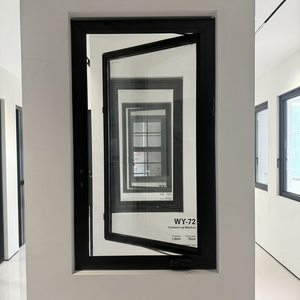
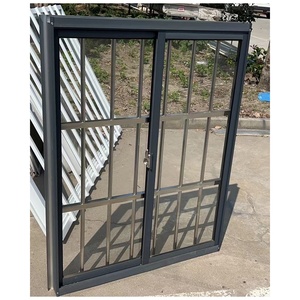
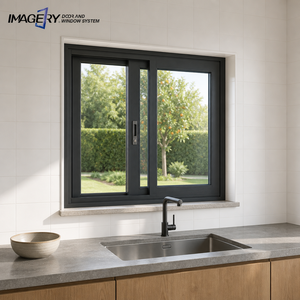
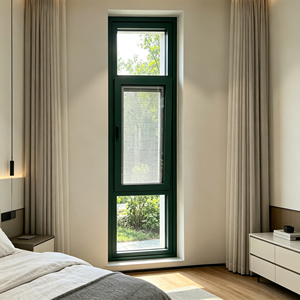
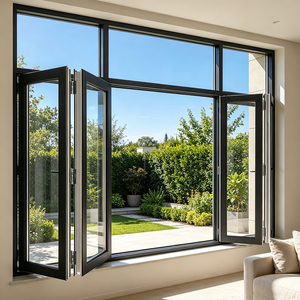
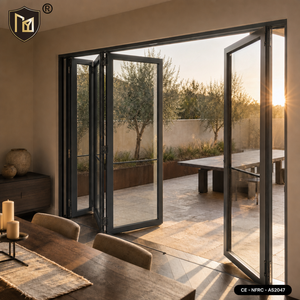
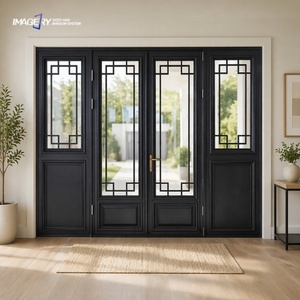
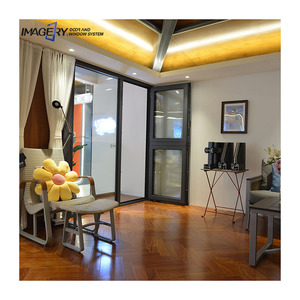
1. Technical Whitepaper: Engineering Standards for Aluminium Mosquito & Insect Barrier Doors
In modern architectural design, the integration of high-performance insect barriers with architectural aluminium fenestration systems represents a critical intersection of vector management, indoor air quality (IAQ), micro-climate thermal control, and structural security. For B2B procurement managers, real estate developers, and international contractors, sourcing from a vetted aluminium mosquito door factory requires a rigorous understanding of metallurgy, mechanical hardware integration, and mesh weave physics.
Historically regarded as secondary add-ons, modern aluminium mosquito doors are now engineered as unified structural envelope systems. Leading manufacturers utilize 6063-T5 and 6063-T6 architectural aluminium alloys to fabricate robust frames capable of housing ultra-fine insect meshes, high-tensile 304/316 marine-grade stainless steel security screens, and acoustic-dampening perimeter weatherstripping. These systems deliver unhindered natural ventilation while offering complete protection against biological vectors (including *Aedes aegypti* and *Anopheles* mosquitoes), atmospheric particulates, and opportunistic forced entry.
Engineering Core Insight: A high-grade aluminium mosquito door system must balance three competing structural metrics: high optical transparency (mesh open-area percentage > 65%), high tensile shear resistance (> 900 MPa for security mesh variants), and fluid sliding/folding movement cycles exceeding 100,000 operational repetitions under heavy wind loads.
1.1 Metallurgical Profile Specifications & Extrusion Integrity
The structural backbone of any industrial-grade mosquito barrier door lies in its aluminium extrusion profile. Commercial-grade factories employ high-precision CNC hydraulic extruders to formulate multi-cavity thermal break profiles. Wall thicknesses for primary load-bearing mosquito door frames are strictly standardized between 1.4 mm and 2.0 mm, fulfilling international standards such as Australia's AS2047 and North America's AAMA certification criteria.
Polyamide (PA66-GF25) thermal barrier strips are integrated within the aluminium extrusions to mitigate thermal bridging. In tropical and sub-tropical export destinations—such as Southeast Asia, Florida, and Coastal Australia—the combination of thermal-break aluminium frames with Low-E glass and integrated mosquito mesh creates a high-performance barrier that drastically reduces HVAC cooling loads while permitting natural cross-ventilation during non-peak thermal hours.
1.2 Mesh Metallurgy & Biological Vector Isolation Metrics
The efficiency of an insect screen door relies heavily on its mesh aperture geometry and wire material composition. Standard high-density fiberglass mesh, coated with PVC, offers budget-friendly flexibility and resistance to UV degradation. However, for high-end residential villas, commercial hospitality projects, and security-conscious developments, high-tensile 304 and 316 marine-grade stainless steel mesh (often referred to as King Kong Mesh or Security Mesh) has become the global industry baseline.
- Standard Insect Mesh (18x16 Mesh Weave): Wire diameter ~0.25mm, aperture size ~1.2mm x 1.4mm. Optimized for maximum airflow and invisible sightlines while blocking standard house flies and mosquitoes.
- Micro-Mesh / No-See-Um Barrier (20x20 Weave): Wire diameter ~0.20mm, aperture size ~0.85mm x 0.85mm. Engineered specifically for coastal and marshland zones prone to sandflies, midges, and tiny vectors.
- Structural Security Stainless Mesh (11x11 Weave, 0.8mm Wire): Fabricated from high-tensile AISI 316 stainless steel wire with a tensile strength exceeding 1100 N. This mesh acts as both a vector shield and an anti-burglary barrier capable of withstanding knife shears and impact forces exceeding 500 Joules.
2. Enterprise Capabilities & Manufacturing Excellence
Directly headquartered in the global building materials manufacturing capital—Lishui Town, Foshan, Guangdong, China—our production complex covers an expansive 30,000 m² manufacturing base supported by a state-of-the-art 1,500 m² immersive exhibition hall. With over 20 years of technical expertise in custom window and door R&D, we have successfully exported certified fenestration systems to buyers in more than 154 countries and regions across North America, Europe, Australia, and the Middle East.
All-Round Structural Protection
Engineered for windproof, waterproof, soundproof, and rust-resistant operation. Tailored to withstand severe coastal salt-spray and hurricane wind-loads.
Factory-Direct Sourcing
Mass-production efficiency with zero intermediary markups. Fully customizable profiles, finishes, hardware configurations, and bespoke sizes.
Global Compliance & Logistics
Factory products comply with AS2047, NFRC, and CE testing frameworks. Ocean-freight reinforced wood packaging ensures zero transit damage.
3. Product Typology & Selection Guide for B2B Sourcing
Selecting the optimal aluminium mosquito door configuration requires matching the architectural opening style with the appropriate track mechanism and mesh tension system. Below is a structural evaluation of the primary door configurations produced in our Foshan manufacturing facility:
3.1 Heavy-Duty Sliding Aluminium Mosquito Doors
Designed for large-span patio openings, high-rise villa balconies, and hotel suite terraces. These doors operate on dual or triple stainless steel track systems. High-precision heavy-duty rollers equipped with sealed stainless steel ball bearings support panel weights up to 250 kg per leaf, allowing smooth, silent gliding action across spans exceeding 6 meters.
3.2 Accordion & Pleated Mesh Retractable Mosquito Doors
Where spatial conservation is paramount, pleated mesh concertina doors offer an invisible vector protection barrier. Utilizing high-strength tension cords made from Kevlar-braided fibers, the polyester screen folds neatly into a compact side housing when retracted. This system provides 100% unimpeded architectural clear-open width when the screen is not in use, making it ideal for bi-fold glass door pairings.
3.3 Inward & Outward Opening Casement Security Mesh Doors
Engineered for high-security entry points and luxury French door openings. Featuring concealed heavy-duty friction hinges or 3D adjustable aluminium hinges, these doors utilize multi-point lock mechanisms that drive solid steel bolts into the outer aluminium frame at 3 to 5 distinct locking points. When combined with 0.8mm 316 stainless steel security mesh, they replace traditional unsightly iron security grilles while offering uncompromised ventilation.
Factory Customization Scope: All aluminium frames undergo surface treatments including Fluorocarbon (PVDF) spraying, AkzoNobel powder coating, anodizing (15-25 microns), or 3D heat-transfer wood grain finishing to ensure corrosion resistance in harsh maritime environments.
4. Future Sourcing Trends: Technological Innovations in Aluminium Mesh Doors (2026-2030)
As the global construction sector pivots toward decarbonization, smart home automation, and climate-resilient architecture, the aluminium mosquito door industry is undergoing rapid technical evolution. B2B importers and developers must align their supply chains with the following emerging product trends:
4.1 Smart Motorization & IoT Sensor Integration
Automated sliding mosquito screen doors integrated with linear magnetic-drive motors and smart home protocols (Zigbee, Matter, KNX) represent the fastest-growing product segment in luxury residential projects. Infrared obstacle detection, wind-speed sensors, and automated rain-closing triggers enable insect screens to adjust automatically based on environmental conditions and occupant proximity.
4.2 Ultra-Clear High-Translucency Nano-Weave Meshes
Advances in polymer extrusion and ultra-fine stainless steel wire drawing have birthed "Invisible Mesh" technologies. By reducing wire diameter to 0.15mm while increasing weave density, these nano-meshes achieve over 78% light transmission and improved air volume flux, satisfying strict aesthetic demands in high-end architectural villas.
4.3 Low-Carbon Recycled Aluminium Alloys & Sustainable Coatings
With global green building standards (LEED, BREEAM, EDGE) mandating reduced embodied carbon, leading factories are transitioning to low-carbon primary aluminium smelted using renewable hydro-electric energy. Furthermore, chrome-free pretreatment lines and VOC-free powder coatings are becoming mandatory prerequisites for European and North American project tenders.
5. Frequently Asked Questions (FAQ) for Global B2B Buyers
Below are technical responses to common questions encountered during commercial inquiries, drawing from our project deployment experience across 154+ countries: