Recommended Aluminium Internal Doors & Commercial Systems
Explore our factory-engineered interior doors, slim profile dividers, soundproof glass assemblies, and heavy-duty commercial entry configurations manufactured for worldwide distribution.
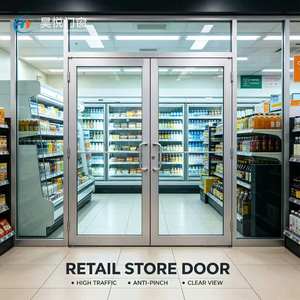
High Traffic Modern Aluminum Glass Swing Door with Sound Insulation for Retail Store Supermarket Convenience Shop Commercial Use
Inquire Now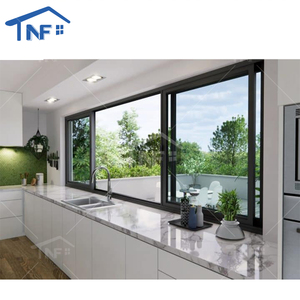
Foshan NF Modern Custom Made Aluminum Sliding windows
Inquire Now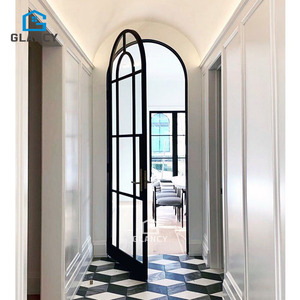
French Exterior Entry Main Modern Glass Arch CE Certified Black Power Interior Exterior Insulation Made of Aluminium Doors
Inquire Now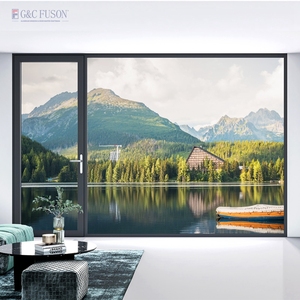
Fuson Aluminium Alloy Sun House Profiles Aluminium Doors and Windows Sunshine Room Balcony Villa Insulated Glass Room
Inquire Now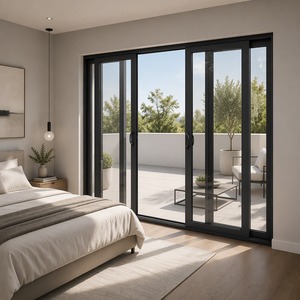
SIUPA Aluminum Door Patio Australian Double Glazed Sliding Door Villa Exterior/Interior Balcony Stacker Sliding Glass Door
Inquire Now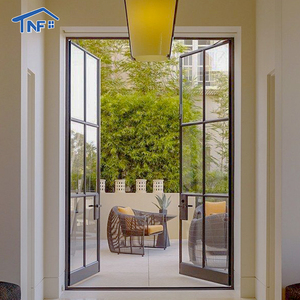
Simple Design Single Door Exterior Aluminum French Door Bathroom Narrow Frame Casement Aluminium Interior Glass Door
Inquire Now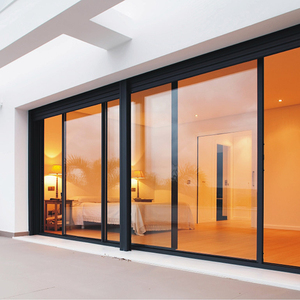
YY Windows High Quality Energy Efficient Aluminium Double Tempered Glass Patio Three Rail Sliding Doors
Inquire Now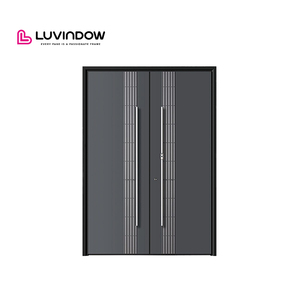
Premium Aluminum Large Main Entrance Doors Fire Prevent Security Entry Doors for Houses Modern
Inquire NowWhy Top Global Contractors Sourcing Aluminium Internal Doors Partner With Us
As a premiere Chinese OEM/ODM manufacturer headquartered in Foshan, Guangdong—the epicenter of global architectural aluminum processing—we bridge high-capacity industrial production with bespoke architectural engineering.
Precision Metallurgy & Extrusion
We specify high-purity 6063-T5 / 6063-T6 aluminum alloys as structural baseline. Engineered with artificial aging treatment, our internal door frames maintain optimal tensile yield strength (≥160 MPa) and web wall rigidity, guaranteeing structural stability across large floor-to-ceiling partitions without warping.
Acoustic Isolation Engineering
Equipped with co-extruded automotive-grade continuous EPDM rubber sealing gaskets, multi-layer acoustic laminated glass (PVB/SGP interlayers), and drop-down bottom automatic acoustic seals, our internal door systems achieve sound transmission loss ratings up to STC 42 dB, perfect for modern offices and luxury suites.
International Certification Compliance
Our manufacturing matrix adheres strictly to ISO9001 quality management systems. All internal door configurations engineered for global projects carry certified compliance documentation, including CE certification, PAS 24 security benchmarks, and Australian AS2047 standard compliance for seamless customs clearance.
Engineering Blueprint: Specifying Aluminium Internal Doors for Commercial & High-End Residential Projects
In modern architectural design, internal doors are no longer simple space dividers—they are fundamental structural components that dictate internal acoustics, daylight distribution, indoor air quality (IAQ), and visual continuity. For architects, general contractors, real estate developers, and commercial building material importers, choosing the correct aluminium internal doors manufacturers requires evaluating metallurgical parameters, frame profile design, glass dynamics, and surface finish longevity.
1. Metallurgical Composition and Profile Geometry
Unlike external structural curtain walls, internal aluminum doors prioritize slim sightlines without sacrificing torsional rigidity. Top-tier manufacturers utilize primary billet aluminum extruded under strict thermal controls to form 6063-T5 or T6 profiles. The wall thickness for heavy-duty commercial internal doors typically ranges between 1.4 mm and 2.0 mm, conforming to international standards.
The structural geometry of internal profiles often incorporates multi-chamber hollow profiles or narrow-frame solid extrusions. Narrow-frame doors (ranging from 16 mm ultra-slim sightlines up to 45 mm architectural frames) utilize hidden structural ribs that prevent lateral deflection when accommodating heavy single-pane or double-glazed tempered units.
2. Surface Treatment Technologies: PVDF, Anodizing, and Fluorocarbon Electro-Coating
Internal door frames operate in high-touch environments vulnerable to finger oils, cleaning chemicals, micro-abrasions, and localized humidity (such as bathroom casement doors and spa partitions). Superior manufacturers deploy three primary surface finish processes:
- Electrostatic Powder Coating (Qualicoat Standard): Delivers film thicknesses of 60–80 microns. Ideal for custom RAL color matching, matte textures, and anti-microbial indoor finishes.
- Anodizing (Class 10 / Class 15): An electrochemical process that converts the aluminum surface into a durable aluminum oxide layer (10–15 microns). Perfect for modern metallic aesthetics (champagne gold, titanium gray, brushed black) with extreme scratch resistance.
- Wood Grain Thermal Transfer Coating: Combines the structural benefits of aluminum with the organic aesthetic of natural timber, avoiding the swelling, splitting, and termite vulnerability of solid wood doors.
| Technical Parameter | Standard Commercial Grade | Architectural Acoustic Grade | Ultra-Slim Minimalist Series |
|---|---|---|---|
| Extrusion Profile Alloy | 6063-T5 Primary Aluminum | 6063-T6 Heavy Profile | 6061-T6 High-Yield Alloy |
| Frame Sightline (Width) | 45 mm – 65 mm | 50 mm – 90 mm | 16 mm – 28 mm (Micro-Slim) |
| Acoustic Rating (STC / R_w) | STC 28 – 32 dB | STC 38 – 44 dB | STC 30 – 35 dB |
| Glazing Compatibility | 5mm – 8mm Single Tempered | 5+12A+5 Double / Laminated | 6mm – 10mm Monolithic Glazing |
| Hardware Mechanism | Standard Surface Hinges | Concealed 3D Adjustable Hinges | Magnetic Latch & Pivot System |
| Cycle Test Durability | ≥ 100,000 Cycles | ≥ 300,000 Cycles | ≥ 200,000 Cycles |
3. Glass Configuration & Safety Engineering
Glazing choices inside commercial and luxury residential properties directly influence occupant privacy, acoustic comfort, and safety. Aluminum internal door manufacturers integrate certified safety glass compliant with SGCC (North America), CE EN 12150 (Europe), and AS/NZS 2208 (Australia):
Tempered Safety Glass (Fully Toughened): Processed via rapid thermal quenching, increasing flexural strength by 4x to 5x over annealed glass. Upon impact, it disintegrates into small, dull-edged blunt fragments, minimizing injury risks in high-traffic office corridors and retail environments.
Laminated Acoustic Glass: Composed of two glass sheets bonded by a flexible Polyvinyl Butyral (PVB) or Ethylene Vinyl Acetate (EVA) acoustic film. The viscoelastic interlayer damps sound wave vibrations, dramatically reducing mid-to-high frequency airborne noise transfer between conference rooms and adjacent workspaces.
Decorative & Privacy Glass Options: Fluted (Reeded) glass, low-iron ultra-clear frosted glass, electrochromic smart switchable glass, and tinted smoked grey/black glass assemblies provide privacy without blocking ambient light.
Future Industry Trends in Aluminium Internal Door Design & Global Sourcing (2025–2030)
Driven by modern interior architecture, remote work requirements, and green building standard certifications (LEED / BREEAM), the global market for aluminium internal doors is undergoing major technology and design shifts.
Minimalist Ultra-Narrow Frames & Concealed Hardware
Architectural preference has moved decisively toward invisible structural framing. Future procurement favors internal doors engineered with hidden door frames, concealed 3D-adjustable hinges, and magnetic silent mortise locks. The door frame aligns seamlessly with drywall or timber wall panels, creating a clean flush aesthetic.
Integration of Smart Electrochromic Privacy Glass
Commercial office fit-outs and luxury hotel guestrooms are increasingly integrating polymer-dispersed liquid crystal (PDLC) switchable smart glass inside aluminum internal swing and sliding doors. With a single touch or smart building automation trigger, glass transitions from crystal clear to complete opaque within milliseconds.
Acoustic Zoning in Hybrid Working Environments
Post-pandemic workplace design prioritizes dynamic space flexibility. High-performance aluminum internal bifold sliding doors and pocket stacker doors allow open-plan corporate floors to instantly transform into isolated acoustic quiet zones, phone booths, or collaborative workshop rooms.
Strategic Procurement Trends for B2B Importers & Contractors
To mitigate supply chain risks and minimize total cost of ownership (TCO), international procurement managers are shifting away from fragmented component sourcing. Leading buyers prioritize factory-direct, fully assembled aluminum internal door system suppliers capable of providing BIM models, shop drawings, pre-drilled hardware preparations, and modular packaging. Partnering with verified Chinese exporters who maintain robust internal testing facilities ensures that dimensional tolerances (±0.5 mm), surface finish adhesion, and hardware cycle endurance are fully validated prior to ocean freight dispatch.
Frequently Asked Questions (FAQ) for Aluminium Internal Doors Procurement
Essential technical, logistical, and customization answers for international importers, architectural specifiers, and project buyers.
What makes aluminium internal doors superior to traditional wooden or MDF doors?
Aluminium internal doors offer significant structural advantages over wooden or MDF doors, particularly in commercial and modern residential applications. Key benefits include:
- Dimensional Stability: Aluminum does not absorb moisture, swell, warp, rot, or crack when exposed to environmental humidity fluctuations, making it ideal for bathrooms, basements, and coastal projects.
- Slim Sightlines & Glass Payload: The superior strength-to-weight ratio of extruded 6063-T5 aluminum allows for ultra-narrow frames that support large, heavy tempered glass panels for maximum natural light penetration.
- Zero Maintenance & Longevity: Powder-coated or anodized aluminum finishes resist scratching, fading, and chemical cleaners without requiring periodic painting or varnishing.
- Termite & Fire Resistance: Aluminum is naturally non-combustible and completely immune to wood-boring pest infestation.
How do you ensure soundproofing (acoustic insulation) on aluminium internal glass doors?
Acoustic performance is achieved through a combination of profile geometry, sealing technology, and glazing specification. We engineer soundproof internal doors using multi-chamber aluminum profiles paired with continuous EPDM double-gasket perimeter seals. Glass selection is critical: specifying double-glazed insulated units (e.g., 5mm + 9A + 5mm) or laminated acoustic glass with PVB/SGP interlayers significantly damps sound vibration. For swing doors, we can integrate automatic drop-down bottom acoustic seals that seal the gap between the door leaf and subfloor upon closure.
Can aluminium internal door profiles and glass options be fully customized for project specs?
Yes. Every order is manufactured strictly according to your architectural shop drawings. Buyers can customize frame dimensions, profile wall thickness (1.2mm to 2.0mm+), surface finishes (RAL powder coating colors, anodized metallic shades, or natural wood-grain transfers), opening styles (swing, sliding, bifold, pocket, or pivot), hardware brands (custom locks, magnetic latches, concealed hinges), and glass types (clear, low-iron, frosted, fluted/reeded, tinted, or smart switchable glass).
What international quality certifications do your aluminium internal doors hold?
Our manufacturing facility operates under strict ISO9001 quality management systems. Our aluminum doors and glass products comply with global architectural standards, including CE certification (EN 14351-1), SGCC / ANSI Z97.1 certification for tempered safety glass in North America, PAS 24 security performance testing in the UK, and AS2047 / AS2208 structural and glazing compliance for the Australian market. Certified test reports can be provided for project tender submissions.
What is the typical production lead time and export packaging standard for bulk orders?
Standard manufacturing lead time is 25 to 35 calendar days following final shop drawing sign-off and deposit confirmation. For international ocean transport, doors are packed using a multi-layer protective protocol: 1) Surface protective film on all aluminum profiles; 2) EPE foam corner guards; 3) Heavy-duty corrugated cardboard wrapping; 4) Fully enclosed fumigated plywood crates or A-frame steel racks to ensure zero glass breakage or surface scratching during ocean transit and container unloading.
How can commercial project buyers request BIM models, CAD shop drawings, and custom quotes?
You can initiate a technical consultation by clicking our Inquire Now button or contacting our export engineering division directly with your architectural drawings, window schedule, opening dimensions, target performance specs (STC ratings), and destination seaport. Our structural engineering team will evaluate your project parameters and provide CAD shop drawings along with an itemized factory-direct quote within 24 business hours.
Ready to Elevate Your Next Project With Premium Aluminium Internal Doors?
Get direct access to factory pricing, certified acoustic performance engineering, and full architectural customization. Our global export team is standing by to assist with your project specs.