Precision Architectural Window & Door Systems
Explore our export-grade fenestration solutions certified for high wind loads, thermal break insulation, and acoustic attenuation.
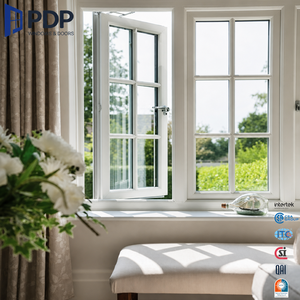
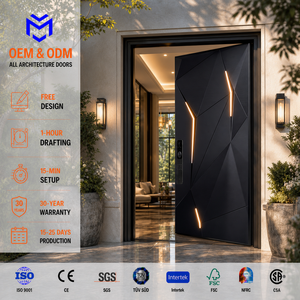
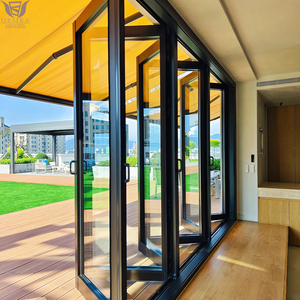
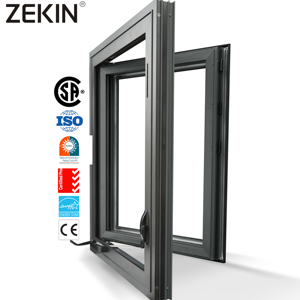
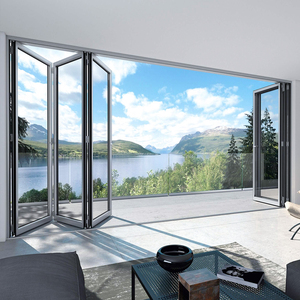
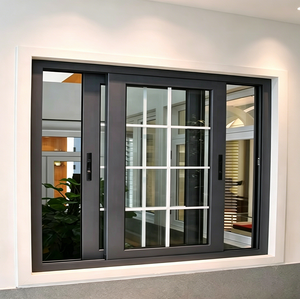
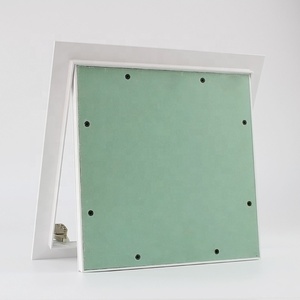
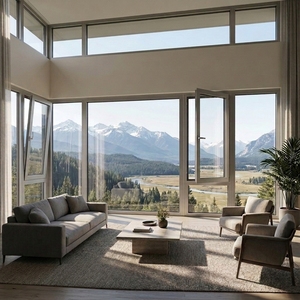
Architectural Aluminum Casement Window Exporting: Engineering Standards & Selection Criteria
A comprehensive analysis of structural metallurgy, thermal breaks, acoustic insulation, and international building compliance for global Fenestration procurement.
Metallurgical Standard (6063-T5 vs T6)
The foundation of long-term operational integrity lies in the primary aluminum alloy matrix. Leading global exporters specify high-purity 6063-T5 or 6060-T66 architectural extrusions.
- Tensile Strength: Minimum yield strength of ≥ 160 MPa ensuring zero frame distortion under extreme wind loading.
- Anodizing & Coating: Surface pre-treatment meeting Qualicoat Class 2 standards with 60–80 μm powder coating thickness.
- Corrosion Resistance: Tested to withstand 2,000+ hours of neutral salt spray (ASTM B117) for harsh coastal deployments.
Polyamide Thermal Break Technology
Unbroken aluminum frames conduct heat rapidly. Premium thermal break casement windows integrate structural fiberglass-reinforced polyamide strips (PA66GF25).
- Thermal Isolation: Eliminates thermal bridges, reducing U-factors down to 1.2–1.6 W/m²K depending on IGU selection.
- Isothermal Line Alignment: Precision alignment of thermal strips across sash and frame prevents condensation forming indoors.
- Shear Resistance: Mechanically crimped PA66 strips withstand differential thermal expansion between interior and exterior profiles.
Acoustic & Weather Sealing Gaskets
Wind-driven rain penetration and urban noise pollution demand engineered EPDM triple-gasket compression systems rather than low-cost PVC seals.
- EPDM Elasticity: Retains full memory recovery across extreme temperature ranges (-40°C to +120°C).
- Acoustic Attenuation: Dual-seal casement design paired with laminated IGU achieves sound reduction ratings up to STC 45 dB.
- Continuous Vulcanized Corners: Molded corner keys prevent joint separation and water ingress at high-stress points.
Comparative Performance Framework
Direct technical metrics comparing standard non-thermal windows against Vexis export-grade architectural casement systems.
| Performance Parameter | Standard Aluminum Casement | Thermal Break Casement System | Export Compliance Standard |
|---|---|---|---|
| Thermal Transmittance (U-Factor) | 3.8 – 5.2 W/m²K | 1.2 – 1.8 W/m²K | NFRC / CE EN ISO 10077-2 |
| Air Infiltration Rate | 1.5 m³/(m·h) | ≤ 0.5 m³/(m·h) | ASTM E283 / AS2047 Class 4000 |
| Water Penetration Resistance | 250 Pa – 350 Pa | 600 Pa – 900 Pa | ASTM E331 / BS EN 12208 Class E900 |
| Wind Pressure Resistance | 2500 Pa (Serviceable) | 4500 Pa – 6000 Pa | ASTM E330 / AS2047 Ultimate Limit |
| Acoustic Rating (STC / Rw) | STC 26 – 30 dB | STC 38 – 45 dB | ISO 10140-2 / ASTM E90 |
| Hardware Cycle Longevity | 10,000 Cycles | 50,000+ Cycles (Siegenia/Hoppe) | EN 13126-8 Grade 5 |
Future Sourcing Trends in Global Fenestration (2025–2030)
Market intelligence for project buyers, commercial real estate developers, and building material distributors.
1. Zero-Carbon & Passive House Compliance
Global energy codes (such as Europe's EPBD and North America's ASHRAE 90.1 updates) are driving demand toward ultra-low U-factor fenestration. Future casement exports increasingly incorporate triple-pane Low-E insulated glass units (IGU) with warm-edge spacers (Swisspacer/TGI) and argon gas filling, achieving whole-window Uw values ≤ 0.8 W/m²K.
2. Ultra-Slim Sightlines with Concealed Hinges
Modern architectural aesthetic dictates minimal visible aluminum profiles to maximize daylighting area. Emerging casement window engineering utilizes concealed multi-point heavy-duty friction stays capable of carrying sash weights up to 180 kg while keeping frame face widths under 45 mm without sacrificing structural deflection limits.
3. Automated Actuation & Smart Building Integration
Commercial casement windows are rapidly evolving from manual operation to smart motorized opening systems. Chain actuators integrated with central Building Management Systems (BMS) automatically adjust natural ventilation based on interior air quality (CO2 sensors), wind speeds, and rain detectors.
Why Vexis Windows Leads the Global Supply Chain
Operating from Foshan, China—the world's premier aluminum manufacturing ecosystem—Vexis delivers factory-direct engineering and global export reliability.
Full Customization & CAD Engineering
Every export project is manufactured strictly to architectural drawings. Our dedicated engineering team customizes profile cross-sections, glass builds (tinted, solar reflective, bulletproof, hurricane impact), and hardware configurations to match regional building codes.
Rigorous Quality Assurance & Test Verification
From raw billet spectrographic analysis to automated corner crimping torque control and air/water chamber testing, Vexis products carry international compliance documentation (AS2047, NFRC, CE, ISO9001) required for smooth customs clearance and site inspection.
Overseas Packaging & Logistics Security
Long-distance sea transit requires superior protective packaging. Every window unit undergoes protective film wrapping, corner guards, vacuum moisture barriers, and heavy-duty fumigated steel-reinforced plywood crating to guarantee zero damage upon arrival.
Engineered for Diverse Global Climates
Case studies highlighting technical customization for international building projects across key export markets.
Vancouver, Canada
Coastal Rain & Low TemperatureChallenge: Severe wind-driven rain and freezing winters requiring high thermal retention and water tightness.
Engineered Solution: Triple-glazed Low-E thermal break casement windows with PA66GF25 24mm insulation strips and multi-point EPDM compression sealing. Achieved Uw = 1.1 W/m²K and 750 Pa water tightness.
Texas, United States
High Solar Radiation & HeatChallenge: Intense summer solar heat gain driving excessive HVAC energy costs in residential developments.
Engineered Solution: Custom solar-reflective double glazing (SHGC 0.23) combined with anodized aluminum casement profiles resistant to thermal cracking and UV degradation.
Manila, Philippines
Typhoon Zone & High HumidityChallenge: Violent tropical typhoons requiring extreme structural wind pressure resistance and corrosion proofing.
Engineered Solution: Laminated hurricane impact glass integrated with 6063-T6 heavy-wall profiles (2.0mm thickness) rated to withstand ultimate wind pressures up to 5000 Pa.
Frequently Asked Questions by International Buyers
Answers to technical, operational, and commercial inquiries routinely handled by our export engineering division.
What types of aluminum windows and doors does Vexis manufacture and export? ↓
Can profile dimensions, frame colors, and glass configurations be fully customized? ↓
How do Vexis products adapt to local building standards and wind load requirements? ↓
Which international destination markets does Vexis routinely serve? ↓
What essential technical details should be included when submitting an inquiry? ↓
Is factory inspection and showroom visitation permitted for overseas buyers? ↓
Ready to Elevate Your Next Architectural Project?
Partner with China's premier aluminum casement window exporter. Send your drawings today for a rapid, factory-direct quotation and technical shop drawing consultation.