Featured Architectural Aluminium Systems
Explore our export-grade, precision-engineered aluminium window and door series manufactured to international structural and thermal standards.
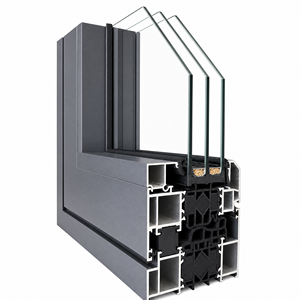
Custom Made Brown Metal Aluminium Windows and Doors Insulated for Residential House and Cold Weather
Send an Inquiry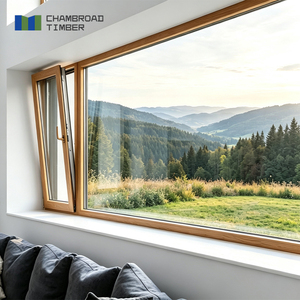
Aluminum Clad Wood Windows Triple Glazed Low-E Glass Hurricane Resistant Impact Tested Factory Wholesale for Villa Projects
Send an Inquiry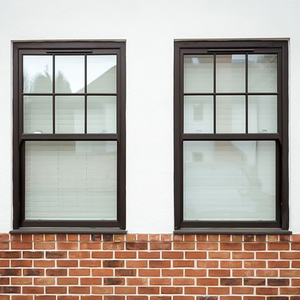
Landsharp European French Style Black Aluminium Glazed Sash Sliding Windows Aluminum Double Hung Window Hung Window
Send an Inquiry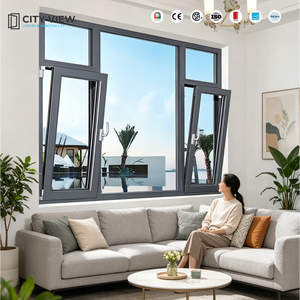
Custom Hurricane Impact Single Black Corner Casement Windows With Metal Screen,Triangle Side Open Burglarproof Casement Window
Send an Inquiry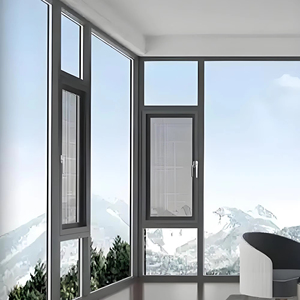
Modern Aluminum Alloy Folding Ventilation Window with Dust-Proof Air Filter for Hospitals Schools & Villas
Send an Inquiry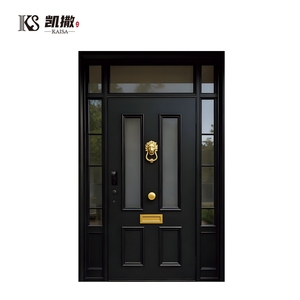
Customized Casement Aluminium Alloy Glass Door Exterior Security Entrance Steel Main Doors
Send an Inquiry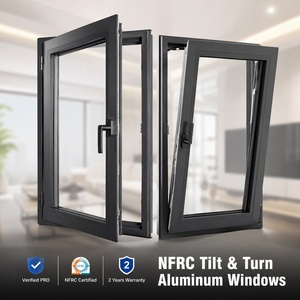
NFRC Tilt and Turn Black Narrow Frame Double Glazed Thermal Break Modern Residential Aluminum Windows House Aluminium Window
Send an Inquiry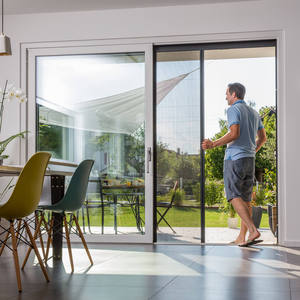
Aluminum Alloy Frame Pleated Mesh Folding Screen Doors Blinds Components Patio Insect Sliding Fly Screen Door
Send an InquiryExecutive Technical Report: Thermal Engineering & Architectural Finishes in Brown Aluminium Doors
As modern architectural aesthetics evolve, international commercial developers, residential specifiers, and master builders are increasingly turning away from standard monochrome profiles toward sophisticated earth tones. Among these, high-durability brown aluminium door systems—encompassing rich anodized bronze, coffee brown, deep chocolate PVDF finishes, and matte architectural metallic brown—have emerged as the premium choice for luxury villas, high-end hospitality projects, and sustainable commercial developments across North America, Europe, Australia, and the Middle East.
However, selecting an enterprise-grade aluminium brown door factory and exporter requires rigorous evaluation beyond color aesthetics. Realizing structural longevity, energy code compliance, and storm resilience demands deep scrutiny of metallurgical composition, surface chemistry, thermal break polyamide technology, and glass unit sealants. This technical whitepaper establishes the benchmark for B2B procurement teams, architects, and facade contractors sourcing high-performance architectural systems directly from premier manufacturing hubs like Foshan, China.
Standard architectural brown doors utilize 6063-T5 or 6063-T6 primary aluminium billets. To withstand severe exterior exposure without fading, chalking, or blistering, top-tier exporters implement 70% Fluorocarbon PVDF resin coatings (conforming to AAMA 2605 specifications) or Class 2/3 Architectural Anodizing (25+ micron coating thickness), guaranteeing UV degradation resistance for over 25–30 years.
1. Advanced Surface Treatment Chemistry: Anodized Bronze vs. PVDF Architectural Brown
The primary point of engineering specification when procuring custom brown aluminium doors is selecting the surface finishing chemistry. Environmental microclimates dictate whether anodizing or fluorocarbon spraying will deliver the lowest total cost of ownership (TCO) and superior structural protection.
Architectural Anodized Bronze (Electro-deposition)
Anodizing converts the outer layer of 6063-T5 aluminium alloy into a durable aluminium oxide crystal matrix. Secondary electro-coloration using metallic salts deposits tin or nickel ions within the open pores of the oxide film, producing deep bronze and dark brown hues that are integral to the metal itself.
- Surface Hardness: Exceeds 500 HV (Vickers Pyramid Number), making it virtually immune to scratching and mechanical abrasion during construction.
- Salt Spray Resistance: Tested up to 3,000 hours under ASTM B117 neutral salt spray standards without pitting corrosion.
- Aesthetic: Retains genuine metallic luster; ideal for high-traffic entry doors and coastal luxury resorts.
70% PVDF Fluorocarbon Brown Coating
Polyvinylidene Fluoride (PVDF) coating involves a multi-coat wet-on-wet process baked at temperatures exceeding 230°C. Formulated with inorganic ceramic pigments, brown PVDF finishes absorb minimal solar radiation while maintaining color uniformity across vast continuous curtain walls and entry facades.
- UV Resistance: Zero chalking and color drift less than 5 Delta E units after 20 years of continuous tropical solar exposure.
- Chemical Resistance: Impervious to acid rain, industrial pollutants, alkaline mortar splash, and atmospheric sulfur dioxide.
- Color Precision: Enables exact matching to RAL codes (e.g., RAL 8019 Grey Brown, RAL 8028 Terra Brown, RAL 8017 Chocolate Brown) with variable matte to satin sheen choices.
2. Thermal Break Polyamide Technology for Cold & Hot Climate Performance
Modern building energy codes (such as ASHRAE 90.1, IECC, and European EPBD directives) require low assembly U-factors to reduce operational HVAC carbon footprints. Because uninsulated aluminium has high thermal conductivity (~200 W/m·K), premium brown doors must incorporate high-precision thermal breaks.
As a leading factory-direct exporter, our engineering designs utilize glass-fiber reinforced Polyamide strips (PA66-GF25) inserted between the interior and exterior extrusions. Polyamide 66 reinforced with 25% structural glass fiber exhibits a thermal conductivity of only 0.3 W/m·K—reducing conductive thermal transfer by over 95% compared to monolithic frames.
| Performance Metric | Monolithic Aluminium Frame | PA66-GF25 Thermal Break System | Impact on Building Performance |
|---|---|---|---|
| Assembly U-Factor (W/m²·K) | 5.8 - 6.5 W/m²·K | 1.2 - 1.8 W/m²·K (Double/Triple Glazed) | Up to 45% reduction in annual HVAC energy consumption. |
| Condensation Resistance Factor (CRF) | CRF 35 - 42 (High frost risk) | CRF 72 - 85 (Anti-condensation certified) | Prevents frame sweating and interior mold growth in cold climates. |
| Acoustic Attenuation (STC) | 28 - 32 dB | 40 - 45 dB (With laminated IGU) | Significant noise damping for airport, urban, and highway projects. |
| Structural Wind-Load Limit | 1.5 - 2.5 kPa | Up to 5.0+ kPa (ASTM E330 Peak Load) | Certified hurricane resistance for coastal high-rise towers. |
Future Sourcing & Architectural Procurement Trends (2026–2030)
Global procurement teams navigating the 2026–2030 building landscape face evolving sustainability mandates, supply chain compliance pressures, and changing end-user spatial demands. Leading developers no longer evaluate vendors based on initial purchase price alone; total lifecycle performance, ESG credentials, and smart hardware integration now dictate factory selection.
1. Low-Carbon Recycled Billet Utilization
With global green building standards like LEED v4.1 and BREEAM driving carbon accounting, top exporters are transitioning to post-consumer recycled aluminium billets processed via clean-energy hydropower. Procuring doors produced with low-carbon primary aluminium (< 4.0 kg CO2/kg Al) drastically reduces Scope 3 embodied carbon for major commercial developments.
2. Ultra-Slim Sightlines & Heavy-Duty Load Bearings
Modern architectural design trends favor maximized glass ratios and minimalist frames. The challenge lies in maintaining structural rigidity while slimming profile widths. Advanced brown aluminium door factories employ concealed stainless steel structural stiffeners and heavy-duty tandem rollers capable of supporting panel weights exceeding 450 kg per leaf while maintaining smooth, single-finger gliding operation.
3. Biometric & Smart Automation Integration
Commercial entry systems and luxury residential doors are increasingly integrated with motorized multi-point locks, hidden electro-magnetic operators, facial recognition keypads, and smart home automation protocols (Zigbee 3.0, Matter, RS485). Export factories must provide factory-milled, pre-wired wire raceways and waterproof junction cavities within profile extrusions.
Why Partner with Our Factory: Enterprise Strengths & Manufacturing Rigor
Located in Foshan, Guangdong—the epicenter of global architectural aluminium extrusion—our enterprise combines end-to-end manufacturing with dedicated overseas technical export support. Operating from a 30,000 m² state-of-the-art production base and supported by a 1,500 m² immersive technical exhibition center, we provide turnkey OEM/ODM engineering solutions for project developers worldwide.
Full In-House Industrial Ecosystem
From initial aluminium billet casting, precision extrusion die design, and dual-strand PA66 thermal break crimping, to automated CNC corner crimping and robotized PVDF spray lines, our factory retains total quality control over every square meter of door production. This vertical integration guarantees batch-to-batch brown color consistency and eliminates supply chain delays.
- Over 30,000 m² under roof with annual export capacity exceeding 500,000 m².
- German-imported 5-axis CNC machining centers delivering machining tolerances within ±0.1mm.
- In-house glass processing lines for double, triple, and laminated hurricane impact units.
Global Compliance & Export Mastery
Supplying projects in over 154 countries demands comprehensive familiarity with regional building codes and shipping dynamics. Our doors come backed by third-party laboratory test reports validating compliance with American NFRC, European CE (EN 14351-1), Australian AS2047, and Canadian CSA standards.
- Custom reinforced plywood crate packaging engineered for zero moisture ingress during long ocean transit.
- Dedicated project engineering team offering shop drawing review, CAD/BIM modeling, and structural calculation reports.
- Factory direct pricing with flexible FOB, CIF, or DDP delivery terms to port or site.
Frequently Asked Questions (FAQ) for Project Procurement
Address key technical, logistical, and commercial inquiries routinely raised by international architectural buyers, importers, and project contractors.
Ready to Source High-Performance Brown Aluminium Doors?
Partner directly with Foshan's leading export manufacturer. Connect with our facade engineers for custom shop drawings, technical compliance verification, and factory-direct wholesale quotations.
Send an Inquiry