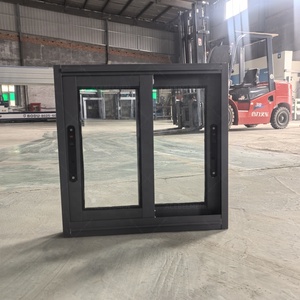
Engineered Big Aluminium Window & Door Systems
Factory-direct large-format fenestration solutions tested to international structural and thermal standards.
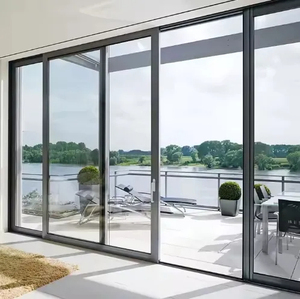
Contemporary High-End Aluminium Pocket Patio Doors Weatherproof Sliding Glass for Interior Garden Aluminium Alloy Material Sale
Get a Quote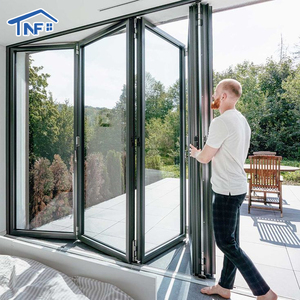
NF Aluminum Doors Aluminium Bifold Patio Folding Glass Doors Outswing Energy Efficient Bifold Door
Get a Quote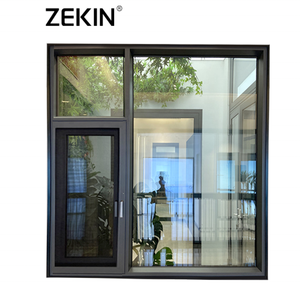
Custom Aluminum Window Hurricane Impact Proof Double Glazed French Bay Window Smart Aluminum Casement Windows
Get a Quote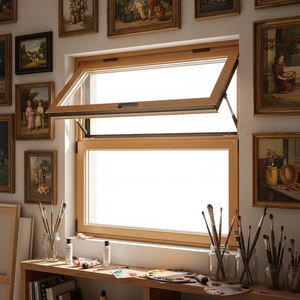
Aluminum Wood Window Manufacturers Aluminum-clad Wood Windows Double Glazing Folding Casement Windows Strong Stainless Steel
Get a Quote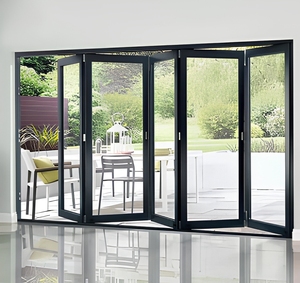
Bi Fold Aluminum Modern Double Tempered Glass Exterior Patio Veranda Folding Doors with Germany Brand Hardware
Get a Quote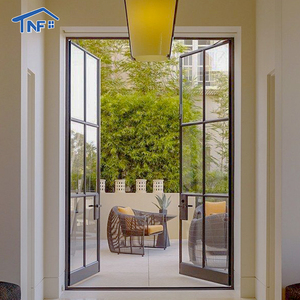
Simple Design Single Door Exterior Aluminum French Door Bathroom Narrow Frame Casement Aluminium Interior Glass Door
Get a Quote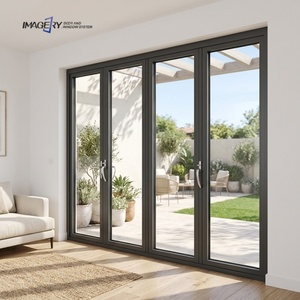
Aluminium Bi-Fold Thermal Break Slide Fold Door Toughened Glass Anti Mosquito Mesh Anti Jam Design for Garden Deck Restaurant
Get a Quote20+
Years R&D Mastery
154+
Global Export Markets
30,000m²
Smart Production Base
1,500m²
Immersive Showroom
1. The Architectural Evolution of Large-Span Aluminium Fenestration
In contemporary high-end residential and commercial architecture, the boundary between interior living spaces and the exterior natural environment has collapsed. Modern design paradigms demand floor-to-ceiling glass elevations, expansive sliding glass walls, and structural curtain-style window units—collectively categorized as Aluminium Big Windows. Sourcing these large-format opening systems requires far more than aesthetic evaluation; it demands rigorous engineering validation, precise alloy selection, and factory verification to guarantee structural safety under dynamic environmental loads.
As a premier factory-direct manufacturer operating out of Foshan, China—the epicenter of global aluminium extrusion and processing technology—Vexis Windows & Doors Co., Ltd. bridges the gap between ambitious architectural blueprints and physical, real-world structural reliability. Large-scale glass openings introduce heightened wind-load pressures, structural deflection risks, and thermal expansion dynamics. Solving these challenges necessitates an advanced understanding of metal extrusion chemistry, glass load-bearing physics, and multi-chamber thermal barrier integration.
2. Structural Mechanics & Engineering Fundamentals of Big Windows
When engineering oversized casement, tilt-and-turn, or heavy-duty sliding window units exceeding 3.5 meters in height, the structural integrity of the frame profiles becomes the critical path of performance. A top-tier manufacturer must engineer profiles based on three primary engineering metrics:
Moment of Inertia (Ix / Iy)
Oversized window mullions require high Moment of Inertia values to resist permanent deformation under peak wind velocity. Profiles are extruded from primary 6063-T6 aluminium alloy with customized structural ribbing.
Wind Pressure Resistance (ASTM E330)
Big window configurations must achieve top-tier pressure ratings (exceeding 5000 Pa). This ensures complete water tightness and zero structural failure during tropical typhoons and coastal storms.
Polyamide Thermal Barriers (PA66-GF25)
To prevent thermal bridging across massive aluminium surfaces, profiles feature 24mm to 34mm glass-fiber reinforced polyamide thermal break strips, achieving U-factors below 1.2 W/m²K.
Furthermore, structural silicone glazing (SSG) techniques and heavy-duty corner-crimping cleats engineered with German sealant injection systems ensure that frame corners maintain absolute rigidity over decades of cyclic thermal stress. For projects located in high-wind regions like Florida, Australia’s coastal zones, or the typhoon belts of Southeast Asia, big window assemblies must also incorporate laminated impact-resistant glass matrix configurations (e.g., 6mm Tempered + 1.52mm PVB/SGP + 6mm Tempered).
3. Global Sourcing & Procurement Trends (2026–2030)
The global commercial and luxury residential fenestration market is undergoing a seismic shift driven by strict energy codes (such as Europe’s EPBD standards and North America’s NFRC energy performance mandates) and changing consumer preferences. Importers, facade contractors, and real estate developers are updating their supplier selection criteria based on several major upcoming trends:
A. Ultra-Slim Sightlines & Concealed Frame Architecture
Architects increasingly demand minimal visible aluminum frames. Sourcing trends favor "invisible frame" sliding and fixed window systems where the outer profile is completely embedded within the building envelope's finish. Achieving this requires structural glass-bearing roller mechanisms capable of carrying sash weights up to 800 kg per panel with friction coefficients below 0.05.
B. Low-Carbon "Green Aluminium" & ESG Compliance
International developers now mandate carbon footprint disclosures for fenestration materials. Preferred factories utilize primary aluminium smelted using hydroelectric energy, alongside recycled post-consumer alloys processed under strict ISO 14064 greenhouse gas validation. Sourcing from accredited Chinese factories with low-carbon credentials significantly reduces Scope 3 embodied carbon for LEED and BREEAM certified buildings.
C. High Acoustic Isolation for Urban Density
With rapid urban expansion near high-volume transport corridors, big window systems are specified not just for daylighting, but as acoustic shields. Multi-chamber profile designs paired with asymmetric double or triple insulated glass units (IGUs) incorporating acoustic Interlayer films (such as Vanceva Quiet PVB) achieve Sound Transmission Class (STC) ratings upwards of 45 dB, neutralizing low-frequency urban traffic noise.
4. Factory Benchmarking & Supplier Evaluation Matrix
When evaluating overseas aluminium window manufacturers, procurement directors must look past marketing catalogs and rigorously audit production capabilities. A reliable factory partner must demonstrate end-to-end control across the entire fabrication lifecycle:
1. Raw Material Verification: Insist on 6063-T6 or 6060-T66 virgin aluminium billets. Lower-tier manufacturers often mix recycled scrap aluminium containing excessive impurities, leading to frame cracking under structural load and premature oxidation of anodized or powder-coated surfaces.
2. Surface Treatment Mastery: Premium big windows require surface coatings certified by Qualicoat (for powder coating) or Qualanod (for anodizing). A high-grade PVDF (Fluorocarbon) 3-coat system ensures anti-fading performance under high-UV solar radiation for 25+ years without chalking or peeling.
3. Hardware Integration: Big window sashes place immense mechanical torque on hinges, corner gearboxes, and multi-point locking mechanisms. Factories must integrate top-grade hardware systems (such as German-engineered Siegenia, Hoppe, Roto, or heavy-duty custom stainless steel assemblies) tested to 50,000+ continuous opening cycles.
5. Enterprise Strengths: Why Vexis is the Sourcing Partner of Choice
Vexis Windows & Doors Co., Ltd. has established itself as an authoritative force in foreign trade fenestration manufacturing. Operating a 30,000 m² modern manufacturing hub and a 1,500 m² immersive interactive showroom in Lishui Town, Foshan, Guangdong, Vexis delivers tailor-made fenestration systems for demanding global client bases.
Our competitive advantages directly solve common international procurement friction points:
- Comprehensive OEM/ODM Engineering: Every order is custom-fabricated to exact structural drawings, CAD details, and opening dimensions provided by project architects.
- Global Market Certification: Products comply with rigorous international standard protocols including NFRC, CSA, AS2047, CE, and ISO 9001 quality management benchmarks.
- Integrated Supply Chain: From precision extrusion profiling, thermal strip insertion, glass cutting and tempering, to final shop assembly and pressure testing, all operations occur under one roof to maintain competitive direct-factory pricing.
- Export Packaging Protection: Big glass window units are protected using multi-layer cellular wrap, hard corner guards, and fully enclosed IPPC-stamped fumigated plywood crates to ensure zero transit damage during long-distance maritime container shipping.
Frequently Asked Questions by Global Buyers
Technical and logistics answers for real estate developers, contractors, and importers.
What structural calculations are conducted for custom big window orders? +
Our engineering design team uses Finite Element Analysis (FEA) software to model local wind loads, dead loads of heavy glass units, and deflection limits (L/175 or L/240 based on regional structural codes). We calculate the exact Moment of Inertia required for mullions and select the appropriate aluminium alloy temper (such as 6063-T6) and wall thickness (ranging from 2.0mm to 3.0mm+).
How does Vexis achieve low U-factors for large glass window walls? +
We achieve superior thermal insulation by utilizing multi-chamber polyamide thermal break profiles (PA66-GF25), warm-edge spacer technology, and double or triple-pane Insulated Glass Units (IGUs) filled with 90%+ Argon gas. Furthermore, we apply high-performance Low-E coatings (Double or Triple Silver Low-E) that block solar heat gain (SHGC) while allowing high visible light transmittance.
What is the typical lead time from CAD sign-off to factory dispatch? +
For standard customized commercial orders, lead times are generally 25 to 35 business days following final shop drawing confirmation and deposit receipt. For complex projects requiring custom extrusion die tooling, an additional 10 to 15 days is allocated for die creation, sample testing, and anodizing/PVDF color matching approvals.
Can Vexis adapt window hardware and profiles to match specific regional building codes? +
Yes. We regularly supply projects across North America, Australia, Europe, and the Middle East. Our systems can be configured with NFRC-certified glass packages for North America, AS2047 hurricane and wind testing configurations for Australia, and CE marking compliance for European Union destinations.
How do you guarantee glass safety during maritime transportation? +
We utilize heavy-duty ocean shipping packaging protocols. Every window panel is wrapped in protective scratch-resistant film, padded with foam corner guards, and vacuum-sealed where required. Complete assemblies are secured inside heavy-duty, fully enclosed plywood crates built with internal shock-absorbing supports. Crates are engineered for mechanical forklift loading and container tie-down straps.
What warranty terms do you provide for large-span aluminium windows? +
Vexis provides a comprehensive warranty package: 10 years on structural aluminium extrusion profiles and frame integrity, 10 years against seal failure in insulated glass units, and 5 to 10 years on operational hardware depending on the selected hardware brand specification (e.g., German Siegenia/Roto vs. Premium Vexis System Hardware).
What minimum information should I submit to obtain an accurate factory quote? +
To receive a precise engineering quote within 24 hours, please provide your project architectural elevation drawings or schedule of openings, preferred opening styles (e.g., sliding, folding, casement), frame color preference (RAL color or anodized finish), target glass performance specs (e.g., double glass Low-E), and the destination port for freight estimation.
Partner with a Trusted Aluminium Big Windows Manufacturer
Whether you are sourcing custom fenestration for a commercial high-rise, luxury residential estate, or importing container loads for regional distribution, our export engineering team is ready to assist with CAD shop drawings, structural specs, and factory-direct wholesale pricing.