Featured Architectural Aluminum Windows & Partition Systems
Explore our top-performing hurricane-impact casement windows, thermal break sliding doors, and architectural partition systems engineered for global building codes.
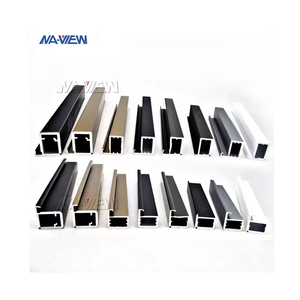
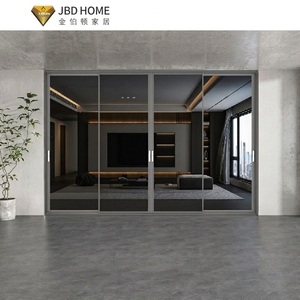
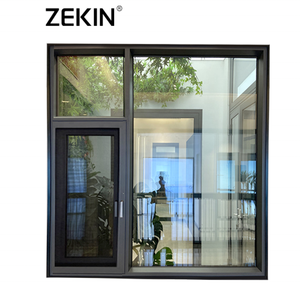
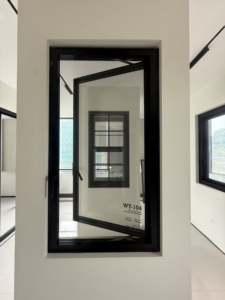
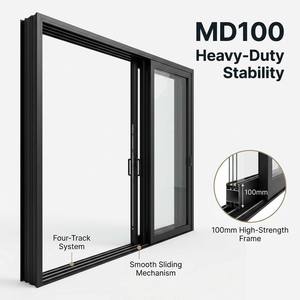
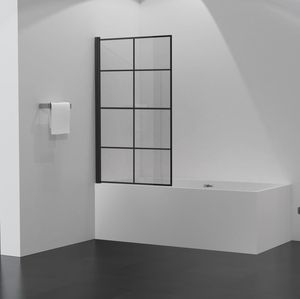
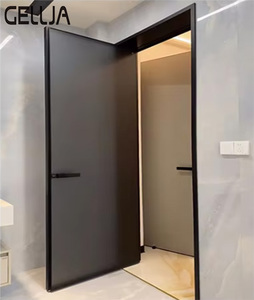
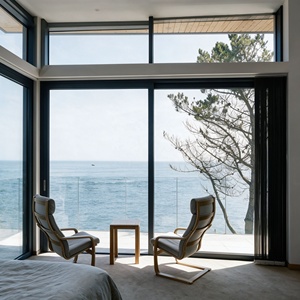
Foshan Manufacturing Infrastructure & Global Export Competence
Headquartered in Lishui Town, Foshan—the world’s epicentre of architectural aluminum extrusion—Vexis Windows operates as a premier factory-direct manufacturer integrating advanced engineering R&D, structural design, automated fabrication, and international B2B logistics.
Precision Metallurgy & Extrusion
Utilizing high-grade 6063-T5 and 6063-T6 virgin aluminum billets, our structural profiles feature wall thicknesses from 1.4mm for residential sashes up to 3.0mm+ for heavy-duty curtain walls and commercial open windows, ensuring superior tensile strength (≥ 205 MPa).
Climatic Adaptation Engineering
Each open window system is custom-configured to withstand extreme ambient conditions—ranging from thermal break insulation sashes for severe freezing zones in Canada to anti-corrosive PVDF surface coatings for coastal salt spray environments in Australia.
Rigorous QA & International Compliance
Every batch undergoes rigorous quality control including water tightness testing (up to 600 Pa), structural wind load testing (over 5000 Pa), and cycle durability tests (≥ 100,000 operations), compliant with AS2047, NFRC, CE, and ISO9001 protocols.
Technical Specification Benchmarks for Open Windows
Understanding the thermal physics, structural integrity, and hardware dynamics of high-performance architectural aluminum sashes.
| Performance Parameter | Standard Aluminum Windows | Vexis System Thermal Break Open Windows | International Standard Compliance |
|---|---|---|---|
| Thermal Transmittance (U-Value) | 3.5 - 5.8 W/m²·K | 1.1 - 1.8 W/m²·K (Low-E + Argon Triple Glaze) | NFRC / EN ISO 10077-1 |
| Wind Pressure Resistance (P3) | 1500 - 2500 Pa | 4500 - 5500 Pa (Structural Reinforcement) | AS2047 (Class C4/C5) / ASTM E330 |
| Water Penetration Resistance | 200 - 300 Pa | 600 - 900 Pa (Multi-Chamber EPDM Sealing) | AS2047 / EN 12208 (Class 9A) |
| Acoustic Insulation (Rw) | 22 - 28 dB | 38 - 45 dB (Laminated Acoustic PVB) | ISO 717-1 / ASTM E413 |
| Thermal Barrier Strip Material | PVC / Low-Grade Nylon | Polyamide PA66-GF25 (25% Glass Fiber Reinforced) | GB/T 23615.1 / EN 14024 |
| Hardware & Locking System | Single Lock Keep | Multi-Point Security Locking (CMECH / Siegenia / Hoppe) | PAS 24 / EN 1627 RC2 Grade |
Anatomy of a High-Performance Thermal Break Open Window
The superior insulation of a Chinese manufactured high-end casement or awning open window relies on three structural principles:
1. Polyamide PA66-GF25 Thermal Break
Aluminum is a natural heat conductor. By inserting a 24mm to 34mm wide glass-fiber reinforced polyamide strip (PA66-GF25) between inner and outer profile extrusions, thermal conductivity is reduced by over 70%, stopping winter condensation and summer heat gain.
2. Continuous EPDM Triple Gasket Sealing
Unlike traditional rubber, automotive-grade EPDM (Ethylene Propylene Diene Monomer) weatherstripping utilizes vulcanized corner joins to maintain elastic memory across extreme temperatures (-40°C to +120°C), eliminating air infiltration.
3. Pressure-Equalized Drainage Cavities
Engineered with concealed drainage slots and internal pressure-balancing chambers, wind pressure cannot push rainwater back through the window frame, ensuring total waterproof integrity even under severe storm conditions.
Future Procurement Trends in Aluminum Window Systems (2025–2030)
As global energy codes tighten and modern architecture leans toward maximal daylighting, wholesale procurement strategy must evolve to address these core macro trends.
1. Decarbonization & Carbon Border Readiness
International developers increasingly demand environmental product declarations (EPDs) and low-embodied-carbon aluminum sashes. Top Chinese suppliers are adopting recycled alloy billets, solar-powered extrusion plants, and green powder coatings to meet EU CBAM and US ESG compliance requirements.
2. Ultra-Slim Sightlines & Flush Profiles
Architectural preference is shifting heavily toward minimal frame profiles (visible face widths under 45mm) and concealed hinges. Sourcing sashes with hidden drainage channels and flush interior-exterior finishes provides developers with higher premium yields in luxury residential projects.
3. Smart Home & Motorized Actuation
B2B procurement now prioritizes sashes pre-wired for smart building automation. Electric window actuators integrated with rain sensors, wind gauges, and HVAC climate units allow open windows to auto-close during rainstorms or open automatically for nighttime purge ventilation.
Technological Breakthroughs in Chinese Window Manufacturing
China’s facade and fenestration industry has undergone a massive shift from basic assembly to high-precision robotic manufacturing and advanced material science.
Corner-Cleating & Glue-Injection
Replacing primitive mechanical screws, modern open windows utilize dual-corner cleats combined with automated structural epoxy injection to prevent frame sagging, water leaks, and diagonal misalignments over decades of usage.
Integrated Flyscreen Systems
Next-generation casement open windows incorporate high-transparency 304/316 stainless steel security mesh screens (0.8mm wire thickness), providing intruder protection alongside insect proofing without obstructing light transmission.
Solar Control Low-E Double Glazing
Advanced double and triple glazing units with off-line soft-coat Low-E layers allow visible light transmittance above 70% while reflecting up to 85% of infrared thermal radiation, dramatically reducing HVAC energy consumption.
Automated CNC Fabrication Lines
Computerized 5-axis CNC machining centers perform milling, drilling, and notch cuts on extrusion profiles down to ±0.1mm tolerances, guaranteeing flawless hardware installation and airtight corner joins.
Frequently Asked Questions for B2B Importers & Contractors
Key technical, commercial, and operational insights to streamline direct factory sourcing from China.
What structural parameters are essential when ordering open windows for high-rise or coastal projects? +
How does Vexis ensure custom sashes precisely fit project shop drawings and site openings? +
What surface finish options are available for long-term corrosion prevention? +
- Electrostatic Powder Coating (AkzoNobel / PPG): Standard outdoor durability with 10-15 year warranties against chalking and color fading.
- Fluorocarbon (PVDF) Spraying: 2-coat or 3-coat liquid finishes ideal for harsh coastal salt-air environments, offering 20-25 year warranties.
- Anodizing & Electrophoresis: Metallic architectural aesthetics with surface oxide film thicknesses up to 25μm for extreme abrasion resistance.
- 3D Heat-Transfer Wood Grain: Real wood visual warmth combined with structural aluminum durability.
How are glass units protected during long-distance ocean shipping? +
Can Vexis windows achieve NFRC energy ratings and AS2047 Australian standards? +
What is the average lead time for custom aluminum open window orders? +
What hardware brands are integrated into Vexis open window sashes? +
B2B Sourcing Verification Checklist for Project Procurement
Ensure project risk mitigation before issuing purchase orders to aluminum window manufacturers.
✔ Material Grade Check
Verify profile alloy certificate (6063-T5 vs recycled scrap) and thermal strip material (PA66-GF25 vs PVC imitation).
✔ Structural Calculation
Confirm sash profile moment of inertia (Ix/Iy) matches calculated wind pressure requirements for elevation height.
✔ Glass Unit Specification
Require toughened tempered safety glass certifications (SGCC, CE EN12150, AS/NZS 2208) with warm-edge insulated spacers.
Ready to Partner with China's Premier Open Window Manufacturer?
Send us your project drawings or window schedules today. Our engineering team will provide free structural advice, CAD cross-sections, and competitive factory-direct wholesale quotations within 24 hours.
Get a Quote