Featured Engineering Solutions & Product Showcase
Explore our flagship export-grade aluminum sliding door systems, thermal break casement windows, hurricane impact glazing, and custom architectural entry doors certified for global construction standards.
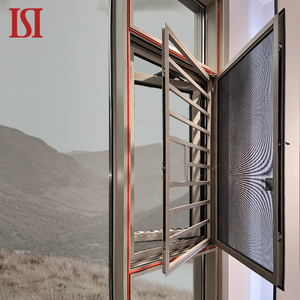
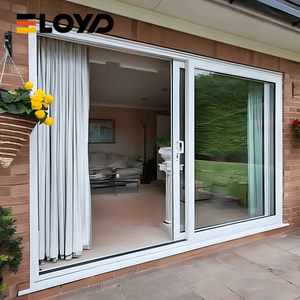
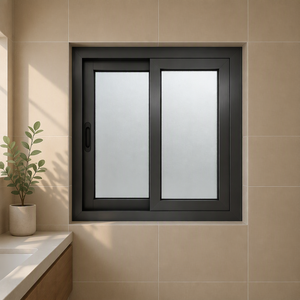
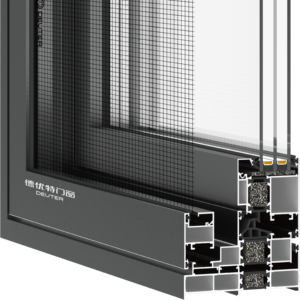
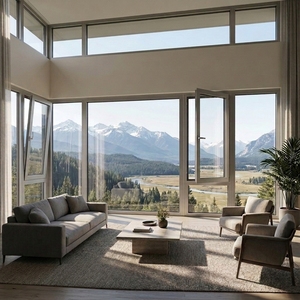
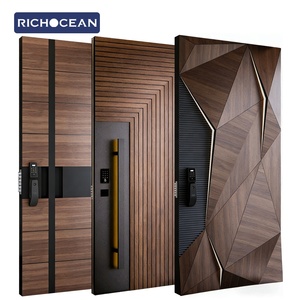
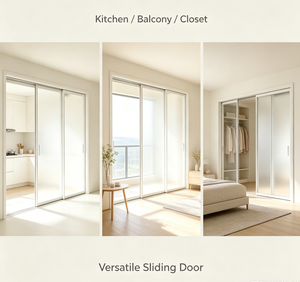
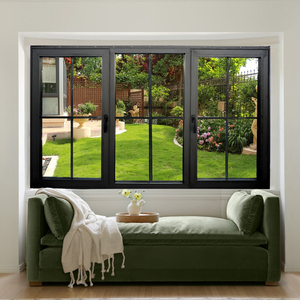
Architectural Engineering Whitepaper: Sourcing Premium Aluminium Sliding Doors & Windows from China
In modern commercial architecture and high-end residential development, fenestration systems are no longer merely aesthetic elements; they represent critical thermal, acoustic, and structural building envelope components. Selecting a top China aluminium sliding doors and windows manufacturer demands an in-depth understanding of extrusion metallurgies, thermal break physics, seal dynamics, and structural glass integration.
Foshan, Guangdong stands as the global capital of architectural aluminium manufacturing. Companies operating in this industrial cluster leverage vertically integrated supply chains, advanced CNC machining centers, precision powder-coating lines, and automated double-glazing lines to produce systems compliant with stringent international codes such as ASTM E1886/E1996 (Hurricane Impact), NFRC (Thermal Transmittance), CSA (Canadian Standards Association), and AS2047 (Australian Window Standards).
Metallurgical Precision & Alloy Selection
The core structural integrity of aluminium window and door systems relies heavily on the aluminum alloy chemical composition and temper condition. Premium Chinese manufacturers exclusively utilize prime-grade 6063-T5 and high-tensile 6063-T6 architectural aluminium extrusions. 6063 alloy offers superior surface finish capabilities, excellent corrosion resistance, and optimized yield strength, making it ideal for large-span sliding panels, lift-and-slide doors, and high-rise curtain walls.
| Material / Spec | Architectural Standard | Performance & Engineering Implication |
|---|---|---|
| Aluminium Alloy | 6063-T5 / T6 Extrusion | Yield strength ≥ 170 MPa; ideal for large-format glass structural loads. |
| Thermal Break Strip | PA66-GF25 (Polyamide 66 + 25% Glass Fiber) | Low thermal conductivity (≤ 0.3 W/m·K), matching aluminium expansion coefficients. |
| Surface Treatment | PVDF Coating / Fluorocarbon Spraying | Resists UV degradation, salt-spray corrosion (AAMA 2605 compliant), 20+ year lifespan. |
| Sealing Gaskets | Multi-Channel EPDM (Ethylene Propylene Diene Monomer) | Retains elasticity from -40°C to +120°C; ensures air infiltration < 0.1 m³/m·h. |
| Hardware Integration | Siegenia / Hoppe / Sobinco Multi-Point Locks | High security rating, heavy-duty load capacity (up to 400kg per sliding leaf). |
Enterprise Manufacturing Capabilities & Quality Assurance
Headquartered in Lishui Town, Foshan, Guangdong, our manufacturing complex integrates comprehensive research and development, custom geometric profiling, automated structural assembly, and rigorous export testing. Serving global developers, general contractors, and trade importers across 154+ countries, our engineering philosophy revolves around four structural pillars:
Custom Geometric Flexibility
Every architectural plan presents unique wind-load math and dimensional constraints. We deliver fully bespoke profile wall thicknesses (from 1.4mm for windows to 3.0mm+ for heavy-duty doors), custom grid patterns, and curved or angular frames designed directly from client CAD/BIM models.
Thermal & Acoustic Isolation
Utilizing multi-chamber Polyamide thermal barrier strips (PA66GF25), our systems decouple outer and inner frame temperatures. Paired with argon-filled, Low-E double or triple-glazed tempered glass units, U-values drop below 1.2 W/m²K while STC sound insulation reaches up to 45 dB.
Hurricane Impact & Security Specs
Engineered for severe coastal weather and tropical cyclone zones, our heavy-duty sliding systems feature embedded steel reinforcements, anti-lift interlocks, hurricane-rated PVB laminated glass, and multi-point locking rods capable of resisting extreme pressure loads.
Future Procurement Trends in Aluminium Doors and Windows (2025–2030)
The global market for architectural aluminium door and window systems is undergoing rapid technological evolution driven by strict carbon neutrality mandates, smart building integration, and modern minimalist architectural preferences. Commercial buyers and importers must align their procurement strategies with these core macro trends:
1. Minimalist Ultra-Slim Sightlines & Large Structural Panes
Architectural design heavily favors floor-to-ceiling glass expanses with invisible frame profiles. Modern sliding door systems feature interlock profiles as narrow as 16mm to 25mm without compromising wind resistance. Achieving this requires ultra-high-density 6063-T6 extrusions and structural silicone bonding (IGU structural glazing) to transfer lateral wind loads directly onto the glass panel.
2. High-Performance Lift and Slide Mechanisms
Standard sliding doors rely on continuous gasket friction, which can degrade weather sealing over time. Future procurement is shifting rapidly toward Lift and Slide systems. By turning the handle 180 degrees, stainless steel gear carriage rollers lift the multi-hundred-kilogram door sash off the track for frictionless movement. When locked, the sash drops onto heavy-duty EPDM compression seals for zero air infiltration.
3. Integrated Smart Automation & Motorized Hardware
Smart building automation requires doors and windows to interface directly with HVAC and access control networks. Modern Chinese factories are embedding heavy-duty motorized linear actuators, rain sensors, automated magnetic levitation (Maglev) sliding tracks, and biometrical multi-point locks into the profile frame while maintaining clean structural aesthetics.
4. Carbon-Neutral Manufacturing & Recycled Billet Utilization
With European CBAM (Carbon Border Adjustment Mechanism) and global ESG standards taking effect, top Foshan suppliers are adopting low-carbon primary aluminium smelted via hydroelectricity and incorporating up to 75% recycled post-consumer scrap without diminishing structural tensile strength.
Frequently Asked Questions (FAQ) for B2B Importers & Project Buyers
Ready to Partner with China's Premier Aluminium Systems Manufacturer?
Whether you require custom shop drawings for a luxury villa project, bulk container pricing for commercial developments, or technical OEM profile customization, our engineering export team responds within 24 hours.
Contact Us