Featured Aluminium Kitchen & Patio Door Systems
Precision-engineered aluminium door systems from Foshan's premier OEM/ODM manufacturing facility. Standard and custom profiles built to high international performance benchmarks.
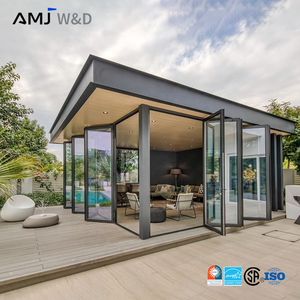
Middle East Insulating Glass Bifold Door Modern Foldable Screen Aluminum Folding Doors Exterior
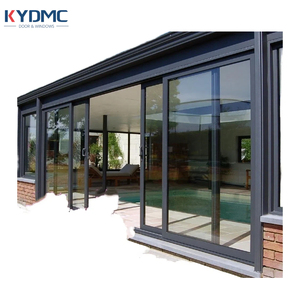
Courtyard Entry Sliding Doors Thermal Insulation Double Tempered Glass Aluminium Glass Patio Sliding Doors
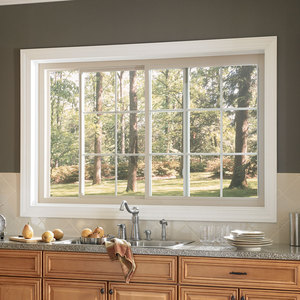
Rustic Aluminum Alloy Workshop Folding Screen Heat Insulation Brown 5 Year Plastic Louver Sliding Windows
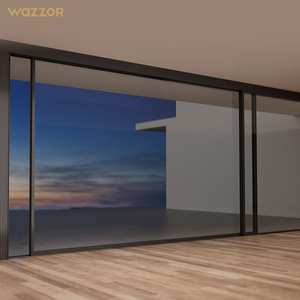
Wazzor Hurricane Rated in Stock Double Tempered Glass Sliding Doors System Exterior Interior Balcony Patio Glass Aluminum Door
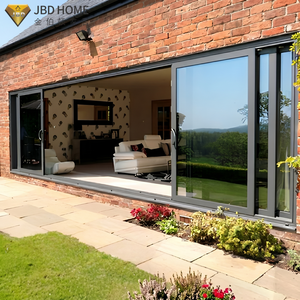
Modern Exterior 4 Panel Aluminum Sliding Glass Door Double Glazed Tempered Patio Entrance For Residential Villa Projects
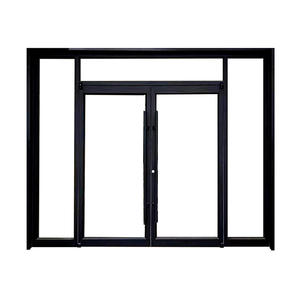
Customized Front Door Aluminium Profile Wardrobe Sliding Door Double Core Interior Doors Catalogue
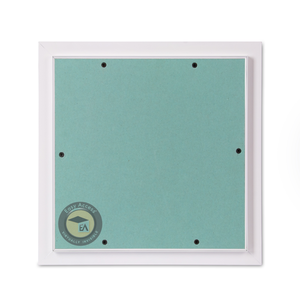
2026 Top Selling Easy Access Durable Modern Aluminium Design White Customised Size Metal Trap Door RFAP4545PCMR ISO9001
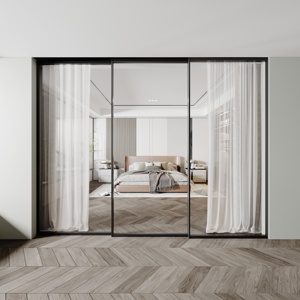
Modern Two-Way Sliding Cabinet Door Aluminum Frame Safety Suspended Track System Interior Pocket Glass Door for Apartment Use
Sourcing Aluminium Kitchen Half Doors: The Definitive B2B Guide
In modern architectural design, the boundary between interior culinary spaces and outdoor entertainment areas—or adjacent dining rooms—has undergone a profound paradigm shift. Aluminium kitchen half doors (frequently specified as Dutch doors, half-height bi-fold servery windows, or split-leaf architectural door systems) have emerged as an indispensable functional component in upscale residential projects, commercial hospitality venues, and multi-family developments globally.
As international developers, architects, and building material importers evaluate procurement channels, China’s industrial ecosystem in Guangdong—specifically centered around Foshan—stands out as the global epicenter for precision aluminum window and door manufacturing. This whitepaper provides architectural buyers, trade distributors, and general contractors with deep technical insights into selecting top-tier Chinese factories, evaluating extrusion metallurgy, assessing thermal efficiency specs, and streamlining global OEM/ODM procurement.
Why Direct Factory Sourcing in Foshan Delivers Competitive Advantage
Vexis Windows & Doors Co., Ltd. represents the pinnacle of Chinese architectural aluminium engineering, integrating raw material extrusion processing, precise CNC machining, automated glass assembly, and strict ISO certification protocols.
State-of-the-Art Production Base
Spanning over 30,000 square meters in Lishui Town, Foshan, our manufacturing facility houses automated extrusion lines, precision corner-crimping equipment, and robotic double-glazing sealing stations that guarantee zero-tolerance assembly quality.
EPDM Sealing & Thermal Engineering
Our in-house R&D team engineers custom multi-layer continuous EPDM synthetic rubber gaskets combined with German polyamide thermal break strips, achieving superior air-tightness (Class 8) and water-penetration resistance.
Global Export Compliance
Exporting to 154+ countries across North America, Europe, Australia, and the Middle East. Systems comply with strict global standards including AS2047, CE, ISO9001, and NFRC energy ratings.
Engineering Standards & Material Specifications
Comparative overview of architectural grade parameters applied in Chinese exporter facilities for heavy-duty kitchen doors and servery partition systems.
| Performance Parameter | Standard Commercial Specification | Vexis Premium Architectural Grade | Testing Standard / Compliance |
|---|---|---|---|
| Aluminium Alloy Base | 6063-T5 Standard Extrusion | Primary High-Purity 6063-T6 Structural Profile | GB/T 5237.1 / ASTM B221 |
| Profile Wall Thickness | 1.4mm – 1.6mm | 2.0mm – 3.0mm Heavy-Duty Reinforcement | EN 12020-2 |
| Thermal Insulation Strip | Standard PVC / Standard Nylon | PA66GF25 Reinforced Polyamide (24mm – 34mm) | DIN 16941 / ISO 16396 |
| Glass Configuration | 5mm + 9A + 5mm Tempered Glass | 5mm + 16A + 5mm Low-E Double Glazed Argon Filled | IGCC / EN 12150 / AS/NZS 2208 |
| Surface Finish Technology | Standard Powder Coating | AkzoNobel PVDF Fluorocarbon / Anodized 25μm | AAMA 2605 / QUALICOAT Class 2 |
| Acoustic Insulation (STC) | STC 28 - 32 dB | STC 38 - 45 dB (Acoustic Laminated Double Glass) | ASTM E90 / ISO 717-1 |
| Hardware & Locking System | Single-Point Latch | German Siegenia / HOPO Multi-Point Stainless Lock | EN 13126 / PAS 24 Security |
Future Procurement Trends in Architectural Aluminium Half Doors
1. Ultra-Narrow Sightline Profiles
Architects are increasingly specifying minimal frame sightlines (down to 18mm interlocks) for kitchen servery windows and split doors. Modern factories utilize hidden hinges and embedded sash designs that maximize daylight transmittance while maintaining structural rigidity against wind forces.
2. Smart Motorization & Sensor Integration
Future B2B procurement contract specifications increasingly mandate electric split-folding mechanisms. Integrated brushless DC motors with smart home connectivity allow kitchen half-doors to fold open automatically via voice control or touch panel, ideal for luxury residential projects.
3. High-Grease Hygienic Coatings
Kitchen environments present intense challenges regarding grease accumulation and chemical cleaning solutions. Upstream factories are implementing hydrophobic, oleophobic nano-powder coatings that prevent cooking smoke staining and withstand acid-alkali cleaning agents without color fading.
Industry & Manufacturing Development Innovations
The manufacturing landscape for Chinese aluminium doors has evolved from low-cost assembly to highly automated precision engineering. Key technological developments driving the market include:
- Multi-Chamber Thermal Insulation Architecture: Traditional single-cavity profile profiles are being replaced by multi-chambered polyamide profiles filled with high-density polyurethane (PU) foam, dramatically reducing thermal transmittance (U-values down to 1.1 W/m²K).
- Automated CNC Corner Crimping & Injectable Glue Technology: To achieve absolute water tightness at profile joints, leading Foshan factories utilize two-component corner injection sealant system combined with pneumatic crimping, eliminating joint leakage in severe weather conditions.
- Heavy-Duty Stainless Steel Track Assemblies: Kitchen half doors—especially suspended top-hung bi-fold servery windows—rely heavily on hardware integrity. Manufacturers are shifting toward 304/316 grade stainless steel track channels and quad-roller bearing assemblies tested to 100,000 continuous opening cycles.
Frequently Asked Questions for International Importers
Clear solutions to common commercial, engineering, and logistical queries encountered when importing aluminium doors from China.
What are the key advantages of ordering aluminium kitchen half doors directly from Foshan manufacturers? +
How do half door / Dutch door configurations handle water and air sealing compared to standard doors? +
Can product dimensions, glass specifications, and hardware brands be customized for OEM projects? +
What is the standard manufacturing lead time for custom door orders? +
How are aluminium door products packaged to prevent damage during ocean container transport? +
What documentation is provided to assist with customs clearance and local building compliance? +
Does Vexis offer technical support or shop drawing generation before production? +
What warranty terms cover Vexis aluminium doors and window hardware systems? +
Partner with China's Premier Aluminium Door Exporter
Get direct factory pricing, technical shop drawings, and tailored engineering support for your upcoming residential or commercial development project.