Engineered Architectural Doors & Window Systems
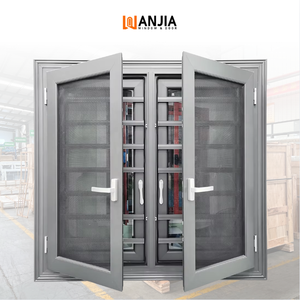
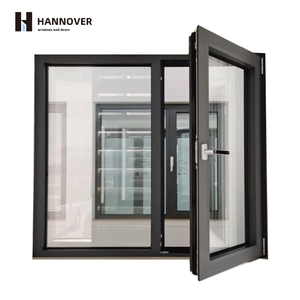
Direct factory product portfolio manufactured in Foshan, China. Precision engineered with PA66 thermal break technology, multi-point locking systems, and heavy-duty structural aluminum extrusions.
1. Executive Overview: China's Aluminium Casement Door Industry
In the global architectural hardware landscape, selecting a reliable Aluminium Casement Door Factory in China represents a critical strategic lever for project developers, B2B importers, commercial contractors, and facade engineers. Modern architectural design demands ultra-narrow frame profiles, low U-value thermal insulation, extreme structural wind resistance, and seamless indoor-outdoor transition capabilities. As coastal weather events grow more severe and global energy efficiency standards (such as NFRC, CE, and AS2047) tighten, Chinese fenestration manufacturers have evolved from low-cost assembly workshops into automated, high-precision technical powerhouses.
Foshan, located in Guangdong Province, has solidified its position as the world's epicenter for architectural aluminum extrusions and custom window/door system manufacturing. Integrating complete supply chains—ranging from raw 6063-T5/T6 billet smelting, anodizing, powder coating, and PVDF surface treatments to glass tempering, insulated glass unit (IGU) fabrication, and multi-point hardware integration—Chinese manufacturers like Vexis Windows deliver unmatched economies of scale alongside rigorous international compliance.
Full Structural Integration
Combining R&D, structural extrusion design, thermal breaking assembly, surface finishing, and glass integration under one unified 30,000 m² footprint.
Climate-Specific Tuning
Custom profile structures tuned to extreme coastal salt air (anti-corrosion PVDF coatings), high-altitude hurricane zones (Florida TAS 201/202/203), or arctic cold climates.
Agile B2B Supply Chains
Standardized production lead-times within 20-25 days, reinforced sea-freight crating, and direct export capabilities spanning over 154 countries.
2. Engineering Anatomy & Material Performance Specifications
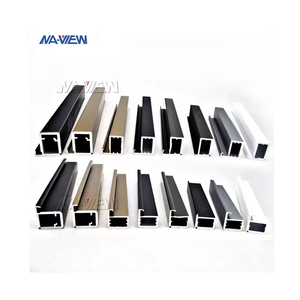
An aluminium casement door system's structural integrity, thermal performance, and air/water tightness depend entirely on its material matrix. When reviewing supplier proposals, technical buyers must scrutinize raw extrusion alloys, polyamide thermal breaks, multi-channel EPDM sealing gaskets, and architectural glazing configurations.
| Performance Vector | Standard Market Specification | Vexis Enterprise Standard | Architectural Impact |
|---|---|---|---|
| Profile Alloy & Temper | Recycled Aluminum / 6063-T5 | Primary Billet 6063-T6 Architectural Grade | Increases tensile strength by over 25%, preventing sash distortion under heavy glass loads. |
| Thermal Insulation Strip | PVC / Low-Grade Polyamide (14.8mm) | PA66 GF25 Polyamide Strips (24mm - 34mm) | Prevents thermal bridging; lowers total frame U-value below 1.4 W/m²K (NFRC compliant). |
| Weather Sealing Gaskets | Standard Rubber / PVC Strips | Continuous Automotive-Grade EPDM Gaskets | Resists UV degradation, cracking, and water infiltration under cyclic storm pressures up to 700 Pa. |
| Hardware & Locking | Single-point Latch / Generic Brand | Multi-Point Locking (HOPO, Roto, Siegenia) | Ensures compression perimeter seal and provides RC2 / PAS 24 forced-entry burglar security. |
| Glazing Assembly | Single 5mm / Clear Double Glass | Double/Triple Tempered Low-E + Argon Gas | Boosts Acoustic Attenuation (STC 38-42 dB) and reduces Solar Heat Gain Coefficient (SHGC < 0.25). |
Thermal Break Technology (PA66 GF25)
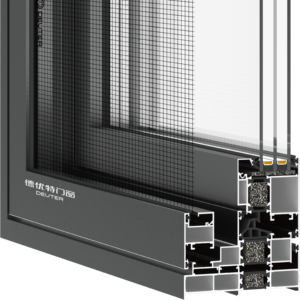
The core element of modern heat-insulated aluminum swing and casement doors is the structural thermal barrier. Standard solid aluminum profiles act as heat conductors, transferring summer heat or winter cold directly into the building interior. High-end Chinese manufacturers utilize imported PA66 GF25 (25% Glass-Fiber Reinforced Polyamide 66) strips. This material matches aluminum's coefficient of thermal expansion (2.4 x 10⁻⁵/K), preventing internal shear stress, structural buckling, or seal failure under high temperature deltas.
Surface Coating & Weatherability
Exterior casement doors endure intense solar radiation, moisture, and corrosive coastal salt mist. Superior suppliers offer multi-tier surface processing:
- AkzoNobel Powder Coating: Architectural grade 60-80 micron thickness, resisting chalking and fading for 15+ years.
- Fluorocarbon (PVDF) Spraying: 3-coat fluoropolymer finish engineered for severe marine environments.
- Anodized & Electrophoresis: Metallic finishes offering scratch resistance up to 3H hardness.
3. Global Sourcing Trends & Architectural Directions (2025–2030)
Strategic procurement managers and building designers must look beyond immediate project bill of quantities (BOQ) and align with key global architectural megatrends:
Ultra-Slim Sightlines
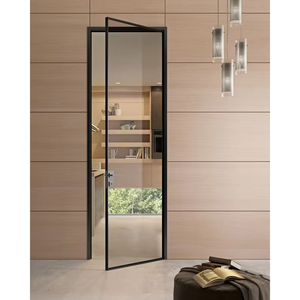
Architectural demand for minimalist French glass doors with sightlines down to 16mm-25mm. High-strength aluminum extrusions carry 200kg+ glass sashes with structural elegance.
Smart Motorization
Integration of automated electric lifting windows, motorized vertical sliding sashes, and biometric/smart-home connected casement lock hardware.
Green Carbon Accounting
Driven by the EU CBAM (Carbon Border Adjustment Mechanism), factories adopting low-carbon hydropower aluminum billets gain immediate compliance advantages.
Hurricane Impact Safety
Growing specification of PVB/SGP laminated impact glass coupled with heavy-wall outswing casements capable of surviving debris impact and wind pressures above 90 psf.
4. China Sourcing Strategy: Evaluating B2B Suppliers & Factories
Distinguishing between an intermediary trading company and a direct manufacturing facility is vital for securing long-term pricing, engineering support, and warranty backing. When conducting factory audits—whether in person in Foshan or via third-party inspection firms (SGS, TUV, Bureau Veritas)—buyers should focus on these critical verification nodes:
Factory Audit Checklist
- Raw Material Traceability: Insist on primary aluminum billet certificates (6063-T5/T6) and verify polyamide thermal strip brand origins.
- CNC Machining Precision: Modern factories must utilize multi-axis CNC milling centers to cut hinge pockets, lock bodies, and drainage slots within 0.1mm tolerances.
- In-House Testing Equipment: Verify presence of four-tester equipment (measuring air permeability, water tightness, wind load resistance, and corner shear strength).
- Glass Processing Line: Ensure automated insulating glass lines with integrated molecular sieve desiccant filling and secondary structural silicone sealing.
Export Logistics & Packaging Assurance
Ocean transport presents significant hazards to glass doors, including moisture corrosion, vibration fractures, and frame abrasion. Premium suppliers employ a 5-layer export packaging protocol:
- Protective PE film applied directly to metal profile surfaces.
- Custom plastic corner protectors on all sash and frame joints.
- High-density EPE foam wrapping surrounding the entire assembly.
- Fumigation-free plywood crates or steel A-frame racks.
- Desiccant bags inserted inside sea-container shipments to eliminate condensation risk.
5. Frequently Asked Procurement Questions (FAQ)
Direct answers to technical, commercial, and logistical questions commonly raised by project buyers, architectural specifiers, and importers.
What types of windows and doors does Vexis manufacture?
Can you customize sizes, colors and glass configurations?
How do you adapt products to local building standards and climates?
Which markets does Vexis export to?
What information should I prepare for a project inquiry?
Can I visit the factory before placing an order?
What is the average lead time for custom architectural orders?
What warranties are provided on aluminum frames and hardware?
Request a Factory-Direct Technical Quote
Submitting architectural drawings or project bill of quantities? Our engineering team will review your specifications, prepare custom CAD shop drawings, and provide detailed CIF/FOB pricing within 24 hours.
Send an Inquiry