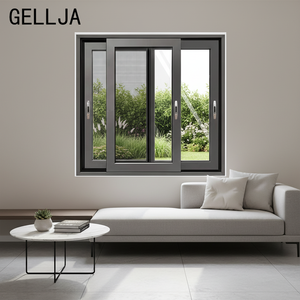
Curated Aluminium Bedroom Fenestration Systems
Engineered by leading Chinese export manufacturers for residential luxury, hotels, high-rise apartments, and passive housing projects.
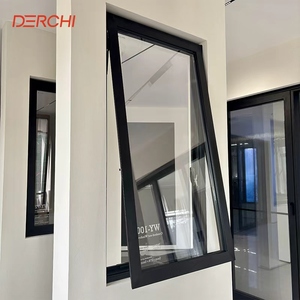
DERCHI AS2047 Australian Style Soundproof Double Safety Glass Window Aluminum Clad Wood Crank Open Windows
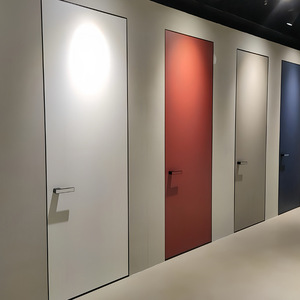
LongTai Modern Commercial 18mm Aluminum Wood Frameless Interior Flush Concealed Invisible Profile Room Hidden Door
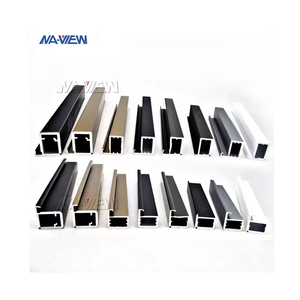
Top 5mm 10mm 12mm Glassdoor Company Enhanced Glass Aluminium Partition Profile Side Shutter Doors For Wardrobe Kitchen
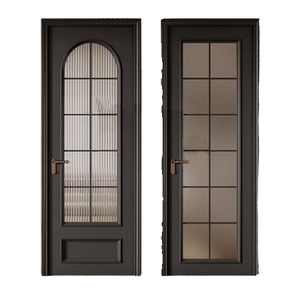
Aluminum Alloy Double Glazed Tempered Glass Waterproof Bedroom Kitchen Sliding Door NFRC American House Contractor Window System
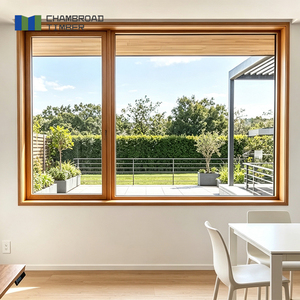
Wood Windows Aluminum Clad French Style Triple Glazed Tempered Glass German Hardware Safe and Durable for Bedroom
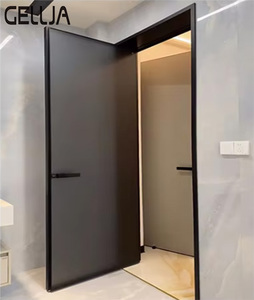
Metal Door Frame Doors Modern Indoor Contemporary Style Aluminium Alloy Showerroom Casement Glass Door Suitable For Hotels
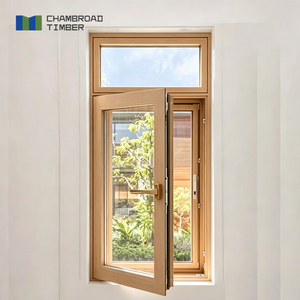
Passive House Window Solid Wood Triple Glazed Airtight Low-E Soundproof CE Certified Custom Wood Casement Window
20+
Years Industry Expertise
154+
Countries Exported To
30,000m²
Foshan Production Base
STC 45dB
Max Sound Attenuation
Bedroom Fenestration Engineering: Technical Sourcing Benchmark
An in-depth technical examination of structural integrity, acoustic performance, thermal barrier dynamics, and China OEM manufacturing standards.
Information Gain Key Takeaway
Bedroom windows are not merely daylight apertures; they serve as the primary acoustic envelope and thermal shield of a residence. Procurement teams sourcing from Chinese factories must evaluate profile alloy wall thickness (≥ 1.4mm to 2.0mm), thermal break polyamide strips (PA66-GF25), acoustic glass configurations (dissimilar glass thickness with PVB/SGP interlayers), and hardware cycle resilience (minimum 25,000 opening test cycles).
1. Acoustic Decibel Reduction (STC/Rw)
High-end bedroom fenestration targets a sound attenuation of 35dB to 48dB. Achieving this requires double or triple-glazed units combining asymmetrical glass panes (e.g., 6mm outer + 12mm Argon space + 8mm inner) and acoustic PVB laminated layers to disrupt diverse sound wave frequencies.
2. Thermal Insulation & U-Factor
Polyamide thermal breaks (PA66 with 25% glass fiber) separate inner and outer aluminum frames, curbing heat conduction. Combined with Low-E soft-coated glass and warm-edge spacers, bedroom system windows yield U-values under 1.2 W/m²K, meeting stringent NFRC and Passive House criteria.
3. Hurricane & Wind Pressure Resistance
Structural stability under extreme wind loads (up to 5000 Pa wind load resistance) is attained using high-density 6063-T5/T6 architectural aluminum profiles, reinforced mullions, multi-point lock hardware gearboxes, and corner-crimping with two-component polyurethane epoxy injection.
Technical Specification Comparison Matrix
Select the optimal bedroom fenestration topology based on structural requirements, regional climate demands, and project budget.
| Window Topology | Frame Material & Depth | Acoustic Rating (Rw) | Thermal U-Value | Water Tightness | Primary Target Application |
|---|---|---|---|---|---|
| Tilt & Turn System | Thermal Break 6063-T6 (70mm - 90mm) | 42 - 48 dB | 0.8 - 1.2 W/m²K | 700 - 900 Pa | Luxury Villa, Cold Climate Bedrooms, Urban High-Rise |
| Outward Casement | Thermal Break Aluminum (60mm - 75mm) | 38 - 43 dB | 1.2 - 1.5 W/m²K | 600 - 800 Pa | Residential Homes, Hotel Guestrooms, Wind-Exposed Sites |
| Slim Frame Slider | Architectural Aluminum (110mm - 140mm Track) | 32 - 38 dB | 1.5 - 1.8 W/m²K | 450 - 600 Pa | Balcony Bedroom Extensions, Tropical/Coastal Resorts |
| Aluminum Clad Wood | Oak/Pine + Aluminum Shell (85mm+) | 44 - 50 dB | 0.7 - 1.0 W/m²K | 650 - 850 Pa | Passive Houses, High-End Master Suites, Heritage Style |
| Awning / Hopper Window | Thermal Break 6063-T5 (55mm - 68mm) | 35 - 40 dB | 1.3 - 1.6 W/m²K | 500 - 750 Pa | Basement Bedrooms, Bathroom/Bedroom Ensuite Venting |
Global Procurement & Manufacturing Trends (2026–2030)
How technological innovation and environmental regulations are shaping the future of OEM aluminum window manufacturing in China.
1. Ultra-Narrow Sightline Aesthetics
Modern architectural preferences strongly lean toward ultra-slim sightlines (frame widths as thin as 18mm to 25mm). Advanced factories leverage structural glass bonding adhesives to maintain high structural strength while maximizing bedroom natural light and panoramic views.
2. Vacuum Insulated Glass (VIG) Adoption
VIG technology removes the air gap entirely between glass panes, achieving ultra-thin glazing profiles with U-values dropping below 0.6 W/m²K. This allows lightweight bedroom sashes without heavy triple-glazed frames.
3. Smart Home & Integrated Ventilation
Motorized chain actuators integrated with smart home networks enable micro-ventilation modes while sashes remain locked. Rain sensors and automated indoor air quality (CO2/VOC) monitoring dynamically adjust sash tilt angles during the night.
4. Low-Carbon Recycled Aluminum Extrusions
European and North American project developers increasingly require Environmental Product Declarations (EPD). Chinese factories are shifting toward hydro-powered low-carbon aluminum billets and 100% recyclable EPDM continuous sealing gaskets.
Vexis Windows & Doors Co., Ltd.
Located in Lishui Town, Foshan City—China's world-renowned aluminum industrial hub—Vexis operates a modern 30,000 m² production base equipped with automated CNC double-head cutting saws, corner punching machines, and robotic glass glazing lines.
✓
30,000 m² Production Base
✓
1,500 m² Immersive Exhibition
✓
Exports to 154+ Countries
✓
AS2047, NFRC & CE Certified
✓
Full Custom Shop Drawings
✓
Export Reinforced Packaging
Procurement & Technical FAQ
Critical answers for real estate developers, contractors, and fenestration importers sourcing from China.
What specifications make an aluminum window suitable for bedroom noise isolation?
To achieve optimal bedroom quietness (STC 38-45+ dB), the window must feature: (1) Asymmetrical glass thickness (e.g., 6mm + 12A + 8mm or 6mm + 1.14PVB + 6mm laminated glass), (2) Multi-channel EPDM continuous vulcanized weatherstripping, and (3) Multi-point hardware locking systems that compress the sash tightly against the frame gaskets when closed.
How do Foshan aluminum window factories guarantee structural quality for high-rise buildings?
Top Foshan manufacturers utilize 6063-T5/T6 primary aluminum alloys with profile wall thicknesses ranging from 1.4mm (for standard windows) up to 2.0mm-3.0mm (for heavy-duty sliding doors and curtain walls). Frame corners are corner-crimped with solid aluminum corner keys and injected with two-component epoxy adhesive to ensure zero frame distortion under high wind loads.
Can Chinese window factories customize profiles to meet local building codes (e.g., AS2047, NFRC, Florida Building Code)?
Yes. Leading factories such as Vexis possess in-house engineering teams that adapt profile structures, thermal barrier depths, and glass assemblies to conform precisely with Australian AS2047 standards, North American NFRC/AAMA ratings, and European CE directives. Official test reports and shop drawings are prepared before mass production.
What glass configurations are recommended for hot tropical vs. cold northern climates?
For hot, humid climates (e.g., Southeast Asia, Florida): Double glazing with solar-control Low-E glass on position #2, paired with tinted outer glass and argon gas filling to block solar heat gain (low SHGC). For cold northern climates (e.g., Canada, Northern Europe): Triple glazing with double Low-E coatings (positions #2 and #5), warm edge spacers, and argon gas to retain ambient indoor heating (low U-value).
What is the standard production lead time and export packaging method?
Standard manufacturing lead time is 25 to 35 days post shop-drawing approval. To protect finishes during ocean freight, products are wrapped in protective scratch-proof film, edge-protected with foam corners, bundled in waterproof shrink wrap, and packed into fully enclosed fumigated plywood crates or metal A-frames.
How can buyers initiate a custom quotation for engineering projects?
Buyers should provide elevation drawings or window schedules detailing dimensions, opening methods (sliding, casement, tilt & turn), frame color preference (powder coating, anodized, PVDF, wood grain), glazing specifications, and destination port. Engineers will formulate CAD shop drawings and factory-direct price estimates within 24 hours.
Request Architectural Catalog & Technical Manual
Get direct access to profile cross-section CAD details, acoustic laboratory test reports, thermal performance charts, and direct factory pricing.