Featured Commercial & Residential Door Systems
Precision-engineered aluminum entrance, patio, and storefront door solutions tested to AS2047, NFRC, and hurricane impact compliance standards for international export.
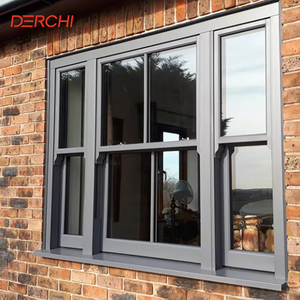
Derchi American Style Aluminum Alloy Single Hanging Vertical Sliding Window Pit Hurricane Sash Window
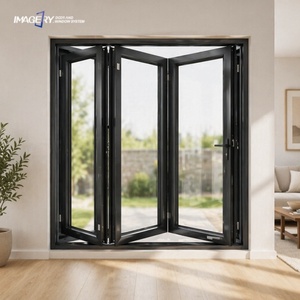
Modern Waterproof Aluminum Folding Glass Door Space Saving Soundproof For House Patio Use
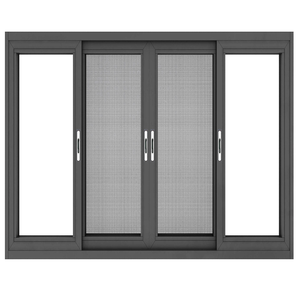
AS2047 Multi Large Sliding Swing Glass Window Aluminium Double Glazed Window Frame Aluminium Sliding Window With Mosquito Net
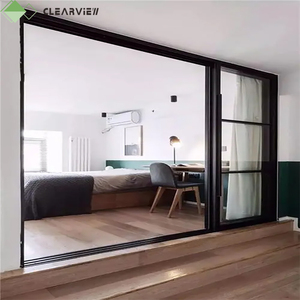
Clearview 2023 Aluminium Japanese Acrylic Shower Doors Sliding Bathroom Aluminum Glass Sliding Door for House
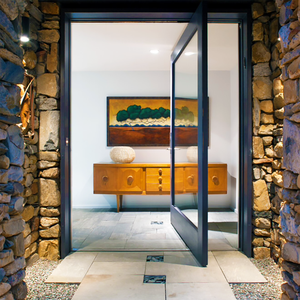
Florida Miami-Dade Approved NFRC North American Style Big Panel Tempered Glass Aluminium Modern Entry Front Pivot Doors
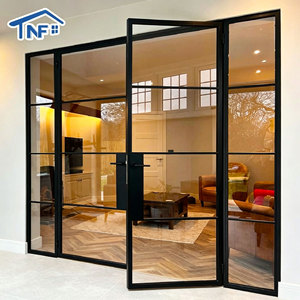
NFRC AS2047 Thermal Break Casement Door Custom Color And Size Double Glazed Swing French Doors Interior And Exterior
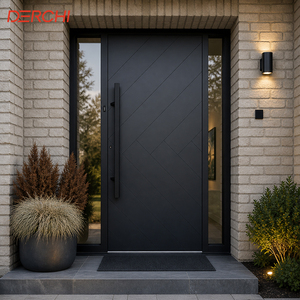
Aluminum Entrance Door Soundproof Thermal Break Aluminum Front Door Exterior Security Door Custom
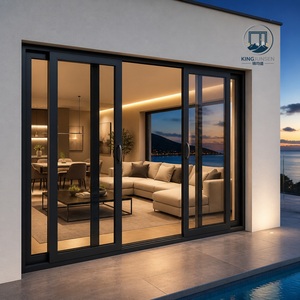
Customized Aluminum Double Tempered Glass Sliding Door AS2047 Balcony Courtyard Avoid Hurricane Impact Sliding Door
State of Commercial Aluminum Shop Doors: Sourcing & Manufacturing Guide
An authoritative whitepaper breakdown on structural integrity, thermal efficiency, regional code compliance, and direct factory procurement for developers, architects, and global importers.
The modern architectural building envelope has undergone a fundamental paradigm shift. Today's commercial storefronts, retail plazas, high-end boutique entrances, and residential patio transitions require shop doors that combine extreme structural durability with minimal visual sightlines and superior thermal insulation. Selecting a world-class aluminum shop door manufacturer & exporter requires far more than basic aesthetic evaluation; it demands an in-depth understanding of extrusion metallurgy (such as 6063-T5 vs. 6061-T6 alloys), structural thermal break isolation, multi-point lock engineering, acoustic isolation (STC ratings), and international code compliance.
Information Gain Benchmark: Commercial entrance systems must balance continuous foot-traffic cycling (exceeding 100,000 operational cycles) with structural resistance against wind loads up to 5000 Pa, while maintaining U-values below 1.6 W/m²K in cold regions.
1. Key Structural & Engineering Requirements for Commercial Aluminum Shop Doors
Commercial entrance doors experience harsh operational stress compared to standard residential doors. A top-tier manufacturer utilizes high-precision 6063-T5 or T6 grade extruded aluminum profiles with wall thicknesses ranging from 2.0mm to 3.0mm for load-bearing stiles and rails. The structural stability of the frame determines long-term alignment, preventing sagging or binding over decades of heavy daily operation.
Furthermore, weatherproofing technology has advanced beyond basic rubber stripping. Industry-leading factories engineer continuous triple-sealed EPDM (Ethylene Propylene Diene Monomer) gasket systems combined with multi-point stainless steel locking hardware. This setup guarantees maximum air tightness (Class 4 EN 12207 standards) and water resistance (Class 9A EN 12208), effectively eliminating drafts, moisture ingress, and thermal bridging.
Structural Thermal Break
Utilizes polyamide PA66-GF25 glass fiber reinforced insulating strips to isolate interior and exterior aluminum profiles, reducing heat loss by up to 65%.
Hurricane & Impact Tested
Engineered to meet Florida Miami-Dade NOA and Australian AS2047 hurricane standards, resisting flying debris and severe wind pressures up to 6000 Pa.
Acoustic Glazing Integration
Accommodates double and triple insulated tempered glass with Argon gas filling and Low-E coatings, achieving sound transmission loss up to STC 42 dB.
2. Sourcing Matrix: Top 10 Technical Criteria for Commercial Buyer Evaluation
When procuring commercial aluminum shop doors and architectural storefront systems from global manufacturers, procurement managers and project contractors must evaluate suppliers across strict technical metrics. The table below outlines the core baseline standards required for modern architectural projects:
| Evaluation Parameter | Standard Commercial Grade | Vexis Advanced Export Grade | Project Architectural Value |
|---|---|---|---|
| Profile Alloy Grade | 6063-T5 (1.4mm - 1.6mm wall) | 6063-T5/T6 (2.0mm - 3.0mm heavy duty) | Prevents frame deformation on large-span commercial openings. |
| Thermal Insulation (U-Value) | 2.8 - 3.5 W/m²K (Non-thermal) | 1.2 - 1.6 W/m²K (PA66 Thermal Break) | Reduces building HVAC energy consumption significantly. |
| Surface Finish Standard | Standard Powder Coating (AAMA 2603) | PVDF / AAMA 2605 Fluorocarbon Coating | 30-year resistance against UV fading, chalking, and salt air corrosion. |
| Certification & Compliance | Basic Local Factory QC | Florida Miami-Dade, NFRC, AS2047, CE | Ensures hassle-free customs clearance and building code approval. |
| Hardware & Locking System | Single Point Standard Latch | Multi-Point Security Locks (German/KDL) | Anti-burglary protection and maximum weather-seal compression. |
3. Future Procurement & Technological Trends in Aluminum Shop Doors (2026-2030)
As commercial architecture evolves toward carbon-neutral construction and smart building automation, the manufacturing technologies behind aluminum shop doors are rapidly innovating. Forward-thinking procurement teams are prioritizing manufacturers that integrate the following four mega-trends into their product line:
A. Ultra-Slim Frame & Panoramic Sightlines: Modern retail shopfronts and luxury commercial venues demand maximum glass visibility. The latest structural thermal break designs reduce frame profile widths to under 25mm interlocks while supporting panel weights up to 400kg through heavy-duty concealed stainless steel rollers.
B. Zero-Carbon & High Energy Efficiency (LEED Certification Compliance): Green building codes worldwide (such as Title 24 in California and Eurocode standards) mandate strict solar heat gain coefficients (SHGC). Advanced shop door designs incorporate warm-edge spacers, Low-E solar reflective coatings, and triple-pane insulated units filled with 95% pure Argon gas to maintain indoor climate consistency.
C. Automated Access & Smart Building Integration: Commercial shop doors are increasingly outfitted with motorized heavy-duty pivot systems, electromagnetic multi-point locking mechanisms, and sensor-driven touchless entry compatible with centralized building management systems (BMS).
D. Hurricane Impact & Extreme Weather Resilience: Driven by climate volatility, demand for impact-rated shop doors is accelerating not only in hurricane-prone zones like Florida and the Caribbean, but also across coastal Southeast Asia and Pacific maritime regions.
Why Global Developers Partner with Vexis Windows & Doors
Headquartered in Foshan, China—the world's premier aluminum production hub—Vexis integrates product R&D, architectural engineering, automated manufacturing, and direct global export.
30,000 m² Manufacturing Power
Our state-of-the-art production base in Lishui Town, Foshan features automated CNC cutting, corner crimping, and dual-component structural glass bonding lines ensuring millimeter-level precision.
Supplied to 154+ Countries
With 20+ years of dedicated foreign trade experience, Vexis has supplied high-profile residential villas, commercial shopping centers, and resort projects across North America, Australia, Europe, and Asia.
Full Customization & Shop Drawings
Every commercial order is made-to-measure. Our senior in-house CAD/BIM technical team translates architectural blueprints into production shop drawings with customized colors, grilles, and glass specs.
International Certification Matrix
Products are rigorously tested and certified under Australian AS2047, North American NFRC, Florida Miami-Dade hurricane standards, and European CE specifications for seamless project approval.
Frequently Asked Questions for Commercial Buyers
Detailed answers to structural, technical, shipping, and customization inquiries commonly raised by importers, architects, and main contractors.
What structural alloy specifications are used in Vexis aluminum shop doors?
Vexis utilizes high-grade 6063-T5 and T6 structural aluminum extrusions. For heavy-duty commercial shopfronts, pivot doors, and large-span sliding systems, profile wall thickness ranges from 2.0mm to 3.0mm, exceeding standard residential grades. This ensures maximum rigidity against wind loads, hardware stress, and heavy thermal expansions without frame distortion.
Why should project buyers choose thermal break aluminum profiles over non-thermal break?
Aluminum is naturally highly conductive. Non-thermal break profiles allow outside heat or extreme cold to transfer directly into the interior, resulting in high HVAC energy costs and interior glass condensation. Vexis thermal break systems incorporate structural Polyamide (PA66-GF25) insulation strips between the inner and outer aluminum sections, effectively stopping thermal conduction and lowering overall building operational costs.
How do Vexis products comply with international building codes (AS2047, NFRC, Miami-Dade)?
Our engineering team designs window and door systems specifically tailored to destination country standards. For North America, our products are certified under NFRC thermal standards and Florida Miami-Dade hurricane impact specs. For Australia and New Zealand, our systems comply strictly with AS2047 structural and water tightness benchmarks. Test reports and certification packages are provided for architectural submittals.
What glass configurations and coating options are available for shop doors?
We provide fully customizable double and triple insulated tempered safety glass packages. Options include Low-E solar heat control coatings, Argon gas filling, acoustic laminated PVB/SGP interlayers for soundproofing up to STC 42 dB, ceramic frit pattern designs, tinted glass, and bullet/impact resistant structural glazing packages tailored to your building requirements.
What surface finishes and weather-resistant coatings can be specified?
We offer premium surface treatment options including AkzoNobel powder coating (AAMA 2604/2605 standards), PVDF fluorocarbon spraying for extreme UV and coastal salt spray environments, anodized finishes (15µm to 25µm film thickness), and realistic 3D wood-grain heat transfer finishes suitable for high-end boutique facades.
What is the standard lead time, export packaging, and factory visit arrangement?
Standard production lead time is 25 to 35 days after shop drawing approval. Products are packaged using protective surface film, shock-absorbing corner guards, waterproof wrapping, and fully enclosed IPPC-certified fumigated steel-reinforced wooden crates to eliminate transit damage. Buyers are warmly welcome to visit our 30,000 m² factory and 1,500 m² showroom in Foshan, China, or schedule a live video audit.
Ready to Accelerate Your Architectural Project Supply?
Connect directly with Vexis senior export engineers today for comprehensive product catalogues, structural shop drawings, and competitive factory-direct wholesale pricing.
Get a Quote