Featured Systems & Architectural Fenestration
Engineered for global climate extremes: High thermal breaking, structural wind resistance, and minimalist sightlines.
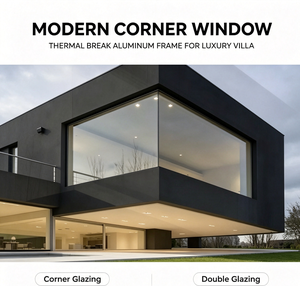
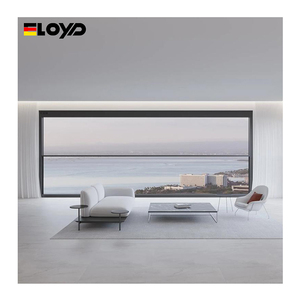
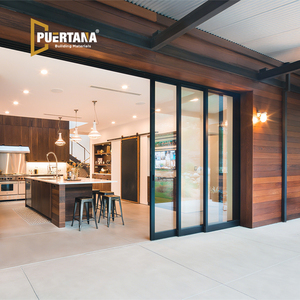
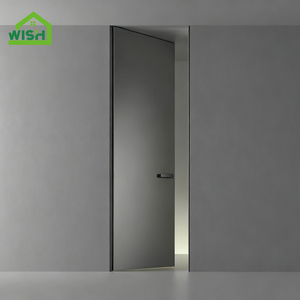
B2B Technical Whitepaper: Evaluating the Top 10 Aluminum Replacement Windows Manufacturers
In modern commercial architecture and high-end residential renovation, fenestration is no longer treated merely as a physical closure mechanism. It represents an active building envelope technology that governs building energy ratings (LEED, Passive House), occupant acoustic comfort, interior natural daylighting, and long-term asset value. When sourcing replacement windows for large-scale development projects, procurement directors, commercial contractors, and international building materials importers face a highly fragmented global supply chain.
Identifying the top 10 aluminum replacement windows manufacturers and exporters requires analyzing far more than baseline price-per-square-meter figures. It demands an in-depth structural evaluation of extrusion alloy metallurgical grades, polyamide thermal barrier strip engineering, multi-seal weatherproofing design, structural deflection capacity, and certified compliance with strict regional building standards such as AS2047 in Australia, NFRC/AAMA in North America, and CE/EN 14351-1 across the European Union.
The Core Criteria of Information Gain in Architectural Sourcing
This report compiles engineering benchmarks, market intelligence, and procurement methodologies derived from over two decades of factory manufacturing and global export data. Below, we outline the exact structural parameters separating high-tier architectural aluminum system manufacturers from low-tier component assemblers.
1. The 10 Technical Evaluation Pillars for Global Manufacturer Selection
To establish a reliable B2B shortlist of top aluminum replacement window suppliers, project engineers and procurement managers must audit factories against ten non-negotiable technical criteria:
1. Primary Extrusion Alloy Standard
Verification of 6063-T5 or 6063-T6 virgin aluminum billets with minimum wall thickness of 1.4mm to 2.0mm, avoiding recycled scrap contamination that compromises tensile strength.
2. Polyamide PA66GF25 Thermal Breaks
Use of 25% glass-fiber reinforced polyamide 66 (PA66GF25) strips rather than cheap PVC inserts to match aluminum's thermal expansion coefficient and prevent structural shear failure.
3. Insulating Glass Unit (IGU) Engineering
In-house processing of double/triple Low-E tempered glass units filled with 90%+ Argon gas, featuring warm-edge spacers to achieve overall U-values down to 0.8–1.2 W/m²K.
4. Multi-Point Locking & Hardware Integration
Integration with premium global hardware (e.g., German Siegenia, Hoppe, Sobinco, or customized heavy-duty stainless systems) to ensure security and seal compression.
5. Continuous EPDM Sealing Gaskets
Co-extruded continuous EPDM or TPV synthetic rubber seals ensuring zero water infiltration under extreme wind-driven rain testing (ASTM E331 / EN 12208).
6. Surface Coating & Fluorocarbon (PVDF)
Application of AkzoNobel powder coating or 3-coat PVDF fluorocarbon coatings capable of passing 3,000-hour salt spray corrosion tests for coastal locations.
7. Precision CNC Milling & Mitering
Automated 45-degree angle cutting and corner key crimping with double-component epoxy injection to guarantee long-term joint stability and zero frame sag.
8. Structural Wind Load Deflection Integrity
Engineering profile moment of inertia (Ix/Iy values) capable of sustaining design pressures exceeding 4500 Pa (equivalent to Category 5 hurricanes).
9. Full Export Compliance & Certification
Factory ownership of verified third-party laboratory test reports (CE, AS2047, NFRC, ISO 9001) for smooth customs clearance and architectural submittals.
2. Global Sourcing Trends in Architectural Aluminum Windows (2026–2030)
The global window replacement and new-construction market is undergoing a fundamental shift toward sustainable, high-performance facade materials. Driven by carbon-neutral building codes and rising consumer demand for indoor environmental quality (IEQ), procurement professionals must align with four primary future trends:
Trend 1: Ultra-Narrow Sightlines & Structural Glass Bonding
Architectural preference has definitively pivoted away from heavy, bulky frames toward minimalist, ultra-slim aluminum profiles. By utilizing structural glazing tape and structural silicone bonding, modern aluminum replacement windows minimize visible frame width (down to 15mm-25mm at interlocks) while maximizing natural daylight harvest. This design trend requires manufacturers to possess high-precision extrusion dies and advanced structural calculations to ensure slim frames retain torsional stiffness.
Trend 2: Deep Thermal Break Strips & Low-E Triple Glazing Standard
Building codes in North America and Western Europe now demand lower overall Solar Heat Gain Coefficients (SHGC) and U-factors below 0.25 BTU/h·ft²·°F (approx. 1.4 W/m²K). As a result, the industry standard has upgraded from standard non-thermal profiles to multi-cavity thermal break profiles integrated with wider PA66GF25 polyamide insulation strips (up to 34mm wide) and triple-pane IGUs containing double silver Low-E coatings.
Trend 3: Motorized Automation & Smart Building Envelope Integration
In luxury villas, high-rise penthouses, and commercial hospitality developments, window and door systems are increasingly integrated into smart home automation systems (BMS). Vertical motorized sliding windows (guillotine glass systems), concealed electric chain actuators for high-level awning windows, and magnetic levitation sliding doors are shifting from niche luxury items to standard project spec requirements.
Trend 4: Hurricane Impact & Severe Weather Resiliency
With increasing global weather volatility, coastal and typhoon-prone markets (such as the Southeastern USA, Australia’s cyclone regions, and East Asia) mandate impact-resistant fenestration. Leading manufacturers are engineering heavy-wall aluminum systems fitted with SGP (SentryGlas Interlayer) laminated safety glass capable of resisting severe missile impact tests without envelope breach.
3. Technical Benchmark Comparison: Conventional vs. High-Performance Thermal Break Aluminum Windows
To highlight the tangible performance advantages of upgrading from legacy non-thermal windows to modern system fenestration, review the technical comparative metric matrix below:
| Engineering Metric | Standard Non-Thermal Aluminum Window | Vexis System Thermal Break Aluminum Window | Architectural Benefit / Value Gain |
|---|---|---|---|
| Thermal Insulation (U-Value) | 3.5 – 5.8 W/m²K | 0.8 – 1.4 W/m²K | Up to 65% reduction in HVAC energy consumption; prevents interior frame condensation. |
| Acoustic Attenuation (STC / Rw) | 22 – 26 dB (Single Pane) | 38 – 48 dB (Double/Triple IGU) | Blocks city traffic, airport noise, and ambient acoustic pollution for interior quiet. |
| Air Infiltration Rating | Level 3 (Higher leakage) | Class 8 / Class A4 (Tight seal) | Prevents draft chill, dust ingress, and forced air HVAC pressure loss. |
| Water Tightness Pressure | 150 – 250 Pa | 600 – 1000+ Pa | Prevents rainwater leakage during severe storm cycles and wind-driven deluges. |
| Profile Tensile Strength | Standard Commercial Grade | 6063-T6 Architectural Grade | Allows larger glass spans, slimmer frame profiles, and higher wind load resistance. |
| Hardware Service Life Cycle | 10,000 – 20,000 Cycles | 100,000+ Operational Cycles | Drastically reduces post-installation maintenance and warranty service calls. |
4. Key Sourcing Considerations for Importers, Developers, and Contractors
Direct factory sourcing from leading aluminum window manufacturing hubs like Foshan, China offers exceptional cost efficiencies and custom fabrication flexibilities. However, overseas procurement demands a disciplined verification process to avoid common pitfalls:
- Shop Drawing Approval Process: Never initiate production without rigorous CAD/REVIT shop drawing sign-offs detailing frame cross-sections, anchorage details, sill pan flashing, opening clearances, and glass build-ups.
- Glass Certification Verification: Ensure glass units carry valid certification markings (such as SGCC for North America, SAI Global for Australia, or CE mark for Europe) permanently etched onto each pane.
- Mock-up & Testing Protocol: For major commercial contracts, mandate a physical visual and performance mock-up (VMU/PMU) testing sequence prior to full mass production.
- Export Packaging Standards: Aluminum profiles and large glass units require fully enclosed fumigated plywood crates with foam interleaves, corner guards, and moisture-absorbent desiccant packs to withstand trans-oceanic shipping container conditions.
Direct Manufacturing Capability & Global Export Authority
Combining over two decades of engineering heritage with state-of-the-art automated production bases in Foshan, China.
20+ Years Production & R&D Expertise
Founded with a focus on custom architectural fenestration, Vexis Windows & Doors Co., Ltd. operates as a modern integrated manufacturer spanning R&D, structural design, extrusion processing, glass assembly, and direct global export.
30,000 m² Production Base & 1,500 m² Exhibition Hall
Located in Lishui Town, Foshan, Guangdong, our facility houses high-precision CNC cutting centers, automatic corner crimping lines, and a 1,500 m² immersive exhibition hall showcasing complete system mock-ups for visiting buyers.
Proven Footprint in 154+ Countries & Regions
With completed project references across Canada, the USA, Australia, the Philippines, the UK, Germany, and beyond, our engineering team understands local building codes, installation practices, and climate specifications intimate to your project site.
Factory-Direct Sourcing & Complete Customization
Eliminate middleman markups. Every order is custom manufactured to exact architectural dimensions, color specs (RAL finishes, wood-grain transfers, anodized tones), glass build-ups, and specialized hardware configurations.
Comprehensive System Product Portfolio
From thermal break casement and sliding windows to heavy-duty lift-and-slide doors, ultra-slim bifold systems, frameless interior pocket doors, structural glass skylights, and insulated aluminum sunrooms, we deliver unified site packages.
Rigorous Export Packaging & Logistics Assurance
Every order undergoes strict 5-stage quality inspection prior to custom plywood crating. We provide complete export documentation, sea-freight booking support, and remote technical installation guidance for smooth site delivery.
Frequently Asked Questions
Clear answers to key commercial, technical, and procurement questions for international project buyers.
What types of aluminum replacement windows and doors does Vexis manufacture?
Can you manufacture windows and doors to custom sizes, frame finishes, and glass specifications?
How do Vexis products adapt to local climate requirements and structural building standards?
What information is required to receive an accurate factory-direct project quote?
Can international clients visit the factory and showroom prior to ordering?
How does Vexis ensure safe transit and protect glass products during ocean freight?
Ready to Source High-Performance Aluminum Windows Direct from the Factory?
Contact our senior engineering team today to review your project drawings, request physical profile samples, or obtain a comprehensive factory-direct quote.