Featured Thermal Break Aluminum Systems
High-performance architectural window and door solutions engineered for structural strength, thermal efficiency, and extreme weather resilience.
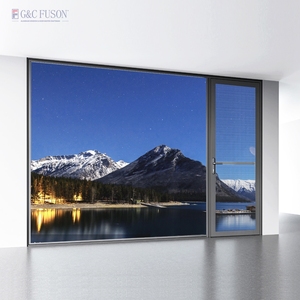
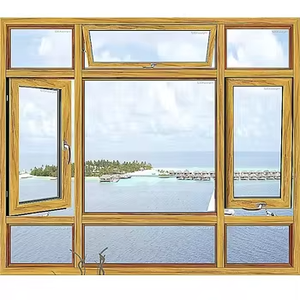
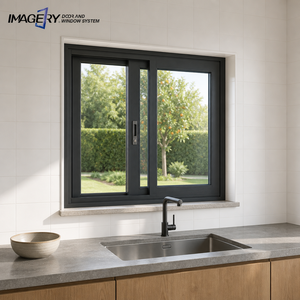
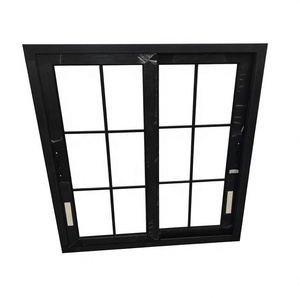
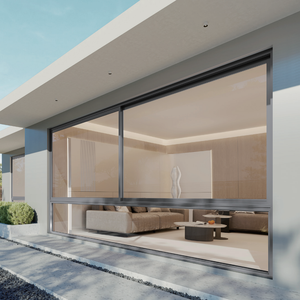
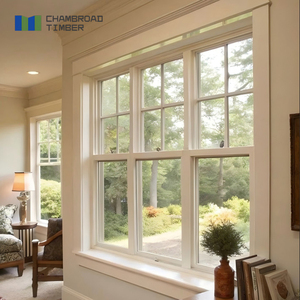
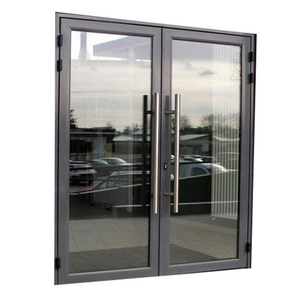
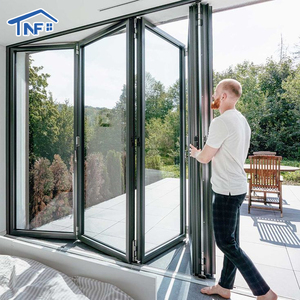
Executive Summary: The Evolution of High-Performance Architectural Fenestration
The global building envelope market is undergoing a structural paradigm shift driven by stringent energy efficiency targets, severe climate resilience standards, and modern architectural aesthetics demanding ultra-slim sightlines with maximized daylighting. As residential and commercial real estate projects aim for net-zero carbon footprints, selecting the right aluminum house windows manufacturer and factory has escalated from a simple material procurement decision to a critical engineering risk-management initiative.
Aluminum alloy (specifically high-grade 6063-T5 and 6063-T6 architectural extrusions) has firmly displaced unplasticized polyvinyl chloride (uPVC) and traditional timber across premium residential builds, multi-family towers, and commercial developments. Its inherent structural strength allows for heavy glass payloads—such as argon-filled triple-pane Low-E insulated glass units (IGUs)—while maintaining minimal frame profiles. However, procurement teams, real estate developers, and architectural specifiers face significant market fragmentation. Identifying manufacturing partners capable of delivering verified thermal performance (Uw ≤ 0.8 W/m²K), structural wind resistance (up to 6000 Pa), and air/water tightness requires deep evaluation of manufacturing technology, extrusions alloy quality, thermal break polyamide strut placement, and quality control systems.
Top 10 Aluminum House Windows Manufacturers & OEM Factories Analysis
To provide real estate developers, importers, and general contractors with an objective, data-backed procurement framework, our engineering evaluation team has benchmarked the global tier-1 aluminum window manufacturing hubs. This analysis factors in structural profile design, thermal isolation technologies, customization capabilities, international certification, factory footprint, and cost-to-performance efficiency.
| Manufacturer / Hub | Primary Production Region | Core System Specialization | Thermal U-Value Range | Key Standard Certifications | Best Fit For |
|---|---|---|---|---|---|
| Vexis Windows & Doors | Foshan, China (30,000 m²) | Thermal break casement, sliding, bifold & Passive House windows | Uw 0.75 - 1.2 W/m²K | AS2047, NFRC, CE, ISO9001, Qualicoat | Direct factory sourcing, custom architectural projects, high-volume exports |
| Schüco International | Bielefeld, Germany | Ultra-premium high-rise curtain walls & smart window systems | Uw 0.70 - 1.1 W/m²K | EN 14351-1, DIN ISO 9001, Passivhaus | Ultra-high-budget landmark commercial projects |
| Reynaers Aluminium | Duffel, Belgium | Architectural minimalist sliding doors & luxury window systems | Uw 0.80 - 1.3 W/m²K | Qualicoat, MINERGIE, Passivhaus certified | European high-end residential architectural builds |
| YKK AP Inc. | Tokyo, Japan / USA | Commercial entrance, store fronts & residential windows | Uw 1.1 - 1.6 W/m²K | AAMA, NFRC, Florida Building Code | Standard commercial & North American suburban residential |
| Alumil Aluminium | Kilkis, Greece | Bioclimatic pergola, heavy-duty sliding & folding systems | Uw 0.85 - 1.4 W/m²K | IFT Rosenheim, CE, Qualanod | Mediterranean & coastal high-salinity architectural projects |
| Cortizo Systems | Padrón, Spain | Ultra-slim interlock sliding windows & acoustic glazing | Uw 0.90 - 1.4 W/m²K | CE, Qualicoat, Qualanod, AENOR | European modern residential developments |
| Andersen Windows | Bayport, MN, USA | Composite & aluminum-clad residential replacement windows | Uw 1.1 - 1.7 W/m²K | ENERGY STAR, NFRC, AAMA | US domestic renovation & residential tract housing |
| Fleetwood Windows | Corona, CA, USA | Luxury custom modern luxury home windows & wide sliding doors | Uw 1.0 - 1.5 W/m²K | NFRC, Title 24, AAMA | West Coast US ultra-luxury architectural residences |
| Milgard Windows | Tacoma, WA, USA | Fiberglass & modern thermally broken aluminum series | Uw 1.2 - 1.8 W/m²K | AAMA, NFRC, Energy Star | North American builder-grade multi-family projects |
| Western Window Systems | Phoenix, AZ, USA | Large-span multi-slide & pocket moving glass walls | Uw 1.1 - 1.6 W/m²K | NFRC, AAMA certified | Desert climate indoor-outdoor luxury residential builds |
Critical Engineering Criteria for Window Procurement
When evaluating structural performance and operational lifespan, procurement managers must analyze the sub-component engineering of the window system rather than relying solely on marketing claims. Below are the key technical pillars that govern window quality and longevity:
6063-T5 vs 6063-T6 Alloy Extrusion
Architectural extrusions must utilize primary aluminum ingots (purity ≥ 99.7%). T5 temper provides ideal surface finish for anodizing and powder coating, while T6 offers higher tensile yield strength (≥ 210 MPa) required for high-rise wind deflection loads.
Polyamide PA66-GF25 Thermal Strips
Inferior windows use cheap PVC thermal strips which degrade under UV exposure and thermal expansion. Industrial grade PA66-GF25 strips feature matching thermal expansion coefficients with aluminum alloy, ensuring structural bond integrity over 30+ years.
Qualicoat Marine Powder Coating
Surface treatments for coastal applications demand Qualicoat Class 2 or Class 3 fluorocarbon (PVDF) electrostatic spraying. This guarantees resistance to salt spray corrosion (ASTM B117 tested > 3000 hours) and intense UV chalking.
Insulated Glass (IGU) Technology
High-gain performance specs utilize double or triple glazing featuring Low-E soft coatings, warm-edge composite spacers (TGI/Technoform), and 90%+ Argon gas fill, achieving sound insulation indices of STC 38 to 45 dB.
EPDM Continuous Sealing Gaskets
Engineered window systems utilize co-extruded automotive-grade EPDM rubber gaskets paired with multi-point hardware locks (Siegenia/HOPO/CMECH), sealing all four sashes against water ingress under heavy rain pressures (>700 Pa).
Corner Joint Injectable Crimping
Precision corner assembly uses heavy cast-aluminum corner keys combined with dual-component corner sealant injection. This prevents frame sag, corner joint opening, and water seepage over decades of opening cycles.
Future Sourcing & Procurement Trends (2025–2030)
As global energy regulations tighten (such as Europe’s EPBD directive and updated North American IECC energy codes), real estate procurement strategies are adapting rapidly. Importers, builders, and developers who align with upcoming technical trends gain substantial market positioning and project premium valuation.
1. Transition Toward Passivhaus & Ultra-Low Energy Windows
Standard double-glazed non-thermal break windows are being systematically phased out of international tender documents. Sourcing mandates now demand overall window U-values below 1.0 W/m²K. Achieving this threshold requires multi-cavity thermal break extrusions integrated with polyurethane foam insulation inserts and triple-pane Low-E glass units.
2. Ultra-Slim Interlock Sightlines with High Structural Load
Modern architectural aesthetics favor invisible frame profiles. Sourcing trends show explosive demand for slim-frame sliding door and window systems featuring central interlock widths of only 16mm to 25mm. To maintain wind resistance in floor-to-ceiling applications, manufacturers embed carbon-fiber reinforced structural stiffeners inside the narrow aluminum mullions.
3. Low-Carbon Aluminum & Environmental Product Declarations (EPD)
Institutional real estate investors are mandating embodied carbon tracking. Sourcing window factories that utilize low-carbon recycled aluminum or hydro-powered smelting processes drastically cuts Scope 3 carbon emissions. Verified EPD certifications have become a prerequisite for major commercial project bids in Europe, Australia, and North America.
4. Smart Window Automation & Integrated Security Systems
Next-generation window manufacturing integrates concealed motor drives, electric automated chain winders, electrochromic smart glass (dynamically tinting glass based on solar radiation), and built-in magnetic security sensors compatible with smart home management hubs.
Enterprise Advantage: Vexis Windows Manufacturing & OEM Power
Headquartered in Foshan, Guangdong—the epicenter of global aluminum profile extrusion and hardware manufacturing—Vexis Windows & Doors Co., Ltd. operates as a premier factory-direct manufacturer integrating R&D, architectural custom engineering, automated production, and direct export services.
Spanning a 30,000 square meter modern production base equipped with 5-axis CNC machining centers, automated insulating glass sealing lines, and robotic corner crimping machines, Vexis supplies project developers and window distributors across 154+ countries and regions. The facility features a 1,500 square meter immersive technical showroom, providing international buyers with full physical verification of structural profile mockups, acoustic isolation chambers, and opening mechanism durability tests.
Factory-Direct Value
By eliminating middle trading intermediaries, Vexis offers direct wholesale factory pricing, lowering total fenestration procurement budgets by 25% to 40% while preserving tier-1 component standards.
Bespoke OEM / ODM Engineering
Every system is tailor-made to match architectural shop drawings, structural wind-load requirements, custom RAL color powder coatings, anodized finishes, and specific local code compliances.
Rigorous International Standards
Full compliance documentation including Australian AS2047/AS1288, North American NFRC/AAMA ratings, European CE marking, and ISO9001 quality system management for smooth project approvals.
Frequently Asked Questions for Window Procurement & Sourcing
Essential technical and logistical queries addressed by our Senior Export Engineering Team to assist international buyers during technical submittal and order placement.
Ready to Engineer Your Project's Fenestration Solution?
Consult directly with our Senior Structural Window Engineers. Send us your architectural drawings or opening schedules for a complimentary CAD submittal review and factory-direct price quotation within 24 hours.