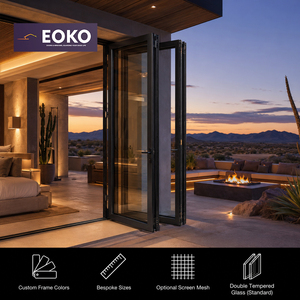
EOKO Cold Climate Series Alpine Resort Panoramic Mountain View Thermal Break Insulated Aluminum Folding Door
Get a Quote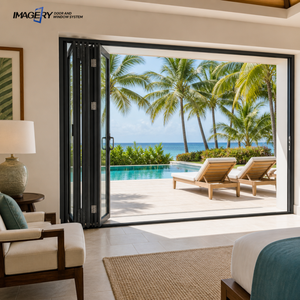
Imagery Weatherproof Aluminum Folding Door Multi Panel Thermal Insulation For Balcony Patio House
Get a Quote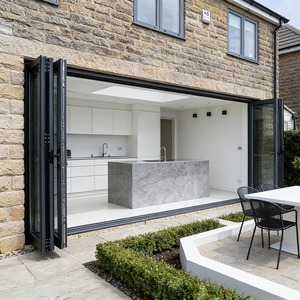
Modern Soundproof Waterproof Aluminum Folding Sliding Glass Patio Bi-Fold Door with Thermal Insulation
Get a Quote
Large Modern Internal Lockable Folding Doors Accordion Waterproof Sliding Aluminum Bi-fold Folding Double Glass Patio Doors
Get a Quote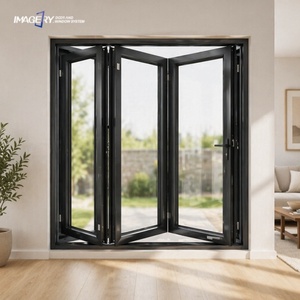
Modern Waterproof Aluminum Folding Glass Door Space Saving Soundproof For House Patio Use
Get a Quote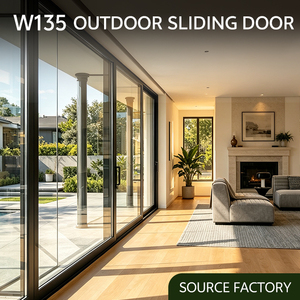
Factory Supply Windproof Waterproof Aluminium Double Tempered Glass Energy Efficient High Quality Sliding Door
Get a Quote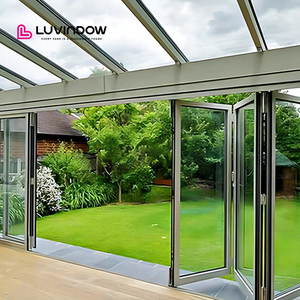
German Standard Aluminium Bifold Accordion windows and Doors Exterior Entry Door
Get a Quote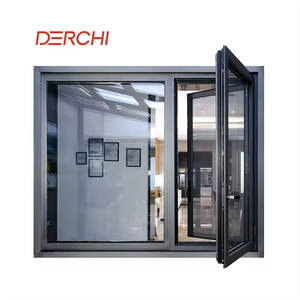
NFRC Certified Thermal Break American Window Big Glass Panel Aluminum Awning Window for House Swing Casement Window
Get a QuoteExecutive Sourcing Guide: Navigating Top Aluminum Folding Doors Suppliers
Architectural aluminum folding doors (commonly referred to as bi-fold doors, accordion patio systems, or multi-panel concertina doors) represent the absolute pinnacle of flexible spatial design in modern luxury residential and high-traffic commercial projects. By seamlessly erasing the boundary between indoor living spaces and external environments, these expansive glazed systems require exacting engineering to maintain thermal performance, structural integrity, and fluid mechanical operation across decades of continuous use.
For international procurement managers, real estate developers, facade engineers, and bulk importers, locating reliable aluminum folding doors suppliers involves analyzing detailed technical parameters far beyond simple surface aesthetics. Factors such as extrusion alloy grade, thermal barrier composition, hardware load-bearing capabilities, weatherization seal geometry, and regional building code compliance (such as NFRC, CE, and AS2047 standardizations) determine the commercial success of a procurement contract.
Standard non-thermal aluminum profiles suffer from high thermal conductivity (approx. 200 W/m·K), leading to severe energy loss and interior condensation in extreme climates. Enterprise-grade suppliers implement structural polyamides (PA66GF25 reinforced with 25% glass fiber), reducing frame thermal conductivity to below 0.3 W/m·K. When evaluating suppliers, demand verified thermal simulation models demonstrating total system U-values under 1.4 W/m²K.
Critical Technical Evaluation Framework for Sourcing Bi-Fold Doors
Evaluating high-volume manufacturers requires a structured technical matrix. Below are the five foundational pillars that distinguish elite tier-1 aluminum folding door factories from standard assembly shops:
1. Alloy & Extrusion Precision
Leading suppliers utilize 6063-T5 or 6063-T6 architectural grade aluminum alloys featuring minimum wall thicknesses of 2.0mm to 3.0mm for structural door sashes. Precision extrusion ensures high wind-load resistance (up to 4.5 kPa) without frame deflection.
2. Carriage & Track Kinematics
Bi-fold doors live and die by their roller hardware. Tier-1 manufacturers incorporate heavy-duty stainless steel (SUS304/316) bottom-rolling carriages or top-hung stainless steel guide wheels capable of carrying individual panel weights exceeding 120kg to 150kg smoothly.
3. Weatherization & Sealing
Continuous EPDM (Ethylene Propylene Diene Monomer) gasket seals combined with vulcanized corner joints prevent air infiltration and water ingress. High-end systems feature triple-seal perimeter barriers achieving water tightness up to Class E1050 standards.
Engineering Benchmark: Standard vs. Heavy-Duty Architectural Bi-Folds
| Performance Specification | Standard Commercial Grade | Architectural Engineering Grade (Vexis Standard) |
|---|---|---|
| Frame Profile Wall Thickness | 1.4mm - 1.6mm | 2.0mm - 3.0mm Thermal Break Aluminum |
| Thermal Barrier Strip | PVC or Low-Grade Nylon (14mm) | PA66GF25 Glass Fiber Polyamide (24mm - 34mm) |
| Max Single Panel Width / Height | 900mm x 2400mm | 1200mm x 3500mm (Ultra-Tall Panoramic) |
| Glazing Configuration | Double Glazed 5mm+12A+5mm | Triple Glazed / Laminated Low-E + Argon (6mm+16Ar+6mm) |
| System Thermal Transmittance (U-Value) | > 2.5 W/m²K | ≤ 1.2 to 1.6 W/m²K (NFRC Certified) |
| Acoustic Insulation Rating (STC) | 28 dB - 32 dB | 40 dB - 45 dB (High Soundproofing) |
Future Sourcing & Procurement Trends for Aluminum Folding Doors
As international energy mandates tighten and modern architectural preferences evolve toward minimalist, expansive glass elevations, the global manufacturing landscape for aluminum folding doors is undergoing major shifts. Buyers must realign their sourcing criteria to stay ahead of market trends:
1. Extreme Ultra-Slim Interlocks
Architects are increasingly specifying "invisible frame" bi-folds. Leading manufacturers now offer narrow profile sightlines down to 28mm-35mm at panel stiles, maximizing daylight penetration while maintaining wind-load structural integrity via internal steel reinforcement pins.
2. Flush Threshold Barrier-Free Transitions
Universal design and ADA compliance drive demand for zero-step sill profiles. Sourcing trends favor suppliers with integrated sub-floor drainage tracks that channel torrential rainfall out of the building envelope while allowing seamless wheel and foot transit between interior floors and exterior decks.
3. Smart Motorized & Automated Fold Systems
Automated multi-panel bi-fold doors integrated with Smart Home automation protocols (KNX, Zigbee, Crestron) are emerging in ultra-luxury markets. Electromechanical drive shafts hidden in top tracks allow heavy 8-panel doors to open at the touch of a button.
4. Low-Carbon Recycled Aluminum Sourcing
Corporate ESG commitments require developers to audit environmental product declarations (EPD). Tier-1 Chinese export factories are shifting toward primary aluminum smelted using hydroelectric power, reducing embodied carbon to below 4.0 kg CO2/kg Al.
Next-Gen Technological Breakthroughs in Folding Door Engineering
The hardware ecosystem powering modern bi-fold systems has experienced remarkable engineering evolution over the past decade:
- Quad-Roller Stainless Assemblies: Equal distribution of door sash weight across dual-axis stainless steel rollers prevents track wear and eliminates panel drag over years of cycling.
- Concealed Heavy-Duty Hinges: Flush-mounted interior hinges conceal mechanical hardware when panels are closed, presenting clean profile lines while maintaining security ratings up to RC2/RC3 intrusion resistance.
- Multi-Point Solenoid & Shootbolt Locking: Interlocking top-and-bottom shootbolts operated by ergonomic single-handle actuators deliver high resistance against wind pressure blow-in during hurricane-force storms.
- Warm-Edge Spacer Technology: Polymer-based warm-edge glass spacers replace traditional aluminum spacers inside double/triple glazed units, removing thermal bridges at perimeter glass edges.
Enterprise Procurement FAQ: Buying Aluminum Folding Doors
Below are technical answers to common questions faced by architectural buyers, project engineers, and commercial developers when sourcing folding doors:
What types of aluminum folding doors does Vexis manufacture?
How do you customize sizes, frame colors, and glass configurations for project specifications?
How do Vexis folding door systems adapt to severe local climate conditions?
Which international markets and building codes does Vexis support?
What details should be included when submitting an inquiry for a fast technical quote?
Can foreign buyers visit the manufacturing facilities before committing to production?
Enterprise Partner Profile: Vexis Windows & Doors Co., Ltd.
Vexis Windows & Doors Co., Ltd. stands as an industry leader integrating advanced R&D, precision extrusion processing, custom assembly, and worldwide export of high-performance architectural aluminum window and door systems. Situated in Foshan—the global epicenter of aluminum manufacturing—Vexis operates a modern 30,000 m² industrial production base equipped with CNC automated machining centers, computerized glass processing lines, and rigorous quality control testing rigs.
30,000 m² Factory Base
Large-scale manufacturing capacity ensures rapid turnaround times, stable bulk batch control, and factory-direct wholesale pricing with zero broker markups.
20+ Years R&D Mastery
Decades of dedicated engineering refinement guarantee superior structural integrity, tight water seal performance, and smooth hardware operation on every door sash.
154+ Export Countries
Extensive experience shipping to project sites across North America, Europe, Australia, Southeast Asia, and the Middle East with export-ready ocean packaging.
Ready to Elevate Your Architectural Project?
Contact our expert facade engineers today to request shop drawings, thermal simulation reports, and competitive factory-direct quotes tailored to your project drawings.