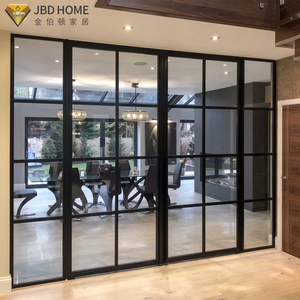
NFRC Certified Black Aluminum Sliding Glass Door Slim Frame Double Glazed Modern Patio Entrance for Residential Villa Projects
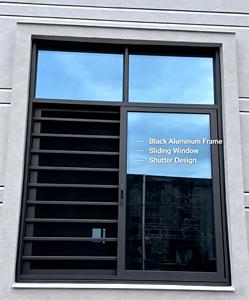
Aluminium Sliding Window 6063-T5 Profile PVDF Coating Low-E Tempered Glass Condensation Resistant Modern Garden Residential

Customized Modern Aluminum Alloy Casement Window Strong Ventilation Seal Swing Open Style Vertical for Kitchen Villa Bathroom
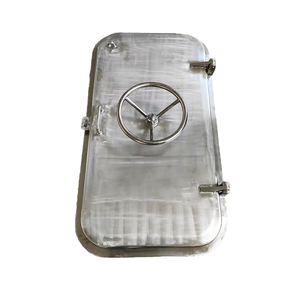
CCS Certified Quick-Action Aluminum Steel Hatch Door Single or Double Weatherproof for Marine Ship Use with Piston Part
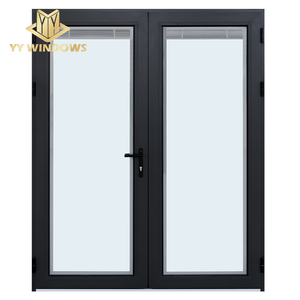
Double Glass California Architectural Industrial Aluminum French Doors Exterior/aluminum Hinged Door with Screen
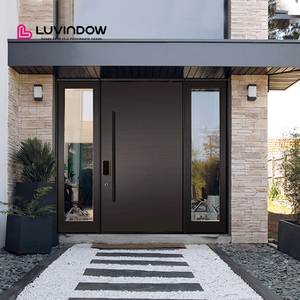
Modern Design Villas Black Profile Aluminum Frame Front Entry Pivoting Doors For Houses
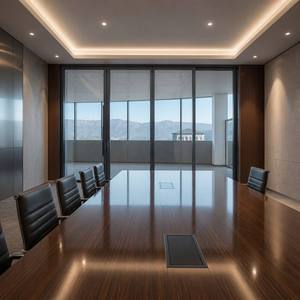
Aluminum Sliding Glass Door Double Glazed Slim Frame Soundproof Waterproof For Patio
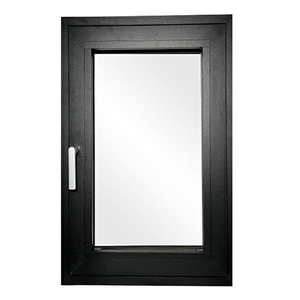
windows Thin Aluminium Alloy Frame Picture Swing Window & Fix Glass Sliding Single Hung Aluminium Doors and windows
Executive Summary: Navigating Global Sourcing for Aluminum Fenestration Systems
The architectural facade and building envelope sector is undergoing a profound structural shift driven by modern energy codes, extreme climate adaptation demands, and minimalist design movements. As commercial developers, civil engineering contractors, and volume distributors evaluate the global supply chain, identifying the top 10 aluminum alloy windows factories and suppliers requires going beyond standard product catalogs. Sourcing decisions must weigh metallurgical purity, thermal break strip physics, structural engineering integrity, surface finishing weatherability, and verified international testing standard compliance.
Foshan, China has solidified its status as the world's primary industrial cluster for advanced architectural aluminum extrusions. Manufacturers in this region leverage vertically integrated supply ecosystems—spanning raw primary ingot smelting, precision matrix extrusion, automated anodizing and PVDF coating lines, thermal barrier insertion, glass unit lamination, and final unitized assembly. Selecting an enterprise partner from this industrial cluster offers significant unit-cost efficiency, bespoke design versatility, and strict quality control scalability.
Technical Benchmark Metrics for Evaluating Architectural Aluminum Suppliers
To establish an unbiased benchmark for the industry’s top manufacturers, engineering procurement teams audit candidates against five structural and thermal criteria. Understanding these parameters enables procurement managers to write precise tender specifications and prevent performance failures on high-rise or luxury residential developments.
1. Alloy Grade & Temper Standard
Top factories utilize primary 6063-T5 or 6063-T6 architectural grade aluminum alloy. These profiles feature tensile strengths exceeding 185 MPa and yield strengths above 160 MPa, delivering precise wall thickness tolerances and resisting deflection under wind pressure loads.
2. Thermal Barrier Cavity Engineering
High-efficiency windows incorporate structural Polyamide PA66GF25 (25% fiberglass reinforced) thermal break strips. This mechanical separation breaks the conductive bridge between interior and exterior extrusions, lowering system U-factors below 1.4 W/m²K (U-0.25 BTU/h·ft²·°F).
3. Weatherization & EPDM Gasket Systems
Multi-cavity pressure-equalized drainage designs combined with continuous co-extruded EPDM (Ethylene Propylene Diene Monomer) gasket seals ensure air infiltration rates below 0.1 cfm/ft² and water penetration resistance up to 700 Pa under hurricane conditions.
4. Surface Treatment & Coating Coating
Architectural aluminum surfaces require high-performance finishes. Leading factories provide PVDF (Fluorocarbon, Kynar 500) coatings conforming to AAMA 2605 specifications (resisting 3,000+ hours of salt spray testing) or 25-micron hard-coat anodizing for marine environments.
| Evaluation Parameter | Standard Commercial Grade | Tier-1 System Window Standard | Vexis Enterprise Standard |
|---|---|---|---|
| Profile Alloy & Purity | Recycled / Mixed Aluminum | Primary 6063-T5 Alloy | High-Purity 6063-T5 / T6 Extrusion |
| Thermal Strip Tech | PVC / Low Polypropylene | PA66 Nylon Strip (14.8mm - 24mm) | PA66GF25 Insulated Multi-Cavity (24mm - 34mm) |
| Glass Configuration | Single / Double Clear Tempered | Double Low-E Argon Filled | Triple Glazed / Laminated Low-E + Warm Edge Spacer |
| Wind Pressure Resistance | Class 3 (1.5 - 2.5 kPa) | Class 6 (3.5 - 4.5 kPa) | Hurricane Rated (> 5.0 kPa / ASTM E1300) |
| Certifications | Basic Domestic Mill Certs | CE, ISO9001 | NFRC, AS2047, CSA, CCS Marine Certified |
Curated Engineering Product Recommendations for Global Projects
Based on global buyer demand, technical complexity, and architectural performance, the following five fenestration typologies represent the primary procurement drivers across residential luxury villas, high-rise apartments, commercial hospitality, and specialized marine applications.
Ultra-Slim Frame Sliding Patio Door Systems
Architectural minimalism favors maximum glass surface area with structural sightlines under 20mm. Incorporating recessed bottom tracks, heavy-duty stainless steel quad-wheel rollers, and multi-point concealed locking mechanisms, these doors handle panel weights up to 450kg while maintaining quiet operation.
Thermal Break Tilt & Turn Window Systems
European-style tilt and turn configurations provide dual functionality: tilting inward at the top for secure, rain-proof ventilation, or swinging inward completely for easy glass cleaning. Integrated with multi-cavity pressure gaskets, these units deliver STC acoustic insulation ratings up to 45 dB.
Heavy-Duty Bifolding & Accordion Doors
Engineered for wide-span indoor-outdoor transitions, system bifold doors utilize top-hung stainless steel guide tracks and bottom-mounted carriage assemblies. Reinforced structural mullions allow up to 8-meter total opening spans without structural sagging or operation binding.
High-Performance Outswing Casement & Awning Windows
Outward swinging windows compress directly against continuous EPDM seal bulbs when closed via multi-point cam locking handles. This design leverages external wind pressure to tighten the seal, delivering excellent water resistance during storm events.
CCS-Certified Marine & Industrial Hatch Systems
Engineered for maritime vessels, offshore platforms, and coastal facilities, these specialized quick-action hatch doors feature marine-grade aluminum profiles, hydraulic piston assist arms, stainless steel dogging mechanisms, and airtight neoprene gaskets certified by classification societies.
Structural Glass Sunrooms & Skylight Systems
Integrated aluminum roof support structures designed to handle snow loads and severe thermal expansion. Built-in internal condensation collection gutters divert moisture out through concealed frame weep holes, preventing structural leaks.
Future Sourcing & Technology Trends: 2026 to 2030 Horizon
As global carbon tax frameworks tighten and energy codes mandate near-zero energy building (NZEB) standards, B2B buyers must align with factories investing in next-generation window manufacturing technologies:
Vacuum Insulated Glass (VIG) Integration
Replacing traditional gas-filled double glazing, VIG units feature a 0.3mm vacuum gap supported by micro-spacers, delivering U-factors as low as 0.60 W/m²K (R-10+) while keeping frame profile depth thin.
Decarbonized Low-Carbon Aluminum Billets
Tier-1 factories are shifting toward primary aluminum smelted using renewable hydroelectric energy, lowering embodied carbon content to under 4.0 kg CO2e per kg of extruded aluminum to meet international LEED and BREEAM sustainability targets.
Smart Home Motorization & Building Automation
Concealed drive motors, electrochromic glass tinting, magnetic sensor integration, and automated building management system (BMS) connectivity are becoming standard requirements for premium architectural tenders.
BIM Model Digital Twin Integration
Global suppliers now provide Revit BIM (Building Information Modeling) parametric families with embedded thermal performance parameters, facilitating fast digital specification matching for architectural design teams.
Manufacturing Excellence: Why Vexis Leads the Export Sector
With over two decades of dedicated R&D, engineering manufacturing, and direct international project supply, Vexis Windows & Doors Co., Ltd. stands as a benchmark factory operating out of Foshan, Guangdong, China.
30,000 m² Production Base
Equipped with automated CNC double-head miter saws, corner crimping machinery, automated glass loading lines, and dual-component silicone sealing robots, delivering consistent product quality across volume orders.
Global Export Reach (154+ Countries)
Our export engineering unit understands regional building codes—including North American NFRC/AAMA, Australian AS2047, European CE standards, and Caribbean hurricane wind pressure ratings.
Comprehensive Verification
Product lines undergo independent laboratory testing for air tightness, water tightness, structural wind load performance, acoustic attenuation, and thermal transmission coefficients before shipment.
Frequently Asked Questions (FAQ) for B2B Procurement & Engineering Buyers
Key technical and logistics inquiries answered by senior structural engineers and export logistics managers.
Accelerate Your Architectural Project Supply Chain
Connect with our senior technical sales team to request comprehensive CAD details, physical sample kits, system specification documents, or direct factory quotation estimates.
Get Catalog