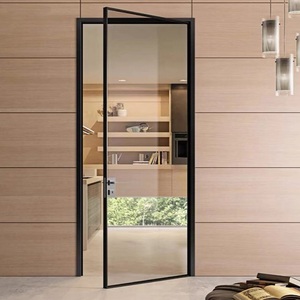
Industry Intelligence Whitepaper
Global Architectural Fenestration Sourcing Report (2026 Edition)
An authoritative engineering and procurement overview for commercial developers, general contractors, and structural glazing importers across North America, Europe, Australia, and the Asia-Pacific region.
The global market for high-performance architectural fenestration is undergoing a massive transformation. Driven by stringent municipal energy codes—such as the European Union’s Energy Performance of Buildings Directive (EPBD), Australia’s updated NCC 2022 thermal mandates, and North America’s NFRC/IECC guidelines—commercial and residential developers are shifting away from traditional uninsulated frames toward thermal break aluminum alloy door and window systems.
In 2026, raw material quality alone no longer dictates supplier selection. International procurement directors evaluate manufacturers based on structural thermal conductivity (U-Factor), Solar Heat Gain Coefficients (SHGC), cycling durability, and certified compliance with regional building standards (such as AS2047, NFRC, CE, and Passive House certifications). China's Guangdong profile manufacturing hub—specifically Foshan—continues to lead global supply chains, accounting for over 45% of total high-precision extruded aluminum window export volumes worldwide.
Export-Grade Benchmark Systems
Top Recommended Aluminum Window & Door Solutions
Engineered for extreme structural loading, acoustic isolation, and low-E thermal insulation. Review our flagship OEM/ODM exported products below.
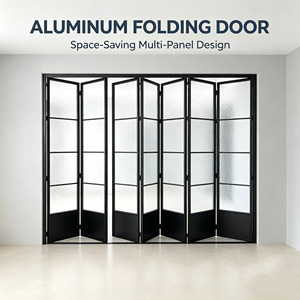
Aluminum Alloy Waterproof Folding Sliding Door Minimalist Partition for Kitchen Living Room Balcony with 5 Year Warranty
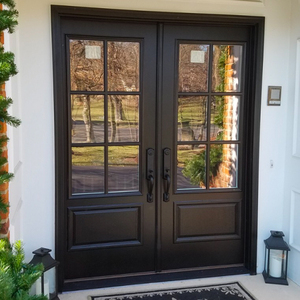
Custom Villa Main Entrance Door Aluminum Casement Door Double Tempered Glass Thermal Insulation For Front Entry Doors
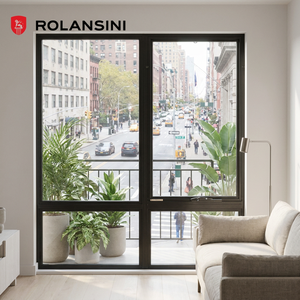
AS2047 Standard Australia Clad Windows Low-E Glass Double Glazed Aluminium Awning Windows Kitchen Study Room Hand Crank Window
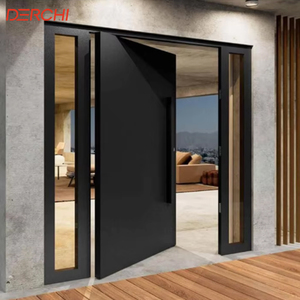
High Quality Exterior Entrance Cast Aluminium Front Main Door Modern Residential With Glass Pivot Security Entry Doors
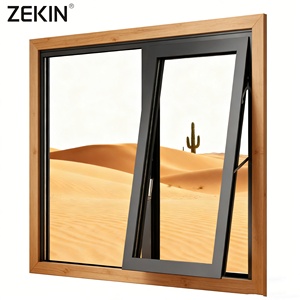
ZEKIN American Style Aluminum Outward Opening Awning Window with Double Glass NFRC AS2047 Hurricane Impact Swing Window
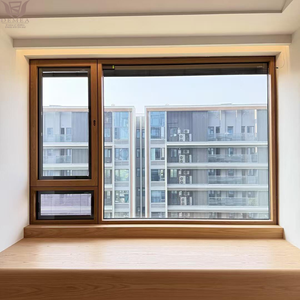
DEMEA Passive House Standard Energy Efficient Triple Glazed Windows for Residential Exterior Aluminum Clad Wood Casement Window
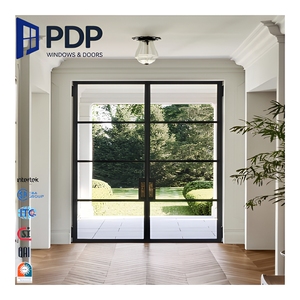
Modern Aluminum French Casement Door Anti-Theft Waterproof Tempered Glass Powder Coated Finish Custom Color for Hotel
Procurement Decision Matrix
Evaluation Benchmark for Top 10 Exporters
How leading engineering firms rate global fenestration manufacturers on material integrity, structural capacity, and international testing.
Evaluating an aluminum window and door supplier requires looking far beyond price per square meter. A low-tier extrusion system can result in structural frame deflection under wind load, perimeter water leakage during heavy downpours, and thermal bridge condensation that ruins indoor wall finishes.
When curating the list of the world's Top 10 Aluminum Alloy Doors And Windows Suppliers & Exporters, global sourcing committees evaluate suppliers across five crucial technical indicators:
| Evaluation Vector | Tier-1 Supplier Standard (e.g., Vexis) | Standard Commercial Grade | Impact on Building Performance |
|---|---|---|---|
| Alloy Matrix & Temper | Primary 6063-T5 / T6 Aluminum | Recycled / Secondary Ingot Blend | Prevents frame warping, structural fatigue, and corrosion under coastal atmospheric conditions. |
| Thermal Strip Tech | PA66-GF25 Polyamide Insulation | PVC / Low-Density Thermal Strips | Ensures low U-factors, resists high shear stress, and stops thermal expansion deformation. |
| Surface Treatment | Qualicoat Powder / AkzoNobel PVDF | Standard Anodizing / Basic Paint | Guarantees 20+ year color retention, anti-fading, and resistance to coastal salt spray (ASTM B117). |
| Weather Sealing | Continuous EPDM Gasket System | Standard Rubber / Vinyl Strips | Achieves high air-tightness (Class 4) and prevents long-term seal degradation. |
| Certification Suite | AS2047, NFRC, CE, ISO9001 | Local Domestic Inspection Only | Smooth customs clearance, guaranteed architectural sign-off, and reduced project liability. |
Information Gain Insight: Thermal Break Science
Uninsulated aluminum has a thermal conductivity rate of approximately 160 W/m·K. By embedding a 24mm or 34mm PA66-GF25 polyamide thermal barrier strip, the overall U-factor of the window frame drops dramatically from over 5.8 W/m²K to under 1.4 W/m²K. When paired with Argon-filled triple pane Low-E insulated glass units (IGUs), heat transfer across the building envelope is reduced by up to 74%.
Manufacturing Powerhouse
Vexis Windows & Doors: Engineering Excellence
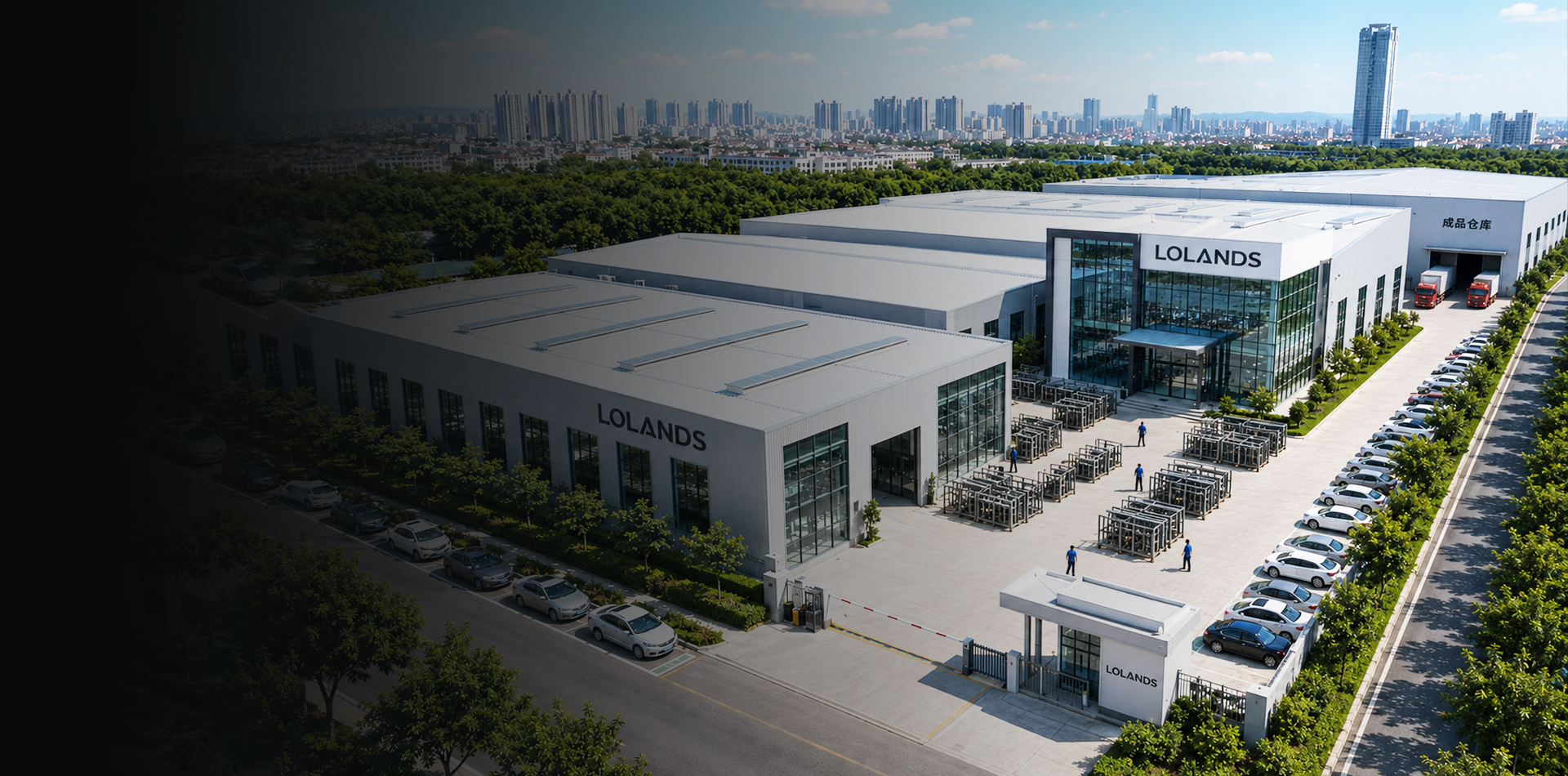
Integrating R&D, precision fabrication, structural glass assembly, and direct export logistics from Foshan, China.
All-Weather Protection
Multi-chamber extrusion geometry designed for typhoons, extreme thermal expansion, and heavy rainfall isolation.
Direct Factory Sourcing
30,000 m² advanced manufacturing facility in Lishui Town, Foshan. Direct wholesale pricing with no intermediary margins.
Architectural Customization
Bespoke dimensions, custom RAL color powder coatings, wood-grain transfers, and structural CAD shop drawing support.
Precision Hardware Integration
Fitted with German SIEGENIA, HOPO, or Sobinco multi-point hardware locks tested for over 50,000 operational cycles.
Global Supply Infrastructure
Export history serving clients across 154+ countries. Heavy duty seaworthy timber crating ensures damage-free port arrival.
Strategic Sourcing Outlook
Future Procurement Trends for Aluminum Doors & Windows
Key architectural shifts and technological advancements driving specification standards through 2030.
TREND 01
Ultra-Slim Panoramic Interlocks
Modern architectural aesthetics favor maximized daylighting and unobstructed natural views. Procurement teams are specifying sliding glass doors with ultra-narrow vertical interlocks (ranging from 16mm to 25mm sightlines).
These narrow sightline systems require high-tensile 6063-T6 aluminum alloys and structural silicone glazing to maintain wind load resistance while maximizing daylight performance.
TREND 02
Passive House Triple-Glazed Systems
With carbon neutrality regulations sweeping across Europe and North America, Passive House standard fenestration is moving from niche luxury projects into main commercial developments.
Triple glass configurations featuring double Low-E coatings, Warm Edge spacer bars, and Krypton/Argon gas fills achieve overall window U-factors below 0.8 W/m²K.
TREND 03
Hurricane Impact & Security Engineering
Climate volatility has increased demand for windborne debris resistance in coastal regions like Florida, the Caribbean, Northern Australia, and Southeast Asia.
Suppliers now embed SentryGlas (SGP) laminated glass interlayers with multi-point locking mechanisms to withstand design pressures exceeding 4500 Pa.
Buyer Knowledge Base
Frequently Asked Questions for Importers & Developers
Technical, logistical, and compliance clarity direct from our export engineering team.
What types of aluminum windows and doors does Vexis manufacture? ▼
We specialize in complete system fenestration, including thermal break aluminum casement windows, sliding windows, folding bifold doors, tilt-and-turn windows, awning windows, glass skylights, heavy-duty patio sliding doors, ultra-slim frame panoramic doors, cast aluminum security entry doors, and customized structural aluminum sunrooms. All systems are supplied with compatible hardware, handles, and insect screens.
How do Vexis products comply with Australian (AS2047) and North American (NFRC) building codes? ▼
Our export window and door profiles undergo rigorous testing for air infiltration, water penetration resistance, ultimate strength, and deflection. For Australian projects, our AS2047 compliant windows feature certified water ratings (up to 450Pa or higher depending on series) and custom reveal fins for timber/brick veneer installation. For North American projects, NFRC thermal simulations confirm Low-E glass U-factors and SHGC values match energy conservation mandates.
Can frame profiles, glass specifications, and hardware brands be customized? ▼
Yes. Every order is manufactured strictly according to architectural CAD drawings. Buyers can customize profile wall thickness (1.4mm to 3.0mm), frame surface finishes (Powder Coating, PVDF, Anodized, Wood Grain), glass types (Double/Triple Tempered, Laminated, Low-E, Tinted, Reflective, Frosted), and hardware options (German SIEGENIA, HOPO, KSS, or heavy-duty OEM hardware).
Which global export markets does Vexis regularly serve? ▼
We have exported high-performance architectural doors and windows to over 154 countries and regions. Our key project footprint includes North America (USA, Canada), Australia, New Zealand, the United Kingdom, the Philippines, Thailand, Vietnam, the United Arab Emirates, Saudi Arabia, and several island nations requiring storm-resistant fenestration.
What information should be submitted for an accurate structural quote? ▼
To generate a precise commercial quotation, please provide your project window and door schedules or elevation drawings, structural opening sizes, desired opening types (casement, sliding, bifold), glass requirements (e.g., 6mm+12Ar+6mm Low-E), frame color preferences, and destination sea port. Our engineering department will return shop drawings and a detailed bill of materials within 24 hours.
What export packaging measures prevent damage during maritime transport? ▼
All finished window frames and glass units undergo a 5-layer protective packing protocol: 1) Surface protective film on aluminum extrusions, 2) EPE foam corner guards, 3) Bubble wrap enclosure, 4) Heavy-duty corrugated cardboard casing, and 5) Fumigated solid plywood crates with interior straps to prevent lateral shift inside sea containers.
Can international buyers inspect the factory prior to placing production orders? ▼
We warmly welcome global buyers, project managers, and third-party inspection agencies (such as SGS or TÜV) to visit our 30,000 m² factory base and 1,500 m² immersive exhibition hall located in Lishui Town, Foshan, Guangdong Province, China. Live video tours and real-time production line audits are also available upon request.
Start Your Project RFQ
Ready to Source High-Performance Aluminum Systems Direct from Foshan?
Connect directly with our senior fenestration engineers to receive shop drawings, thermal simulation reports, and factory-direct project estimates.