Featured Commercial & Residential Stacking Windows
Explore our top-tier heavy-duty and thermal break aluminium stacking systems, engineered to AS2047, NFRC, and European structural standards for global engineering projects.
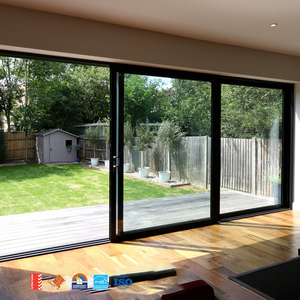
AMJ AS2047 Australian Standard Panoramic Double Glazed Stacker Doors & Windows
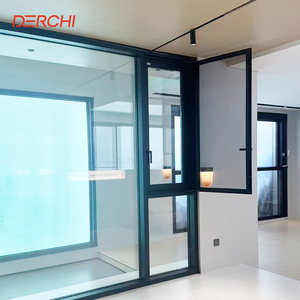
Minimalism Series Ultra Slim Profile Stacking & Fixed Aluminium Alloy Windows
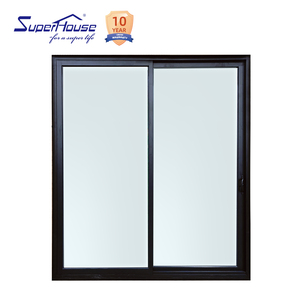
Energy-Efficient Thermal Break Aluminium Stacking Windows for Modern Villas
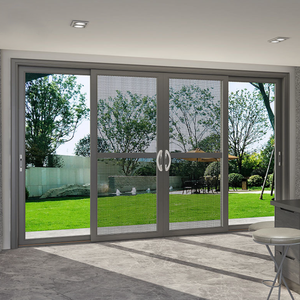
Residential Soundproof Double-Glazed Stacking & Vertically Folding Windows
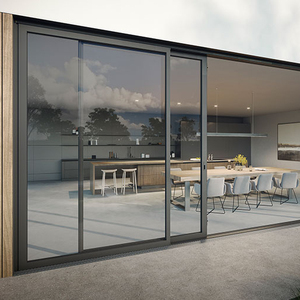
YY Facades Commercial 3-Panel & 6-Panel Heavy Duty Aluminium Stacker Systems
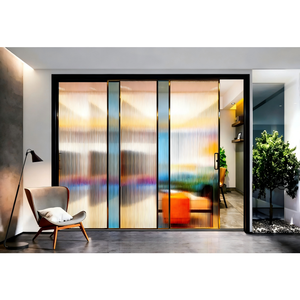
AS2047 Heavy-Duty Aluminium Stacker Windows with Integrated Flyscreens
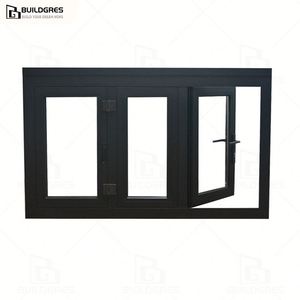
Buildgres Modern Large-Opening Aluminium Stacking & Bi-Folding Glass Systems
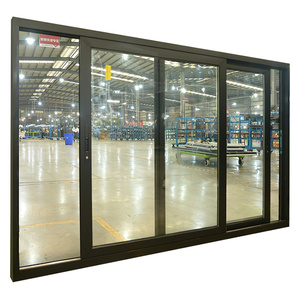
Hihaus Architectural Custom Double-Glass Aluminium Stacking Sliding Windows
Architectural Engineering & Sourcing of Aluminium Stacking Windows
An technical guide detailing profile kinematics, thermal performance optimization, wind resistance engineering, and global export standards for modern fenestration.
1. Kinematic Mechanics & Spatial Efficiency of Stacking Windows
In contemporary architectural design, maximizing operable opening width while maintaining structural stability under heavy wind loads is a primary engineering objective. Aluminium stacking windows (often designated as multi-track slider systems or telescopic sliding fenestration) represent a superior technological evolution over traditional 2-track sliding systems and bi-fold configurations.
Unlike bi-folding windows which project heavy sashes inward or outward—requiring clear clearance space and creating vulnerability to wind flutter—stacking windows operate on a multi-rail track system (typically 3-track, 4-track, or custom 6-track setups). Each operable sash slides smoothly alongside the adjacent panel, sequentially "stacking" neatly behind a fixed end glass unit or into a concealed wall pocket.
2. Structural Integrity: Profile Alloys, Wind Pressure & Water Infiltration
For high-rise commercial structures and exposed coastal luxury villas, fenestration failure often stems from structural deflection under extreme wind pressure (Ultimate Limit State testing) or catastrophic rainwater penetration through sill tracks. Evaluating a prospective supplier requires scrutinizing their engineering metrics against rigorous testing standards such as AS2047 (Australia), ASTM E330 / AAMA 101 (USA), and EN 12207 / EN 12208 (Europe).
| Engineering Metric | Standard Commercial Window | Vexis Heavy-Duty Stacking System | Architectural Benefit |
|---|---|---|---|
| Alloy & Temper | Recycled 6063-T5 (1.4mm) | Primary 6063-T6 (2.0mm - 3.0mm) | Higher tensile strength & deflection resistance |
| Structural Deflection | Serviceability 1500 Pa | Up to 4500 Pa (AS2047 Standard) | Survives cyclone-grade winds & high-rise loads |
| Water Penetration | 150 Pa - 300 Pa | 450 Pa - 600 Pa Sub-Sill Drainage | Zero water ingress during heavy rainstorms |
| Thermal Barrier | Non-Thermal or PVC Strip | Polyamide PA66GF25 (24mm Strip) | Prevents thermal bridging & condensation |
| Acoustic Insulation | Single Glass / Rw 25dB | Double/Triple IGU + EPDM (Rw 42dB) | Blocks noise pollution from traffic/urban areas |
3. Thermal Physics & Energy Efficiency (U-Value & SHGC Optimization)
Building energy codes globally are mandating strict reductions in carbon footprints and overall building Envelope U-factor metrics. Uninsulated aluminium profiles act as rapid thermal conductors, transferring extreme summer heat or winter cold directly into the building envelope. Premium aluminium stacking window suppliers utilize advanced Thermal Break Technology.
By mechanically crimping high-precision 24mm to 34mm Polyamide (PA66 with 25% glass fiber reinforcement) thermal barrier strips between the interior and exterior aluminium extrusions, thermal conductivity is broken. When paired with double-glazed or triple-glazed Low-Emissivity (Low-E) Insulated Glass Units (IGUs) containing warm-edge spacers and argon gas filling, overall window U-values can drop to below 1.6 W/m²K.
PA66GF25 Thermal Insulation
Glass-fiber reinforced polyamide strips prevent thermal conduction, eliminating interior frame sweating and heat gain.
Double/Triple Glazed IGUs
Toughened safety glass units filled with 90%+ Argon gas, featuring Low-E spectrally selective coatings for high SHGC control.
Multi-Point Deadbolt Security
Heavy-duty stainless steel locks engaging at top, middle, and bottom tracks to resist forced entry and wind displacement.
Future Procurement Trends in Aluminium Stacking Windows
As commercial developers, architectural firms, and fenestration importers navigate shifting global standards, key innovations are reshaping specification requirements.
1. Micro-Slim Interlocks (< 20mm Sightlines)
Architectural demand is moving rapidly toward frameless visual aesthetics. Next-generation stacker windows incorporate ultra-narrow structural interlocks reinforced with hidden steel shafts, delivering maximum natural light without sacrificing wind load capacity.
2. Automated Smart Motorization
Integration with Smart Home Automation (BMS systems via Zigbee/KNX protocols) is becoming standard in commercial project inquiries. Concealed electric drive motors enable push-button or voice-controlled sliding of multi-panel stackers weighing up to 400kg per leaf.
3. Carbon-Neutral & Recycled Extrusions
International environmental regulations (such as EU CBAM and LEED certification frameworks) prioritize suppliers offering low-carbon aluminium extrusions produced via hydro-electric powered smelters, complete with verifiable EPD (Environmental Product Declaration) certificates.
4. Zero-Step Flush Thresholds
Modern residential luxury designs demand seamless indoor-to-outdoor transitions. Advanced stacking windows utilize invisible subterranean sub-sill channels with continuous high-flow drainage tracks to achieve 100% barrier-free floor continuity without water ingress.
Why Partner with Vexis Windows & Doors
Headquartered in Lishui Town, Foshan—China's global capital for architectural aluminium—Vexis offers turnkey OEM/ODM export solutions backed by robust technical verification.
30,000 m² Production Base
Equipped with automated CNC double-head precision saws, automatic corner-crimping machines, and high-capacity assembly lines capable of delivering 20,000+ m² of system fenestration monthly.
154+ Export Countries
Over 20 years of international trade expertise delivering fully compliant window systems tailored to local climates across North America, Australia, Europe, Southeast Asia, and the Middle East.
Certified Compliance
Strict quality control processes verified by certified testing documents: AS2047, AS1288, ISO9001, NFRC, and CE. Complete technical documentation packages ready for architectural tender submission.
1,500 m² Immersive Showroom
A comprehensive exhibition space displaying full-scale thermal break stacking doors, motorized ultra-slim sliding systems, bifold walls, and architectural curtain wall samples for visiting global buyers.
Frequently Asked Questions
Detailed answers to structural, logistics, and compliance inquiries encountered during window procurement.
Ready to Request Custom Quotations or Shop Drawings?
Connect directly with Vexis engineering directors to evaluate project drawings, request physical profile samples, or discuss custom B2B distributor terms.
Contact Us