1. Executive Summary & B2B Procurement Landscape for Aluminium Sliding Doors
In modern architectural design, interior fit-outs, and commercial building developments, the demand for high-precision aluminium sliding cupboard doors, wardrobe partition systems, and large-span sliding fenestration has experienced an unprecedented global surge. Importers, master builders, procurement heads, and interior project contractors are increasingly shifting from legacy timber or unplasticized PVC (uPVC) tracks toward engineered aluminum alloy profiles. Aluminum offers superior strength-to-weight ratios, dimensional immunity to ambient moisture changes, and extended lifecycle durability under heavy operational cycles.
When selecting a supplier among the top global aluminium sliding cupboard doors exporters, procurement decision-makers must look beyond initial unit pricing. Semantic search intent analysis across top architectural buying markets reveals that technical evaluations prioritize metallurgical purity (6063-T5/T6 extrusions), surface finish longevity (Anodizing, Fluorocarbon PVDF, Powder Coating), track hardware engineering (stainless steel rollers, soft-closing damper hydraulics), and compliance with regional building codes (AS2047, NFRC, CE, ISO9001).
2. Technical Standards & Metallurgy Guidelines for Aluminium Sliding Profiles
To establish rigorous benchmarks for global sourcing, high-grade architectural sliding doors—whether applied as interior wardrobe panels, kitchen cabinet dividers, or heavy-duty exterior patio sliders—must comply with stringent physical and structural criteria:
2.1 Aluminum Alloy Selection & Temper Specification
The backbone of premium sliding cupboard framing is Aluminium Alloy 6063 processed to a T5 or T6 heat-treatment temper. Alloy 6063 provides optimal extrudability, exceptional surface smoothness for anodizing, and impressive tensile yield strength (minimum yield strength of 170 MPa for T6). Inferior exporters often utilize recycled scrap aluminum containing iron impurities, which leads to micro-cracking, corrosion under humidity, and premature track wear.
2.2 Surface Finishing Engineering
Sliding cupboard doors undergo continuous manual contact, friction, and exposure to indoor or semi-outdoor microclimates. Tier-1 exporters utilize three primary surface treatment methods:
- Anodizing (10–25 Microns): Electromechanical oxidation providing scratch resistance and metallic metallic luster, ideal for modern ultra-slim interior wardrobe frames.
- Architectural Powder Coating (60–80 Microns): Applied electrostatically and cured under heat. Qualified exporters adhere to QUALICOAT standards, preventing chalking or peeling under UV exposure.
- Fluorocarbon (PVDF) Spraying: Utilized for premium exterior sliding patio and balcony doors requiring extreme resistance to salt spray, industrial pollutants, and solar radiation.
| Technical Parameter | Standard Commercial Grade | Vexis Engineering Grade (Tier-1) | Impact on Project Lifecycle |
|---|---|---|---|
| Alloy Composition | Recycled 6063 / Standard T5 | Virgin Extruded 6063-T5 / T6 | Eliminates structural warp & track sagging |
| Profile Wall Thickness | 1.0 mm – 1.2 mm | 1.4 mm – 3.0 mm Heavy Duty | Handles large-span heavy glass/panels smoothly |
| Hardware Durability | 20,000 Glide Cycles | 100,000+ Certified Cycles | Reduces warranty claims & maintenance costs |
| Thermal Insulation | Non-Thermal Break | PA66-GF25 Polyamide Strips | Prevents indoor condensation & saves energy |
| Roller Track System | Plastic Rollers / Iron Rail | SUS304 Stainless Steel / Sealed Bearings | Silent operation (<25dB) & effortless gliding |
3. Key Evaluation Criteria for Sourcing Top Aluminium Sliding Door Exporters
Evaluating an international manufacturer requires systematic verification across operational, technical, and logistical capabilities. Professional buyers utilize the following matrix during supplier audits:
Customization & Engineering R&D
Ability to translate CAD/BIM architectural drawings into custom extrusion dies, customized track configurations (2-track, 3-track, pocket sliding, drop-slide), and bespoke glass/panel infills.
Quality Control & Testing
In-house testing rigs for air permeability, water tightness under wind pressure, sound transmission loss (STC ratings), and structural deflection tests under heavy panel loads.
Export Packaging Standards
Seaworthy crating utilizing protective adhesive films, corner edge protectors, vacuum moisture bags, and reinforced wooden crates to withstand multi-modal sea freight transit.
4. Application Scenarios: From Wardrobes to Architectural Entrances
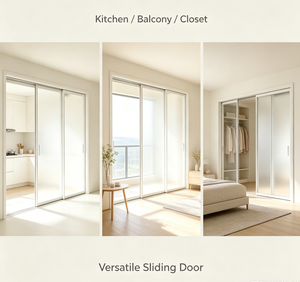
The versatility of aluminium sliding door mechanisms enables deployment across diverse spatial environments:
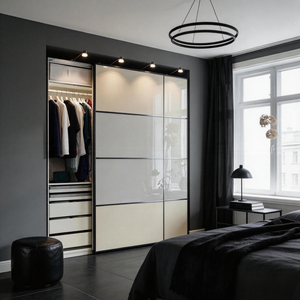
- Residential Cupboards & Built-In Wardrobes: Ultra-slim frame systems (15mm visible sightline) paired with frosted glass or decorative laminate panels maximize bedroom space without requiring swing clearances.
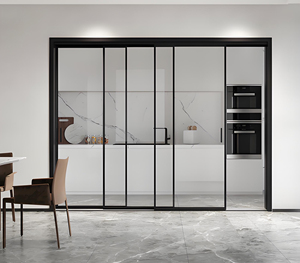
- Kitchen & Living Room Partitions: Drop-slide three-track systems allow up to 66% openable area, creating seamless transitions between cooking and dining spaces while confining odors and moisture.
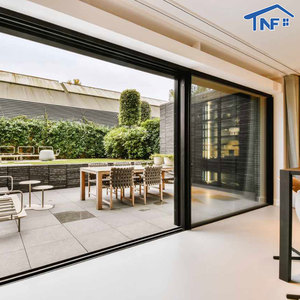
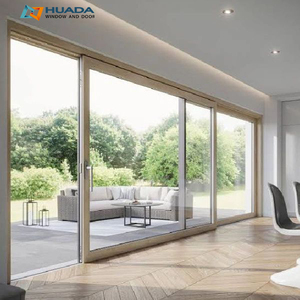
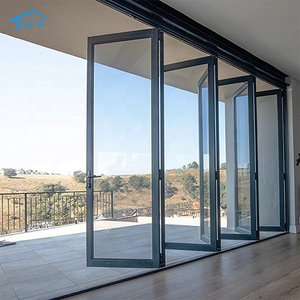
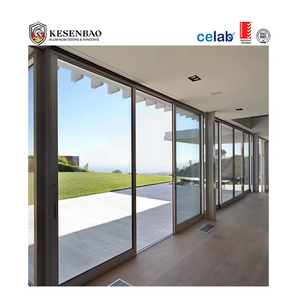
- Balcony & Patio Entrances: Heavy-duty lift-and-slide or thermal break sliding doors featuring multi-point hardware provide wind resistance, hurricane protection, and thermal efficiency.
- Commercial Offices & Hospitality: Acoustic sliding glass partitions equipped with drop-down seals provide sound attenuation up to STC 42 for conference rooms and executive suites.
5. Global Procurement & Future Technology Trends (2025–2030)
As the building products industry advances toward sustainability and intelligent automation, leading exporters are integrating several technological innovations into their production lines:
5.1 Integration of Smart Automation & Soft-Close Systems
Modern commercial and luxury residential buyers now expect integrated soft-closing hydraulic dampers that prevent panel slamming, finger pinch injuries, and hardware rebound. Automatic magnetic levitation (Maglev) drive motors are also becoming standard for smart home sliding doors and accessible cupboard automation.
5.2 Ultra-Narrow Sightline Minimalism
Architectural preferences lean heavily toward "invisible framing." Exporters capable of extruding slim structural frames (10mm to 20mm interlocks) capable of supporting large tempered glass panes up to 300kg per leaf dominate the high-end project export market.
5.3 Eco-Friendly Thermal Break Technology
Energy codes across North America, Europe, and Australia mandate lower U-factors in building envelopes. The adoption of structural PA66-GF25 (25% Glass Fiber Reinforced Polyamide) thermal break strips within sliding aluminum frames stops conductive thermal bridging, significantly reducing HVAC heating and cooling loads.