Engineered Open Window & Architectural Door Systems
Factory-direct thermal break systems certified for high-end residential, commercial, and climate-sensitive projects worldwide.
1. Global Market Landscape & Executive Summary for Open Window Sourcing
Modern architectural fenestration has evolved beyond mere weather protection into an active component of building thermodynamics, structural integrity, and architectural aesthetics. Identifying top-tier aluminium open window suppliers requires a deep understanding of thermal performance metrics, extrusion alloy properties, structural wind load performance, and hardware reliability.
According to recent building envelope efficiency benchmarks, high-performance aluminium casement and open window systems account for over 42% of specified residential and commercial openings worldwide. Driven by stringent international energy codes—such as North American NFRC ratings, Australian AS2047 compliance, and European CE/EN standards—architects and general contractors are shifting away from non-thermal profiles toward multi-cavity thermal break systems equipped with PA66 GF25 polyamide barriers.
For international buyers, real estate developers, and commercial building contractors, navigating the global vendor landscape requires identifying suppliers who do not merely assemble components, but integrate vertical R&D, precision extrusion machining, multi-layer EPDM sealing technology, and rigorous quality control testing.
2. Technical Evaluation Matrix: Top 10 Aluminium Open Window Manufacturers
To establish true Information Gain for procurement professionals, we have compiled an engineering comparison matrix evaluating the operational capabilities, structural specs, and quality standards among top global suppliers of aluminium open windows.
| Supplier Evaluation Vector | Standard Commodity Manufacturer | Vexis Windows & Doors (Tier-1 OEM) | Target Project Specs |
|---|---|---|---|
| Extrusion Alloy & Temper | 6063-T5 Standard Recycled Profile | 6063-T6 Primary Architectural Aluminium | High Structural Load & Wind Resistance |
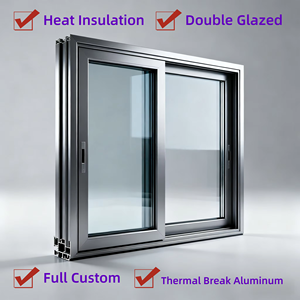
| Thermal Barrier Technology | Single PVC / Low-Grade Strips | Multi-Cavity PA66 GF25 Polyamide Strips | Uw ≤ 1.2 – 1.6 W/m²K (Low Thermal Loss) |
| Acoustic Insulation (Rw) | 25 dB – 30 dB Reduction | 38 dB – 45 dB Dual/Triple Glazed System | Urban & High-Traffic Sound Dampening |
| Airtightness (EN 12207) | Class 2 – Class 3 Standard | Class 4 (Highest European Standard) | Zero Draft / High Pressure Sealed Building |
| Watertightness (EN 12208) | 300 Pa – 450 Pa Rating | 900 Pa – 1200 Pa Storm-Proof Drainage | Severe Coastal Typhoons & Heavy Rain |
| Hardware Integration | Generic Local Brands | HOPO / Siegenia / Roto German Systems | 100,000+ Cycle Operational Durability |
Key Engineering Insight: Why PA66 GF25 Polyamide Strips Matter
Cheap aluminium windows often utilize PVC or low-density plastic thermal strips that deteriorate under UV exposure and high thermal cycles. Tier-1 manufacturers like Vexis utilize PA66 GF25 (25% Glass Fiber Reinforced Polyamide 66). This material matches the exact thermal expansion coefficient of aluminium alloys, ensuring structural integrity, zero frame distortion, and uncompromised seal pressure across temperature extremes (-40°C to +80°C).
3. Comprehensive Engineering Breakdown of Open Window Configurations
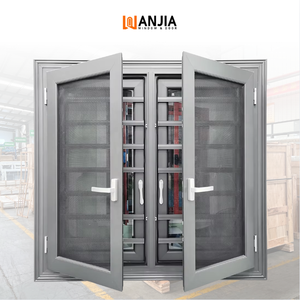
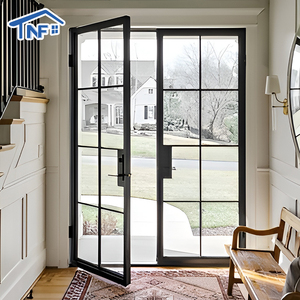
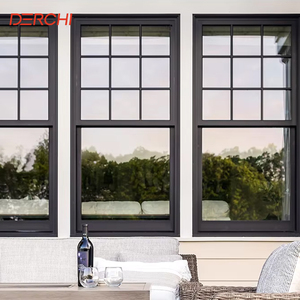
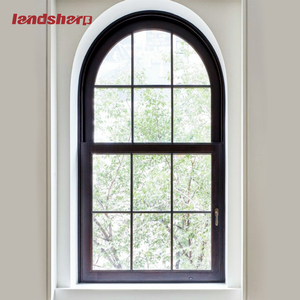
Aluminium open windows—encompassing casement, tilt-and-turn, awning, and French window systems—offer unmatched structural strength and sealing efficiency compared to horizontal sliding mechanisms. Understanding the operational ergonomics and engineering advantages of each type helps buyers optimize project specifications.
Outswing & Inswing Casement
Side-hung casement windows compress fully against perimeter dual-gasket EPDM seals upon locking. Outswing models maximize interior space, while inswing models allow safe exterior glass cleaning in multi-story residential towers.
German Tilt & Turn Systems
Featuring a dual-action handle mechanism, tilt-and-turn windows tilt inward from the top for secure, draft-free ventilation during rain, or swing fully inward on side hinges for maximum airflow and emergency egress compliance.
Top-Hung Awning & Hopper Windows
Hinged at the top and opening outward at the bottom, awning windows create a natural rain-shielding canopy. Ideal for wet climates and continuous night-time ventilation without compromising building security.
4. Strategic Procurement & Future Technology Trends (2026–2030)
As the commercial building envelope market moves toward net-zero targets and smart building automation, procurement managers must evaluate suppliers based on forward-looking manufacturing technological capabilities.
1. Ultra-Narrow Sightlines & Concealed Sashes
Modern architectural trends demand maximum glass surface area. Advanced aluminium open windows feature hidden sash profiles and flush frame alignments, reducing visual profile width down to 35mm without sacrificing wind load resistance.
2. Integrated Smart Electrochromic & Blind Glazing
Leading suppliers are incorporating switchable privacy smart glass (PDLC) and motorized hollow aluminium louvers sealed directly inside argon-filled double glazing, protecting shade blinds from dust and mechanical wear.
3. Low-Carbon Recycled Alloy Sourcing
Green building certifications (LEED v4.1, BREEAM) reward developers who source aluminium profiles processed with renewable hydroelectric power. Recycled billet extrusion reduces embodied carbon by up to 70% compared to virgin smelted ore.
Why Vexis Windows & Doors Leads Global Manufacturing
Integrating R&D, precision tooling, automatic powder coating lines, and rigorous export handling under one unified production ecosystem in Foshan, China.
30,000 m² Factory Base
High-capacity automated CNC machining centers, automated corner-crimping setups, and specialized double-glazed glass assembly lines ensure consistent high-volume delivery.
Full Custom OEM/ODM Capabilities
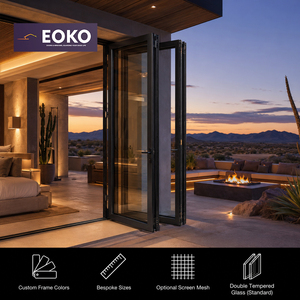
From shop drawing engineering to customized profile extrusions, custom RAL colors, anodized wood-grain finishes, and specified glass configurations tailored to architectural blueprints.
Strict Export Packaging & Logistics
Multi-layer protective film, heavy-duty rubber corner wraps, and fumigated steel-reinforced wooden crates guarantee 100% damage-free sea freight delivery to over 154 countries.
5. Frequently Asked Questions (FAQ) for Global Importers & Contractors
Essential guidance for developers, architects, and trade importers sourcing aluminium open windows directly from China factories.
Q1: What are the main benefits of choosing aluminium open windows over vinyl/uPVC?
Aluminium open windows offer vastly superior structural strength, enabling much larger glass panels with ultra-slim frames. Unlike uPVC, high-grade 6063-T6 aluminium will not warp, yellow, or crack under high UV exposure and extreme weather conditions, yielding a 30+ year service life.
Q2: How do thermal break profiles impact window energy performance?
Aluminium is inherently conductive. A thermal break places a non-conductive polyamide strip (PA66 GF25) between the interior and exterior profile halves. This prevents heat transfer, lowers HVAC cooling/heating energy demands, and prevents interior glass condensation.
Q3: Can Vexis customize windows according to our regional building codes?
Yes. Our engineering team routinely customizes wall thickness (1.4mm to 2.0mm+), glass pane specifications (Low-E, Argon-filled, Laminated Safety Glass), and multi-point locking mechanisms to comply with AS2047 (Australia), NFRC (USA), and CE (Europe) standards.
Q4: What surface finishes are available for aluminium window frames?
We provide Fluorocarbon PVDF coating (ideal for harsh coastal environments with high salt spray), architectural powder coating in any RAL shade, anodizing, and heat-transfer 3D wood-grain finishes that combine natural timber aesthetics with metallic strength.
Q5: How does multi-point locking improve security and air seal pressure?
Unlike single-latch windows, multi-point hardware drives steel locking mushroom pins into matching keep plates at multiple locations along the frame top, side, and bottom. Operating a single handle pulls the sash tightly against the gasket seals for maximum storm protection and burglar deterrence.
Q6: What is the average lead time for custom project manufacturing?
For standard profile colors and sizes, production takes approximately 15 to 20 days following final CAD shop drawing approval. Fully customized extrusions, custom RAL powder coating, or specialized triple-glazed units take 25 to 35 days.
Ready to Engineer Your Project's Window Envelope?
Send your architectural drawings, window schedules, or opening dimensions to our senior engineering team for rapid structural evaluation and competitive factory-direct pricing.
Get a Quote