Certified Internal Aluminium Fire Door Systems
Precision-engineered interior fire doors compliant with WH (Warnock Hersey), UL, BS476, and EN fire-safety certifications for commercial, healthcare, and high-rise residential installations.
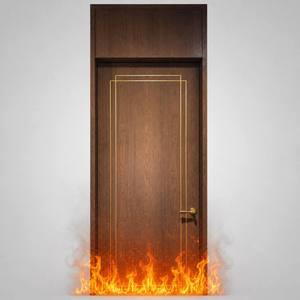
Aluminum Wood Composite Fire Rated Door Listed WH Certified for Apartment Office Commercial Building
Get Catalog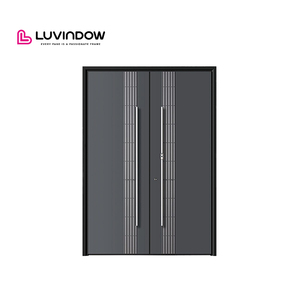
Premium Aluminum Large Main Entrance Doors Fire Prevent Security Entry Doors for Houses Modern
Get Catalog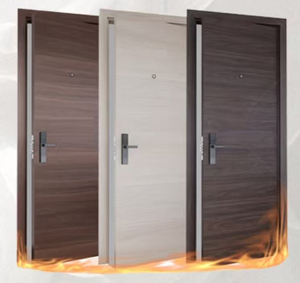
Metal Emergency Exit Hotel Security Fire Door With Emergency Push Bar Hardware
Get Catalog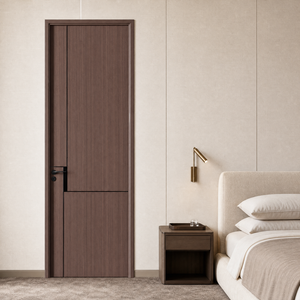
Modern Aluminum Interior Door Antibacterial Fire Rated for Dormitory Laboratory
Get Catalog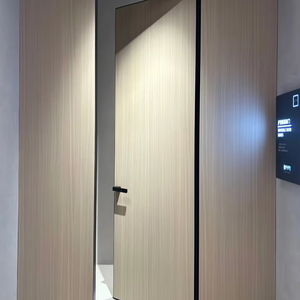
Melinco Modern Flush Mount Manual Interior Door Fire Prevention Honeycomb Aluminum Polymer
Get Catalog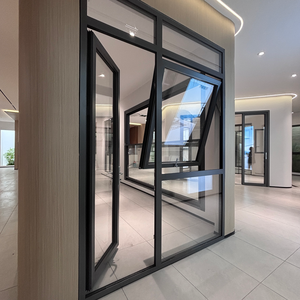
Black Aluminum Frame Glass Thermal Insulation Interior Door Fire-Rated Sliding Door for Hotels Offices
Get Catalog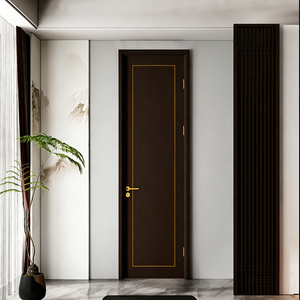
Modern Fire Rated Aluminum Doors European Luxury Interior Doors for High-End Projects
Get Catalog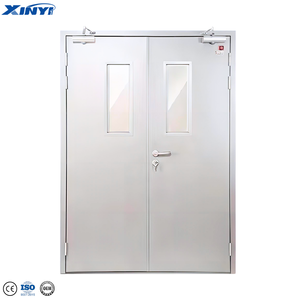
Industrial Design Thermal Insulation Fire Door Commercial Building Security Access Door
Get Catalog1. Technical Architectural Overview: Aluminum in Internal Passive Fire Protection
Modern commercial and residential architectural blueprints increasingly demand interior partitioning systems that balance structural minimalist aesthetics with stringent life safety compliance. Historically, internal fire doors relied heavily on dense solid timber cores or industrial steel sheet constructions. However, advancements in structural aluminum alloy extrusions (specifically 6063-T5 temper) integrated with intumescent insulation cores have reshaped passive fire protection standards.
Aluminium internal fire doors offer superior dimensional stability over traditional timber—resisting warping, humidity absorption, and thermal expansion—while offering significantly lighter operating mass than structural steel assembly. When specified with certified thermal break extrusions, perlite core infills, and multi-layer perimeter intumescent seals, internal aluminum door assemblies achieve certified integrity and insulation (EI) ratings ranging from 30 to 120 minutes under EN 1634-1, UL 10C, and BS 476 Part 22 standards.
Technical Comparison: Fire-Rated Door Material Performance Matrix
Selecting the optimal door system requires balancing structural integrity, weight load on hardware, flame containment, and architectural surface finishing capability. The table below illustrates the physical and operational performance characteristics of modern internal fire door configurations:
| Material Core Configuration | Fire Rating Standard | Weight Index (kg/m²) | Acoustic Rating (Rw dB) | Moisture & Antibacterial Resistance |
|---|---|---|---|---|
| Aluminum-Wood Composite Core | WH 30 / 60 / 90 Mins | 28 - 34 | 38 - 42 dB | High (Anodized frame + Sealed veneer) |
| Aluminum Polymer Honeycomb | EI30 / EI60 Grade | 18 - 22 | 32 - 36 dB | 100% Waterproof / Antibacterial |
| Narrow Aluminum Frame + Fire Glass | E30 to EI120 Rated | 35 - 50 | 40 - 45 dB | Impervious to chemicals & humidity |
| Heavy Duty Metal Emergency Steel | UL 3-Hour / BS 120 Min | 45 - 65 | 35 - 40 dB | Moderate (Requires anti-corrosion coating) |
2. Key Enterprise & Manufacturing Advantages of Vexis Windows
As a global tier-one manufacturer integrated with full-cycle R&D, structural engineering, and export operations in Foshan, China, Vexis Windows & Doors Co., Ltd. delivers factory-direct procurement advantages designed to eliminate supply chain friction for real estate developers, EPC contractors, and building material importers.
Global Certification Conformance
Our internal aluminum fire doors hold global laboratory testing credentials including Intertek Warnock Hersey (WH), CE mark conformance, and rigorous ISO 9001 quality audits to clear customs and pass local code inspections effortlessly.
30,000 m² Advanced Production Base
Equipped with high-precision CNC aluminum cutting machinery, automated intumescent slotting, and continuous powder-coating processing lines capable of executing large-scale project supply with rapid lead times.
Export Track Record in 154+ Nations
Over two decades of international logistics expertise servicing North American, European, Australian, Southeast Asian, and Middle Eastern construction standard requirements, ensuring zero damage in ocean transport.
3. Future Procurement Trends in Internal Aluminium Fire Doors (2026–2030)
Strategic purchasing managers and structural specification engineers must evaluate long-term code changes and design shifts when procuring interior fire door assemblies. Industry analysis highlights four major global trends:
A. Integration of Ultra-Slim Vision Panels and Fire-Rated Glazing
Modern corporate offices and luxury hotels are moving away from dark, opaque fire barriers toward daylight-maximizing transparent partitions. Future procurement focuses heavily on narrow-frame aluminum profiles capable of retaining ceramic gel-filled fire glass (such as Pyrostop or Vetrotech) that maintain integrity and insulation up to 120 minutes while maintaining sleek 45mm visible profile widths.
B. Antibacterial & Hygienic Surface Coatings for Healthcare & Labs
Post-pandemic commercial building codes prioritize interior surfaces that resist micro-pathogens. Internal aluminum fire doors treated with silver-ion antimicrobial fluorocarbon (PVDF) or specialized electrostatic powder coatings are fast becoming mandatory specifications for hospital corridors, cleanrooms, and educational dormitories.
C. Modular Prefabrication and Rapid Drywall Click-In Installation
Labor cost inflation across North America and Europe is driving demand for pre-hung aluminum fire door systems. These units arrive factory-assembled with sub-frames, pre-installed panic hardware, pre-cut hinge pockets, and expandable frame mechanisms that clamp directly onto studs or masonry openings in under 30 minutes per unit.
D. Carbon Neutrality & Environmental Product Declarations (EPD)
Global green building standards (LEED v4.1, BREEAM, and WELL) require procurement verification of recycled aluminum content. Low-carbon extruded aluminum profiles produced with hydro-electric smelters—combined with zero-VOC polymer cores—provide developers with the necessary EPD documentation to gain sustainability credits.
4. Technological Evolution & Manufacturing Innovations
The manufacturing process of fire-rated internal doors has evolved from manual assembly to precision material science. Understanding these technological advancements allows project buyers to evaluate true product quality:
- Hydraulic Intumescent Expansion Gaskets: When exposed to temperatures exceeding 180°C, embedded graphite perimeter gaskets swell to 25 times their initial volume. This completely seals frame gaps against toxic smoke, hot gases, and radiant heat transfer.
- Thermal Barrier Core Engineering: Utilizing high-density ceramic fiberboards, expanded perlite, or aluminum honeycomb infused with hydrated silicate compounds, eliminating internal convection currents during fire exposure.
- Multi-Point Electromagnetic Access Integration: Modern interior fire doors feature concealed wiring channels inside aluminum profiles, seamlessly connecting hardware with central building fire alarm systems (FAS) for immediate automatic drop-release or panic unlocking.
Frequently Asked Questions for Project Bidding & Sourcing
Direct technical answers to common queries raised by architects, structural engineers, quantity surveyors, and international procurement directors.
What is the difference between Fire Integrity (E) and Fire Insulation (EI) in aluminum internal doors? +
Can aluminium internal fire doors be customized to match exact architectural opening dimensions and custom finishes? +
How do Vexis internal fire doors handle acoustic sound isolation requirement standards? +
What documentation and certificates are supplied for project submittals and customs approval? +
How are the doors packaged to prevent surface scratching and frame distortion during international ocean freight? +
What hardware options can be factory pre-drilled and integrated into aluminum fire doors? +
Request Complete Architectural Catalog & Fire Test Documentation
Partner directly with Foshan's leading aluminum door manufacturing specialist. Receive comprehensive technical specifications, CAD details, and factory-direct pricing for your project within 24 hours.
Get Catalog