Featured External Aluminium Door & Window Systems
Engineered for extreme structural loads, high thermal resistance, and panoramic architectural sightlines.
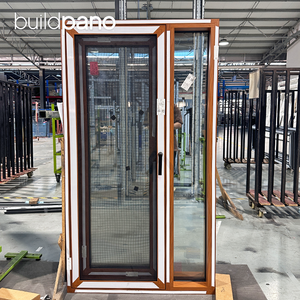
Factory Custom Wood Grain Casement Windows with Screen and Fixed Window Aluminum Windows
Inquire Now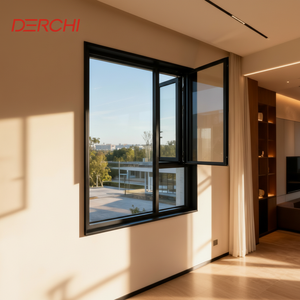
DERCHI Factory Direct Sales Tinted Aluminum Casement Windows Outward Thermal Break Casement Windows
Inquire Now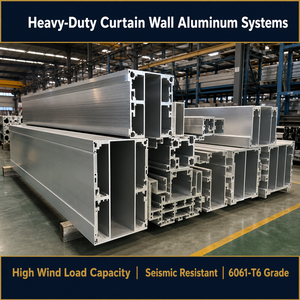
Round Corner Aluminum Window Profile | Fast Response | Safety Design for Kindergarten & School
Inquire Now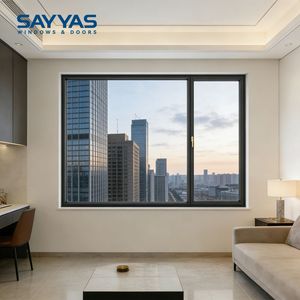
Residential Replacing Modern Kitchen Bathroom Soundproof Glass Windows 5G Aluminum Clad UPVC Window
Inquire Now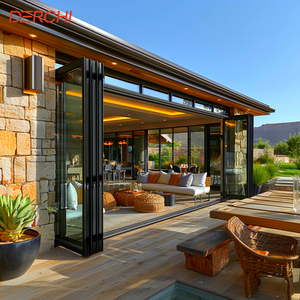
Outdoor Balcony Aluminium Folding Door Thermal Break Storm Double Low-E Glass Bifold Patio Accordion Door
Inquire Now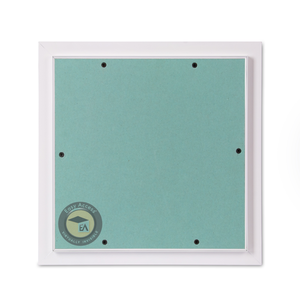
2026 Top Selling Easy Access Durable Modern Aluminium Design White Customised Metal Trap Door RFAP4545PCMR
Inquire Now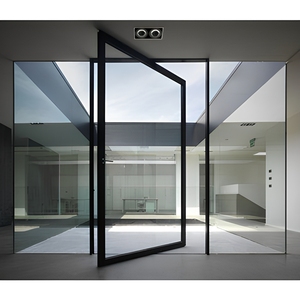
Modern Heavy-Duty Aluminum Pivot Doors with Double Glass Soundproof Surface for Villa & Hotel Entrance
Inquire Now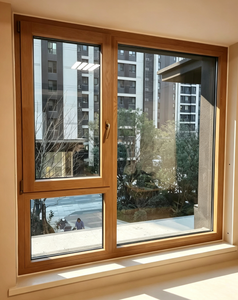
European High Energy Saving Triple Tempered Low-E Aluminum Wood Tilt Turn Windows Heat Insulation
Inquire Now1. Executive Procurement Whitepaper: Evaluating Top Aluminium Glass External Door Factories
In modern architectural engineering, the perimeter envelope represents one of the most critical structural and thermodynamic boundaries of any building. Selecting an elite aluminium glass external door factory and exporter requires navigating complex matrix parameters involving structural profile metallurgy, structural wind-load compliance, thermal break polymer engineering, and advanced insulating glass unit (IGU) technologies. B2B project buyers, structural specifiers, and real estate developers can no longer rely on aesthetic surface evaluations; empirical laboratory metrics and rigorous quality management systems dictate modern product selection.
China's Foshan manufacturing cluster—anchored by industry leaders such as Vexis Windows & Doors Co., Ltd.—has evolved from standard component assembly into a global hub for high-performance system doors and windows. Operating from a 30,000 m² state-of-the-art production base coupled with a 1,500 m² immersive technical exhibition hall, top exporters utilize high-precision CNC machining centers, automated corner crimping lines, and multi-chamber extrusion profiles capable of satisfying international building codes including North American NFRC/ASTM, European CE/EN 14351-1, and Australian AS2047 benchmarks.
"Procurement benchmark: Premier external aluminium doors must achieve a minimum overall U-factor below 1.4 W/m²·K in cold climates and a Solar Heat Gain Coefficient (SHGC) under 0.25 in tropical zones, backed by structural deflection tolerances under wind loads exceeding 3000 Pa."
2. Technical Anatomy & Mechanical Metallurgy of Exterior Glass Door Systems
To survive extreme atmospheric exposure—ranging from coastal salt-spray corrosion to severe freeze-thaw cycles—the underlying material physics of an exterior door assembly must strictly conform to high-grade architectural standards. Leading factories utilize extruded primary aluminium alloys, predominantly AA6063-T5 or AA6060-T66, featuring minimum nominal profile wall thicknesses between 2.0mm and 3.0mm for heavy-duty exterior applications such as grand entrance pivot systems and large-span multi-panel bifold patio doors.
A. Structural Profile Extrusion & Anodization Standards
Unlike light residential interior doors, external aluminium profiles must handle substantial glass dynamic dead-loads while preserving frame squareness over decades of operation. Advanced thermal break technology integrates structural Polyamide 66 reinforced with 25% glass fiber (PA66-GF25) thermal barrier strips. These structural insulation strips separate the outer and inner aluminium extrusions, virtually eliminating thermal bridges and preventing interior condensation formation even under drastic indoor-outdoor temperature differentials.
B. High-Performance Insulating Glass Units (IGUs)
The vision area of an external door accounts for up to 85% of its total thermal transfer surface. Premium exporters supply fully customized glazing configurations including double and triple-pane tempered safety glass, laminated hurricane-resistant interlayers (PVB/SGP), soft-coat Low-E (Low Emissivity) coatings, and warm-edge spacer technology. Argon gas fills within sealed air cavities significantly depress convective heat transfer, providing superior STC (Sound Transmission Class) acoustic attenuation against urban noise pollution.
Thermal Break Insulation
Multi-chamber extrusions paired with PA66-GF25 polyamide barrier strips reduce overall thermal conductivity, achieving passive house U-value targets.
Acoustic Soundproofing
Laminated structural glass units filled with inert Argon gas achieve STC ratings up to 45 dB, silencing harsh exterior environmental noise.
Extreme Weather Sealing
Continuous co-extruded EPDM gaskets combined with multi-point stainless gear locking systems prevent air infiltration and water driving rain leaks.
3. Technical Performance Benchmark Matrix for External Glass Doors
When reviewing export proposals, engineering departments must cross-examine physical performance data sheet parameters against local building codes. Below is an engineering performance baseline matrix typical of tier-1 manufacturers like Vexis Windows:
| Door System Type | Frame Profile Depth | Thermal U-Factor (W/m²·K) | Water Resistance (Pa) | Wind Load Capacity | Acoustic STC Rating |
|---|---|---|---|---|---|
| Heavy-Duty Pivot Door | 100mm - 120mm | 1.2 - 1.6 | 450 Pa | 3500 Pa (Hurricane Grade) | 38 - 42 dB High |
| Thermal Break Bifold Door | 75mm - 80mm | 1.4 - 1.8 | 350 Pa | 2800 Pa | 35 - 40 dB Standard |
| Ultra-Slim Sliding Glass Door | 135mm (Narrow Interlock) | 1.3 - 1.7 | 400 Pa | 3200 Pa | 36 - 42 dB High |
| French Exterior Casement Door | 70mm - 85mm | 1.1 - 1.5 | 600 Pa (Extreme Water) | 4000 Pa (Severe Storm) | 40 - 45 dB Elite |
4. Global Architectural Procurement & Sourcing Trends (2026-2035)
The commercial and luxury residential building sector is undergoing a monumental shift toward zero-energy design and seamless indoor-outdoor living spaces. Overseas importers, project developers, and architecture firms are prioritizing several emerging manufacturing capabilities when auditing potential Chinese factories:
Trend 1: Ultra-Slim Sightlines with Massive Structural Load Capacities
Modern architectural language favors minimalist frames that maximize natural day-lighting. Top exporters have re-engineered interlock stiles down to a visible width of just 16mm to 25mm, utilizing hidden structural steel reinforcements or specialized bonding adhesives inside the sash extrusion to carry sash weights exceeding 400 kg per panel.
Trend 2: Smart Glass & Building Automation System Integration
Integration of switchable polymer-dispersed liquid crystal (PDLC) privacy glass, integrated motorization connected to smart home automation platforms (Zigbee/KNX), and concealed magnetic sensor hardware are becoming standard additions in high-end villa entrance systems and commercial hospitality projects.
Trend 3: Sustainable Material Lifecycle & Low-Carbon Billets
Driven by strict European Carbon Border Adjustment Mechanisms (CBAM) and green building rating systems (LEED/BREEAM), leading factories are transitioning toward low-carbon primary aluminium billets smelted using renewable hydro-electric energy, alongside zero-VOC powder coating lines (e.g., AkzoNobel or PPG certified fluorocarbon PVDF coatings).
5. Frequently Asked Sourcing & Technical Questions (FAQ)
Below are essential technical and logistical considerations answered by our engineering export team to assist importers and project managers prior to order placement.
What thermal break materials are used in exterior aluminium door profiles?
How do you ensure structural integrity for large-span bifold or pivot door systems?
Can profile finishes and hardware colors be customized to project specifications?
What glass configurations are recommended for extreme acoustic noise cancellation?
How are window and door products packaged to prevent ocean freight damage?
What documentation is provided for customs clearance and engineering submittals?
Ready to Source High-Performance Aluminium Door Systems?
Send us your project architectural drawings, schedule of openings, or structural specifications for a comprehensive technical quote within 24 hours.
Inquire Now