Engineered Aluminium Exterior Doors & Windows
Review high-performance architectural envelope systems engineered for extreme structural wind loads, high thermal insulation, and minimal sightline aesthetics.
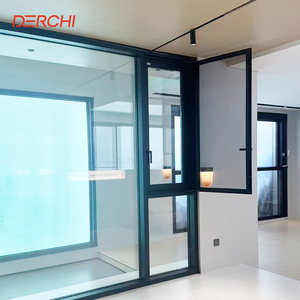
Minimalism Series Window Ultra Double Glass Aluminum Alloy Line Fixed Slimline Window Slim Profile Aluminium Casement Windows
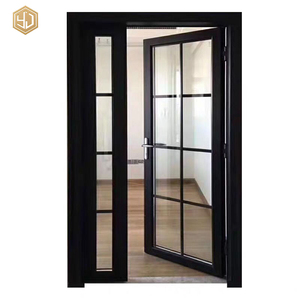
French Style Aluminum Alloy Casement Doors One and Half Door for Kitchen and Balcony Door
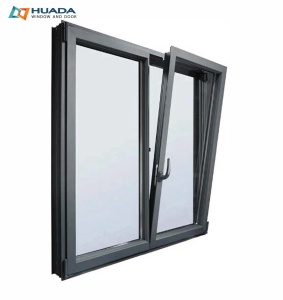
CSA Certification Canada Standard Energy Star Tilt and Turn Window Inswing Window Casement Window Aluminum Windows
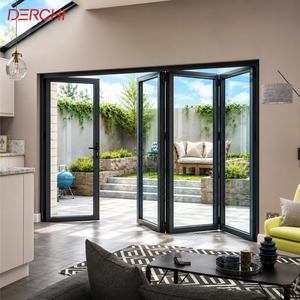
Panoramic Accordion Bifold Door Balcony Partition Folding Door Aluminum Sliding Folding Patio Door
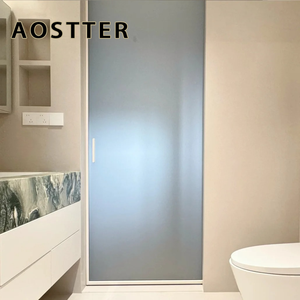
Modern Minimalist ISO Indoor Aluminum Glass Pocket Hidden Sliding Door for Bedroom and Kitchen with Decoration
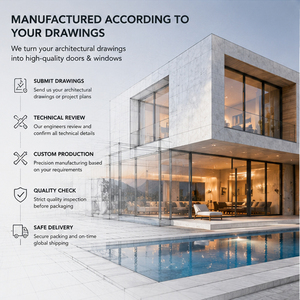
Custom Aluminum Storefront Doors And Windows For Retail Shops, Restaurants, Hotels, Shopping Centers And Commercial Entrances
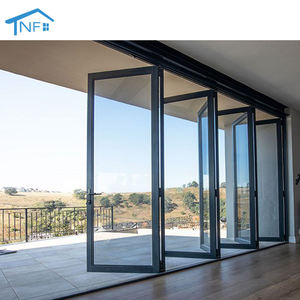
NF Patio Double Glass Exterior Accordion Folding Door Wholesale Front Residential Entry Doors Aluminium Bifold Doors
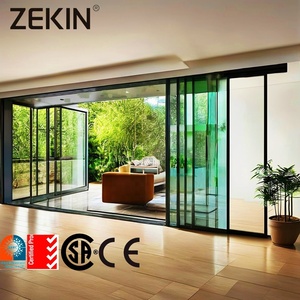
Customized Sliding Door NFRC AS2047 Certification Sliding Door Double Glass Balcony Patio Aluminum Sliding Door
Top 10 Aluminium Exterior Doors Factories: 2026 Industry Benchmarking
The global architectural fenestration market has undergone a fundamental structural shift. Modern architectural engineering requires exterior door assemblies to act not merely as spatial boundaries, but as structural thermal shields capable of withstanding extreme atmospheric pressures, severe wind-driven rain, acoustic disruption, and thermal energy dissipation. Selecting a premier OEM/ODM manufacturing partner among top aluminium exterior doors factories demands far more than basic unit price comparison—it requires a technical evaluation of extrusion alloy purity, thermal barrier technology, surface coating integrity, structural deflection limits, and global code certifications.
Technical Evaluation Criteria for Tier-1 Aluminium Door Manufacturers
To establish an objective benchmark for commercial project specifiers, structural engineers, and global procurement directors, our engineering team evaluated leading production clusters across North America, Europe, and Asia (specifically Foshan, Guangdong—the world's densest architectural aluminum engineering hub). Manufacturers were evaluated across five critical parameters:
- Structural Metallurgy & Extrusion Precision: Utilization of virgin 6063-T5/T6 architectural aluminum billets with profile wall thicknesses ranging from 1.8mm to 3.0mm, ensuring zero frame torsion under heavy sash loads.
- Thermal Barrier Engineering: Integration of continuous German Technoform PA66-GF25 (25% glass fiber reinforced polyamide) thermal break strips, achieving overall system U-factors below 0.28 BTU/h·ft²·°F (U-value ≤ 1.4 W/m²K).
- Weatherization & Water Tightness: Multi-chambered internal drainage structures coupled with continuous EPDM (Ethylene Propylene Diene Monomer) gasket seals to resist water penetration up to 700 Pascals (Pa).
- Hardware & Load Capacity: Heavy-duty German-engineered multi-point locking gear (GU, CMECH, HOPO, Siegenia) rated for single sash leaf weights up to 400kg on lift-and-slide or bifold assemblies.
- Global Compliance & Testing: Accredited certification credentials including NFRC (US), AS2047/AS1288 (Australia), CSA (Canada), and CE (Europe).
Comprehensive Comparison Matrix: Top 10 Aluminium Exterior Doors Manufacturers
| Rank / Manufacturer Profile | Production Location | Primary Engineering Specialization | Thermal Transmittance (U-Value) | Certification Standards | B2B Supply Tier |
|---|---|---|---|---|---|
| 1. Vexis Windows & Doors Co., Ltd. | Foshan, China (30,000m²) | High-Performance Thermal Break Bifold, Sliding & Entry Systems | 1.2 - 1.5 W/m²K | NFRC, AS2047, CSA, ISO9001 | Factory Direct / Tier-1 Global |
| 2. Schüco International | Bielefeld, Germany | Ultra-Luxury Commercial Curtain Wall & Sliding Entrances | 0.8 - 1.3 W/m²K | DIN EN 12207, CE, Passive House | Premium Specifier |
| 3. Reynaers Aluminium | Duffel, Belgium | Architectural Slimline & High-Acoustic Exterior Doors | 1.0 - 1.4 W/m²K | Qualicoat, ISO 14001, CE | European Commercial |
| 4. Kawneer (Arconic) | Norcross, GA, USA | Heavy Commercial Storefront & High-Traffic Entrances | 1.4 - 1.8 W/m²K | AAMA, NFRC, Florida Impact | North American Commercial |
| 5. YKK AP Inc. | Tokyo, Japan / USA | Commercial Storefront & Typhoon-Resistant Systems | 1.3 - 1.7 W/m²K | AAMA, NFRC, JIS | Global Commercial |
| 6. Andersen Windows & Doors | Bayport, MN, USA | Architectural Residential & Aluminum-Clad Exterior Entrances | 1.3 - 1.6 W/m²K | NFRC, WDMA, Energy Star | North American Residential |
| 7. Western Window Systems | Phoenix, AZ, USA | Large-Format Multi-Slide & Pocket Patio Doors | 1.4 - 1.8 W/m²K | NFRC, AAMA | Luxury Residential |
| 8. Origin Frames | High Wycombe, UK | Residential Aluminum Bifold & French Entrance Doors | 1.2 - 1.5 W/m²K | British Standards, PAS 24 | UK / European Distribution |
| 9. Technal (Hydro Extrusions) | Toulouse, France | Low-Carbon Recycled Aluminum Exterior Systems | 1.1 - 1.4 W/m²K | ASI Certified, CE, Cradle to Cradle | Sustainable Architectural |
| 10. Alumil Aluminum Systems | Kilkis, Greece | Commercial Entrance Doors & High-Span Sliding Glass Wall Systems | 1.2 - 1.6 W/m²K | IFT Rosenheim, CE, ISO | EMEA Export Tier |
Why Global Procurement Leaders Choose Vexis
Direct from our 30,000 m² smart production base in Foshan, Vexis integrates complete custom extrusion, thermal barrier assembly, precision CNC processing, and stringent export testing under one ceiling.
Extreme Weatherproofing
Engineered to resist coastal salt spray, severe thermal shock (-40°C to +80°C), hurricane-force wind load pressures up to 5000 Pa, and heavy storm water ingress through pressure-equalized internal drainage systems.
Direct Factory Wholesale
Bypass intermediary markups with direct factory pricing. Scale production smoothly with automated multi-head CNC machining lines capable of delivering multi-container project volumes on schedule.
Architectural Customization
Tailored frame extrusions, ultra-slim interlocks (down to 20mm sightlines), integrated flyscreens, fluorocarbon PVDF/AAMA 2605 powder coatings, and double/triple tempered Low-E glass configurations.
154+ Global Export Footprint
Deep experience with global building standards. From North American NFRC/CSA specifications to Australian AS2047 codes and European CE markings, our export documentation ensures zero customs delays.
Hardware Integration
Equipped with world-class multi-point locking gear, heavy-duty concealed stainless steel hinges, smooth lift-and-slide rollers, and seamless smart digital lock integration for enhanced perimeter security.
Turnkey Project Support
Full technical shop-drawing preparation, structural load calculations, custom extrusion design, pre-shipment mock-up assembly, and export-grade wooden crate packaging for safe international ocean transport.
Future Procurement Trends in Aluminium Exterior Door Manufacturing (2026–2030)
As international energy regulations become increasingly stringent—such as the EU Energy Performance of Buildings Directive (EPBD) and North American net-zero building mandates—the design and procurement of aluminium exterior doors are evolving rapidly. B2B importers, architects, and structural contractors must align their supply chains with four major technological trajectories over the next decade:
1. Decarbonization & Low-Carbon Primary Aluminum Alloys
Global developers are aggressively tracking Scope 3 embodied carbon. Future-ready aluminium door factories are shifting from traditional coal-smelted aluminum to hydro-powered primary aluminum billets or high-content recycled structural alloys (e.g., CIRCAL 75R). This reduces the carbon footprint per kilogram of aluminum extrusion from ~18 kg CO₂e to under 4.0 kg CO₂e, allowing project owners to secure LEED v4.1 Platinum and BREEAM Outstanding certifications.
2. Ultra-Narrow Sightlines Paired with Heavy Load-Bearing Hardware
The modern architectural aesthetic demands maximum daylight harvesting through ultra-slim frames (visible interlock profiles under 22mm). However, slimline design creates immense engineering challenges regarding wind load resistance and structural deflection ($L/175$ or $L/250$). Leading factories are replacing standard aluminum reinforcement with internal steel-carbon fiber composite stiffeners and high-tensile stainless steel rollers capable of effortlessly sliding sashes exceeding 3.5 meters in height.
3. Advanced Thermal Break Profiles & Vacuum Insulated Glass (VIG)
To eliminate thermal bridging in extreme cold or hot climates, exterior door manufacturers are migrating from basic 14.8mm polyamide strips to multi-chambered, foam-filled PA66-GF25 thermal breaks up to 34mm wide. Furthermore, the integration of Vacuum Insulated Glass (VIG) within thin double-glazed units achieves thermal insulation values equivalent to traditional thick triple-pane glass (U-factor ≤ 0.60 W/m²K), dramatically reducing sash weight while doubling thermal performance.
4. Smart Building Integration & Motorized Multi-Point Automation
The convergence of building automation systems (BAS) and perimeter security has made motorized exterior door operation a baseline requirement for luxury residential and commercial developments. Premier factories are embedding silent brushless DC motors, concealed magnetic locking sensors, and biometric access control directly into the aluminum frame profiles without compromising weather tight gaskets or thermal break continuity.
Frequently Asked Questions for B2B Exterior Door Sourcing
Clear, direct answers regarding minimum order quantities, custom architectural specifications, global shipping safety, and factory verification.
What makes Foshan the preferred hub for aluminium exterior door factories?
Foshan is the world's largest high-end aluminum profile manufacturing cluster, offering unmatched supply chain integration. From raw billet extrusion, anodizing, and PVDF spraying to specialized hardware and glass fabrication, Foshan factories deliver superior cost efficiencies and engineering precision compared to fragmented production regions.
How does Vexis ensure structural compliance for hurricane or typhoon zones?
Our exterior door systems are subjected to rigorous finite element analysis (FEA) and physical pressure chamber testing. We configure dynamic heavy-duty wall profiles (up to 3.0mm thickness), laminated impact-resistant glass (PVB/SGP interlayers), and high-capacity multi-point locking gear engineered to withstand wind pressures up to 5000 Pa.
What is the difference between standard Powder Coating and PVDF Fluorocarbon finishes?
Standard architectural powder coating (Qualicoat Class 1/2) provides excellent UV resistance and color durability for normal urban environments. PVDF (Fluorocarbon AAMA 2605) is a premium 3-coat liquid paint system ideal for harsh coastal regions exposed to extreme salt air and high UV radiation, guaranteeing color stability and gloss retention for over 20 years.
Can Vexis fabricate custom door sizes according to CAD / BIM project drawings?
Yes, 100% of our production is made-to-size. Our in-house engineering department converts architectural drawings into precise shop drawings, specifying profile cross-sections, glass performance data, drainage channels, and installation anchor details prior to manufacturing.
What export packaging standards are used to prevent transit damage?
All door sashes and frames undergo a 5-layer protective packaging process: protective anti-scratch film, corner buffer guards, thick shock-absorbing foam wrapping, moisture barrier wrap, and fully enclosed IPPC-certified fumigated wooden crates or steel A-frame racks for safe container loading.
What documentation is provided for local building department approval?
We supply comprehensive technical documentation including shop drawings, structural calculation reports, glass thermal test data (NFRC/AS2047/CSA certificates), material test reports (MTR), and comprehensive installation manuals for on-site construction teams.
Partner with a World-Class Aluminium Exterior Door Manufacturer
Whether you are developing a luxury residential estate, a commercial shopping center, or sourcing containers for local distribution, Vexis delivers factory-direct precision engineering backed by 20+ years of global export leadership.
Get Catalog