Featured Architectural Aluminium Systems
Factory-direct high-performance slim profile doors, windows, and hurricane-rated glazing solutions optimized for modern Crittall-style aesthetic conversions.
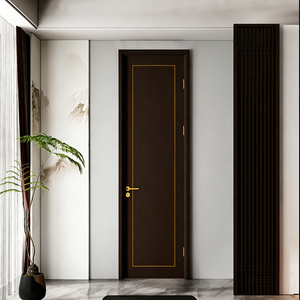
Modern Fire Rated Aluminum Doors European Luxury Interior Doors for Houses
Send an Inquiry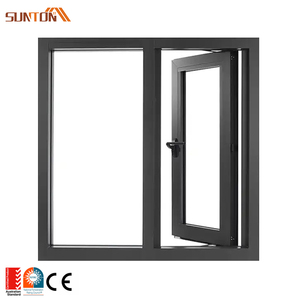
AS2047 Australian Standard Aluminium Alloy Double Glazed Glass Door and Casement Window
Send an Inquiry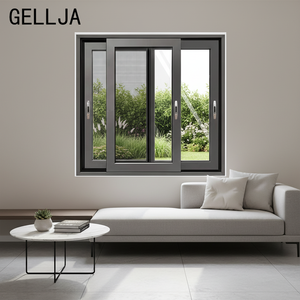
Modern Custom Hurricane-Proof Sliding Glass Double Glazed Windows for Apartment & Hotel
Send an Inquiry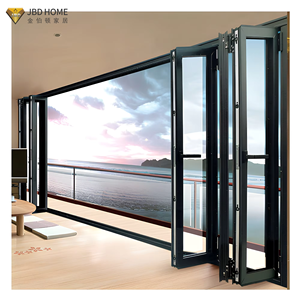
NFRC AS2047 Bi-fold Doors Seaside Hotel Hurricane Proof Outdoor Folding Patio Doors
Send an Inquiry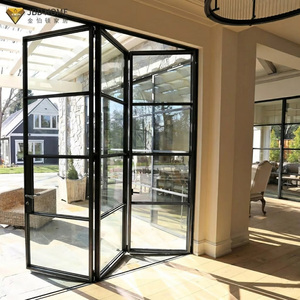
Custom Outdoor Patios Heat Insulation Aluminum Folding Door Glass Moisture Resistant Exterior Door
Send an Inquiry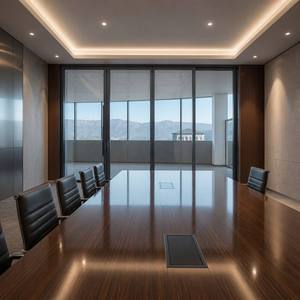
Aluminum Sliding Glass Door Double Glazed Slim Frame Soundproof Waterproof For Patio
Send an Inquiry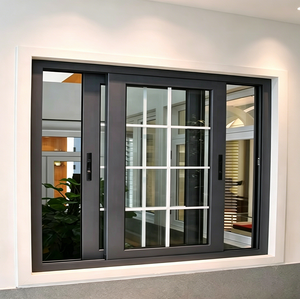
AS2047 NFRC Sliding Windows Frame House Optional Electric Automatic Aluminium Windows
Send an Inquiry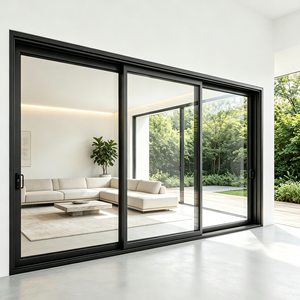
AS2047 Load-bearing Aluminium Alloy Profile Double Glazed Large Modern Sliding Doors
Send an InquiryIndustrial Whitepaper: The Architectural Evolution of Aluminium Crittall Windows
Analyzing the material transition from hot-rolled solid steel to thermal break aluminum alloy profiles in modern heritage and contemporary fenestration engineering.
The iconic Crittall style—characterized by ultra-slim metal sightlines, geometric grid patterns (astragal bars/glaze bars), and an industrial minimalist aesthetic—originated in the late 19th century using hot-rolled solid steel profiles. While steel remains historically significant, contemporary commercial architecture and high-end residential developments globally have shifted heavily toward extruded aluminium alloy Crittall-style fenestration systems.
1. Technical Comparison: Solid Steel vs. Thermal Break Aluminium Crittall Profiles
For international procurement directors, architects, and facade consultants, evaluating the performance parameters between legacy steel and modern aluminum alloy (specifically 6063-T5 high-tensile extrusion) is critical for structural compliance and thermal envelope efficiency.
| Performance Metric | Hot-Rolled Solid Steel Crittall | Thermal Break Aluminium Crittall | Engineering Advantage |
|---|---|---|---|
| Thermal Transmittance (U-Value) | High (Unbroken 2.8 - 3.5 W/m²K) | Low (PA66GF25 Strip: 1.2 - 1.6 W/m²K) | Up to 55% reduction in envelope heat transfer |
| Corrosion & Salt Spray Resistance | Prone to rust if coating is chipped | Fluorocarbon (PVDF) / Qualicoat Powder | Superior performance in C4/C5 marine environments |
| Structural Profile Weight | Heavy (~7.85 g/cm³) | Lightweight (~2.70 g/cm³) | Reduces dead-load stress on high-rise structures |
| Infill Glazing Compatibility | Limited to thin single or double IGU | Double (28mm) / Triple (42mm) Low-E IGU | Accommodates argon-filled acoustic laminated glass |
| Water & Air Tightness (ASTM / AS2047) | Difficult to seal multi-point gasket | Multi-layer EPDM Continuous Gaskets | Exceeds 750 Pa water penetration resistance |
2. Structural Engineering of Steel-Look Aluminium Profiles
To replicate the authentic slim sightline of classic steel while meeting modern building codes (such as Australia’s AS2047, North America’s NFRC 100/200, and European CE EN 14351-1), leading OEM factories utilize engineered beveled profile profiles paired with applied internal/external aluminum astragal bars or internal aluminum grid spacers within the Insulated Glass Unit (IGU).
Aluminum profiles employ polyamide thermal breaks (PA66 with 25% glass fiber reinforcement). This structural break stops the heat bridge between the exterior face and interior face, preventing winter condensation—a historical issue with single-glazed steel Crittall installations.
Benchmarking Matrix: Top 10 Global Aluminium Crittall Manufacturers
Evaluation framework for B2B buyers seeking factory-direct manufacturing partners with verified technical qualifications.
1. Profile Precision & Alloys
Top manufacturers strictly utilize primary 6063-T5 or 6060-T6 architectural grade aluminum extrusions with wall thickness compliant with GB5237 / ASTM B221 (minimum 1.4mm for windows, 2.0mm to 3.0mm for heavy-duty doors).
2. Thermal Insulation Engineering
Incorporation of technoform polyamide thermal barrier strips (PA66GF25) to achieve overall window system U-factors down to 0.28 BTU/hr·ft²·°F (1.6 W/m²K) suitable for Passive House baseline specs.
3. Surface Finishing Certification
Factories certified under Qualicoat Class 2 or AAMA 2605 specifications, delivering matte anodized, fluorocarbon (PVDF), or micro-textured architectural black powder coatings guaranteed against fading for 20+ years.
4. Glazing & Acoustic Dampening
Integration of double or triple tempered safety glass (SGCC / AS/NZS 2208 certified) with acoustic PVB interlayers capable of lowering sound transmission by up to Sound Transmission Class (STC) 42 dB.
Future Procurement & Design Trends in Aluminium Crittall Windows
Insights for developers, importers, and architects preparing for regulatory shifts and aesthetic evolutions over the next decade.
1. Micro-Slim Sightlines with Concealed Hinges
Market demand is leaning toward ultra-narrow sightlines (as thin as 15mm to 25mm visible mullion width). Advanced factories are implementing concealed heavy-load friction stays and multipoint gear locks concealed inside the profile track to maintain unbroken modern minimalism.
2. Electrochromic & Low-Carbon Circular Aluminum
Procurement frameworks in North America and Western Europe increasingly require environmental product declarations (EPDs). Leading manufacturers are adopting recycled aluminum billets produced with hydroelectric energy, reducing embedded carbon by up to 70%, and integrating smart switchable privacy glass.
3. Integrated Insect Screening & Automated Drive
Historically, screen integration was an afterthought in Crittall steel windows. The upcoming generation of aluminum Crittall systems features integrated flush fly screens, retractable accordion screens, and motorized chain actuators fully controllable via smart-home automation protocols (Zigbee/Matter).
Enterprise Manufacturing Capabilities & Global Supply Chain
Direct OEM/ODM industrial capacity engineered for large-scale international real estate projects, commercial developments, and distribution partners.
30,000 m² Advanced Production Base
Equipped with high-precision CNC double-head cutting saws, automatic corner crimping machines, and digital processing centers ensuring 0.1mm machining tolerance on custom Crittall frame geometries.
Rigorous Testing & International Compliance
In-house testing towers verify air infiltration, water resistance under static pressure, structural wind load performance up to 5000 Pa (equivalent to Category 5 hurricanes), and cyclic operating endurance.
Turnkey Engineering & BIM/CAD Support
Dedicated engineering department providing CAD shop drawings, Revit BIM models, structural load calculation reports, and customized profile extrusion design for unique architectural facades.
Export Logistical Protection
Multi-layer protective packaging including blue surface film, foam edge guards, moisture barrier wrapping, and fully enclosed fumigated plywood crates engineered for long-distance container ocean freight.
Frequently Asked Questions (FAQ) for Importers & Buyers
Technical, logistical, and commercial inquiries answered by senior fenestration engineers.
Ready to Source High-Performance Aluminium Crittall Windows?
Connect directly with our senior export engineers for shop drawing reviews, customized price breakdowns, and technical performance samples tailored to your project requirements.