Global Architectural Fenestration Sourcing Report
Navigating the global supply chain for architectural fenestration requires deep technical precision. As commercial developers, structural engineers, and institutional importers evaluate Aluminium and Glass Window Factories & Exporters, sourcing criteria have expanded beyond baseline unit pricing. Modern procurement demands compliance with international thermal envelope benchmarks (such as NFRC, CE, and AS2047), structural wind-load integrity, multi-cavity EPDM weatherproofing, and audited carbon-neutral extrusion workflows.
Featured Export Systems & Architectural Units
High-performance fenestration systems engineered for luxury residential, high-rise commercial, and extreme-weather structural installations.
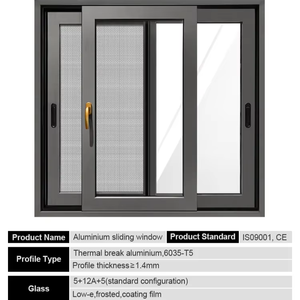
Wholesale Custom Ventilation Glass Courtyard Window Aluminum Sliding Window System for Sunroom Laminated Safety Glass Window
Get a Quote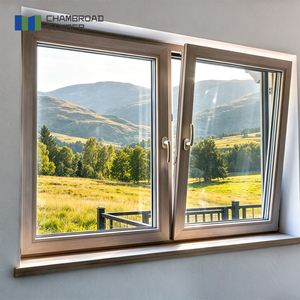
Modern Wood Aluminum Window Casement Fireproof Anti-Theft Double Glazed Insulated Glass CSA Certified for Office
Get a Quote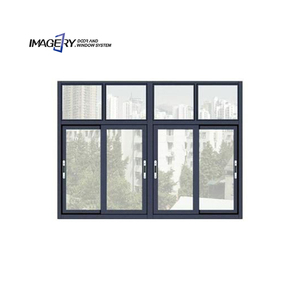
Aluminium windows and Doors Aluminium Double Glass Sliding windows with Mosquito Net Design for Home
Get a Quote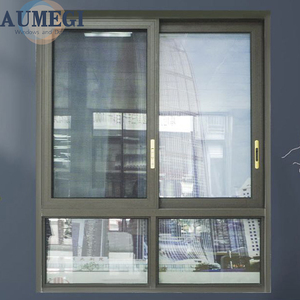
Aumegi Double Glazing Aluminum Glass Sliding Window Green Color Sliding Windows
Get a Quote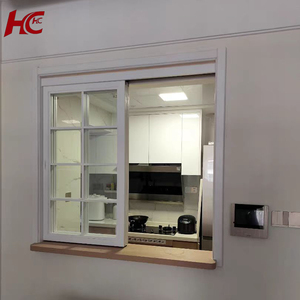
Bullet Proof Glass Aluminum Sliding Window Price in Philippines Market
Get a Quote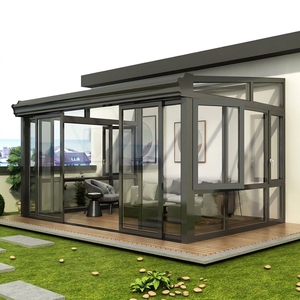
OEM Thermal Insulated 6063-T6 Aluminum Modern Multi-Track Sliding Glass Doors Four Season Eco Friendly Conservatory Luxury
Get a Quote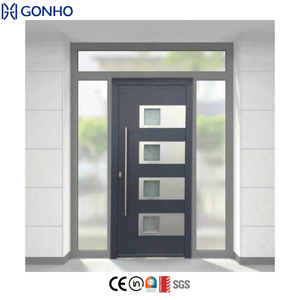
Modern Exterior Front Doors Aluminum Doors Windows Single Double Interior External French Swing Hinged Casement Door Waterproof
Get a Quote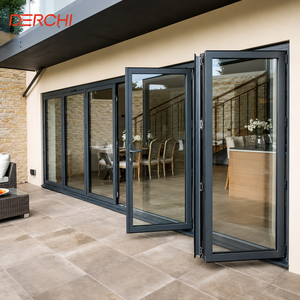
Hurricane Proof Aluminum Exterior Door Balcony Patio Lowe Soundproof Glass Garden Aluminum Bifold Folding Door
Get a QuoteTop 10 Sourcing & Evaluation Criteria for Aluminum & Glass Exporters
When sourcing fenestration products from leading global manufacturing hubs—specifically China’s primary extrusion clusters like Foshan, Guangdong—procurement directors must assess manufacturers through a multi-tiered technical framework. Selecting an OEM/ODM export partner requires verifying metallurgical standards, glass processing technology, structural engineering capabilities, and global logistical reliability.
Metallurgical Alloy Purity & Frame Structural Temper
Tier-1 exporters utilize primary 6063-T6 architectural aluminium extrusions with wall thicknesses exceeding 1.4mm for windows and 2.0mm to 3.0mm for heavy-duty doors. Verify that the extrusion billets contain verified magnesium and silicon ratios without re-melted scrap contaminants to guarantee tensility and corrosion resistance.
Thermal Break Strip Engineering & Polyamide Quality
High-performance energy efficiency relies on structural thermal barriers. Top factories incorporate Technoform PA66-GF25 (25% fiberglass reinforced polyamide) thermal break strips. Avoid inferior PVC thermal strips that degrade under severe solar UV exposure and high thermal movement.
Glazing Assembly & Optical Performance Engineering
Advanced insulated glass units (IGU) feature dual or triple-pane tempered safety glass with argon gas filling (90%+ concentration), warm-edge swisspacers, and double-pass Low-E coatings. Check for compliance with IGCC, SGCC, or EN 1279 standards to prevent hermetic seal failures and glass fogging over time.
Acoustic Dampening & Multi-Cavity Sealing Architecture
Achieving STC ratings above 40 dB requires multi-chamber profile designs combined with continuous, vulcanized EPDM (Ethylene Propylene Diene Monomer) gasket seals. Leading exporters engineer continuous corner-joining gaskets that maintain elasticity under extreme temperatures (-40°C to +80°C).
Surface Coating Durability & Corrosion Resistance
For coastal or high-humidity regions, surface treatment quality determines longevity. Leading factories provide Qualicoat-certified fluorocarbon (PVDF) spray coatings or AkzoNobel powder coats capable of enduring 3,000+ hours in salt spray testing without chalking, blistering, or delaminating.
Hardware Security Engineering & Multi-Point Locking
Fenestration integrity depends directly on operating hardware. Exporters partnering with European hardware leaders (such as Siegenia, Hoppe, Roto, or CMECH) ensure smooth operability over 50,000 continuous cycle tests while delivering RC2/RC3 intruder resistance levels.
Structural Wind-Load & Hurricane Impact Resistance
Projects located in typhoon or hurricane zones require storm-rated systems tested to ASTM E1886/E1996 or AS2047 standards. Look for factories producing heavy-gauge reinforced mullions and SentryGlas (SGP) laminated safety glass interlayers capable of withstanding severe cyclic wind pressures.
Sub-Frame & Concealed Drainage Engineering
Effective water management prevents internal leaks during monsoon rain conditions. Premier exporters engineer hidden pressure-equalized drainage tracks with non-return flap valves that permit rapid water evacuation while blocking wind-driven rain backflow.
Factory Automation & CNC Machining Tolerances
Precision assembly minimizes jobsite fitting issues. Automated 5-axis CNC machining centers perform profile cutting, hinge milling, and lock-slot drilling to tolerances within ±0.5mm, ensuring perfect corner joint alignment and airtight sash seating.
International Certification & Auditability
To clear customs and fulfill local building code submissions (such as North American NFRC/CSA, Australian AS2047/AS1288, or European CE mark), top manufacturers provide full, verifiable factory test reports from accredited third-party laboratories (like Intertek or TUV).
Future Trends in Architectural Glazing Sourcing (2026–2030)
As energy building regulations tighten globally and architectural aesthetics favor maximal daylighting, the window and door export market is experiencing a rapid technological transition. Global buyers must align their multi-year procurement strategies with the following emerging industry shifts:
Ultra-Slim Panoramic Interlocks
Architectural demand is shifting toward minimal-frame sliding systems featuring visible sightlines as narrow as 18mm to 21mm. These systems embed the outer aluminium frame directly into floor-to-ceiling structural reveals, maximizing glass-to-frame ratios without compromising wind-load resistance.
Vacuum Insulated Glass (VIG) Integration
VIG technology replaces conventional argon gas space with a high-vacuum chamber, achieving U-values as low as 0.6 W/m²K in a profile thickness of less than 10mm. This delivers triple-glazed thermal performance within a lightweight double-glazed form factor.
Recycled Aluminium & Low-Carbon Extrusions
With ESG mandates driving commercial real estate, factories are switching to post-consumer recycled aluminium billets smelted using renewable hydro-power. Low-carbon extrusions reduce embodied carbon metrics (CO2e per kg of aluminium) by up to 70% compared to traditional coal-powered smelting.
Smart Dynamic & Motorized Automation
Commercial developments are increasingly integrating motorized multi-track sliding panels linked to building management systems (BMS). Features include automated rain/wind sensors, electrochromic smart-tint glass, and integrated magnetic-levitation silent sliding rollers.
Factory Advantage: Integrated Manufacturing & Direct Global Export
Sourcing direct from our Foshan production hub eliminates intermediary markups while giving developers direct engineering support. Our integrated facility covers every phase of production—from profile design and extrusion machining to custom assembly, double-glazing production, and export packaging.
30,000 m² Production Base
High-capacity automated extrusion lines, precision double-glazing lines, and CNC assembly centers capable of fulfilling large-scale commercial contracts on schedule.
1,500 m² Immersive Exhibition Hall
A comprehensive physical showroom allowing international buyers, architectural specifiers, and project contractors to visually evaluate full-scale system mockups.
20+ Years Sourcing Expertise
Over two decades of specialized foreign trade experience, with system fenestration products successfully exported to over 154 countries and territories worldwide.
Comprehensive Customization
Complete structural adaptation for local building codes, custom anodized or powder-coated RAL finishes, dual-color frames, custom glass stacks, and tailor-made hardware specs.
Procurement, Quality Control & Shipping Workflow
To eliminate damages and guarantee seamless on-site installation, experienced exporters enforce a standardized 5-stage export control protocol:
- Architectural Drawing & Shop Drawing Confirmation: Reviewing structural CAD drawings, floor elevations, opening tolerances, wind-pressure calculations, and glass specification matrices.
- Bespoke Extrusion & CNC Machining: Precision cutting, corner crimping with structural glue injection, corner bracket reinforcement, and drainage routing.
- Pre-Assembly & Quality Control Inspection: Full factory test-fitting of window sash to frame, verifying gasket compression, multi-point lock alignment, and smooth roller operation.
- Heavy-Duty Export Packaging: Application of protective scratch-resistant film, heavy plastic corner caps, bubble-wrap insulating wrap, and fully sealed, fumigated wooden crates or steel A-frame glass racks.
- Container Loading & Logistics Support: Optimized container space planning to maximize volume efficiency while securing crates with high-tensile steel banding to prevent movement during sea transit.
Procurement FAQ: Sourcing Aluminium & Glass Systems Direct
Partner with a Trusted Global Fenestration Exporter
Share your architectural drawings or opening schedules today. Our structural engineering team provides comprehensive technical reviews, CAD shop drawings, and direct factory pricing within 24 hours.