Featured Architectural & Industrial Aluminum Systems
Direct factory-engineered window, door, and overhead entryway systems customized for commercial builders, importers, and global infrastructure projects.
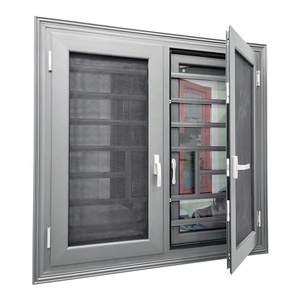
Thermal Break Aluminum Frame Double Glazed Window Casement Windows
Get a Quote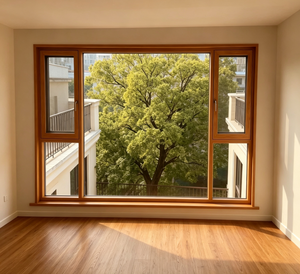
Modern Aluminum Clad Wood Tilt and Turn Swing Open Windows for Green Buildings
Get a Quote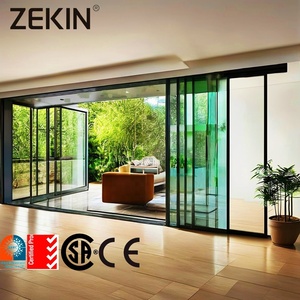
Customized Sliding Door NFRC AS2047 Certification Double Glass Patio Door
Get a Quote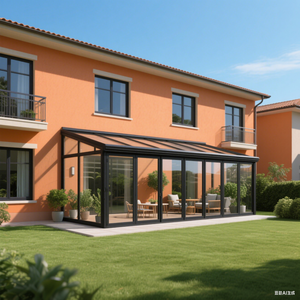
Triple Glazed Aluminium Casement Windows Powder Coated Waterproof Sunroom System
Get a Quote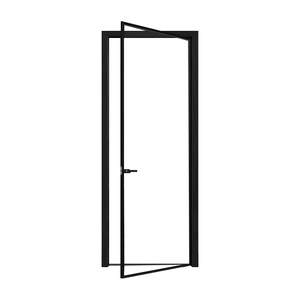
Narrow Frame Interior Partition Glass Door European Aluminum Frost Casement Door
Get a Quote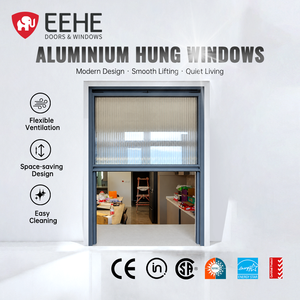
EEHE Vertical Aluminum Sliding Window CE Certified Soundproof Single Hung Window
Get a Quote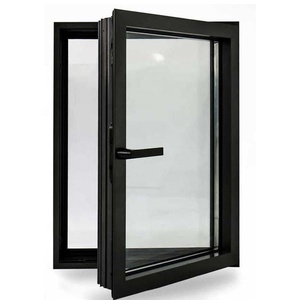
Passive House Energy Rating Super Strength Clear Glass Crank Awning Window
Get a Quote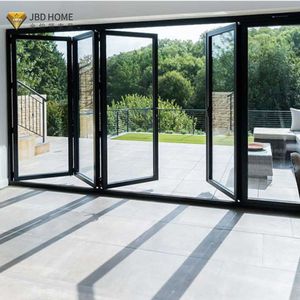
Australia Standard Heavy Duty Aluminum Folding Door Bi-fold Doors Finished Surface
Get a QuoteIndustrial-Grade OEM/ODM Aluminum Overhead Door Sourcing
As modern architectural design and logistics infrastructure demand increasingly higher energy efficiency, wind resistance, and structural longevity, evaluating qualified OEM/ODM Aluminum Overhead Door Manufacturers & Suppliers has become a critical procurement phase for commercial developers, general contractors, and fenestration importers. Overhead aluminum doors—ranging from full-vision panoramic glass sectional overhead doors to heavy-duty insulated thermal break industrial roll-up and sectional systems—serve as vital architectural interfaces balancing security, visual transparency, weather tightness, and operational cycle durability.
Operating from our integrated 30,000 m² manufacturing base in Foshan, Guangdong, China—the global epicenter of architectural aluminum profile extrusion and system hardware development—our company bridges advanced structural engineering with high-capacity OEM/ODM contract production. With over 20 years of dedicated export experience servicing clients across 154+ countries and regions, we manufacture architectural aluminum doors, overhead sectional panels, soundproof tilt-and-turn windows, and heavy-duty sliding systems tailored to strict local building codes (including North American NFRC/ASTM, European CE/EN 12424, and Australian AS2047 standards).
Structural Alloy Precision
We extrude primary 6063-T5 and 6063-T6 architectural grade aluminum alloys, engineered for high tensile strength, structural yield resistance, and long-span overhead section stability.
Thermal Break Integration
Incorporating Polyamide PA66GF25 (25% glass fiber reinforced) thermal barrier strips to achieve thermal U-factors below 1.4 W/m²K, mitigating thermal bridging in extreme climates.
Surface Resilience
Equipped with advanced vertical powder coating lines adhering to AAMA 2604/2605 and Qualicoat Class 2 standards, ensuring superior salt spray, UV, and corrosion resistance.
Engineering Benchmark: Technical Parameters & Material Standards
When specifying OEM aluminum sectional overhead doors or full-vision architectural garage entry systems, raw material selection directly dictates life-cycle performance, thermal efficiency, and cycle durability. The matrix below outlines our engineering benchmarks for B2B contract projects:
| Performance Vector | Technical Specification Standard | OEM/ODM Option Range | Global Testing Compliance |
|---|---|---|---|
| Alloy Composition | EN AW-6063 T5 / T6 High-Purity Primary Billet | Wall thickness 1.8mm – 3.0mm structural frame | GB/T 5237, ASTM B221 |
| Thermal Break System | PA66GF25 Polyamide Structural Insulating Strips | 14.8mm to 34mm thermal barrier depth | ISO 10077-2, NFRC Certified |
| Glazing Options | Double / Triple Tempered Safety Glass, Low-E, Argon | 6mm+12Ar+6mm / Polycarbonate / Acrylic panels | ANSI Z97.1, EN 12150 |
| Wind Load Resistance | Class 4 to Class 5 Structural Load Threshold | Up to 5.0 kPa static pressure reinforcement | ASTM E330, EN 12424 |
| Weather Sealing | Multi-Channel EPDM Synthetic Rubber Gaskets | Dual-durometer perimeter & inter-section seal | ASTM E283 (Air Leakage <0.1 cfm/ft²) |
| Cycle Life Rating | Torsion Springs & Galvanized Steel Track Hardware | 25,000 to 100,000 industrial opening cycles | ANSI/DASMA 102 industrial grade |
Future Sourcing Trends in Aluminum Overhead Doors & Fenestration
The global market for architectural aluminum overhead doors, commercial garage entryways, and thermal break glazed systems is experiencing unprecedented structural shifts driven by updated building energy codes, automated logistics, and aesthetic shifts toward minimalism. Commercial buyers, real estate developers, and international trading houses must align their procurement strategies with four key future trends:
1. Decarbonization & Embodied Carbon Tracking (EPD Sourcing)
Leading commercial buyers across North America and Europe are requiring Environmental Product Declarations (EPDs) for extruded aluminum profiles. The shift toward low-carbon primary aluminum—smelted using renewable hydro-power—reduces embodied carbon in overhead door sections by up to 60%. As an OEM partner, we incorporate recycled post-industrial scrap and low-emission billets, supporting LEED v4.1 and BREEAM building certifications.
2. Ultra-Narrow Sightlines & Full-Vision Panoramic Glazing
Modern commercial automotive showrooms, luxury residential garages, and hospitality venues increasingly demand full-vision aluminum overhead doors featuring minimal frame sightlines (<40mm visible interlock width) coupled with high-transmittance, dynamic electrochromic or low-iron double-glazed panels. Engineering ultra-narrow profiles that satisfy stringent wind-load deflection limits (L/175 under ASTM E330) represents a core OEM development priority.
3. Smart IoT Integration & Building Management Systems (BMS)
Overhead door systems are no longer isolated mechanical assets. Next-generation industrial and commercial overhead doors feature integrated IoT sensors, variable-frequency drives (VFD), automated maintenance diagnostics, and real-time operational feedback synced to centralized BMS via Modbus or KNX protocols. This intelligence minimizes downtime and optimizes HVAC energy preservation in climate-controlled warehouse environments.
4. Extreme Weather & Hurricane-Impact Resilience Ratings
With coastal urbanization and unpredictable climate patterns, procurement specifications for overhead doors in regions like Florida, the Caribbean, and Southeast Asia increasingly enforce Large Missile Impact (TAS 201/203) and high cyclic wind pressure standards. OEM suppliers must engineer reinforced internal steel stiffeners within hollow aluminum extrusion cavities to absorb dynamic impacts without section separation.
Product Development Trends in OEM/ODM Overhead Door Manufacturing
To stay competitive in the high-end architectural fenestration sector, R&D engineering teams are advancing structural, acoustic, and thermal performance across several key innovation vectors:
Self-Healing Nanocoatings
Application of advanced fluorocarbon nanocoatings that automatically seal micro-scratches caused by airborne sand, grit, or mechanical friction, significantly extending surface aesthetic lifespan in harsh marine environments.
Acoustic Composite Infills
Integrating high-density polyurethane (PU) or aerogel acoustic cores within insulated aluminum sectional panels to deliver Sound Transmission Class (STC) ratings exceeding 42 dB for noisy urban and industrial zones.
Modular Quick-Assembly Hardware
Redesigning track installation geometries and pre-punched mounting hinges to reduce field installation labor times by 35%, lowering total installed cost for general contractors on large-scale site developments.
Why Partner with Our Foshan Production Hub?
Selecting the right OEM/ODM manufacturer requires evaluating factory infrastructure, quality control systems, customization flexibility, and international logistics execution. Our enterprise strengths provide clear competitive advantages for B2B buyers:
1. Comprehensive In-House Production Vertical: From raw aluminum billet casting, precision profile extrusion dies, thermal break strip insertion, and automated powder coating/anodizing to final panel assembly and hardware testing, every manufacturing step is conducted under strict ISO 9001 quality oversight across our 30,000 m² factory floor.
2. 1,500 m² Immersive Showroom & Design Center: B2B importers, architects, and project engineering leads are welcomed to inspect our immersive exhibit hall in Foshan, featuring full-scale working models of thermal break overhead doors, ultra-slim sliding doors, bifold systems, and specialized window fenestrations.
3. Deep Technical Customization (ODM Engineering): We translate architectural CAD/BIM drawings into customized aluminum extrusion profiles, custom glass configurations (Low-E, soundproof acoustic laminated, tinted, double/triple glazed), specialized hardware branding, and custom packaging tailored for local distribution.
4. Export Packaging & Global Logistics Reliability: Export products undergo rigorous multi-layer protective packaging, including scratch-resistant protective film, heavy-duty EPE corner buffers, and fully sealed fumigation-free plywood crates, ensuring zero transit damage across long ocean container voyages.
Frequently Asked Questions for Global Procurement
For standard architectural profiles and stocked powder coating finishes, our production lead time is 20 to 25 business days following shop drawing approval. For fully custom profile extrusions requiring custom mold dies, initial sample die production requires 12-15 days, with mass production completed within 30 days post-sample verification.
Our engineering division calculates structural wind load resistance based on localized design wind speeds (ASCE 7-22 or EN 1991-1-4) and adjusts wall thickness, hinge steel gauge, and glass safety factors accordingly. Third-party testing documentation (NFRC, CE, AS2047) can be provided for project submittals.
Yes. Full-vision sectional overhead doors can be configured with ultra-clear low-iron double glazing, solar heat control Low-E coatings, frosted privacy glass, or shatterproof UV-resistant polycarbonate panels depending on project application.
For seaside or high-corrosion industrial environments, we recommend PVDF (Fluorocarbon 3-coat) coatings meeting AAMA 2605 specifications or 25-micron anodized finishes capable of enduring 3,000+ hours of continuous salt spray testing without degradation.
Products are wrapped in protective polyethylene scratch film, reinforced with high-density foam edge guards, bound with structural strapping, and loaded into fully enclosed, reinforced plywood crates designed for fork-lift handling and zero-movement container stowage.
Partner with a Leading Foshan Aluminum Door & Window Manufacturer
Looking for verified factory-direct pricing, custom CAD shop drawings, or technical consultation for your upcoming architectural or commercial overhead door project?
Get a Quote