Featured OEM/ODM Aluminium Window & Door Solutions
Factory-direct thermal break systems, hurricane-rated sliding sashes, and specialized outbuilding windows manufactured to international architectural standards.

GELLJA Waterproof Aluminum Interior Door Blue Tinted Glass Geometric Pattern Thermal Break CE for European Home
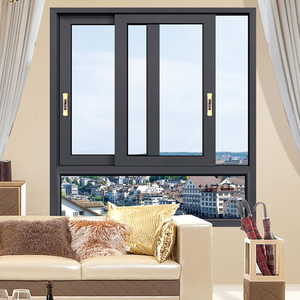
Lukliving Aluminum Sliding Window Bay Single Pane Horizontal Sliding Window
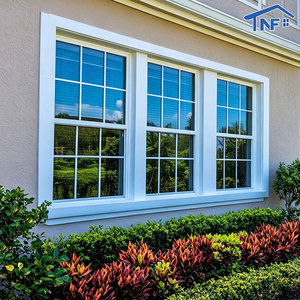
NFRC Energy Saving Thermal Break Aluminum Vertical Sliding Window Soundproof Double Single Hung Windows For Houses Kitchen
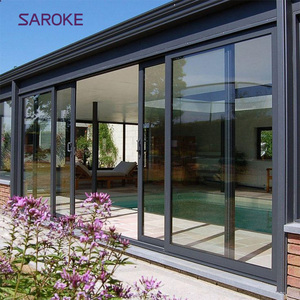
4 Panel Center Opening Europe Exterior Aluminium Sliding Patio Doors With Screen
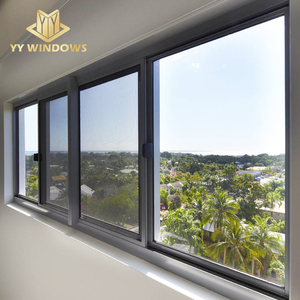
Double Glazed Aluminum Sliding Window Aluminium windows and Doors
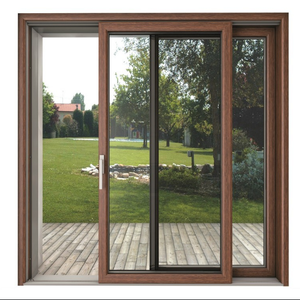
Prices Casement Sliding Alloy Doors and windows and Sliding Doors Aluminum Profile for windows
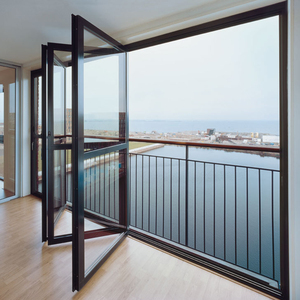
Hot Sale American NFRC Standard Aluminum Interior Patio Folding Bifold Doors
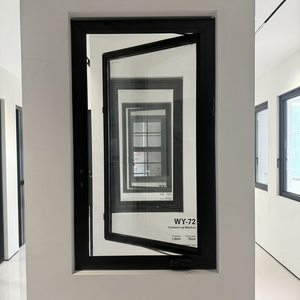
DERCHI Customized Durable French Modern Design Noise Reduction Apartment Window Wall Insulation Hurricane Window Aluminum Frame
State of the Industry: OEM/ODM Aluminium Shed Windows Fenestration
In modern architectural fenestration, the specification of aluminium shed windows has evolved far beyond basic daylighting units for secondary structures. Driven by the global expansion of modular off-site construction, backyard office studios, high-end residential storage sheds, and industrial outbuildings, commercial importers and distributors require high-performance, weather-resistant, and thermally isolated fenestration systems. As a leading manufacturer based in Foshan, China, Vexis Windows & Doors Co., Ltd. provides comprehensive OEM and ODM manufacturing capabilities designed to meet the rigorous structural and thermal demands of international building codes.
Architectural aluminum alloys such as 6063-T5 and 6063-T6 form the backbone of structural frame durability. Unlike low-grade extruded alloys or PVC alternatives that degrade under high ultraviolet radiation, precision-extruded aluminum profiles maintain structural integrity across decades of environmental exposure. When engineered with integrated thermal breaks—utilizing PA66 GF25 (25% glass fiber reinforced polyamide) insulation strips—aluminium shed windows prevent thermal bridging, lower overall U-factors, and mitigate internal surface condensation in climatically demanding regions across North America, Europe, and Australia.
Corporate Engineering Capabilities & Factory Infrastructure
Vexis Windows operates a state-of-the-art 30,000 m² automated manufacturing facility located in Lishui Town, Foshan—the epicenter of global aluminum extrusion and hardware manufacturing. Our enterprise infrastructure integrates raw extrusion material preparation, high-precision CNC machining, multi-stage surface treatment lines, automated insulated glass unit (IGU) assembly, and rigorous quality control testing compliant with ISO9001, CE (EN14351-1), NFRC, and AS2047 standards.
Custom Tooling & Die Design
In-house CAD/BIM tooling engineering allows custom profile extrusions tailored to specific wall thicknesses (1.2mm to 2.0mm) and unique architectural mullions.
AAMA-Grade Surface Coating
Equipped with fluorocarbon (PVDF) and architectural powder-coating lines exceeding AAMA 2604/2605 specs to resist salt-spray corrosion and UV fading.
Rigorous Structural QC
Every production batch undergoes air infiltration (ASTM E283), water resistance (ASTM E331), and uniform structural load (ASTM E330) verification.
Future Procurement Trends: Global B2B Sourcing Paradigm Shift
As international energy performance mandates tighten, the wholesale procurement of shed windows and specialized outbuilding doors is undergoing a structural transformation. Distributors, factory-built home builders, and commercial building material importers must navigate several key shifts over the coming decade:
Key Procurement Vectors Shaping 2025–2030
- Integration of Low-E and Solar Control Glazing: Outbuildings are increasingly repurposed as home offices, gymnasiums, and living spaces. Importers are replacing single-pane glass with double-pane Low-E insulated glass units (IGU) filled with 90% argon gas to achieve Solar Heat Gain Coefficients (SHGC) under 0.25.
- Prefabricated Off-Site Assembly Alignment: OEM buyers require pre-hung windows with integrated mounting flanges (nailing fins) to accelerate assembly times inside modular factory settings.
- Carbon Accounting & Recycled Content (CBAM Readiness): European and North American buyers prioritize manufacturers utilizing low-carbon primary aluminum billets alongside recycled scrap alloys to satisfy scope-3 emissions reporting and Carbon Border Adjustment Mechanism requirements.
- High Design-Flexibility & Slim Sightlines: Ultra-slim sightline aluminum frames with hidden drainage sub-sills are taking market share from bulky vinyl sashes, offering panoramic exterior views without compromising structural Design Pressure (DP) ratings.
Technological & Manufacturing Innovations in Shed Windows
Engineering advancements in aluminum window manufacturing have bridged the performance gap between residential master-structure fenestration and utility outbuilding openings. Key technological trends pioneered by OEM export manufacturers include:
Polyamide Thermal Barriers
Transitioning from mechanically crimped poured-and-debridge polyurethane to high-tensile PA66 GF25 polyamide strips, significantly enhancing structural shear resistance and thermal performance.
Impact-Resistant Laminates
Integrating SentryGlas® and PVB laminated interlayers into aluminum shed sashes for windborne debris protection in high-velocity hurricane zones (HVHZ).
EPDM Triple Sealing Gaskets
Replacing low-cost brush pile seals with continuous, Vulcanized EPDM rubber gaskets, eliminating air infiltration and preventing water entry under heavy wind load pressures.
B2B Procurement FAQs for Buyers & Importers
To assist international building materials buyers, project contractors, and OEM partners during vendor evaluation, our export engineering team has detailed answers to key operational and technical questions:
What custom OEM/ODM parameters can Vexis adjust for shed windows?
We offer complete customization of profile dimensions, frame wall thickness (1.2mm - 2.0mm), thermal break insulation width, frame color finishes (RAL colors, powder coat, anodized, wood grain transfer), glass assembly (single, double, low-E, toughened, laminated, tinted), insect screen integration, and hardware branding.
How does Vexis ensure compliance with destination country building codes?
Our engineering team designs window profiles to meet target local standards, including NFRC/AAMA for North America, CE (EN14351-1) for the European Union, and AS2047/AS1288 for Australia. Test reports for wind pressure, water penetration, and thermal performance are provided for project submission.
What are the standard lead times and Minimum Order Quantities (MOQs)?
For standard extrusion profiles, the MOQ is 50 units per design. Custom extrusion tooling requires approximately 10 to 15 days for die creation, followed by 20 to 25 days for mass production. Full container loads (20GP / 40HQ) are optimized for secure transit packaging.
What export packaging protocols are used to prevent shipping damage?
We employ a multi-layer protective packaging system: blue protective film on aluminum profiles, corner guards, polyethylene foam wrapping, fully sealed fumigated plywood crates, and steel strap container reinforcement to guarantee zero damage during ocean transit.
Partner with a Trusted OEM/ODM Aluminium Window Manufacturer
Contact our Foshan engineering desk today to submit architectural drawings, request product catalog specifications, or receive a fast factory-direct price quotation.