Featured Aluminium Door & Window Systems
Factory-direct OEM/ODM solutions customized to precise project drawings, local thermal standards, and hurricane/security specifications.
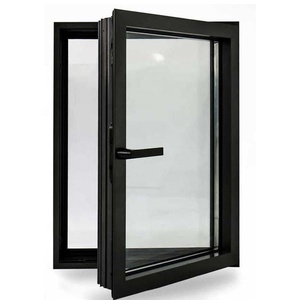
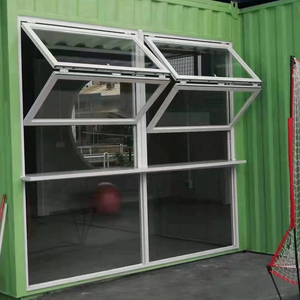
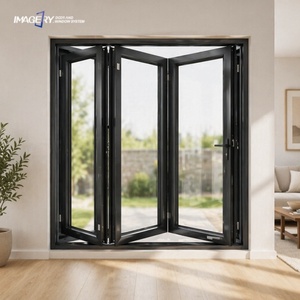
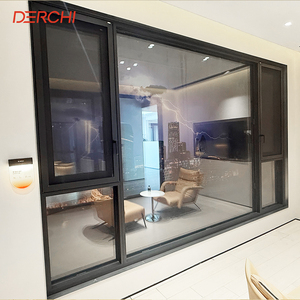
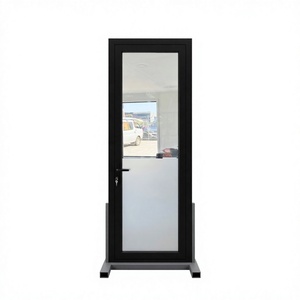
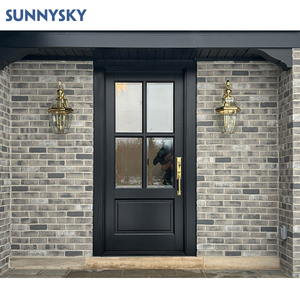
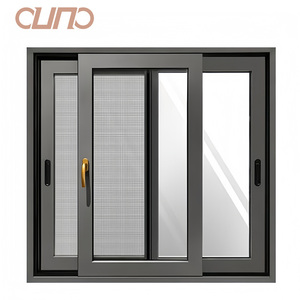
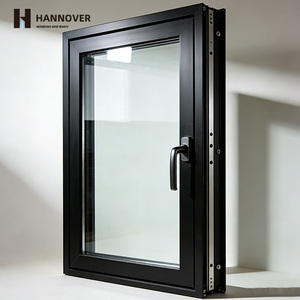
Why Source OEM/ODM Mosquito Mesh Doors From Vexis
Headquartered in Foshan, China—the global hub of architectural aluminum—Vexis Windows integrates advanced extrusion engineering, automated powder coating, and rigorous quality control for Tier-1 global exporters and developers.
Marine-Grade Security Mesh Integration
We combine high-tensile 304 and 316 marine-grade stainless steel woven mesh (0.7mm–0.9mm wire diameter) with heavy-duty aluminum extrusions to deliver insect protection alongside forced-entry protection.
Bespoke OEM/ODM Customization
From custom profile die development to specialized hardware colors and custom glass units (double-glazed, thermal break, laminated), our technical division builds directly to your architectural specifications.
Certified Global Compliance
Engineered to satisfy demanding regional standards across North America, Europe, Australia, and the Middle East, including hurricane wind-load ratings, thermal energy codes (U-Factor/SHGC), and BAL bushfire mesh compliance.
Architectural Specification Guide: OEM/ODM Aluminium Mosquito Mesh Door Procurement
In contemporary commercial and high-end residential architecture, the humble mosquito screen door has evolved into a sophisticated building envelope system. Modern architectural trends emphasize seamless indoor-outdoor living, thermal efficiency, security enhancement, and acoustic isolation without sacrificing natural daylighting or ventilation. For international importers, property developers, and wholesale distributors, sourcing from an established OEM/ODM aluminium mosquito mesh door exporter requires an in-depth understanding of material engineering, surface treatments, hardware integration, and global building code compliance.
Vexis Windows operates at the intersection of precision Chinese extrusion manufacturing and stringent international architectural engineering standards. Operating out of a state-of-the-art 30,000 square meter production facility in Foshan, China, Vexis designs and manufactures advanced aluminum system doors and windows featuring integrated stainless steel mesh, thermal break profiles, multi-point anti-theft locks, and energy-efficient double glazing.
Material Science & Engineering Breakdown of Premium Screen Doors
To successfully specify aluminum mosquito mesh doors for multi-family residential towers, commercial resorts, or luxury villas, procurement officers must evaluate three key architectural elements: profile alloy composition, structural thermal break integration, and mesh wire metallurgy.
1. Aluminum Alloy Profile (6063-T5 / T6 Extrusion)
The core framework of any heavy-duty sliding, casement, or bi-folding screen door relies on aluminum profile geometry and mechanical temper. Vexis utilizes prime-grade 6063-T5 and 6063-T6 aluminum alloys. 6063 alloy provides exceptional surface finish capability for architectural powder coating and anodizing, while offering superior tensile strength (Yield Strength ≥ 170 MPa) to resist wind load forces and structural deflection.
| Property Parameter | 6063-T5 Standard Grade | 6063-T6 Structural High-Load Grade | Architectural Procurement Benefit |
|---|---|---|---|
| Tensile Strength (MPa) | ≥ 185 MPa | ≥ 240 MPa | High resistance to warping under extreme thermal swings and wind load. |
| Yield Strength (MPa) | ≥ 145 MPa | ≥ 200 MPa | Prevents structural frame sagging on oversized door leaves (up to 3.5m height). |
| Profile Wall Thickness | 1.4mm - 2.0mm | 2.0mm - 3.0mm Heavy-Duty | Supports multi-point mortise lock installation and heavy triple-glazed or security mesh panels. |
| Surface Finishing | AkzoNobel / PPG Powder Coating (60-80μm thickness) | 15-20 year weatherability, anti-corrosion, UV fade resistance. | |
2. Mesh Metallurgy: Stainless Steel 304 vs. 316 vs. Fiberglass
Choosing the correct mesh material directly impacts product durability, security, and insect filtration efficiency. While traditional lightweight mosquito doors utilize PVC-coated fiberglass mesh, modern security mesh doors specified for export markets utilize heavy-gauge woven stainless steel wire.
- 304 Grade Stainless Steel Security Mesh (0.8mm Wire / 11 Mesh): The international benchmark for residential security and mosquito control. The 0.8mm wire thickness combined with an 11-mesh weave creates an impenetrable barrier that resists knife shearing, impact, and force entry while keeping out microscopic insects.
- 316 Marine-Grade Stainless Steel Mesh: Engineered specifically for coastal real estate development, island projects, and high-salinity environments. Enhanced with 2-3% Molybdenum, 316 mesh resists pitting corrosion, salt spray degradation, and atmospheric oxidation. Passed over 1,000 hours of neutral salt spray testing (NSS).
- High-Transmittance Invisible Mesh (0.2mm Wire / 18-20 Mesh): Designed for ultra-clear visibility and extreme insect filtration (no-see-ums, gnats, mosquitoes). Ideal for upper-floor high-rise apartments where fall-prevention and extreme insect exclusion take priority over forced-entry security.
Future Global Procurement Trends for Aluminium Mesh Doors
As the international construction industry transitions toward net-zero building standards and resilient architectural envelopes, global buyers are shifting their procurement strategies. Importers and wholesalers working with an OEM/ODM aluminum exporter must align with these four major trends:
1. Thermal Break Integration in Screen Doors
Historically, screen doors were uninsulated single-wall profiles. Today's strict energy performance codes (such as ASHRAE 90.1 in North America, Title 24 in California, and AS2047 / NCC in Australia) demand low U-values across the entire door opening. Leading OEM/ODM manufacturers like Vexis now integrate continuous Polyamide (PA66GF25) thermal break strips within both the glass panel frame and the adjoining mosquito screen frame. This thermal barrier prevents heat transfer via aluminum conduction, drastically lowering HVAC energy consumption in tropical or cold climates alike.
2. Biophilic Design & Flush Threshold Minimalist Profiles
Modern luxury architecture demands minimal sightlines and seamless indoor-outdoor transitions. Ultra-slim profile sliding screen doors featuring 18mm-25mm visible interlocks and zero-step flush bottom tracks are experiencing surge demand. Flush drainage tracks eliminate tripping hazards for aged care facilities and modern villas while maintaining water tightness through hidden sub-frame drainage channels.
3. Dual-Functionality: Security Mesh + Hurricane/Bushfire (BAL) Protection
Extreme weather events have driven code updates across Oceania and the Americas. Australia requires Bushfire Attack Level (BAL) compliant screen mesh (BAL-40 and BAL-FZ) to protect structures against flying embers. Simultaneously, Caribbean and Florida coastlines mandate impact-rated laminated glass combined with heavy security mesh panels to withstand cyclic wind pressures and airborne debris. OEM/ODM customization allows exporters to engineer specialized extrusions that satisfy these dual-certification criteria.
4. Smart Motorization & Retractable Mesh Automation
Large-span bi-folding and multi-track sliding patio doors (up to 12 meters wide) are increasingly specified with motorized retractable mesh screens. Integrated with smart home systems (Zigbee/Matter/RS485), these screen systems automatically deploy at dusk to restrict pest entry and retract during peak daylight for uninhibited views.
Technological & Industrial Development Trends in Manufacturing
The manufacturing landscape for export-oriented window and door factories in Foshan, China has undergone a massive technological shift. The market is moving rapidly away from manually assembled component parts toward fully integrated industrial systems.
CNC Precision & Automated Corner Crimping
Structural integrity depends on corner assembly. Vexis utilizes 5-axis automated CNC machining centers for milling hardware lock pockets, drain holes, and corner assembly slots. Heavy corner brackets joined with two-component polyurethane corner adhesive ensure airtight structural corner strength, eliminating air leaks and frame twisting.
Advanced Electrostatic Fluorocarbon Spraying
For demanding commercial projects, standard powder coatings are replaced by PVDF (Fluorocarbon) liquid coatings. Applied in controlled clean-room spray booths, PVDF finishes deliver unmatched UV resistance, chemical resistance, and color retention in harsh desert or tropical sea air conditions.
Detailed Step-by-Step OEM/ODM Export Workflow
Partnering with Vexis Windows as your dedicated OEM/ODM exporter guarantees a structured, zero-risk manufacturing and logistics process designed for international trade peace of mind:
- Architectural Drawing Analysis & Consultation: You provide architectural floor plans, CAD elevations, or shop drawings. Our structural engineers review opening sizes, structural wind pressures, and regional building code requirements.
- System Selection & 3D Engineering Approval: We recommend suitable extrusion series (e.g., 55mm, 70mm, 120mm thermal break series), glass build-up, and stainless steel mesh grade. We issue detailed CAD shop drawings for sign-off.
- Custom Die Tooling (For OEM Orders): If custom extrusion profiles are specified, our in-house mold shop cuts custom steel extrusion dies within 15–20 days.
- Extrusion, Thermal Crimping & Surface Finishing: Billet aluminum is extruded, aged to T5/T6 temper, joined with PA66GF25 thermal strips, and finished in your choice of RAL colors, wood-grain heat transfer, or anodizing.
- Precision CNC Fabrication & Mesh Tensioning: Profiles are cut, machined, and assembled. Security stainless steel mesh is clamped using mechanical tensioning systems and concealed wedge gaskets to guarantee a drum-tight screen.
- Rigorous Pre-Shipment Quality Control: 100% pre-assembly in factory. Every door leaf undergoes air tightness, water penetration, locking mechanism operation, and finish thickness testing.
- Export-Grade Protective Packaging: Wrapped in blue protective film, edge-protected with high-density EVA foam, and sealed inside fully enclosed fumigated plywood crates suitable for ocean container freight.
Frequently Asked Questions (FAQ)
Essential insights for overseas buyers, project contractors, importers, and architectural specifiers sourcing from China.
What types of aluminum mosquito mesh doors does Vexis manufacture? ↓
What is the difference between standard mosquito mesh and stainless steel security mesh? ↓
Can Vexis customize profile colors, sizes, and architectural hardware? ↓
How do Vexis products comply with international building codes and test standards? ↓
What is the minimum order quantity (MOQ) and production lead time? ↓
How are aluminum mesh doors packaged to prevent damage during sea shipment? ↓
Can I visit your production facility and exhibition hall in Foshan? ↓
Partner With China's Premier Aluminium Door & Screen Exporter
Send us your project architectural drawings, door schedules, or OEM specifications today. Our engineering team will return custom CAD drawings and a detailed competitive estimate within 24 hours.
Inquire Now