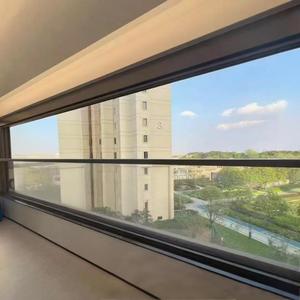
Factory-Direct Portfolio
Precision-Engineered Aluminum Door & Window Systems
Explore our benchmarked OEM production lines tested under rigorous international building standards (AS2047, NFRC, CE, CSA).
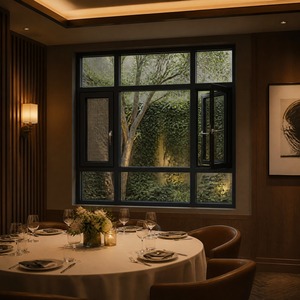
HUACAI French Casement Window And Door Factory Wholesale Set Aluminum Casement Window for Garden House
Get Catalog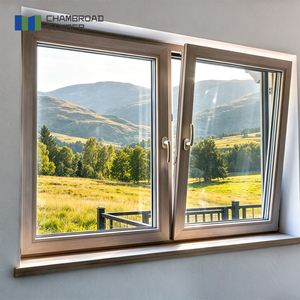
Modern Wood Aluminum Window Casement Fireproof Anti-Theft Double Glazed Insulated Glass CSA Certified for Office
Get Catalog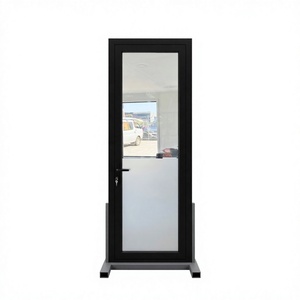
Modern Black Aluminum Tempered Glass Casement Door with Stainless Steel Screen Finished Surface For Kitchen & Hotel Use
Get Catalog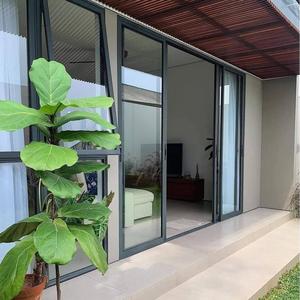
Wholesale Price Modern Aluminum Sliding Door Double Glass Customized Hurricane Impact Heat Insulation Waterproof Kitchen
Get Catalog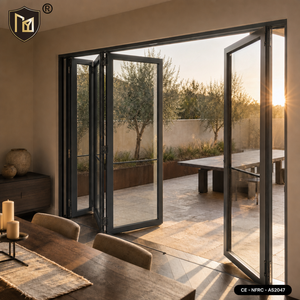
JUNYAO Factory Smooth Glide Roller Track Concertina Fold Aluminium Accordion Doors NFRC CE AS2047 Hotel Residential Villa
Get Catalog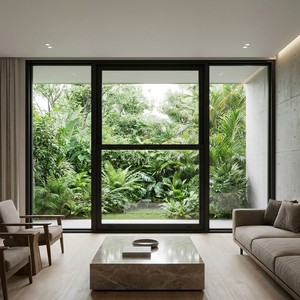
BOCHARM Minimalist Motorized Aluminum Alloy Soundproof Vertical Sliding Window for Modern Villa & Garden View
Get Catalog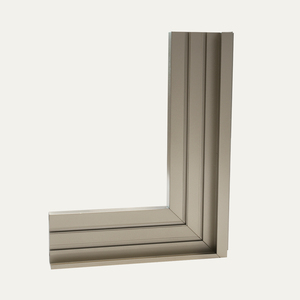
Elegant And Adaptable Design Italy Brand Excellent Durability Aluminum Frame House Windows
Get Catalog
Factory Competence & E-E-A-T Showcase
Direct Manufacturer Infrastructure & Technical Authority
Operating from Foshan, Guangdong—the global epicenter of architectural aluminum—Vexis Windows & Doors Co., Ltd. integrates R&D, precision extrusion processing, surface treatment, and global logistical fulfillment.
30,000m²
Production Base
154+
Countries Supplied
20+
Years OEM Experience
1,500m²
Immersive Showroom
Customization Engineering
Bespoke Architectural Adaptation
Every project presents distinct structural loads and thermal demands. Our engineering department develops customized aluminum extrusion dies, structural wall thicknesses (1.4mm to 3.0mm), and tailor-made glazing pockets to strictly line up with architectural CAD/BIM specifications.
Quality Governance
Stringent QC & Testing Protocol
From raw 6063-T5/T6 primary aluminum billet inspection to zero-leakage corner-crimping verifications, each sash and frame undergoes multi-stage quality control. Acoustic insulation (STC ratings), air infiltration, and water penetration tests are conducted prior to container loading.
Surface Engineering
Advanced Exterior Finishes
To resist harsh marine salt spray, UV degradation, and thermal expansion, we apply AkzoNobel powder coatings, PPG PVDF fluorocarbon coatings, hard anodizing (AAMA 611 standard), and Italian heat-transfer wood-grain finishes backed by up to 25-year finish warranties.
Technical Benchmark Matrix for Custom OEM Sourcing
Engineered to pass North American, European, and Australian structural code evaluations.
Thermal Transmittance (U-Value)
Achieving U-values as low as 0.8 to 1.4 W/m²K using Technoform PA66-GF25 poly-amide thermal break bars paired with argon-filled triple Low-E glazing units.
Acoustic Isolation (STC / Rw)
Acoustic attenuation up to 45 dB utilizing multi-chamber profile designs, PVB laminated acoustic glass, and continuous EPDM weather-stripping gaskets.
Hurricane & Wind Pressure Resistance
Design pressures up to ±5000 Pa (equivalent to Category 5 hurricane resistance) with heavy-duty structural corner keys and stainless steel multi-point locking gear.
Technology Evolution
Architectural Aluminum Door Industry Innovations
The shift toward high-performance building envelopes requires OEM factories to innovate across structural thermal breaks, minimalist sightlines, and smart motorization.
Thermal Engineering
Multi-Cavity PA66 Structural Isolation
Traditional single-strip aluminum profiles fail modern stringent net-zero carbon building codes. Modern OEM manufacturing incorporates multi-cavity poly-amide (PA66-GF25) thermal barriers filled with high-density polyurethane (PU) insulation foam. This dramatically halts conductive heat transfers, preventing interior condensation while slashing HVAC energy loads by over 35% in high-rise and villa applications.
Minimalist Aesthetics
Narrow Sightline & Concealed Frame Systems
Architectural demand has shifted decisively toward ultra-slim, narrow-edge sliding and casement profiles (interlock sightlines under 20mm). Achieving such extreme daylight ratios requires advanced high-tensile 6063-T6 aluminum alloys and structural silicon bonding (IGU-to-frame) to ensure deflection resistance without sacrificing panoramic outdoor vistas.
Building Automation
Smart Motorization & Vertical Sliding Mechanics
Automation is no longer an luxury optional add-on—it is a core procurement requirement for high-end residential and commercial facades. OEM suppliers are integrating silent brushless motor drives, wind/rain smart sensors, smart-home IoT connectivity (Zigbee/Matter), and heavy-load counterweight pulley mechanics for effortless vertical guillotine lifting and horizontal sliding operation.
Security & Hardware
Multi-Point Anti-Intrusion Hardware Integration
System integrity is heavily dependent on hardware hardware performance. Modern OEM specifications mandate multi-point gearboxes constructed from grade 304 or 316 stainless steel, heavy-duty concealed hinges rated for 300kg+ sash weights, and anti-lift locking pins engineered to withstand violent forced entry and severe wind loads.
Glazing Technology
Vacuum & Smart Electrochromic Glass Synergy
Beyond standard double-pane tempered glass, thermal break aluminum frames are now retrofitted with advanced Vacuum Insulated Glass (VIG) and PDLC switchable privacy glass. VIG offers thermal insulation equivalent to solid brick walls at a fraction of the thickness, representing the pinnacle of building envelope thermal engineering.
Safety Standards
Impact-Resistant Laminated Glass Configurations
For coastal typhoon zones and high-security installations, OEM door production utilizes interlayers such as SentryGlas® (SGP) and high-impact PVB. When combined with reinforced aluminum extrusions, these assemblies withstand flying hurricane debris and high-velocity projectile impacts without structural envelope breach.
Procurement Intelligence
Future Procurement Trends for Global B2B Buyers (2026–2030)
Navigating international real estate developments, import regulations, and supply chain dynamics requires strategic alignment with factory-direct OEM partners.
DFM & Early CAD Co-Engineering
B2B buyers are moving away from purchasing off-the-shelf stock units. Future procurement mandates early Design for Manufacturing (DFM) collaboration where factory engineers refine profile geometry, thermal breaks, and drainage slots directly within the client’s architectural CAD/BIM model before extrusion tooling begins.
Low-Carbon & EPD Compliance
With carbon border taxes (such as EU CBAM) taking effect globally, commercial developers prioritize OEM suppliers utilizing low-carbon recycled aluminum billets smelted with renewable hydropower. Environmental Product Declarations (EPD) are becoming mandatory for winning institutional building tenders.
Container Freight & Knock-Down Optimization
Logistics freight rates remain a major cost driver. Advanced OEM suppliers engineer Knock-Down (KD) modular framing systems and custom steel-stillages that increase container loading volume by up to 40%, drastically reducing freight-per-unit costs for overseas distributors.
Comprehensive Code Pre-Certification
Custom clearance and site inspections require total regulatory compliance. Leading Chinese OEM factories now provide pre-certified product series evaluated for NFRC thermal ratings in North America, AS2047 structural/water compliance in Australia, and CE marking across Europe.
Buyer Knowledge Base
Frequently Asked Questions for OEM Procurement
Direct answers from our export engineering department addressing structural customization, lead times, quality assurance, and international shipping.
What defines Vexis as a direct OEM/ODM factory versus a trading company? +
Vexis Windows & Doors Co., Ltd. operates a dedicated 30,000 m² manufacturing facility in Lishui Town, Foshan, Guangdong. Unlike trading intermediaries, we own precision aluminum extrusion machining centers, double-head CNC cutting saws, corner-punching equipment, and automated glass insulating lines. Buying factory-direct ensures direct engineering collaboration, strict quality control oversight, transparent pricing without middleman markups, and dedicated post-sale warranty support.
Can you manufacture custom aluminum door profiles according to architectural CAD drawings? +
Yes. Custom OEM manufacturing is our core expertise. We can extrude custom profile geometry, manufacture bespoke structural mullions, modify frame depths (e.g., 60mm to 200mm system depths), and adapt glass pocket widths to accommodate specified double or triple glass units. Our technical team prepares detailed shop drawings for engineering sign-off prior to tooling and sample extrusion.
How do your aluminum window and door systems comply with local climate conditions? +
We engineer our profile structures specifically for destination market climates. For cold northern zones (e.g., Canada, Northern Europe), we specify multi-cavity Technoform PA66-GF25 thermal breaks with triple Low-E Argon glass to minimize heat loss. For tropical typhoon zones (e.g., Philippines, Florida), we utilize thick-walled 6063-T6 aluminum alloys, heavy-duty corner keys, and multi-point locking mechanisms tested to withstand extreme wind pressures and torrential rain infiltration.
What are the standard lead times for custom production and export packaging? +
Standard OEM production lead time is typically 25 to 35 days from shop drawing approval and deposit confirmation. For custom extrusion die creation, add approximately 10 to 14 days for die fabrication and sample testing. All finished goods are wrapped in protective PE film, fitted with impact-absorbing corner protectors, and packed into fully enclosed fumigated plywood crates or rigid steel stillages to prevent transit damage during ocean shipping.
What hardware brands and surface finish options can B2B buyers specify? +
We partner with top-tier international and domestic hardware suppliers, including Siegenia, Hoppe, Roto, CMECH, and Kin Long. Available surface finishes include architectural powder coating (RAL color matching), anodizing (silver, bronze, champagne, black), PVDF fluorocarbon coating for harsh marine environments, and realistic wood-grain heat transfer finishes.
What information should we provide to receive a comprehensive engineering quote? +
To generate an accurate factory quotation, please provide your project window/door schedule or architectural drawings showing overall opening dimensions, quantities, opening types (casement, sliding, bifold, tilt-turn), preferred frame finish/color, glass specification (double/triple tempered, Low-E, acoustic laminated), and the target port of destination for freight estimation.
Partner with a Trusted OEM Aluminum Door Manufacturer
Whether you are an architectural importer, commercial developer, or project contractor, our export engineering team is ready to review your project drawings and provide competitive factory-direct pricing.
Get Catalog