Engineered Aluminum & Wood-Clad Systems
Custom-fabricated thermal break doors, sliding portals, bi-fold arrays, and architectural windows for global commercial and luxury residential procurement.
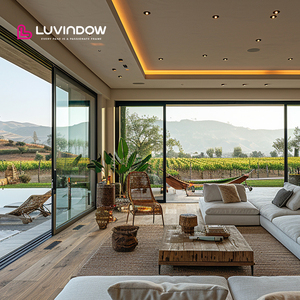
Heavy-Duty Commercial & Residential Modern Energy Efficient Large Patio Sliding Aluminum Glass Doors and Windows
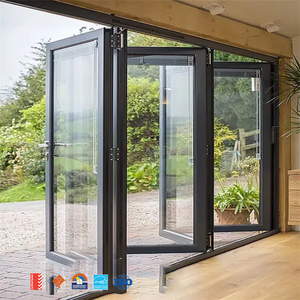
AMJ Heavy Duty Coastal Glass Commercial Aluminum windows and Doors Patio Folding Glass Door Double Glazed Glass Bifold Doors
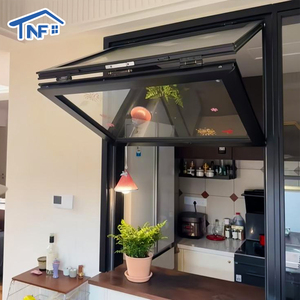
Modern Home Aluminium Tempered Glass Bi-Folding Windows Horizontal Local Window With Aluminum Alloy Frame Bifold Window Design
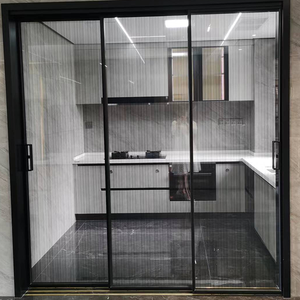
3 Panel Portable Linkage Aluminium Glass Kitchen Slide Door Frame Sliding Aluminium Swing System Doors and windows for House
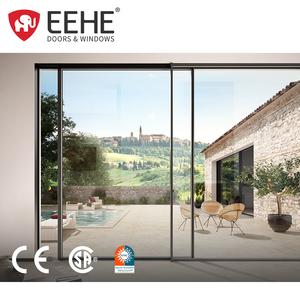
EEHE 96*80 NFRC Certified Aluminum Alloy Glass Sliding Door Windproof Outdoor Sliding Door With Insect Screen
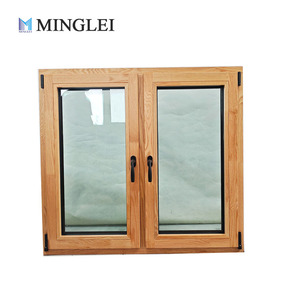
High Performance Energy-Efficient Windows Luxury Villa Triple Glazed Windows Aluminum Clad Wood Window
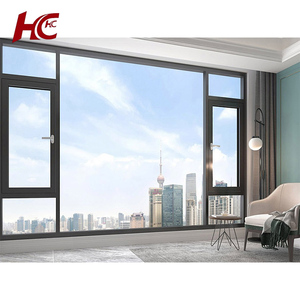
Custom Hurricane Impact Soundproof Aluminium Window House Villa Hotel Modern Black Aluminum Glass Sound Proof Casement Windows
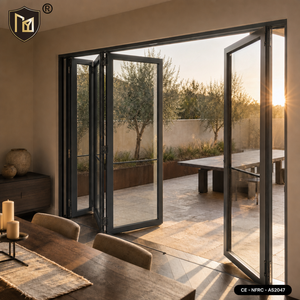
JUNYAO Factory Smooth Glide Roller Track Concertina Fold Aluminium Accordion Doors NFRC CE AS2047 Hotel Residential Villa
Architectural Engineering & Whitepaper Specification Guide for Custom OEM Aluminium Clad Doors
In modern architectural design, the fenestration and door system is no longer treated merely as a passive spatial divider. It functions as an active, high-performance structural envelope responsible for thermal isolation, acoustic attenuation, structural integrity against extreme wind loads, and aesthetic harmony. Custom OEM Aluminium Clad Doors—which fuse the structural resilience and exterior weather resistance of precision extruded aluminum alloys with the interior thermal efficiency and tactile luxury of natural timber or solid thermal breaks—represent the pinnacle of contemporary building envelope technology.
1. Material Mechanics & Profile Extrusion Technology
Our OEM manufacturing facility in Foshan utilizes primary 6063-T6 and 6061-T6 aluminum alloys subjected to rigorous artificial aging processes. T6 tempering achieves a tensile strength exceeding 205 MPa and a yield strength over 170 MPa, ensuring that large-format patio sliding doors and wide-span bi-fold accordion systems maintain structural deflection ratios within strict L/175 and L/250 engineering parameters even under severe typhoon conditions (up to 4.5 kPa wind pressure resistance).
The exterior cladding features high-grade fluorocarbon (PVDF) powder coating compliant with AAMA 2605 specifications. This 3-coat electrostatic spraying system delivers exceptional UV resistance, anti-chalking properties, and salt-spray corrosion resistance tested for over 4,000 hours in accelerated salt fog chambers—making these doors ideal for demanding coastal climates across Australia, North America, and Southeast Asia.
| Performance Characteristic | OEM Spec / Technical Standard | Architectural Impact |
|---|---|---|
| Alloy Composition & Temper | 6063-T6 High-Precision Extrusion | Maximum structural rigidity; minimal frame sightlines with heavy glass loads. |
| Thermal Break Insulation | 24mm – 34mm PA66GF25 (25% Glass Fiber Reinforced) | Eliminates thermal bridging; prevents interior surface condensation. |
| Acoustic Rating (STC / Rw) | STC 38 to STC 45 (with acoustic PVB laminated glass) | Blocks low-frequency urban traffic, aircraft noise, and coastal wind sound. |
| Air Infiltration (ASTM E283) | < 0.1 cfm/ft² at 1.57 psf (75 Pa) | Hermetic perimeter sealing; prevents drafts and HVAC energy loss. |
| Water Penetration (ASTM E331) | 750 Pa (15 psf) Static & Dynamic Water Head | Integrated hidden drainage channels prevent water ingress in heavy storms. |
Global Sourcing & Procurement Trends for OEM Aluminium Clad Door Systems (2026–2030+)
As international energy performance codes—such as Europe's EPBD, the US ASHRAE 90.1, and Australia’s NCC 2022—mandate increasingly stringent carbon footprint reductions, global procurement directors, real estate developers, and commercial contractors are shifting their supply chain strategies. Off-the-shelf window and door inventory is rapidly being replaced by factory-direct OEM/ODM custom-engineered structural systems manufactured to exact architectural BIM specifications.
Key Sourcing Shifts Reshaping the B2B Fenestration Market
1. Decarbonization & Eco-Cladding
Buyers now demand low-carbon recycled aluminum bill-of-materials alongside sustainably harvested FSC-certified interior wood veneers (Oak, Teak, Pine, Walnut) attached via non-rigid thermal expansion clips.
2. Smart Building Automation Integration
Custom OEM doors are increasingly integrated with hidden motorized driving tracks, smart magnetic sensor locks, and automated HVAC interlocks that cut building climate control loads automatically.
3. Extreme Climate Resilience
Rising climate volatility has escalated global demand for Florida Miami-Dade & ASTM E1996 hurricane-impact certified glass paired with anti-corrosion stainless steel 316 hardware accessories.
By partnering with a direct OEM manufacturer capable of managing the full production chain—from aluminum billet casting, extrusion die customization, and thermal strip insertion to CNC machining, double/triple glazing assembly, and export crating—importers cut intermediate wholesale markups by 30% to 45% while asserting total quality control over shop drawings and jobsite tolerances.
Product Evolution & Technological Innovations in Aluminum Clad Systems
Traditional wood doors suffer from warping, moisture rot, and seasonal swelling under humidity changes, while pure aluminum doors can create cold bridge condensation in freezing winters. The technological breakthrough of modern Aluminium Clad Wood & Thermal Break Aluminum Door Systems lies in their dual-material composite architecture:
Key Technological Drivers:
- Floating Snap-On Clip Joinery: Exterior aluminum cladding is joined to interior structural timber using high-strength nylon snap clips. This creates a 5mm pressure-equalized ventilation cavity, allowing the aluminum and wood to expand and contract independently under extreme temperature swings without warping or frame distortion.
- Structural Silicon Glazing (SSG) & Triple Sealed Glazing: Utilizing warm-edge spacer technology, argon gas filling (90%+ concentration), Low-E coatings, and toughened safety glass (5mm+12Ar+5mm or 6mm+16Ar+6mm+6mm), overall energy efficiency is enhanced while UV radiation is blocked by over 99%.
- Multi-Point Concealed Hardware Locking Systems: Partnering with premier European hardware engineering standards (Roto, Siegenia, Hoppe), our doors utilize perimeter multi-point locking gear shafts with heavy-duty stainless steel mushroom head cams to achieve maximum forced-entry security ratings.
- Ultra-Slim Interlock Sightlines: For modern minimalist architectural applications, our heavy-duty sliding door series features interlock profile widths down to 20mm, accommodating individual panel loads up to 400kg while delivering unobstructed panoramic outdoor views.
Why Partner with Vexis Windows & Doors?
A trusted Chinese direct manufacturer integrating R&D, architectural CAD design, precision automated manufacturing, and global export logistics.
30,000 m² Production Base
Located in Foshan, Guangdong—the world's hub for premium aluminum extrusion—our facility houses automated German CNC machining centers, corner crimping machines, and double-head cutting saws.
20+ Years Export Experience
Over two decades of dedicated foreign trade experience across 154+ countries. We understand local building codes, installation practices, and regional shipping container packaging requirements.
Rigorous QA/QC Testing Lab
Every batch undergoes stringent in-house testing for water tightness, air infiltration, structural load limit deflection, and salt-spray hardware durability before ocean container loading.
Full OEM/ODM Customization
From CAD drawing optimization, custom aluminum extrusion dies, specialized powder-coat color matching (RAL shades), to custom glass specs—we fulfill precise project specifications.
Complete International Certifications
Products are backed by NFRC thermal performance ratings, CE compliance marking, AS2047 Australian window standards, and ISO9001 factory management system certification.
Export Crating & Containerization
Reinforced non-fumigation plywood crates with corner protection foam and moisture-absorbing desiccant packs ensure 100% damage-free ocean transit to destination ports globally.
Frequently Asked Questions for Project Procurement
Clear, technical, and commercial answers to common questions asked by developers, architects, and importers.
What is the key engineering difference between Aluminium Clad Wood Doors and standard Thermal Break Aluminium Doors?
Can Vexis customize frame extrusion profiles and glass specifications according to project shop drawings?
How does Vexis ensure products comply with local building codes in USA, Canada, and Australia?
What hardware brands are integrated into Vexis custom door systems?
What is the typical lead time for custom OEM door manufacturing and global shipping?
What information is required to receive an accurate factory quotation for a project?
Ready to Accelerate Your Architectural Project?
Connect with our senior engineering and export trade team today. Get professional shop drawing reviews, factory-direct OEM pricing, and comprehensive technical consultation within 24 hours.
Contact Us