Engineering Systems & Architectural Storefront Solutions
Direct factory supply engineered for commercial facades, high-end residential entrances, and fire-rated infrastructure projects worldwide.
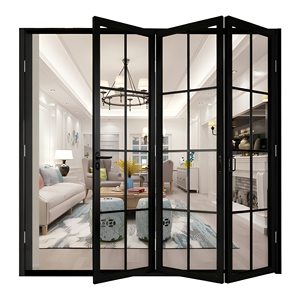
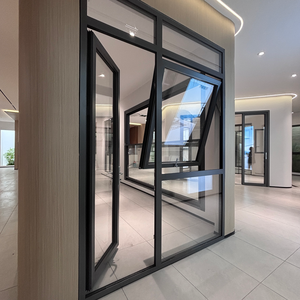
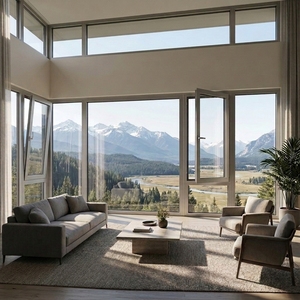
1. The Evolution of Commercial Aluminum Storefront Systems in Global Architecture
The global facade industry is undergoing a structural transformation. Architectural design principles for commercial retail, mixed-use complexes, high-end hospitality, and institutional edifices now demand strict energy conservation, maximum daylighting ratios, structural hurricane resistance, and long-term mechanical durability. As a primary China Wholesale Aluminum Storefront Door Exporter, Vexis Windows & Doors has closely observed how the modern commercial entrance has transitioned from simple barrier fenestration into an integrated, energy-efficient engineering sub-system.
Modern commercial developments no longer evaluate commercial entrances solely on initial procurement cost. Instead, structural engineers, procurement directors, and master architects evaluate lifecycle cost, structural deflection limits, total U-factor thermal performance, and certification compliance (such as Warnock Hersey WH-ETL, CE mark, AS2047, and North American NFRC/AAMA ratings). Thermal break technology—utilizing reinforced Polyamide (PA66GF25) strips—is no longer restricted to luxury residential casements; it has become an indispensable baseline for modern commercial storefront doors and entrance glass walls worldwide.
Key Technological Trends Shaping Aluminum Storefront Exporters:
- Structural Thermal Separation: Implementation of multi-chamber thermal breaks preventing energy transfer between interior and exterior commercial spaces, directly reducing HVAC operational overhead.
- Ultra-Narrow Sightline Profiles: Precision-engineered minimal frame designs featuring heavy-duty structural mullions that accommodate large glass spans while maximizing daylight penetration and retail visibility.
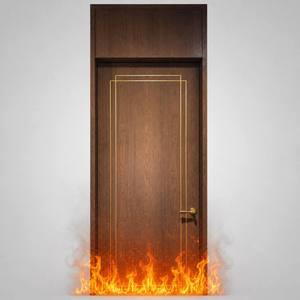
- Integrated Fire-Rated & Security Assemblies: Rising demand for Warnock Hersey (WH) listed, 20/45/60/90-minute fire-rated aluminum-wood composite and steel-reinforced aluminum door frames for multi-family residential and office commercial lobbies.
- Advanced Surface Metallurgy & Anodization: Transition to PVDF fluorocarbon coatings (exceeding AAMA 2605 specifications) and marine-grade electro-anodized finishes capable of enduring salt spray tests exceeding 3,000 hours without surface pitting or fading.
2. Future Procurement Trends: Sourcing Aluminum Storefront Doors (2025–2030)
Navigating international architectural supply chains requires anticipation of structural shifts in global manufacturing, carbon compliance standards, and digital engineering workflows. International buyers sourcing directly from a trusted China wholesale aluminum storefront door manufacturer and exporter are altering their sourcing methodologies to mitigate supply chain risks and achieve carbon reduction targets.
| Procurement Metric | Traditional Sourcing (Legacy) | Next-Gen Strategy (2025–2030) | Impact on Importers & Contractors |
|---|---|---|---|
| Thermal Specification | Non-thermal aluminum extrusions | PA66GF25 Multi-chamber thermal break | Compliance with global green building energy codes (LEED, BREEAM). |
| BIM / CAD Integration | Static 2D CAD drawings | Dynamic 3D BIM (Revit) parametric models | Elimination of on-site dimensional misfits; streamlined facade installation. |
| Glazing Technology | Single or basic double tempered glass | Triple Low-E, Argon-filled, Laminated Impact Glass | Drastic sound reduction (STC 42+) and extreme hurricane impact protection. |
| Quality Certification | Basic factory internal QC check | Third-party WH-ETL, CE, Intertek, ISO9001 | Smooth customs clearance and strict municipal building code acceptance. |
| Hardware Integration | Standard surface-mounted locks | Concealed hydraulic closers & smart access controls | High traffic cycle life (>500,000 cycles) and elevated commercial security. |
Critical Buying Shifts for International Wholesalers & Commercial Developers:
- Shift Toward Direct Factory Engineering Collaboration: Overseas importers are moving away from regional middlemen trading firms. Working directly with a integrated factory in Foshan—featuring full custom fabrication capabilities—allows for real-time adjustments to architectural shop drawings and precise matching of local sill/jamb installation detailing.
- Increased Demand for Pre-Assembled Storefront Kits: To combat rising site labor costs in Western economies (North America, Australia, Western Europe), developers favor knock-down (KD) or modular unitized door packages pre-cut, pre-drilled, and pre-fitted with concealed hardware prior to ocean freight dispatch.
- Standardization of Environmental Product Declarations (EPD): Leading exporters must now provide structural lifecycle data, detailing the recycled content ratio of extruded aluminum logs and energy consumption metrics during billet heating and anodizing phases.
3. Technical Benchmark & Engineering Specifications Guide
When issuing Requests for Quotations (RFQs) to Chinese aluminum storefront door exporters, technical rigor prevents performance failures on site. Below is the structural material standard enforced by Vexis Windows & Doors across modern commercial door profile extrusions and glazing assemblies.
Extrusion Metallurgy
High-grade 6063-T5/T6 structural aluminum alloy. Frame profile wall thickness calibrated between 2.0mm and 3.0mm to withstand heavy commercial foot traffic and wind pressures up to 5000 Pa.
Thermal Isolation Strip
Imported Technoform or top-tier domestic PA66GF25 (25% fiberglass reinforced polyamide) thermal break strips, maintaining frame structural integrity under ambient temperatures ranging from -40°C to +80°C.
Glazing Configuration
Double/triple tempered safety glass with Low-E coatings (e.g., Solarban 60/70 equivalent), Argon gas fill, and warm-edge spacer bars achieving U-factors below 0.28 BTU/h·ft²·°F (1.6 W/m²K).
Heavy-Duty Hardware
Commercial-grade continuous gear hinges, overhead concealed floor springs, multi-point lock systems, and panic push-bar egress devices tested to over 500,000 mechanical operational cycles.
4. Corporate Capability: Why Partner with Vexis Windows & Doors
Located in Lishui Town, Foshan City, Guangdong Province—the global epicenter of architectural aluminum production—Vexis Windows & Doors Co., Ltd. stands as a premier manufacturer integrating R&D, structural engineering, precision fabrication, and international wholesale export. With over two decades of dedicated export experience, Vexis has successfully executed project deliveries across more than 154 countries and regions.
Our manufacturing complex spans a modern 30,000 square meter production base equipped with automated CNC double-head cutting saws, corner punching machines, automatic insulating glass sealing lines, and rigorous quality inspection stations. Furthermore, our 1,500 square meter immersive showroom allows visiting international architects, developers, and trade buyers to physically inspect full-scale mockups of thermal break casement windows, heavy-duty lift-and-slide doors, WH-certified fire doors, and commercial storefront curtain wall systems.
Core Corporate Strengths:
- Factory-Direct Wholesale Value: Eliminating intermediary commission structures, providing transparent pricing directly calibrated to global aluminum ingot spot prices plus processing costs.
- Bespoke Customization Capability: Complete freedom of architectural design—custom jamb depths, special powder-coat RAL colors, wood-grain heat transfer finishes, dual-color internal/external anodization, and specialized glass acoustic configurations.
- International Code Compliance & Testing: Robust test documentation supporting project submissions. Certified for structural strength, wind load resistance, air infiltration, water penetration, and fire-rating compliance (Warnock Hersey listed).
- Export Packing & Ocean Freight Protection: Multi-layer protective packaging featuring PE protective films, heavy-duty paper corner protectors, waterproof shrink wrapping, and fully enclosed wooden crating tailored for containerized sea transport.
5. Frequently Asked Questions (FAQ) for Global Procurement Officers
Below are authoritative answers addressing common engineering, procurement, and logistical queries when sourcing wholesale aluminum storefront doors and custom fenestration systems from China.
Q1: What structural alloy and temper are used for commercial storefront door profiles?
Q2: How do thermal break storefront doors perform in extreme cold or hot climates?
Q3: Can Vexis provide Warnock Hersey (WH) or UL certified fire-rated door assemblies?
Q4: What glass types and acoustic performance options can be integrated into the doors?
Q5: What is the typical lead time from shop drawing approval to port dispatch?
Q6: How does Vexis ensure dimensional precision for custom architectural drawings?
Q7: Can buyers visit the factory facilities in Foshan before placing bulk orders?
Q8: What hardware brands and locking mechanisms are offered for commercial doors?
Q9: What packing measures prevent damage to glass and aluminum during sea transit?
Q10: What information is needed to receive an accurate wholesale quotation?
Ready to Source High-Performance Commercial Storefront Systems?
Connect directly with our senior technical engineering team in Foshan, China. Get custom CAD shop drawings, factory-direct wholesale pricing, and full certification support for your upcoming commercial or residential development project.