Featured Wholesale Aluminum Windows & Doors
Engineered to international structural and thermal standards (AS2047, NFRC, AAMA, CE)
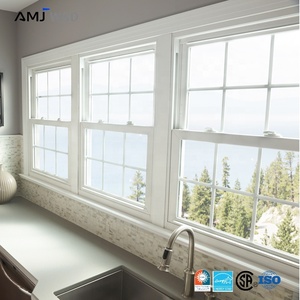
Popular Grille Design Sash Windows Tempered Glass Black Double Hung Aluminum Window for Residential
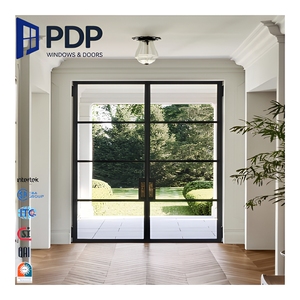
Modern Aluminum French Casement Door Anti-Theft Waterproof Tempered Glass Powder Coated Finish Custom Color for Hotel
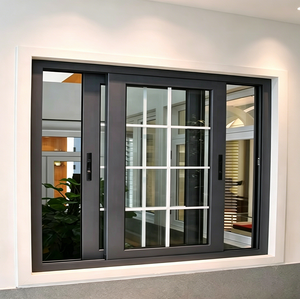
WANJIA AS2047 NFRC Sliding Windows FRAME House Optional Electric Automatic Windows Aluminium Glass Horizontal Sliding Windows
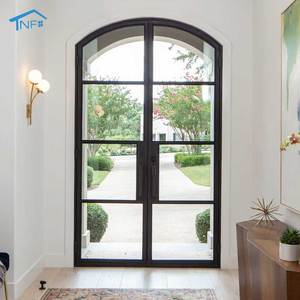
Arched Aluminum Frame Iron Design Entry Double Tempered Glass Exterior French Door Grill With Digital Lock
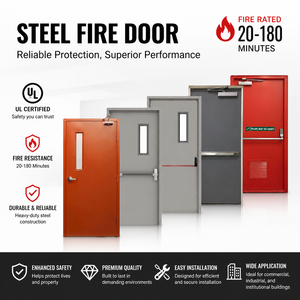
USA Steel Metal Double Fire Rated Doors With Glass Steel Doors and Frames Commercial Hollow Metal Door Suppliers
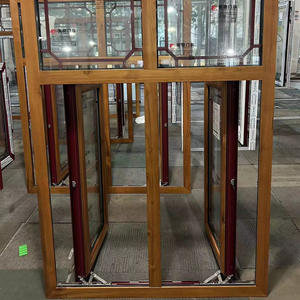
NFRC Certified Modern Design Aluminum Clad Wood Windows with Grill Tilt Turn & In-Swing Dual Action AAMA NFRC Approved
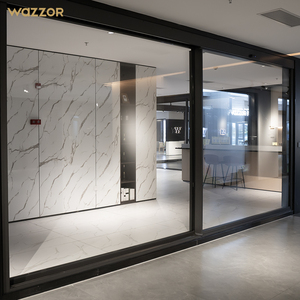
Wazzor Aluminum Double-Glazed Sliding Windows and Doors for Interior Bedroom Garden Use-Minimalist Design Windproof Feature
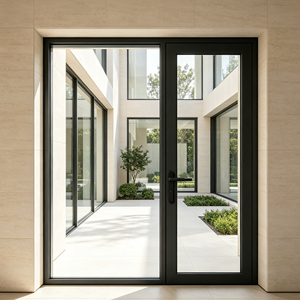
Custom Australian Standard Casement Door Stable Aluminum Alloy Double Glazed Tempered Glass Modern Interior Doors with AS2047
Global Scale, Uncompromising Quality
Industrial performance indicators driving supply security for commercial developers and importers.
The Comprehensive B2B Technical White Paper: Sourcing Fabricated Aluminum Windows & Doors from China
In the evolving global building envelope sector, China wholesale aluminum fabrication window suppliers and exporters represent the apex of cost-efficient, high-precision engineering. Aluminum window systems have transitioned from simple structural fenestrations to complex, multi-layered climate barriers. Modern commercial developers, general contractors, architectural firms, and building material distributors require fenestration products that harmoniously blend strict structural integrity, thermal resistance, acoustic attenuation, and modern aesthetics.
1. Industrial Ecosystem Advantage: Why Foshan Leads Global Aluminum Fabrication
Located in Foshan, Guangdong, China—the epicenter of global architectural aluminum extrusion and processing—integrated manufacturers leverage an end-to-end supply chain infrastructure. Unlike secondary assemblers who outsource profile extrusions and anodizing, top-tier Chinese manufacturers execute every production stage in-house. This includes raw billet smelting, custom matrix extrusion die engineering, mechanical surface treatment, automated powder coating, thermal break insertion, insulating glass unit (IGU) fabrication, and final hardware installation.
This vertical integration yields immense benefits for international B2B buyers:
- Granular Structural Customization: Capability to extrude custom profile wall thicknesses (ranging from 1.4mm for residential casements to 3.0mm+ for high-rise curtain walls and heavy-duty sliding panels).
- Material Quality Consistency: Direct control over aluminum alloy chemistry (primary 6063 billet with optimized Mg-Si ratios) ensuring superior tensile strength, yield stress, and anodizing clarity.
- Accelerated Lead Times: Streamlined conversion from CAD/BIM shop drawings to finished export packaging within competitive production cycles.
2. Core Engineering Principles of Architectural Fabricated Aluminum Windows
To deliver measurable performance gain, leading Chinese window suppliers utilize advanced thermal break engineering. Standard hollow aluminum profiles act as thermal bridges, readily conducting exterior ambient temperatures into the interior envelope. Modern system windows utilize structural polyamides to bridge this thermal gap.
PA66 GF25 Thermal Insulation
Polyamide strips reinforced with 25% glass fiber match the coefficient of thermal expansion of aluminum extrusions, preventing shear stress failure under severe freeze-thaw cycles.
Insulating Glass Units (IGU)
Options range from dual-pane tempered units to argon-filled triple Low-E glazing with warm-edge spacers, lowering overall fenestration U-Factors below 1.2 W/m²K.
Triple EPDM Sealing Gaskets
Continuous synthetic rubber seals eliminate air infiltration and water ingress under violent dynamic wind loading and tropical storm rain conditions.
3. Engineering Specifications Comparison Matrix
When selecting windows for commercial, multi-family, or luxury residential developments, technical managers can consult the structural baseline performance matrix below:
| Window & Door System Type | Structural Alloy Grade | Standard Profile Wall | Thermal Performance (U-Factor) | Acoustic Insulation (STC) | Primary Target Application |
|---|---|---|---|---|---|
| Thermal Break Casement Windows | 6063-T5 / T6 | 1.4mm – 2.0mm1.4 – 1.8 W/m²K | 38 – 45 dB | High-rise residential, coastal villas, schools | |
| Heavy-Duty Sliding Glass Doors | 6063-T6 | 2.0mm – 3.0mm1.8 – 2.2 W/m²K | 32 – 38 dB | Resort balconies, patio openings, hotel suites | |
| Ultra-Slim Interlock Sliders | 6061-T6 High Tensile | 2.5mm – 3.5mm1.6 – 2.0 W/m²K | 35 – 40 dB | Panoramic luxury residences, commercial storefronts | |
| Tilt & Turn German Systems | 6063-T5 | 1.8mm – 2.2mm1.1 – 1.5 W/m²K | 40 – 48 dB | Passive house projects, cold weather climates | |
| Aluminum-Clad Wood Windows | 6063-T5 + Oak/Pine | 2.2mm Aluminum + Wood0.9 – 1.3 W/m²K | 42 – 50 dB | Luxury mountain estates, historic retrofits |
4. Future Sourcing & Procurement Trends in the Global Aluminum Window Sector (2025–2030)
The global construction market is undergoing structural shifts driven by decarbonization, climate extreme resilience, and architectural minimalism. Importers and procurement directors must align their supply lines with the following emerging procurement trends:
Trend 1: Ultra-Minimalist Sightlines with Structural Glass Bonding
Modern architectural design favors expansive clear glass views with concealed frames. Fabrication suppliers are utilizing structural silicon glazing (SSG) techniques and heavy-duty concealed roller hardware to support single sash loads exceeding 400kg while maintaining visible interlock widths under 20mm.
Trend 2: Low-Carbon Recycled Aluminum Billet Adoption
Driven by European Union CBAM (Carbon Border Adjustment Mechanism) and global ESG criteria, developers now request verified Environmental Product Declarations (EPD). Suppliers are transitioning to low-carbon primary aluminum smelted using hydroelectric power or incorporating up to 75% post-consumer recycled aluminum alloy without compromising structural yield strength.
Trend 3: Smart HVAC Integration & Motorized Actuation
System windows are increasingly integrated into automated Smart Building Management Systems (BMS). Electric chain actuators and motorized tilt-and-turn window hardware now sync with interior air quality sensors to perform automated night-purge cooling and ventilation cycles.
Trend 4: Stringent Regional Standard Compliance & Certification Pre-Validation
Importers are demanding pre-tested system families with established NFRC ratings for Solar Heat Gain Coefficient (SHGC) and U-factor, AS2047 structural deflection and water penetration passes, and Miami-Dade hurricane impact certifications to reduce site approval delays.
5. Technological Development Trends in Fenestration Manufacturing
Chinese window fabrication facilities are leading a technological transition from manual assembly to Industry 4.0 automated production. Key manufacturing innovations include:
- CNC 5-Axis Machining Centers: Automated milling of lock hardware mortises, drainage slots, and corner cleat holes with precision tolerances within ±0.05mm, ensuring airtight mechanical corner joint assembly.
- Automated Corner Crimping & Glue Injection: Dual-component polyurethane structural adhesive injected into corner cleats guarantees zero moisture ingress at frame miters under high hydraulic pressures.
- Fluorocarbon (PVDF) & PVDF Powder Coatings: Advanced electrostatic spray technology applying Kynar 500 / Hylar 5000 resins, yielding 20+ year weatherability against intense UV degradation and saline coastal air corrosion.
Partner Directly with Vexis Windows & Doors Co., Ltd.
Leverage our 30,000 m² Foshan manufacturing base, 20+ years of export engineering experience, and full compliance with AS2047, NFRC, AAMA, and CE standards for your next project.
Frequently Asked Questions for B2B Window Sourcing
Essential insights for trade buyers, architectural specifiers, and commercial project managers.
What structural certifications do your wholesale aluminum windows hold?
Our aluminum window and door systems are engineered and tested to comply with major international standards. This includes Australian Standard AS2047 (with AS1288 glass compliance), North American NFRC thermal ratings and AAMA structural testing, as well as European CE marking under EN 14351-1. Test reports and certificates can be provided for project tender submissions.
Can frame profiles, glass specs, and colors be fully customized for project drawings?
Yes. Every order is produced strictly to site dimensions and architectural specifications. Buyers can specify profile wall thicknesses, thermal break polyamide depth, surface finishes (RAL custom powder coating, fluorocarbon PVDF, anodizing, or wood-grain transfers), and glazing configurations (laminated safety glass, Low-E, reflective, acoustic, or fire-rated steel/aluminum hybrids).
How does your factory protect aluminum window shipments during ocean freight?
We implement a heavy-duty export packaging standard. Profiles are wrapped in protective scratch-resistant film, corners are fitted with reinforced plastic guards, and entire window/door units are sealed in fully enclosed plywood crates with moisture-absorbing desiccant packs. This eliminates sea-spray corrosion and structural vibration damage during long-distance transit.
What is the typical Minimum Order Quantity (MOQ) and production lead time?
For custom architectural projects, our baseline MOQ starts at a 20ft container or equivalent project area (approx. 100–150 m²). Sample units and mock-up windows for client approval are available prior to mass manufacturing. Standard production lead times range between 20 to 35 days depending on hardware customization and coating requirements.
How do thermal break aluminum windows compare to standard non-thermal aluminum frames?
Non-thermal aluminum frames readily conduct exterior heat and cold, causing condensation, energy loss, and elevated HVAC costs. Thermal break windows incorporate a structural PA66 GF25 polyamide insulator separating the inner and outer aluminum extrusions. This cuts frame thermal conductivity by over 60%, drastically lowers energy bills, and prevents internal condensation in both extreme cold and hot climates.
Can prospective buyers visit the factory facilities in China before ordering?
We welcome international buyers, project contractors, and sourcing agents to visit our 30,000 m² production headquarters and 1,500 m² immersive exhibition hall located in Lishui Town, Foshan City, Guangdong, China. Remote video factory tours and live technical inspections are also available upon request.
From Architectural Shop Drawings to On-Site Delivery
Our dedicated team of structural engineers, CAD specialists, and export managers ensures smooth execution.
1. CAD & BIM Review
Submit your project elevation drawings and schedule. Our engineering office prepares detailed shop drawings detailing wind load calculations, glass thickness recommendations, and sill flashing details.
2. Precision Milling & QC
CNC profile cutting, corner crimping with dual-component glue injection, hardware fitting (Siegenia, Hoppe, or top Chinese brands), and strict water tightness testing prior to packing.
3. Global Logistics & Support
Full container load (FCL) shipping management, customs documentation compliance, installation manuals, and ongoing technical support for general contractors on site.