Featured Aluminum Clad & Replacement Window Systems
Direct factory-engineered window solutions manufactured in Foshan, China. Tested against ASTM, NFRC, and AS2047 international standards for structural, acoustic, and thermal performance.
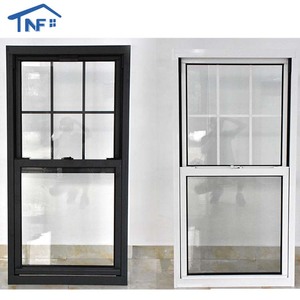
Foshan America Aluminum Tempered Glass Waterproof French Black Custom Double/Single Hung Windows
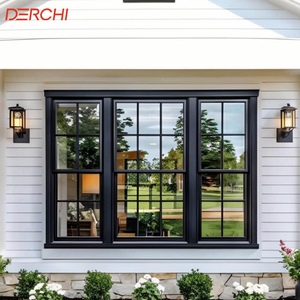
Top-Quality Aluminum Double-Hung Windows With Thermal Insulation & Sleek Thin Profile
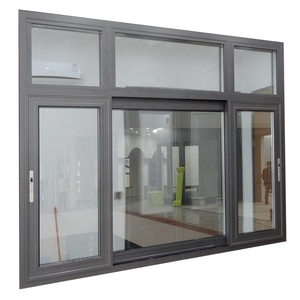
Hurricane Impact Aluminum Glass Customized Sliding Window Soundproofing Double Glazed
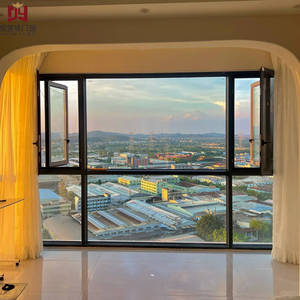
Direct From Factory: Aluminum Casement Windows with Inward/Outward Opening & Tilt-In Option
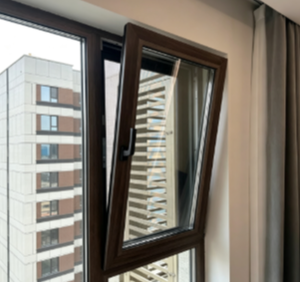
Energy Saving Aluminum Clad Wood Casement Window Outward Opening Home Replacement
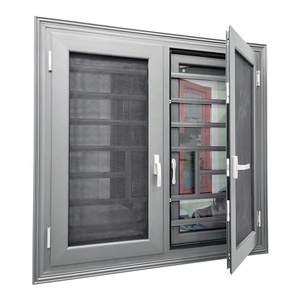
Thermal Break Aluminum Frame Double Glazed High-Performance Casement Windows
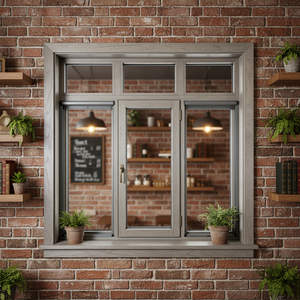
Double Glazed Single Hung Sliding Soundproof Aluminum Clad Wood Windows for Projects
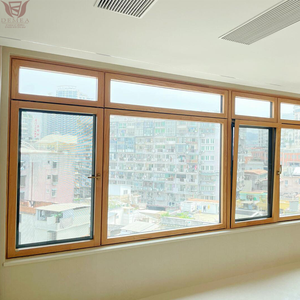
Custom House Window Replacement Solid Wood Interior Double Glazing Thermal Aluminum Clad
1. Technical Anatomy of Modern Aluminum Clad Replacement Windows
In modern architectural fenestration, the specification of aluminum clad replacement windows represents the apex of structural durability merged with interior thermal aesthetic elegance. As building energy codes (such as ASHRAE 90.1, IECC 2024, and Title 24) become increasingly stringent worldwide, real estate developers, contractors, and building material importers require fenestration systems that go far beyond standard fenestration mechanics.
Aluminum clad replacement windows feature a hybrid composite design: an exterior protective shell of high-grade extruded aluminum alloy (typically 6063-T5 or 6063-T6) paired with a structural interior core of natural solid wood (such as FSC-certified Red Oak, White Oak, Larch, or Pine) or high-density thermal break polyamide chambers (PA66 GF25). The exterior aluminum cladding shields the structure against harsh environmental degradation—including UV radiation, atmospheric moisture, and extreme thermal cycles—while the interior provides natural warmth, zero thermal bridging, and superior acoustic attenuation.
Key Engineering Principle: Floating Cladding Attachment
Unlike outdated direct-bonded wood-aluminum windows, premium China-manufactured aluminum clad systems utilize specialized nylon clip connectors that allow the exterior metal skin and interior wood framing to expand and contract independently under extreme ambient temperature shifts. This eliminates internal frame stress, warping, and seal failure over a 50+ year design life.
From an operational standpoint, wholesale replacement windows engineered in China's manufacturing epicenters like Foshan offer global buyers high-precision structural integrity. By integrating multi-chamber thermal breaks, low-emissivity (Low-E) double or triple insulated glass units (IGUs) filled with 90%+ Argon gas, and continuous ternary EPDM sealing gaskets, these systems achieve exceptional overall Thermal Transmittance (U-factors down to 0.18 BTU/h·ft²·°F or 1.0 W/m²K).
Technical Benchmarks & Performance Metrics
Comparative matrix showcasing physical performance thresholds for Vexis high-tier aluminum clad window configurations against standard market alternatives.
| Performance Standard | Standard Vinyl (uPVC) | Standard Thermal Break Aluminum | Vexis Premium Aluminum Clad Wood |
|---|---|---|---|
| Thermal Transmittance (U-Factor) | 0.28 - 0.35 W/m²K | 1.8 - 2.4 W/m²K | 0.95 - 1.2 W/m²K (Passivhaus Capable) |
| Sound Transmission Class (STC) | 28 - 32 dB | 32 - 36 dB | 38 - 45 dB (Acoustical Double/Triple Glazed) |
| Design Pressure / Wind Resistance | 1500 Pa (DP30) | 3000 Pa (DP60) | up to 5000 Pa (DP100 / HVHZ Certified) |
| Air Infiltration Rate (ASTM E283) | < 0.30 cfm/ft² | < 0.15 cfm/ft² | < 0.05 cfm/ft² (Ultra-Airtight Seals) |
| Expected Service Life | 15 - 20 Years | 30+ Years | 50+ Years with Zero Frame Deformation |
Why Direct Sourcing from Foshan, China Drives Competitive Advantage
Vexis Windows & Doors Co., Ltd. integrates R&D, structural engineering, precision CNC manufacturing, and global export operations to empower commercial developers and trade distributors worldwide.
End-to-End Customization
Every order is fully tailored to architectural drawings. From custom frame extrusion profiles, specialized powder coating (RAL colors & wood grain), to specific glass stack-ups and European hardware integration (German Hoppe, Siegenia, Roto).
Rigorous Quality Assurance
Equipped with automated Italian corner-crimping machinery and double-component corner glue injection systems. Every frame undergoes air tightness, water penetration (ASTM E331), and structural load testing before seaworthy packaging.
Factory-Direct Wholesale Value
By eliminating trading intermediaries and operating out of Foshan's premier industrial ecosystem, we pass 25%–40% cost savings directly to importers, project developers, and building material suppliers.
2. Strategic Procurement Trends in Global Fenestration (2025–2030)
The global market for replacement windows and modern fenestration is undergoing a seismic shift driven by climate policy, energy costs, and evolving architectural design language. Importers and wholesalers sourcing from China must align their inventory and procurement strategies with four key industry vectors:
A. Decarbonization & Net-Zero Energy Buildings (NZEB)
Governments across North America, Europe, and Oceania are establishing strict operational carbon mandates for residential and commercial structures. Window selection is no longer aesthetic; it is thermal calculation. Importers are rapidly pivoting toward triple-pane argon-filled IGUs featuring dual Low-E coatings (e.g., Sungate or Solarban coatings) and warm-edge composite spacers (such as Technoform or Swisspacer). Aluminum clad wood sashes naturally fulfill passive house thermal metrics without requiring bulky vinyl frames.
B. Hurricane Impact Resilience & High-Velocity Wind Zones (HVHZ)
With extreme weather events increasing in severity, coastal developments in Florida, the Caribbean, Southeast Asia, and Australia mandate impact-rated windows. Chinese exporters are now utilizing heavy-duty extruded 6063-T6 aluminum profiles coupled with laminated SentryGlas® (PVB/SGP) interlayers. These replacement windows withstand missile impact tests (ASTM E1996/E1886) and cyclic wind pressures up to 5,000 Pascals, expanding market viability into severe storm zones.
C. Ultra-Slim Sightlines with Concealed Hardware Integration
Modern minimalism demands maximum daylight illumination and minimal frame visibility. The industry trend is moving away from bulky traditional window profiles toward ultra-thin sightlines, flush-fit interior sash designs, and fully concealed hinges. Tilt and turn casement mechanisms, hidden drainage channels, and minimalist black anodized finishes dominate modern architectural specifications.
D. Pre-Assembled Modular Flashing & Sub-Frame Systems
To reduce expensive on-site labor costs in destination markets like the US, Canada, and Australia, wholesale suppliers in China are shipping replacement windows pre-equipped with integral nailing flanges, factory-fitted exterior trim clips, and standardized sub-frame receiver pockets. This "plug-and-play" engineering speeds up field installation by over 40% and mitigates installer error.
Material Science & Manufacturing Process Breakthroughs
An inside look at how high-tier manufacturing techniques elevate performance and long-term durability in modern window production.
Fluorocarbon (PVDF) Surface Treatment
Exterior aluminum cladding receives 3-coat AkzoNobel or PPG PVDF spraying, resisting salt spray corrosion, chalking, and UV fading for over 30 years in harsh marine environments.
Dual-Component Corner Injection
Rather than relying solely on mechanical keying, frames undergo high-pressure sealant injection into internal corner keys, guaranteeing 100% waterproof joinery and structural rigidity.
Automated IGU Robotic Sealing
Insulated glass units feature automated primary butyl rubber sealant application combined with secondary structural silicone, preventing Argon gas leakage over decades of use.
Multi-Point Locking Mechanics
Heavy-duty perimeter multi-point locking gear systems pull sashes tightly against continuous EPDM weatherstripping, providing anti-burglary protection (RC2/PAS 24 compliant).
Frequently Asked Sourcing & Technical Questions
Comprehensive guidance for international importers, general contractors, developers, and trade buyers acquiring replacement windows from China.
What are the key technical differences between standard thermal break aluminum and aluminum clad wood replacement windows?
+
Standard thermal break aluminum windows utilize a polyamide (PA66) thermal strip joining exterior and interior aluminum profiles. While structurally sound and weather-resistant, interior aluminum still feels cold to the touch in freezing climates and offers moderate acoustic damping. Aluminum clad wood windows feature a solid timber structural frame on the inside paired with an independent exterior aluminum shield. The interior natural wood offers superior natural thermal insulation (Lambda value ~0.13 W/mK) and luxurious architectural warm aesthetics, while the exterior aluminum cladding protects the timber from water ingress and UV rot without requiring refinishing.
How does Vexis ensure compliance with local building codes (e.g., NFRC in the USA, AS2047 in Australia, CE in Europe)?
+
Our engineering division customizes window profiles, glass configurations, and hardware selection to match your specific destination standards. We provide certified lab test documentation covering structural wind load, air infiltration (ASTM E283), water resistance (ASTM E331), and thermal performance (NFRC U-factor & SHGC). Shop drawings with detailed structural stress calculations are submitted for engineering review prior to raw material extrusion and mass production.
What custom finishes, colors, and timber options are available for wholesale orders?
+
We provide full customization flexibility. For exterior aluminum cladding: durable powder coating in any custom RAL color, fluorocarbon PVDF finishes for coastal areas, or anodized textures. For interior wood framing: FSC-certified natural Red Oak, White Pine, Larch, Teak, or Walnut finished with environmentally friendly water-based Sikkens stains that prevent yellowing and wood decay.
How are fragile replacement windows packaged to prevent ocean freight transit damage?
+
Export packaging adheres to heavy-duty international logistics standards. Every window frame is wrapped in protective scratch-resistant film, enclosed in custom-fit EPE foam corner protectors, vacuum-sealed in moisture-proof plastic wrapping, and secured inside ISPM-15 compliant fully enclosed plywood wooden crates with internal timber bracing. This zero-movement packaging ensures safe delivery across long-distance container ocean transit.
What is the typical lead time from shop drawing approval to destination port delivery?
+
Standard production lead times range from 25 to 35 business days following final CAD shop drawing sign-off and deposit receipt. Shipping duration varies by destination port (e.g., 14–20 days to West Coast US/Canada, 25–30 days to Europe/Australia). Expedited manufacturing slots are available for urgent commercial construction schedules.
Can buyers visit the manufacturing facility in Foshan before submitting project deposits?
+
Yes. We strongly encourage project developers, architects, and wholesale importers to inspect our operations. Buyers are welcome to tour our 30,000 m² automated production base and our 1,500 m² architectural exhibition hall located in Lishui Town, Foshan, Guangdong, China. Live video factory audits and third-party inspection agencies (SGS, TUV, Intertek) are also welcomed.
Accelerate Your Project with Direct Factory Pricing
Submit your architectural drawings, window schedules, or opening dimensions. Our Senior Technical Engineering Team will return comprehensive CAD shop drawings and direct wholesale price quotes within 24 hours.