Featured Wholesale Aluminium Ventilation Window Systems
Precision-engineered structural aluminum windows integrated with soundproofing, thermal insulation, micro-ventilation, and dust filtration sashes designed for high-end residential, hotel, and commercial developments.
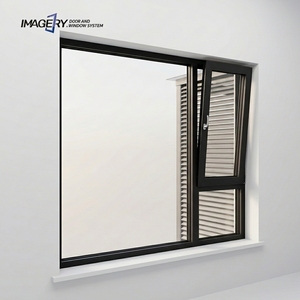
Modern Custom Aluminum Casement Tilt and Turn Window Soundproof Heat Insulation
Glazing: Double/Triple Insulated Glass
Function: Dual Opening & Micro-Draft
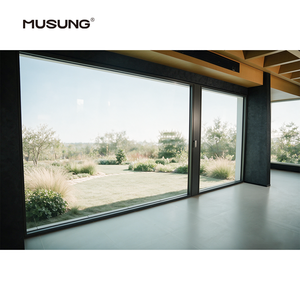
Ultra Large View Aluminum Windows Heat Insulated Soundproof Micro Ventilation Window
Acoustics: Up to 45 dB Reduction
Ventilation: Hidden Micro-Louver Sash
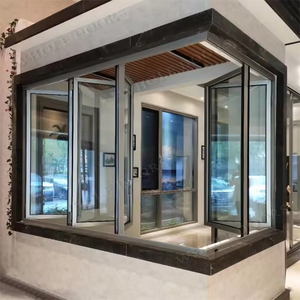
Ultra-Narrow Frame Modern Aluminum Folding Window Heat Insulation Dustproof
Mechanism: Heavy-Duty Stainless Track
Application: Kitchen, Tea Room & Balcony
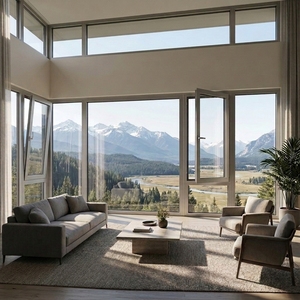
Thermal Break Tilt and Turn Aluminum Window Double Glazing for Luxury Villa
Hardware: German Siegenia / HOPO System
Thermal Strip: PA66GF25 Insulation
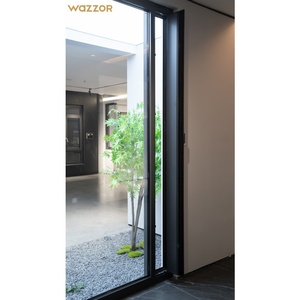
Minimalist Inward Opening Soundproof Micro-Ventilation System Casement Windows
Security: Anti-Burglar Multi-Locking
Sealant: Triple EPDM Rubber Gasket
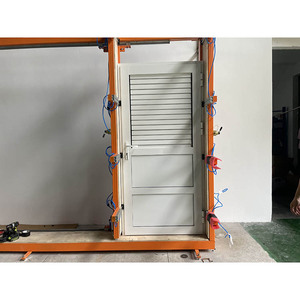
Wholesale AS2047 AS2208 Certified Aluminum Window with Security Ventilation
Wind Load: Up to 4500 Pa Structural
Market: Commercial & High-Rise Export
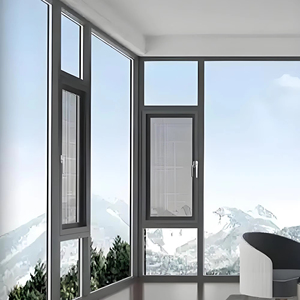
Aluminum Alloy Folding Ventilation Window with Dust-Proof Air Filter
Thermal Insulation: U-Value < 1.6 W/m²K
Target: Hospitals, Schools & Luxury Villas
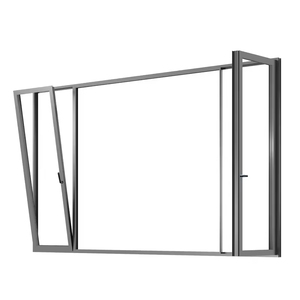
Modern Design Ventilation Thermal Break Aluminum Alloy Swing Casement Windows
Finishes: AkzoNobel Powder Coat / PVDF
Structure: Corner Crimp Joint Injected
Engineering Principles of Modern Architectural Aluminium Ventilation Windows
In contemporary architectural engineering, the fenestration envelope accounts for up to 40% of a building's overall thermal energy loss and plays a decisive role in Indoor Air Quality (IAQ). As leading China wholesale aluminium ventilation window manufacturers, factory engineers must balance structural wind-load resistance, acoustic damping, water tightness, and continuous micro-ventilation without compromising energy efficiency.
1. Structural Thermal Break Systems & Material Dynamics
Standard aluminium extrusions possess high thermal conductivity (approx. 160-200 W/m·K). To achieve modern Passivhaus and green building standard energy ratings, factory production utilizes structural polyamide thermal breaks—specifically Polyamide PA66GF25 (25% Glass Fiber Reinforced). This separates the interior and exterior aluminium profile chambers, dropping thermal transmittance (U-value) from over 6.0 W/m²K down to below 1.5 W/m²K when combined with argon-filled, Low-E double or triple insulated glass units (IGU).
2. Acoustic Attenuation & Pressure-Equalized Drainage
Urban high-rise and hospitality construction projects require strict noise mitigation (STC ratings of 38 dB to 45 dB). Micro-ventilation casement and tilt-and-turn windows utilize continuous triple-seal EPDM (Ethylene Propylene Diene Monomer) gasket loops combined with multi-chamber profile geometry. Water penetration is prevented through rainscreen pressure equalization principles: internal cascade drainage channels quickly discharge wind-driven rain under dynamic pressure loads exceeding 700 Pa without allowing water ingress into the interior building structure.
Micro-Ventilation vs. Trickle Vents
Unlike cheap plastic surface trickle vents that compromise structural frame strength and acoustic seal, integrated micro-ventilation casement hardware allows the main sash to tilt outward by 3mm to 6mm while keeping all perimeter multi-point locking pins securely engaged inside heavy-duty keep plates.
High-Velocity Wind Load Engineering
High-rise coastal installations in regions like Florida, Australia, and the Middle East demand high structural deflection resistance. Extruded from primary 6063-T5/T6 aluminium alloys with profile wall thicknesses of 1.4mm to 2.0mm, factory systems withstand ultimate limit state wind pressures up to 4500 Pa (AS2047 standard).
Global Procurement & Future Technology Development Trends (2026–2030)
The global architectural window and door market is experiencing a profound paradigm shift driven by stringent decarbonization targets, rising labor costs on job sites, and evolving occupant health requirements. International B2B buyers—including real estate developers, window importers, and general contractors—must align their supply chain strategy with three major technological macro-trends:
1. Smart Motorized Actuators & Building Management System (BMS) Integration
Commercial high-rises and modern smart homes are rapidly moving toward automated natural ventilation. Wholesale factory production now incorporates hidden linear chain actuators and IoT sensors that open micro-ventilation sashes automatically based on indoor CO₂ concentration, humidity level, or rain detection. These low-voltage (24V DC) motorized systems sync directly with centralized KNX/BACnet building management protocols.
2. Integrated Air Purification & Fine Dust Filtration (PM2.5)
Rapid urbanization has heightened demand for indoor air filtering fenestration. Future micro-ventilation windows feature modular, washable high-grade stainless steel micro-mesh and electrostatically charged dust filters integrated directly into the window frame's ventilation channel. This allows fresh outdoor air to enter while blocking pollen, mosquitoes, and fine dust particulates down to PM2.5.
3. Ultra-Narrow Sightlines & Flush Architectural Aesthetics
Minimalist architectural designs favor maximum natural daylighting and expansive views. Thermal break aluminium systems are engineered with ultra-narrow frame profiles (visible sightlines as slim as 18mm to 35mm) and concealed hinges. Inward tilt-and-turn and micro-ventilation opening mechanisms are completely hidden within the profile rebate, matching modern minimalist luxury aesthetic standards.
4. Offsite Modular Construction & Prefabricated Assembly
To lower high on-site installation labor costs in North America, Europe, and Australia, direct factory sourcing from China has evolved. B2B buyers increasingly order pre-glazed, unitized, or pre-assembled window frames complete with factory-installed sub-frames, nail flanges, and integrated flashing systems to expedite site installation timelines by up to 50%.
Vexis Windows & Doors Co., Ltd. — Enterprise Capability
Operating a 30,000 m² state-of-the-art production base in Foshan, Guangdong, China, Vexis Windows integrates full structural design, precision CNC machining, corner crimping, automated glazing, and stringent testing. Backed by 20+ years of export experience supplying builders and importers in 154+ countries, our engineering team ensures direct factory pricing, flawless craftsmanship, and compliance with international building codes.
How to Evaluate China Wholesale Aluminium Ventilation Window Factories
Sourcing custom architectural windows direct from Chinese manufacturers requires a detailed technical evaluation framework. To avoid quality pitfalls such as frame corner leakage, hardware failure, or powder coat peeling under severe sun exposure, international procurement teams should inspect five core technical parameters:
- Extrusion Alloy Grade & Wall Thickness: Ensure the factory uses virgin 6063-T5 or 6063-T6 architectural grade aluminium billets with profile wall thickness meeting standard structural codes (minimum 1.4mm for casement windows, 2.0mm for heavy-duty commercial sliding doors). Avoid recycled aluminium scrap extrusions.
- Surface Finish Thickness & Corrosion Class: For coastal or high-UV environments, powder coating must utilize premium weatherable resins (such as AkzoNobel or PPG) with a coating thickness of 60 to 80 microns. Alternatively, specified PVDF (Fluorocarbon) coatings should exceed 40 microns for 20-year color durability.
- Glazing Specification & Gas Fill Verification: Insulated glass units (IGU) must be fully tempered (EN12150 / AS2208 certified) with dual-seal structural silicone and butyl sealant. Require warm-edge swisspacers and 90%+ pure argon gas fill to minimize thermal edge conductance.
- Hardware System Load Rating & Durability Cycling: High-performance micro-ventilation windows rely heavily on multi-point locking gearboxes and stainless steel friction hinges (304/316 grade). Ensure hardware is tested to at least 25,000 to 50,000 continuous opening cycles.
- Corner Joint Assembly Method: High-end window engineering replaces primitive screwed corner joints with heavy-duty cast aluminum corner keys injected with two-component structural corner adhesive (glue-injection process) for absolute structural rigidity and lifetime corner watertightness.
Frequently Asked Questions (FAQ) for Global Buyers
Technical and commercial answers for architects, general contractors, real estate developers, and window distributors.
What makes micro-ventilation aluminium windows superior to traditional window sash openings?
What certifications do Vexis aluminium ventilation windows carry for international projects?
Can sizes, glass configurations, and powder coating colors be customized per project drawings?
What is the typical factory lead time and order quantity (MOQ) for wholesale orders?
How does the factory ensure protective packaging for long-distance ocean transport?
What key engineering details are needed to request an accurate wholesale price quote?
Ready to Source Direct from China's Premier Window Factory?
Send your project drawings and specifications to our senior export engineering team for a comprehensive thermal performance analysis and instant factory wholesale estimate.
Inquire Now