Featured Engineering Door & Window Systems
Explore our top-tier precision-engineered entry doors, heavy-duty commercial window systems, and architectural glazing solutions built for international compliance.
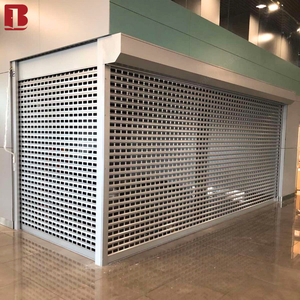
Bolang Aluminum Alloy Grill Roller Shutter Door Hollowed-out Remote Control Breathable Anti-theft Security Corrosion Resistant
Contact Us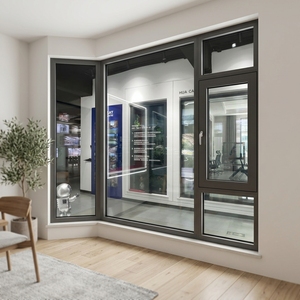
HUACAI Heavy Duty Commercial Grade Aluminum Alloy Casement Windows for Office Building
Contact Us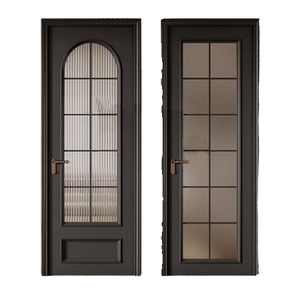
Aluminum Alloy Double Glazed Tempered Glass Waterproof Bedroom Kitchen Sliding Door NFRC American House Contractor Sliding Door
Contact Us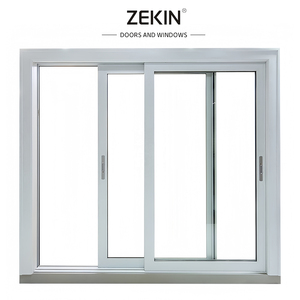
Hot Sell Energy Efficiency Custom Hurricane Impact Double Layered Tempered Glass Thermal Break Aluminum Sliding Room windows
Contact Us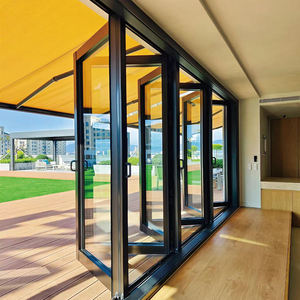
Hot Sale Modern Aluminium Windows Unique Folding Design for Kitchen Living Room Bathroom Outdoor Exterior Folding Louver Open
Contact Us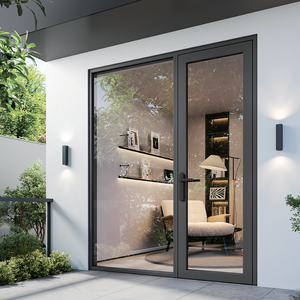
Australian Standard AS2047 Certificated Luxury Swing Door Thermal Break Double Glazed Tempered Glass Casement Aluminum Doors
Contact Us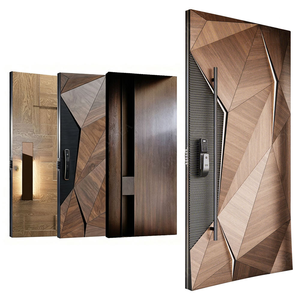
Modern Aluminum Pivot Entrance Door Luxury Villa Security Front Entry Exterior Door Custom Size
Contact Us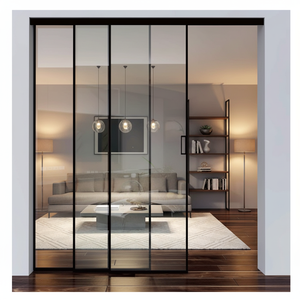
Modern Style American Design Tempered Glass Sliding Door Aluminum Slim Frame for Interior Bedroom Kitchen Living Room Divider
Contact UsVexis Windows & Doors: Industry Authority in Architectural Fenestration
Operating from Foshan, Guangdong—the world’s premier aluminum manufacturing capital—Vexis Windows & Doors Co., Ltd. integrates advanced R&D, structural engineering, precision fabrication, and export logistics under one unified entity.
Integrated R&D & Custom Fabrication
Unlike standard assembly workshops, our in-house technical team continuously optimizes profile geometries, thermal barriers, structural reinforcement, and seal longevity. We adapt fenestration engineering to meet localized building codes across North America, Europe, Australia, and the Middle East.
Rigorous International Certification
Our aluminum and wood front doors, thermal break window units, and hurricane impact doors comply with global benchmarks including Australian Standard AS2047, North American NFRC / AAMA testing, and European CE conformity for structural wind-load pressure and water tightness.
End-to-End Export Logistics & Packing
To eliminate shipping damage across transoceanic freight routes, every single door assembly undergoes multi-layer protective wrapping, high-density edge guards, and custom heavy-duty heat-treated wooden crate encapsulation with moisture absorbers.
Engineering Principles of Modern Aluminium & Aluminium-Wood Front Doors
An in-depth analysis of material science, thermal conductivity, structural elasticity, and physical security standards in high-performance exterior door manufacturing.
1. Material Composition & Structural Hybridization
The global demand for high-end exterior front doors has shifted significantly toward hybrid systems that fuse the structural resilience of extruded aluminum with the natural thermal insulation and organic aesthetic of solid timber. In modern B2B architectural specifications, China manufacturers utilize 6063-T5 aircraft-grade aluminum extrusions for external faces, offering superior tensile strength, weatherability, and corrosion resistance against harsh outdoor environments.
For interior wood linings, prime solid hardwoods such as imported White Oak, Teak, and Black Walnut are treated through multi-stage kiln drying to maintain moisture content between 8% and 12%. The timber is attached to the aluminum frame using a floating nylon snap-lock clip system. This crucial engineering mechanism accommodates differential thermal expansion coefficients between metal and timber, eliminating structural warping, joint separation, or internal stress cracking under severe temperature fluctuations.
2. Thermal Break Technology & Energy Efficiency (U-Factor Optimization)
Uninsulated aluminum exhibits high thermal conductivity. To meet stringent green building codes such as Energy Star, Passive House, and Title 24, leading China wholesale manufacturers implement polyamide thermal break strips (PA66 GF25 - 25% glass fiber reinforced). These structural isolators effectively decouple the external aluminum profile from the internal structure, halting heat transfer through conduction.
| Performance Parameter | Standard Single Aluminium Door | Thermal Break Aluminium Door | Aluminium-Wood Hybrid Front Door |
|---|---|---|---|
| Thermal Transmittance (U-Value) | 3.5 - 4.5 W/m²K | 1.6 - 2.2 W/m²K | 0.8 - 1.2 W/m²K |
| Acoustic Insulation (STC Rating) | 25 - 28 dB | 32 - 36 dB | 40 - 45 dB |
| Structural Wind Load (Pa) | Up to 2500 Pa | Up to 4500 Pa | Up to 6000 Pa (Hurricane Rated) |
| Surface Finish Durability | Standard Anodized / Powder | PVDF Coating (10 Years+) | PVDF + Fluorocarbon / UV Varnish (20 Years+) |
| Security Lock Integration | Single / Double Latch | Multi-Point European Mortise | 3D Smart Biometric Multi-Point Lock |
3. Weatherproofing Sealing Architecture & Water Ingress Defense
High-rise residential developments and luxury coastal villas demand rigorous resistance to wind-driven rain. Superior entry door systems incorporate multi-barrier sealing consisting of continuous EPDM (Ethylene Propylene Diene Monomer) synthetic rubber gaskets combined with vulcanized corner joints. Integrated hidden drainage channels ensure that any atmospheric condensation or water penetration under severe wind pressure is automatically routed downward and discharged externally via non-return weep holes, safeguarding internal flooring from moisture damage.
Future Procurement & Architectural Design Trends (2025–2030)
As global real estate development evolves toward sustainability, smart technology, and minimal sightlines, international buyers must align procurement with emerging industry trends.
1. Ultra-Large Scale Pivot Systems
Architects are increasingly specifying grand entryway pivot doors exceeding 3 meters in height and 1.8 meters in width. Heavy-duty German-engineered hydraulic pivot hinges with weight capacities up to 500kg allow effortless push-pull operation while maintaining strict perimeter sealing.
2. Smart Home & IoT Access Integration
Modern commercial and residential front doors are no longer passive mechanical barriers. B2B buyers now mandate factory-integrated smart access systems, including 3D facial recognition, biometric fingerprint scanners, encrypted keypad entry, and motorized automatic locking mechanisms compatible with Control4, Crestron, and Tuya smart home protocols.
3. Extreme Hurricane Impact & Security Glazing
With tightening coastal building regulations across Florida, the Caribbean, and Southeast Asia, procurement has pivoted toward heavy-gauge laminated impact glass (e.g., SentryGlas® interlayer). These units withstand missile impact tests, forced entry attempts, and cyclic wind pressures up to 6000 Pascals.
4. Sustainable Low-Carbon Manufacturing
Global real estate developers are demanding transparent environmental product declarations (EPD). Modern China exporters leverage recycled aluminum extrusions, non-toxic eco-friendly powder coatings (QUALICOAT certified), and sustainably sourced timber audited by FSC chain-of-custody standards.
Strategic B2B Sourcing Checklist for Importers & Contractors
To ensure seamless global project delivery, general contractors and building material importers should adhere to a structured quality assurance workflow when sourcing from China.
Phase 1: Architectural Drawing Review
- Verify rough opening (RO) dimensions and structural wall thickness.
- Determine swing directions (inswing vs. outswing) and threshold drainage heights.
- Confirm wind-load specifications based on project geographical elevation.
Phase 2: Material & Glazing Specification
- Select aluminum profile wall thickness (minimum 2.0mm for heavy-duty entry doors).
- Specify double or triple-glazed Low-E argon gas filled tempered glass packages.
- Choose hardware finishes (German Siegenia, Hoppe, or custom solid brass hardware).
Phase 3: Pre-Shipment Quality Control (QC)
- Perform 100% factory trial assembly and diagonal squareness verification.
- Inspect powder coating thickness (minimum 60–80 microns) and adhesion strength.
- Test electronic smart lock synchronization and emergency mechanical key override.
Buyer FAQ & Technical Support
Get expert answers to critical questions asked by international developers, architects, and wholesale importers during project consultation.
What types of custom doors and windows does Vexis manufacture? ▼
How do aluminium-wood front doors perform in extreme weather climates? ▼
Can product specs be customized to match local building codes? ▼
What is the typical manufacturing lead time and shipping process? ▼
What information is required to receive a fast, accurate wholesale quote? ▼
Are factory visits and live virtual inspection tours available? ▼
Ready to Elevate Your Architectural Projects?
Connect directly with our senior fenestration engineers for technical consultation, CAD detail review, and factory-direct wholesale pricing tailored to your project schedule.
Contact Us