Engineered Double Glazed Window & Door Product Catalog
Explore our factory-direct precision fenestration solutions. Engineered with 6063-T5 structural aluminum alloys, polyamide thermal breaks, and low-emissivity double-glazed units for global climate resilience.
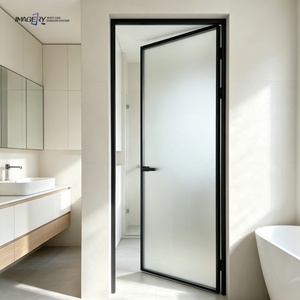
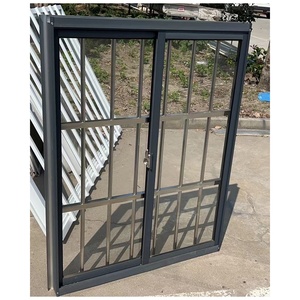
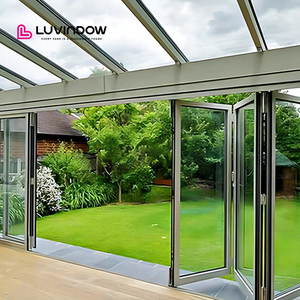
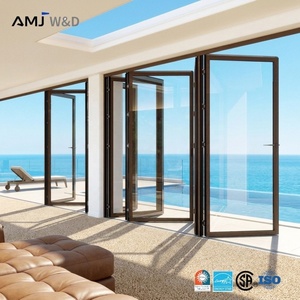
Executive Overview: The Evolution of China's Aluminum Double Glazed Window Manufacturing
In the contemporary architectural landscape, fenestration is no longer viewed merely as a passive building envelope component; it is an active engine for building thermal performance, acoustic isolation, structural integrity, and aesthetic character. As global building energy codes tighten—driven by stringent standards such as ASHRAE 90.1 in North America, the EU Energy Performance of Buildings Directive (EPBD), and Australia’s NCC Section J—the demand for high-performance double glazed aluminum windows has surged exponentially.
China, and specifically the industrial cluster of Foshan in Guangdong Province, stands at the global nexus of architectural aluminum manufacturing. Vexis Windows & Doors Co., Ltd. has established itself as an authoritative leader in this sector, providing end-to-end R&D, custom extrusion engineering, thermal break processing, and precision double-glazing assembly. Sourcing directly from top-tier Chinese manufacturers grants real estate developers, commercial contractors, and architectural importers access to advanced German-standard engineering at compelling factory-direct economies of scale.
Core Engineering Principles of Modern Double Glazed Systems
Achieving superior thermal efficiency and structural stability in aluminum double glazed windows requires a holistic system-engineering approach. Standard aluminum possesses high thermal conductivity (approx. 160–200 W/m·K). To render aluminum fenestration suitable for modern energy-efficient buildings, advanced thermal isolation technologies must be structurally integrated.
PA66-GF25 Polyamide Thermal Barriers
Utilizing 25% glass fiber reinforced Polyamide 66 insulation strips inserted between internal and external aluminum extrusions to create a continuous thermal break, reducing profile U-values down to Uf ≤ 1.4 W/m²K.
Hermetically Sealed IGUs with Argon Gas
Dual-pane Insulated Glass Units (IGUs) incorporating Low-Emissivity (Low-E) soft coatings, warm-edge composite spacers (Technoform/TPS), and 90%+ Argon gas cavity filling to dramatically lower radiant heat transfers.
Multi-Point Compression Locking Systems
Equipped with heavy-duty German concealed hardware (Siegenia / Hoppe / G-U) driving continuous EPDM rubber weatherstripping gaskets along perimeter pressure zones, guaranteeing high air and water tightness under extreme storm loads.
Structural Aluminum Alloy Metallurgical Standards
At Vexis Windows, profile extrusion strictly employs virgin 6063-T5 or 6060-T66 architectural grade aluminum alloys. Unlike scrap-recycled aluminum, virgin extrusions exhibit uniform grain structure, tensile strength exceeding 160 MPa, yield strength above 110 MPa, and superior corrosion resistance. This structural integrity allows for ultra-slim frame profiles capable of supporting heavy, large-format double and triple glazed panels up to 400 kg per sash without structural deflection under typhoon-level wind loads (exceeding 5000 Pa design pressure).
Performance Metrics Comparison Table: Window Profiles & Glazing Configuration
The matrix below outlines key physical performance metrics achievable across Vexis double glazed window series when tested in accordance with ISO 9001, AS2047, AAMA/WDMA, and EN 14351-1 testing protocols:
| System Series | Glazing Specification | Overall U-Factor (Uw) | SHGC Range | Sound Reduction (STC/Rw) | Wind Load Resistance |
|---|---|---|---|---|---|
| Slimline Minimalism Series | 6mm Low-E + 12Ar + 6mm Clear | 1.6 – 1.8 W/m²K | 0.32 – 0.45 | 35 – 38 dB | 3500 Pa (Class C4) |
| Heavy-Duty Thermal Break Casement | 6mm Low-E + 16Ar + 6mm Clear (TPS) | 1.2 – 1.4 W/m²K | 0.25 – 0.38 | 40 – 43 dB | 5000 Pa (Extreme Typhoon) |
| Lift & Slide Heavy Patio Door | 8mm Low-E + 18Ar + 8mm Tempered | 1.4 – 1.6 W/m²K | 0.28 – 0.40 | 38 – 42 dB | 4500 Pa (Class C5) |
| German Standard Tilt & Turn | 6mm Low-E + 14Ar + 6mm + 14Ar + 6mm (Triple) | 0.9 – 1.1 W/m²K | 0.22 – 0.32 | 42 – 46 dB | 5500 Pa (High Rise) |
Future Development Trends in Double Glazed Fenestration (2026–2030)
As architectural trends favor biophilic lighting, net-zero carbon footprints, and smart automation, the manufacturing of double glazed aluminum windows is undergoing profound technological shifts. Forward-thinking project developers must factor these emerging trends into their procurement strategies:
1. Structural Minimalism & Narrow-Sightline Interlocks
Architects increasingly demand maximum glass surface areas with minimal visible aluminum framing. Advanced structural glazing techniques—utilizing high-modulus structural silicone sealants (e.g., Dow Corning 983) directly bonding glass to slim extrusions—allow vertical interlock profiles as narrow as 18mm to 25mm. This offers unobstructed panoramic views without sacrificing thermal or structural wind performance.
2. Bio-Based Warm Edge Spacers & Thermoplastic Spacers (TPS)
Traditional aluminum glass spacer bars create a thermal bridge at the IGU edge, leading to perimeter condensation and frost buildup in cold climates. Next-generation manufacturing replaces metal spacers with automated Thermoplastic Spacer (TPS) technology or hybrid stainless-steel/composite warm-edge spacers. TPS is extruded directly onto the glass pane as a continuous butyl-based mass, drastically enhancing unit seal longevity and eliminating edge thermal loss.
3. Solar Control & Dynamic Electrochromic Glass Integration
Double glazed units are evolving into active environmental regulators. Integration of off-line magnetron sputter coating (Triple-Silver Low-E) blocks up to 80% of infrared solar heat while maintaining daylight transmission exceeding 65%. Furthermore, the commercial adoption of electrochromic dynamic tinting—controlled via Smart Home Zigbee/KNX building management systems—allows windows to autonomously adjust solar heat gain coefficient (SHGC) based on real-time solar radiation sensors.
4. Low-Carbon Recycled Aluminum & Sustainable Manufacturing
Global decarbonization policies place embodied carbon front-and-center. Leading Chinese manufacturers are transitioning to green hydro-powered low-carbon aluminum billets and implementing zero-VOC powder coating lines (Qualicoat Class 2 standard). Utilizing windows certified with Environmental Product Declarations (EPDs) helps international developers earn LEED v4 and BREEAM sustainability credits.
Strategic Future Procurement Trends for Global B2B Buyers
Procuring custom aluminum windows and doors from China has evolved beyond mere transactional buying. Commercial developers, building material wholesalers, and general contractors now employ strategic supply chain partnerships to mitigate risk and optimize Total Cost of Ownership (TCO).
1. Shift Toward Fully Systemized Fenestration Solutions
Historically, overseas buyers purchased un-assembled extrusions, hardware, and glass from disparate sources, assembling them locally. The global procurement norm has shifted heavily toward purchasing pre-engineered, fully fabricated System Windows. System fenestration ensures that all profile geometries, corner crimping keys, drainage channels, EPDM gaskets, and hardware gearboxes are pre-tested as a unified assembly—drastically cutting on-site installation labor costs and eliminating field failure risks.
2. Rigorous Pre-Shipment Factory Audit & Performance Certification
International buyers now insist on rigorous third-party QA/QC protocols. Premium China factories provide comprehensive test evidence verifying compliance with market-specific standards: AS2047 and AS1288 for Australia/New Zealand, NFRC and AAMA for North America, and CE / EN 14351-1 for Europe. Factory Acceptance Testing (FAT) conducted via live video stream or independent inspectors (SGS/TÜV) before container loading ensures zero defect rates at destination ports.
3. DFM (Design for Manufacturing) & BIM Model Co-Engineering
To prevent costly architectural revisions on site, advanced procurement involves early-stage co-engineering. Manufacturers like Vexis collaborate directly with project architects by converting CAD elevations into 3D Revit BIM models. This ensures exact rough opening tolerances, structural anchorage detail planning, thermal break continuity at slab edges, and seamless integration of embedded sub-frames.
Enterprise Capability & Sourcing Advantage: Vexis Windows
Located in the hardware and aluminum hub of Foshan, Guangdong, Vexis Windows & Doors Co., Ltd. represents the pinnacle of Chinese direct-factory manufacturing. Combining 20+ years of export expertise with a state-of-the-art 30,000 m² production infrastructure, Vexis delivers bespoke window systems customized to local building codes worldwide.
30,000 m² Base
High-capacity automated CNC cutting, double-corner crimping, and automated IGU double-seal line.
1,500 m² Showroom
Immersive testing and display facility featuring full-scale working models of lift-sliding, bifold, and casement systems.
Global Compliance
Products certified under AS2047, CE, ISO 9001, with complete NFRC thermal simulation test reports.
154+ Countries
Two decades of successful exports across North America, Europe, Australia, Southeast Asia, and the Middle East.
Global Sourcing & Technical FAQ
Clear answers to crucial engineering, compliance, and procurement questions asked by commercial importers and builders.
What structural aluminum alloy grades and thermal break materials does Vexis utilize? +
We strictly utilize virgin high-tensile 6063-T5 or 6060-T66 aluminum alloy extrusions with nominal wall thicknesses ranging from 1.4mm for residential windows up to 2.0mm–3.0mm for heavy-duty commercial sliding doors and curtain walls. For thermal breaks, we engineer multi-cavity Polyamide 66 reinforced with 25% glass fiber (PA66-GF25), which matches the coefficient of thermal expansion of aluminum to prevent structural warping during extreme temperature swings.
How does Vexis ensure double glazed windows comply with local building standards like AS2047, NFRC, or CE? +
Our engineering team conducts precise structural wind load, water penetration, and thermal insulation calculations prior to profile extrusion. Products are independently tested by accredited laboratories (such as Intertek or TÜV) to verify compliance with Australian AS2047/AS1288, North American AAMA/WDMA/NFRC, and European CE EN 14351-1 standards. Test documentation and certificates are provided for project plan submissions.
What glass configurations and Low-E coatings are available for thermal and acoustic optimization? +
We provide a vast range of custom Insulated Glass Units (IGUs), including double and triple glazing with pane thicknesses from 5mm to 12mm tempered safety glass. Options include double-silver or triple-silver off-line Low-E soft coatings, laminated PVB/SGP acoustic glass for STC ratings up to 45 dB, warm-edge composite spacers, and 90%+ pure Argon gas cavity filling. Tinted, reflective, frosted, and decorative grill glass options are also fully customizable.
What surface finish treatments are applied to prevent oxidation and color fading in harsh coastal environments? +
We offer fluorocarbon PVDF (Polyvinylidene Fluoride) coatings complying with AAMA 2605 specifications (backed by up to 20-year warranties against chalking and fading), architectural electrostatic powder coating conforming to AAMA 2604 / Qualicoat standards, and anodized finishes (AA15/AA25 film thickness) offering maximum resistance to salt spray and atmospheric oxidation in coastal locations.
What information is required to receive an accurate factory-direct quotation for a custom project? +
To provide an accurate technical bid and itemized pricing, please provide: (1) Architectural window/door elevation schedules or CAD/PDF floor plans; (2) Preferred opening mechanisms (casement, sliding, bifold, tilt-turn); (3) Glass configuration requirements (e.g., 6mm Low-E + 12Ar + 6mm Tempered); (4) Frame surface finish and RAL color code; and (5) Project location or target destination port for logistics planning.
How are custom orders packaged to prevent damage during ocean freight transit? +
Export packaging follows a multi-layer heavy-duty protection strategy. Each window unit is wrapped in protective scratch-resistant film, fitted with impact-resistant corner guards, wrapped in bubble wrap, and loaded into custom IPPC-certified fumigated solid plywood crates or steel A-frame racks. This ensures zero glass breakage or frame scratching during sea freight transit and container unloading.
Can buyers visit the Vexis manufacturing facility and exhibition hall in Foshan? +
Yes, absolutely. We welcome global buyers, real estate developers, contractors, and architects to visit our 30,000 m² smart production base and 1,500 m² immersive exhibition center in Lishui Town, Foshan City, Guangdong, China. We can arrange factory tours, live machining inspections, and technical design workshops with our senior engineering team.
Ready to Elevate Your Architectural Fenestration Projects?
Partner with China's leading aluminum double glazed window manufacturer. Get direct factory pricing, full engineering shop drawings, and tailored custom production for your commercial or luxury residential developments.
Contact Us